Utility Comparisons

Featured image for States Rewarding Peak-Hour Solar Exports Most

States Rewarding Peak-Hour Solar Exports Most

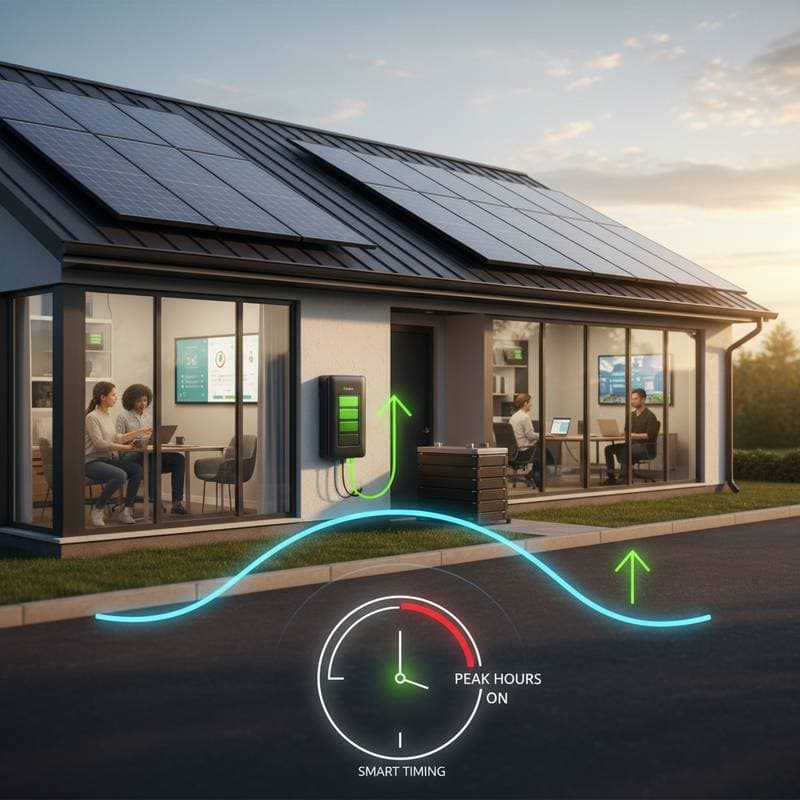
Utilities in leading states now offer higher compensation for solar exports during peak demand periods. These time-of-use rates promote intelligent system designs that integrate storage and scheduling to boost earnings, enhance grid stability, and position solar as a key energy market player.

4 min read
Featured image for States Quietly Cutting Solar Buyback Rates in 2024

States Quietly Cutting Solar Buyback Rates in 2024

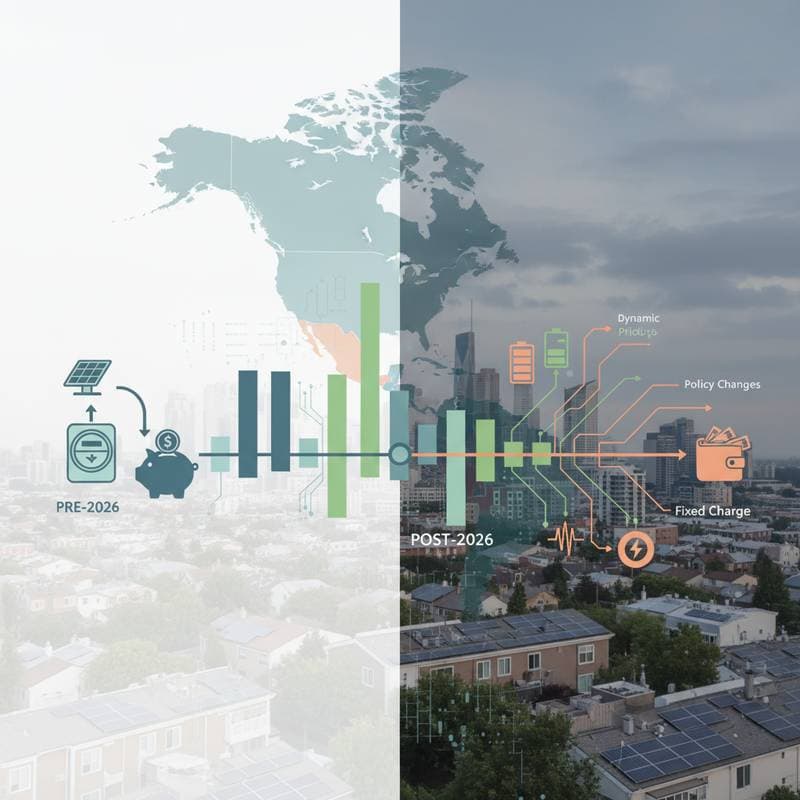
Utilities across the United States are revising net metering policies, which reduces credits for excess solar energy from homeowners. These adjustments challenge the financial benefits of rooftop solar installations and alter industry dynamics. Review your current rates promptly, as policy changes accelerate and awareness of export credits helps safeguard investments and preserve savings.

3 min read
Featured image for Why Solar Panels Now Save Less Under TOU Billing

Why Solar Panels Now Save Less Under TOU Billing

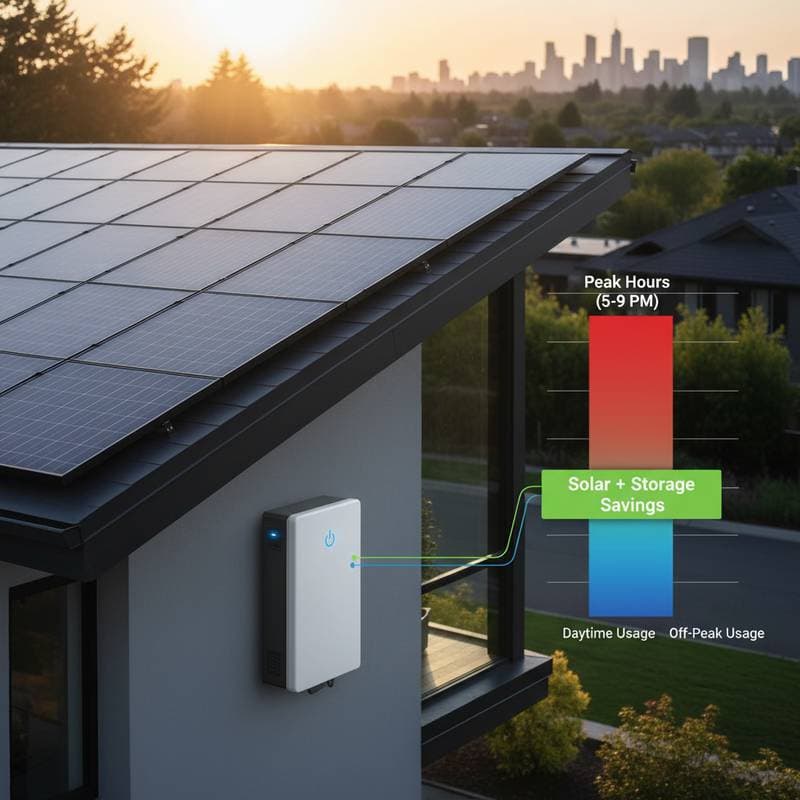
Utilities increasingly implement time-of-use rates, which diminish solar savings due to a mismatch between peak generation and high-cost periods. Transitioning from net metering to time-based credits lowers export values, spurring adoption of batteries, intelligent controls, and optimized panel orientations. Aligning solar output with demand patterns remains essential for preserving financial benefits.

4 min read
Featured image for Why Some Utilities Make TOU Rates Work While Others Fail

Why Some Utilities Make TOU Rates Work While Others Fail

As time-of-use rates evolve in 2025, a clear divide emerges between utilities that deliver value through transparent TOU designs and those that alienate customers with complexity. Leaders like PG&E, SRP, and Austin Energy foster engagement and solar integration, while SCE, FPL, and Dominion face backlash. Success depends on aligning pricing with grid realities, clear communication, and tools that build trust for efficient, renewable-powered energy systems.

5 min read
Featured image for Why Time-of-Use Rates Control Your Solar Savings

Why Time-of-Use Rates Control Your Solar Savings

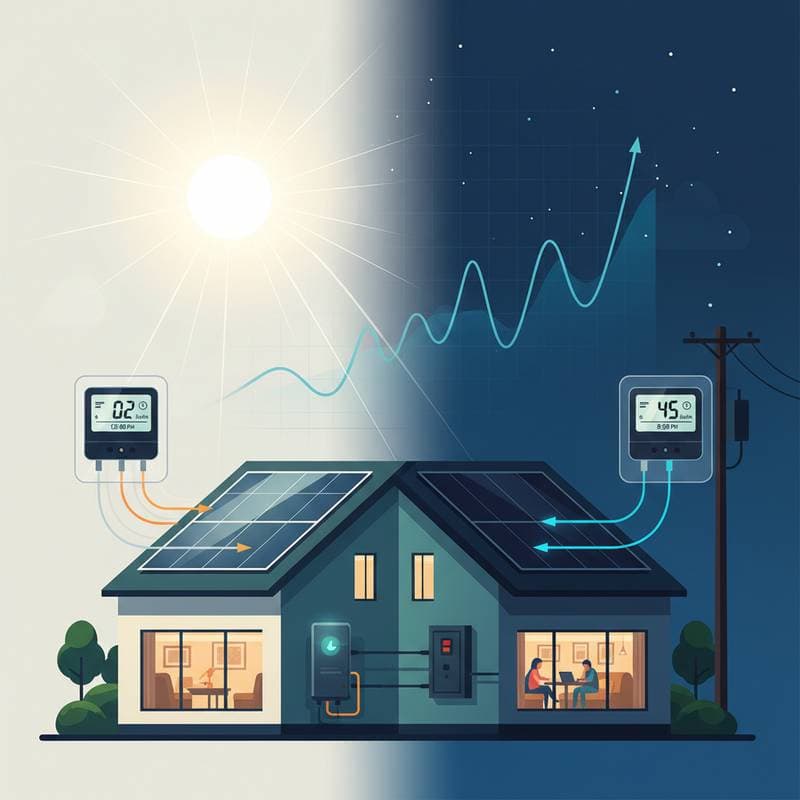
Solar panel savings depend more on utility rate structures than on sunlight alone. Time-of-use pricing, paired with energy storage and clear billing, transforms solar into a profitable investment. Learn how utilities value energy by hour to ensure your system delivers real financial benefits.

5 min read
Featured image for When Solar Power Pays Most Under TOU Rates

When Solar Power Pays Most Under TOU Rates

Unlock the full potential of your solar investment through time-of-use rates. Align consumption with peak solar production and off-peak pricing to lower bills, improve efficiency, and ease grid pressure. Practical steps, from scheduling appliances to integrating battery storage, demonstrate how strategic timing amplifies financial and environmental benefits.

3 min read
Featured image for Why TOU Rates Tripled Your Bill Overnight

Why TOU Rates Tripled Your Bill Overnight

Utilities' switch to time-of-use pricing has tripled electricity bills for many, even without increased usage, by charging premium rates during peak hours. Learn how TOU works, identify costly patterns in your habits, and apply targeted shifts or solar storage to reclaim control and achieve lasting reductions.

6 min read
Featured image for Time-of-Use Billing Cuts Solar Returns by 40%

Time-of-Use Billing Cuts Solar Returns by 40%

Time-of-use electricity rates are transforming solar economics by reducing savings up to 40 percent as utilities adopt time-based pricing. Peak demand charges clash with solar's midday output, squeezing returns for homeowners and businesses. Essential tactics, including battery storage, west-facing panels, and smart load shifting, help restore value in this shifting landscape.

4 min read
Featured image for States Slashing Solar Credits in 2025

States Slashing Solar Credits in 2025

Net metering policies face significant changes as states reduce solar export credits and utilities introduce value-of-solar models. California's reforms have accelerated solar-plus-storage trends across the nation. These evolving regulations signal a transformation in the rooftop solar sector, influencing equity, revenue models, and the distributed energy grid.

5 min read
Featured image for Run Appliances Off-Peak and Cut Bills by 15 Percent

Run Appliances Off-Peak and Cut Bills by 15 Percent

Electricity prices fluctuate throughout the day under time-of-use rates, which incentivize shifting energy-intensive tasks to off-peak periods. This approach applies to laundry, EV charging, smart thermostats, and solar storage systems, yielding lower costs, reduced grid pressure, and enhanced sustainability in energy consumption.

4 min read
Featured image for California Utilities Lead Peak Rates Above 45¢/kWh

California Utilities Lead Peak Rates Above 45¢/kWh

Time-of-use electricity pricing transforms energy consumption patterns across the United States. California's high peak rates, Arizona's significant differentials, and Texas's market fluctuations highlight how utilities address demand through pricing. This evolution boosts adoption of solar-plus-storage solutions, enhances energy management practices, and opens pathways for consumers and businesses to mitigate escalating peak costs.

7 min read
Featured image for Why Time-of-Use Rates Cut Solar Savings by 30%

Why Time-of-Use Rates Cut Solar Savings by 30%

Time-of-use electricity rates diminish solar homeowners' savings by up to 30 percent. Midday solar production earns lower credits while evening consumption incurs higher costs, disrupting expected returns. Homeowners can counter this through energy storage, targeted usage adjustments, and vigilance on rate policies to restore value and leverage dynamic tariffs for enhanced solar benefits.

4 min read
Featured image for States Where Time-of-Use Rates Punish Customers Most

States Where Time-of-Use Rates Punish Customers Most

Time-of-use electricity rates are transforming energy consumption patterns in the U.S., with states such as California, Arizona, and Nevada enforcing severe peak-hour surcharges. Utilities promote these plans for grid stability, yet many consumers face adaptation challenges. Solar panels and battery systems offer key protections, underscoring the push for fairer pricing frameworks.

5 min read