#ira

Articles tagged with ira

Featured image for IRA Doubles Tax Benefits for Commercial Solar Projects

IRA Doubles Tax Benefits for Commercial Solar Projects

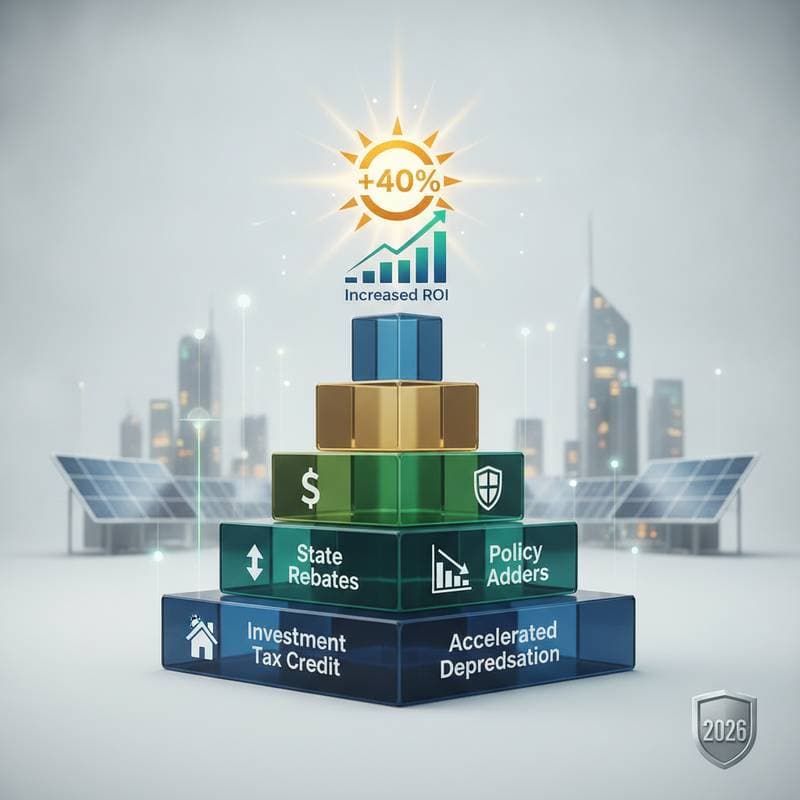
The Inflation Reduction Act delivers transformative tax incentives for commercial solar projects. Businesses can now combine the Investment Tax Credit with accelerated depreciation to effectively double their financial returns. This approach lowers costs, improves cash flow, and advances sustainability objectives, positioning 2026 as a key opportunity to leverage these enhanced benefits.

5 min read
Featured image for Solar ITC Drops 4% in 2026: What It Costs You

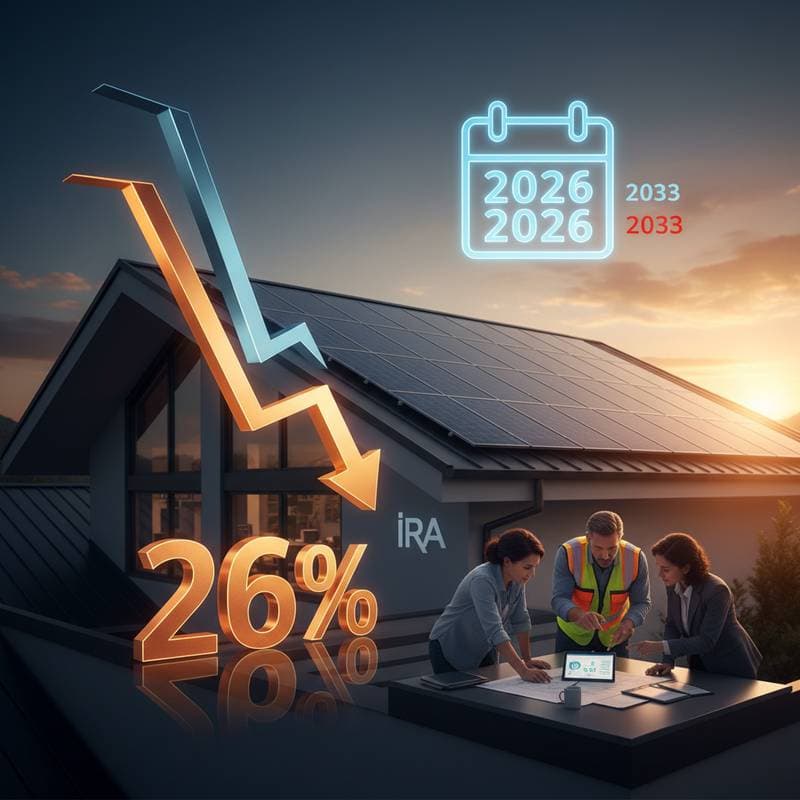
Solar ITC Drops 4% in 2026: What It Costs You

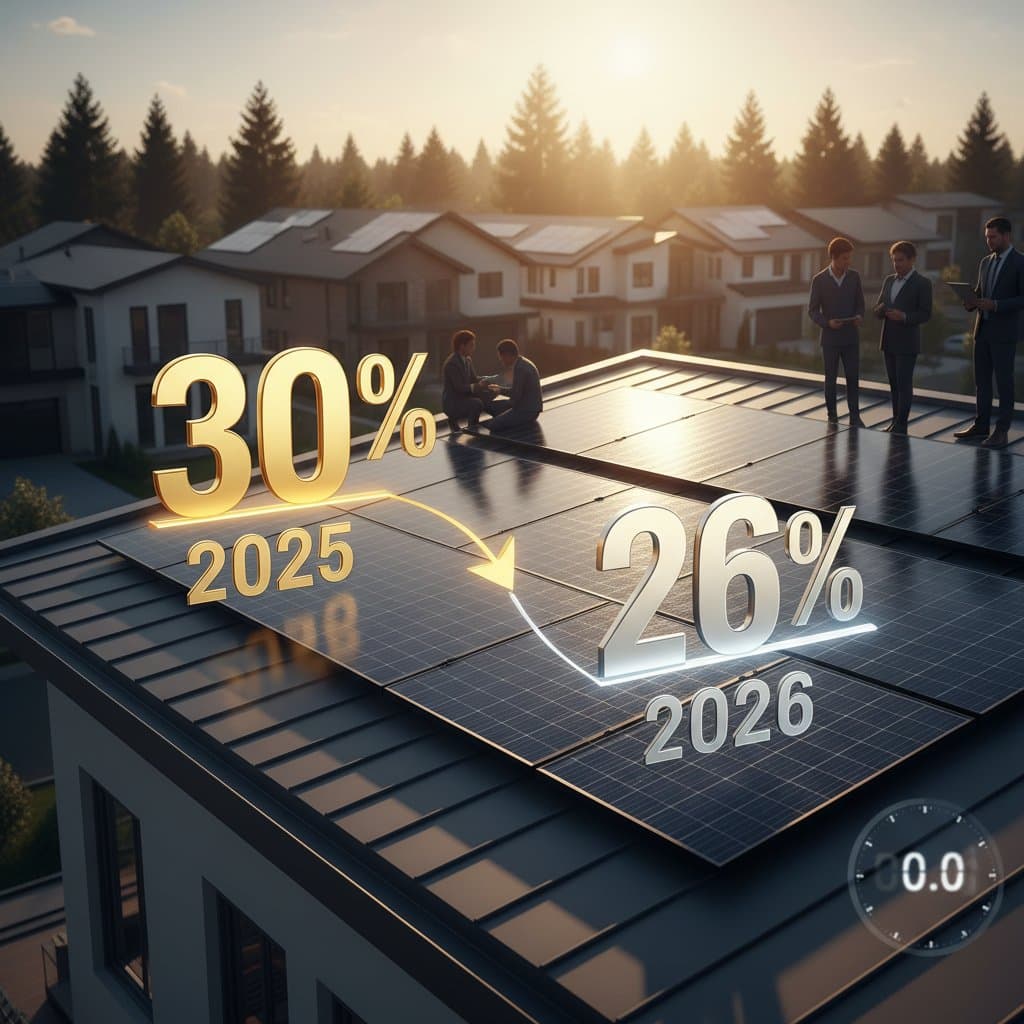
The federal solar Investment Tax Credit faces a 4% reduction in 2026 as part of the Inflation Reduction Act's phase-down. This adjustment influences residential and commercial solar projects, prompting accelerated installations to lock in current incentives before changes alter financing and economics.

5 min read
Featured image for Solar Rebates Jump to 42% Under New IRA Rules

Solar Rebates Jump to 42% Under New IRA Rules

IRA updates effective 2026 lift solar rebates to 42 percent, emphasizing domestic production and energy communities. These incentives shorten paybacks, fortify supply chains, and spur investments in residential and large-scale solar, with simplified processes for broader access.

4 min read
Featured image for Stack Solar Rebates Under IRA for 50% Off

Stack Solar Rebates Under IRA for 50% Off

A key provision in the Inflation Reduction Act enables homeowners to combine federal tax credits with state and utility rebates, potentially halving solar installation costs. This legal stacking shortens payback periods and drives broader solar access, prompting experts to advise quick action amid possible policy shifts.

4 min read
Featured image for Stack State and Federal Solar Credits Starting 2026

Stack State and Federal Solar Credits Starting 2026

Beginning in 2026, updated federal regulations permit solar developers and homeowners to stack state and federal credits without penalties, transforming project economics. This shift promises cost reductions of up to 50 percent, increased deployable capacity, and renewed growth in residential, commercial, and utility markets, alongside stricter compliance needs.

5 min read
Featured image for Stack 3 IRA Programs to Cut Solar Costs by $20K

Stack 3 IRA Programs to Cut Solar Costs by $20K

Homeowners can achieve up to $20,000 in savings on solar projects by combining three Inflation Reduction Act incentives: the Residential Clean Energy Credit, Energy Efficient Home Improvement Rebate, and High-Efficiency Electric Home Rebate. This approach reduces costs, supports home electrification, and amplifies renewable energy advantages.

5 min read
Featured image for IRA Solar Depreciation Stacks With Tax Credits in 2026

IRA Solar Depreciation Stacks With Tax Credits in 2026

A key provision in the Inflation Reduction Act permits solar investors to pair accelerated depreciation with comprehensive tax credits, accelerating paybacks and boosting returns. Known as the IRA solar provision, this strategy lowers project costs when implemented with precision. Understand compliance essentials, documentation needs, and structuring tips to realize these savings.

4 min read
Featured image for Stack State and Federal Solar Credits for 50% Savings

Stack State and Federal Solar Credits for 50% Savings

In 2026, solar developers and homeowners can achieve substantial savings by combining federal and state incentives. Expanded tax credits, bonus adders, and local rebates reduce costs by more than 50 percent. Proper compliance, documentation, and adherence to domestic content rules ensure optimal returns in this dynamic solar market.

6 min read
Featured image for Stack Federal and State Solar Credits to Cut Costs

Stack Federal and State Solar Credits to Cut Costs

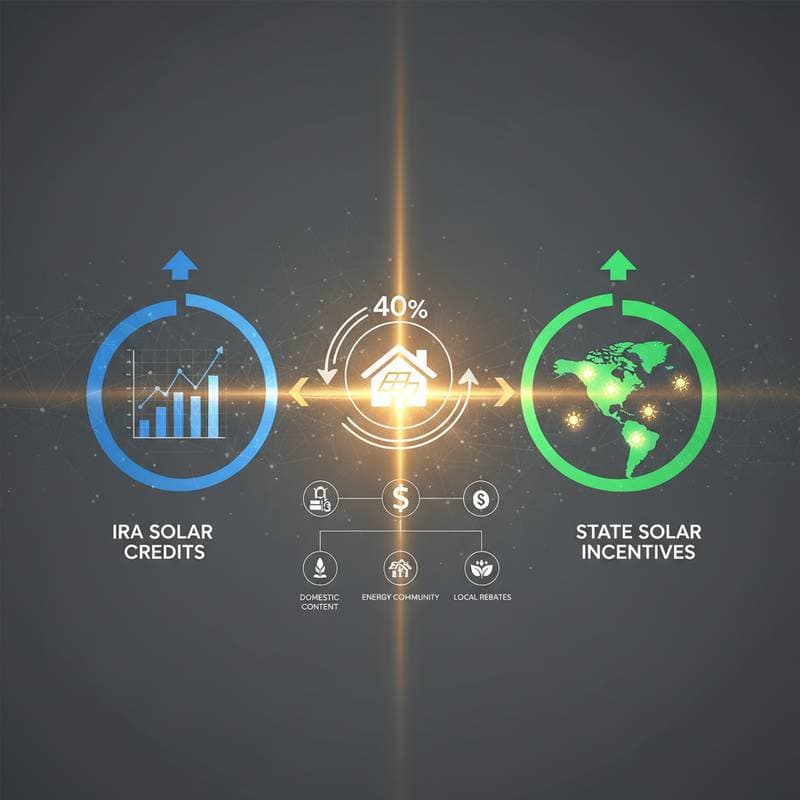
Combining federal and state solar incentives offers substantial cost reductions and faster returns on investment. This comprehensive guide details how to layer tax credits, rebates, and exemptions under current regulations, including Inflation Reduction Act enhancements, to optimize savings while maintaining full compliance for clean energy adopters.

6 min read
Featured image for Stacking Solar Incentives Can Cut 2026 Install Costs

Stacking Solar Incentives Can Cut 2026 Install Costs

Stacking federal and state solar incentives in 2026 reduces installation costs significantly and shortens payback periods. The Inflation Reduction Act provides stable federal credits, while states enhance rebates; strategic planning with storage and timing maximizes savings for homeowners and businesses.

4 min read
Featured image for IRA Phase 2 Brings Upfront Solar Rebates in 2026

IRA Phase 2 Brings Upfront Solar Rebates in 2026

Launching in 2026, IRA Phase 2 shifts solar incentives from tax credits to upfront rebates, improving accessibility, supporting domestic manufacturing, and accelerating project paybacks. State programs, compliance requirements, and updated installation standards will transform project economics, enabling homeowners, businesses, and developers to achieve significant solar savings and seize market opportunities across the U.S.

4 min read
Featured image for IRA Solar Depreciation Cuts Tax Bills in Year One

IRA Solar Depreciation Cuts Tax Bills in Year One

The Inflation Reduction Act offers solar investors a key advantage: accelerated depreciation that cuts taxes upfront and amplifies returns. Paired with the investment tax credit, this incentive acts as a powerful enhancer, improving cash flow and driving faster reinvestment in U.S. clean energy initiatives.

6 min read
Featured image for Stack Federal and State Solar Credits for Maximum Savings

Stack Federal and State Solar Credits for Maximum Savings

The Inflation Reduction Act opens doors to substantial tax savings for solar installations through effective incentive stacking. Pairing federal Investment Tax Credits with state rebates, utility programs, and bonus adders enables homeowners and developers to lower expenses significantly. Thoughtful planning, precise documentation, and strategic timing maximize these advantages, paving the way for a cost-effective shift to renewable energy.

5 min read