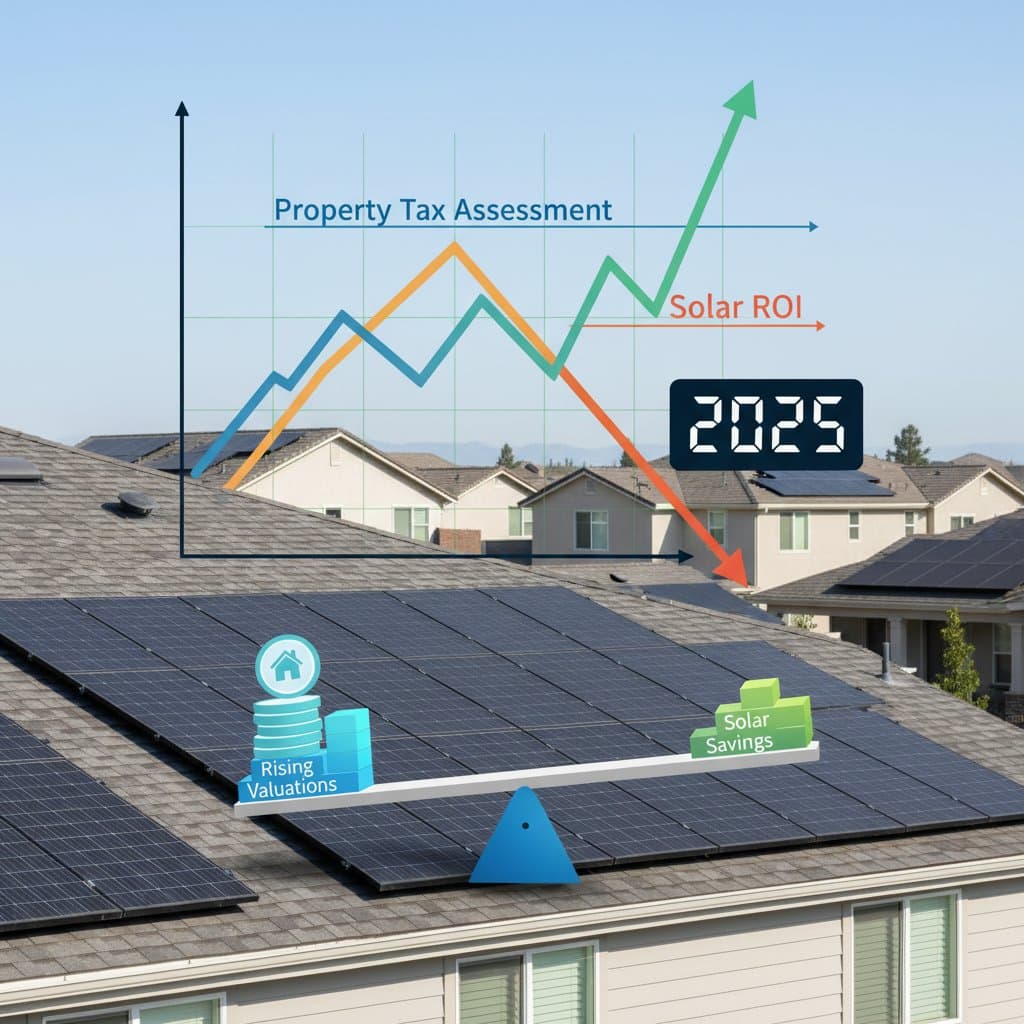
Property Tax Changes Are Reshaping Solar Payback Math
Property tax assessments are transforming solar economics in 2025 as exemptions wane and values rise. Homeowners and developers confront reduced returns and extended paybacks amid policy changes.
Loading...
Articles tagged with ROI
Property tax assessments are transforming solar economics in 2025 as exemptions wane and values rise. Homeowners and developers confront reduced returns and extended paybacks amid policy changes.
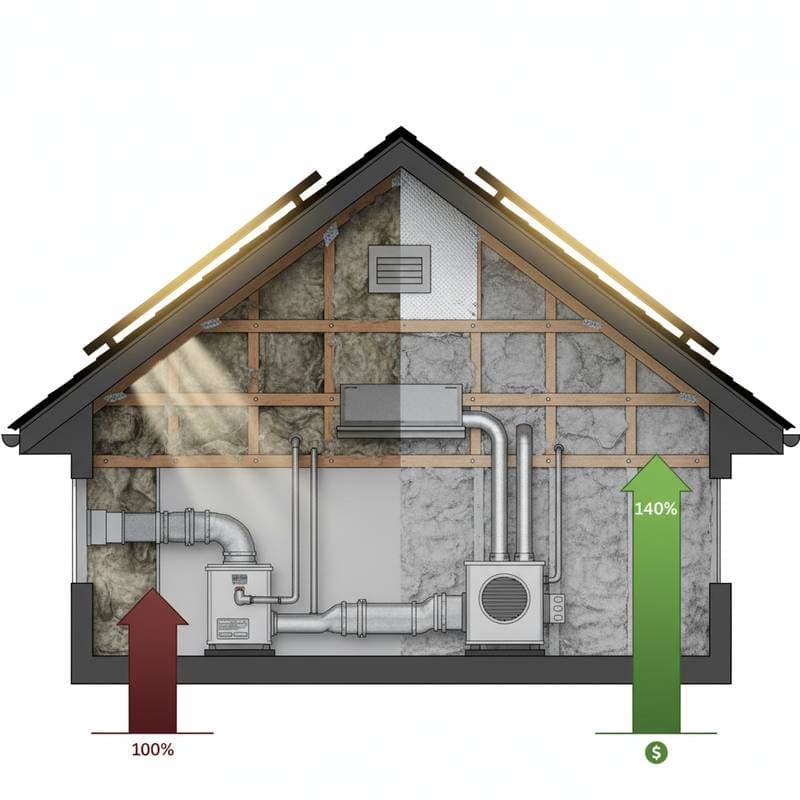
Consider attic insulation before solar panels for 40% greater energy ROI. It seals leaks, retains heat, lowers bills, extends HVAC life, and allows smaller, more cost-effective solar setups for maximum impact.
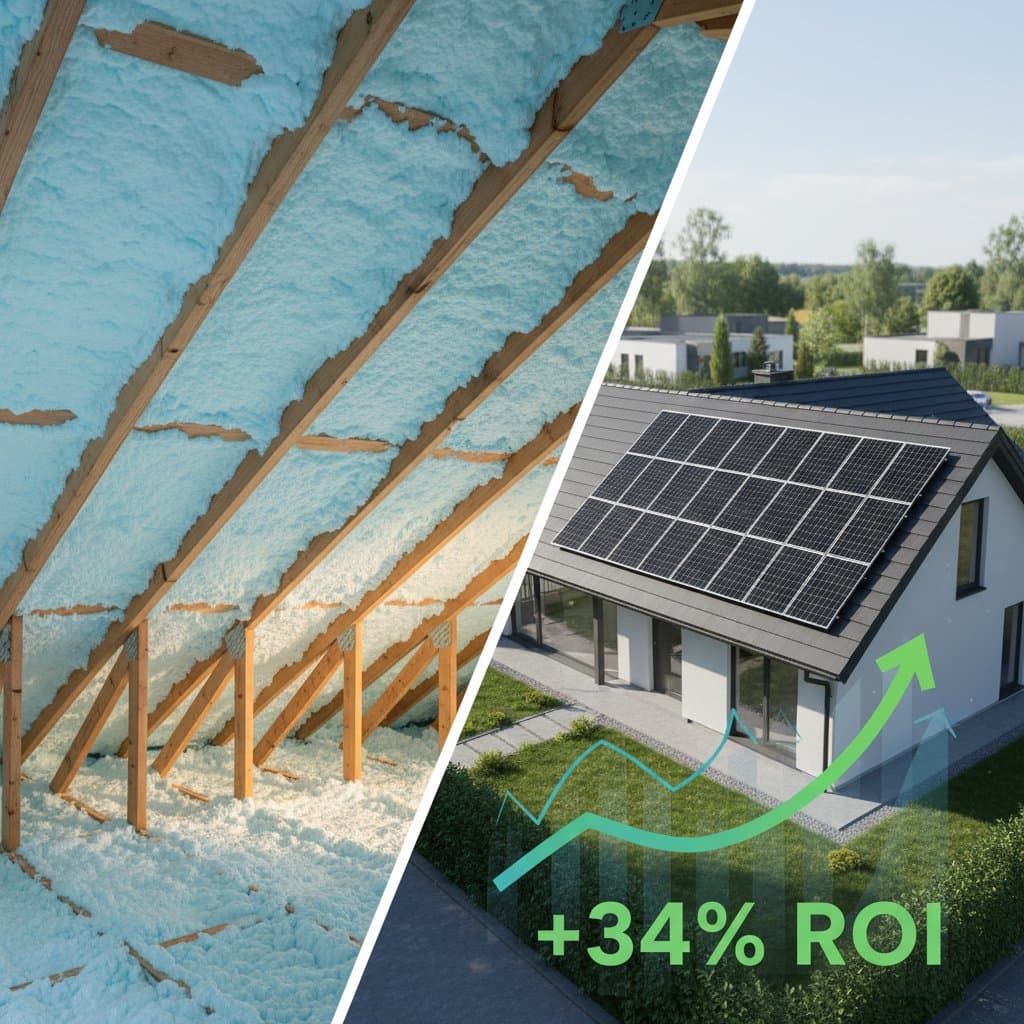
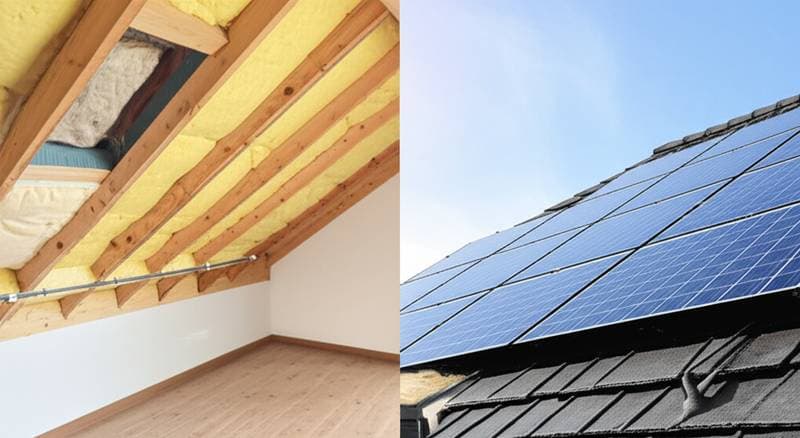
Integrating spray foam attic insulation with solar panels elevates energy efficiency and amplifies solar ROI by as much as 34%. This strategic pairing minimizes utility expenses, accelerates payback timelines, improves indoor comfort, and elevates home value, forming a comprehensive approach to sustainable living and financial gains.
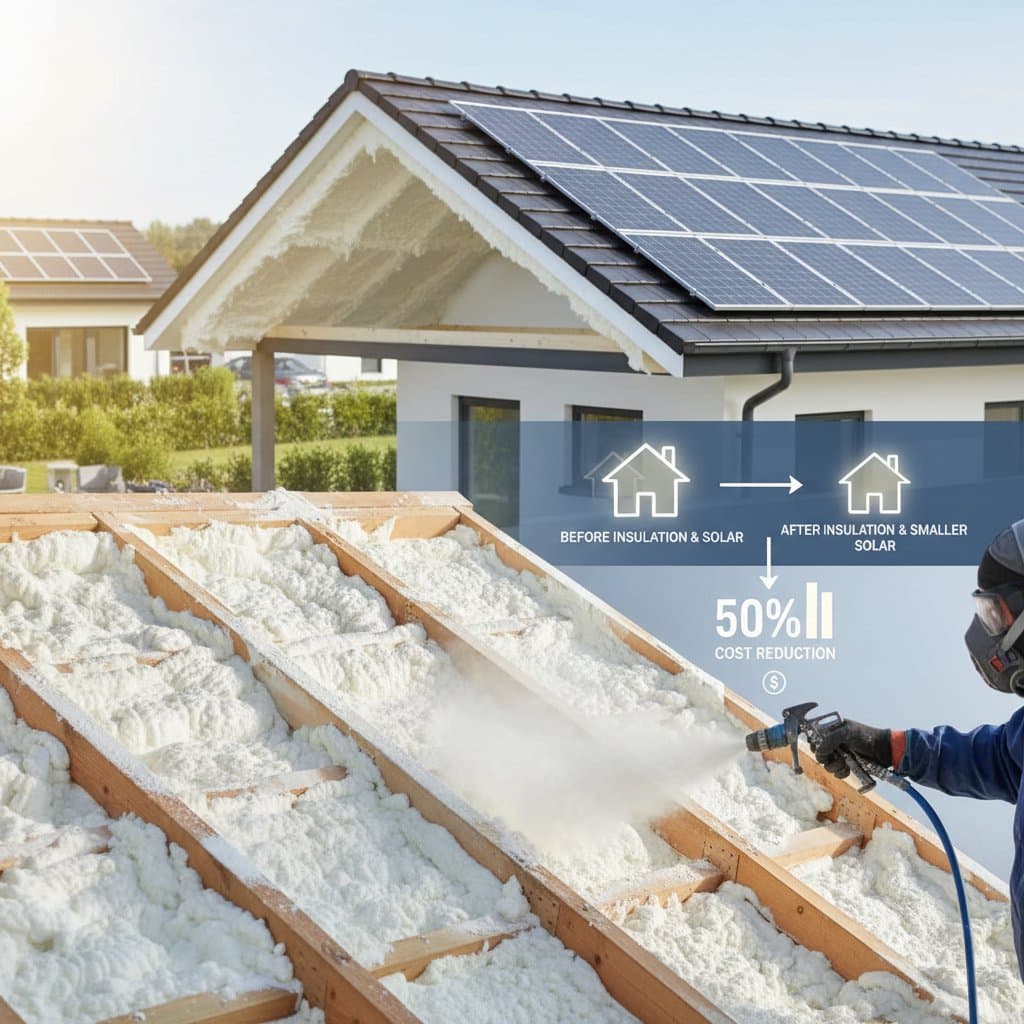
Enhance your solar investment with spray foam insulation as the starting point. By eliminating air leaks and boosting thermal efficiency, you minimize energy loss, enabling a smaller, more affordable solar setup. This strategy accelerates payback, cuts utility expenses, elevates comfort, and secures enduring savings for a resilient, energy-efficient home.
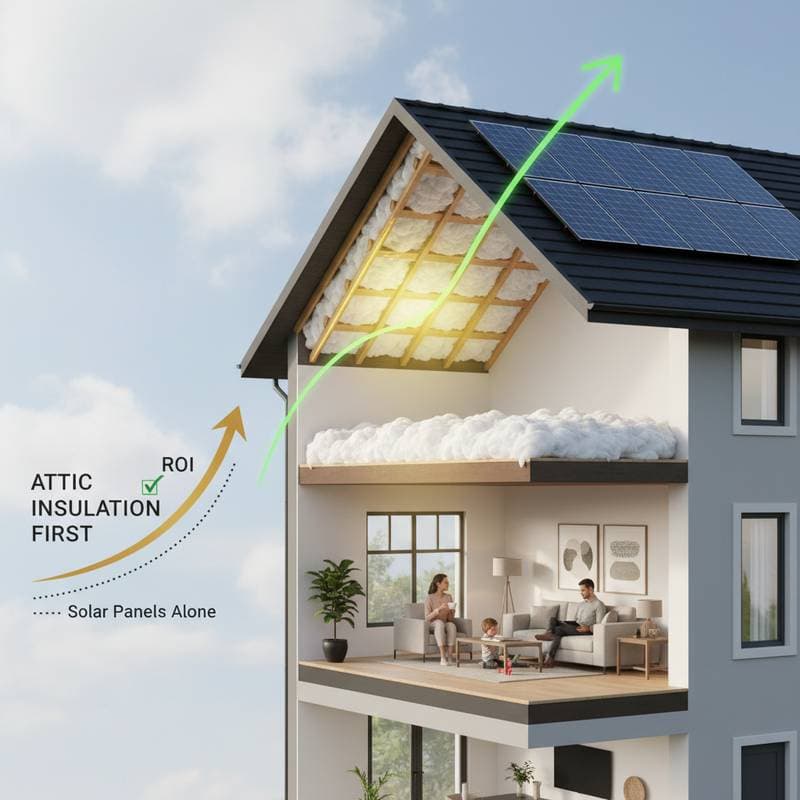
Homeowners eyeing solar panels should first consider attic insulation upgrades. These improvements curb energy loss, slash heating and cooling expenses, and enhance solar system performance. Achieve quicker returns, reduced system sizes, and sustained comfort by prioritizing efficiency before generation.
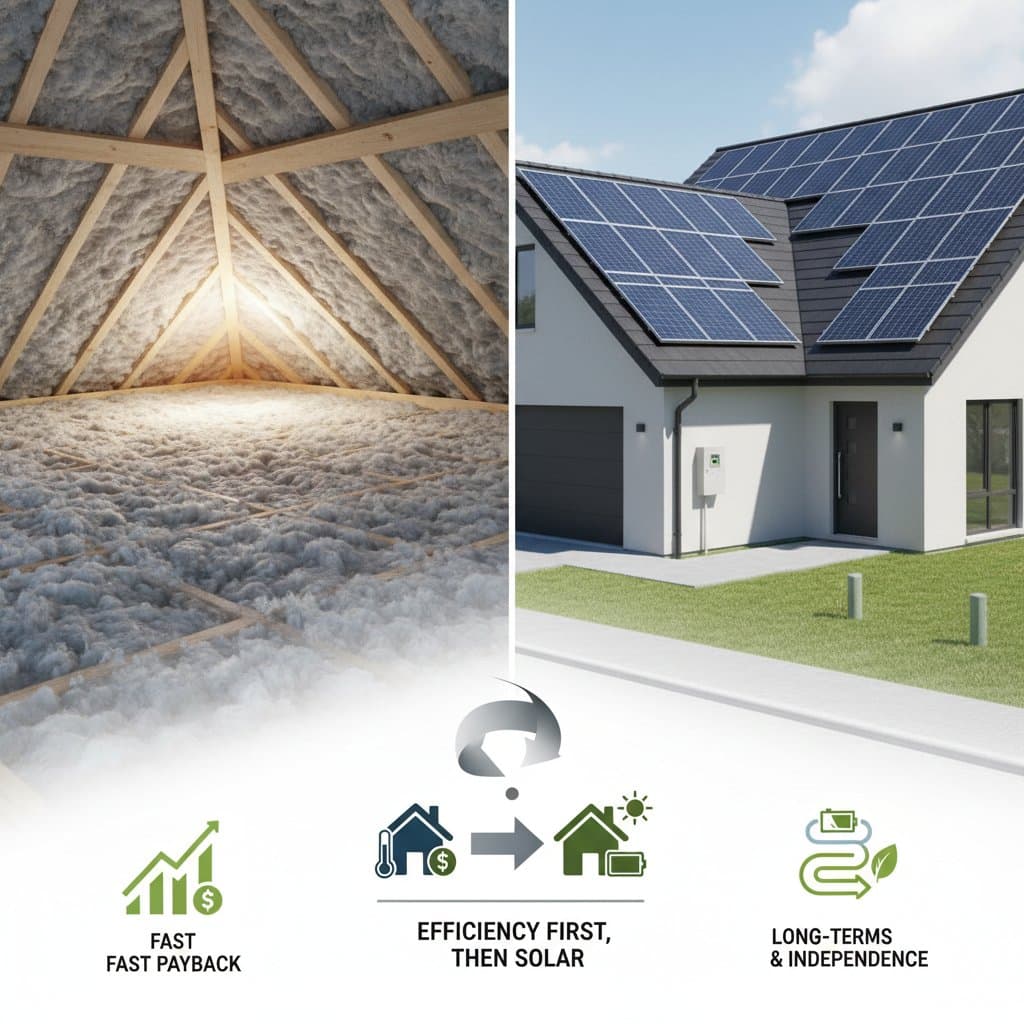
In 2025, selecting between attic insulation and solar panels requires strategic thinking. Insulation provides rapid payback periods and enhanced comfort, whereas solar ensures enduring savings and energy autonomy. The optimal path involves prioritizing efficiency upgrades before solar installation to achieve peak returns, comfort levels, and environmental benefits.
Solar technology advances position microinverters ahead of string inverters for lifetime ROI. Higher yields, robust warranties, enhanced safety, and precise monitoring make them the preferred option for residential and small commercial solar systems, achieving cost parity with undeniable long-term benefits.
A recent study demonstrates that combining residential solar installations with attic insulation upgrades yields a 34 percent higher return on investment. This approach reduces energy demands, accelerates payback times, and improves overall efficiency. Homeowners benefit from greater savings, while installers uncover new partnership opportunities in clean energy solutions.
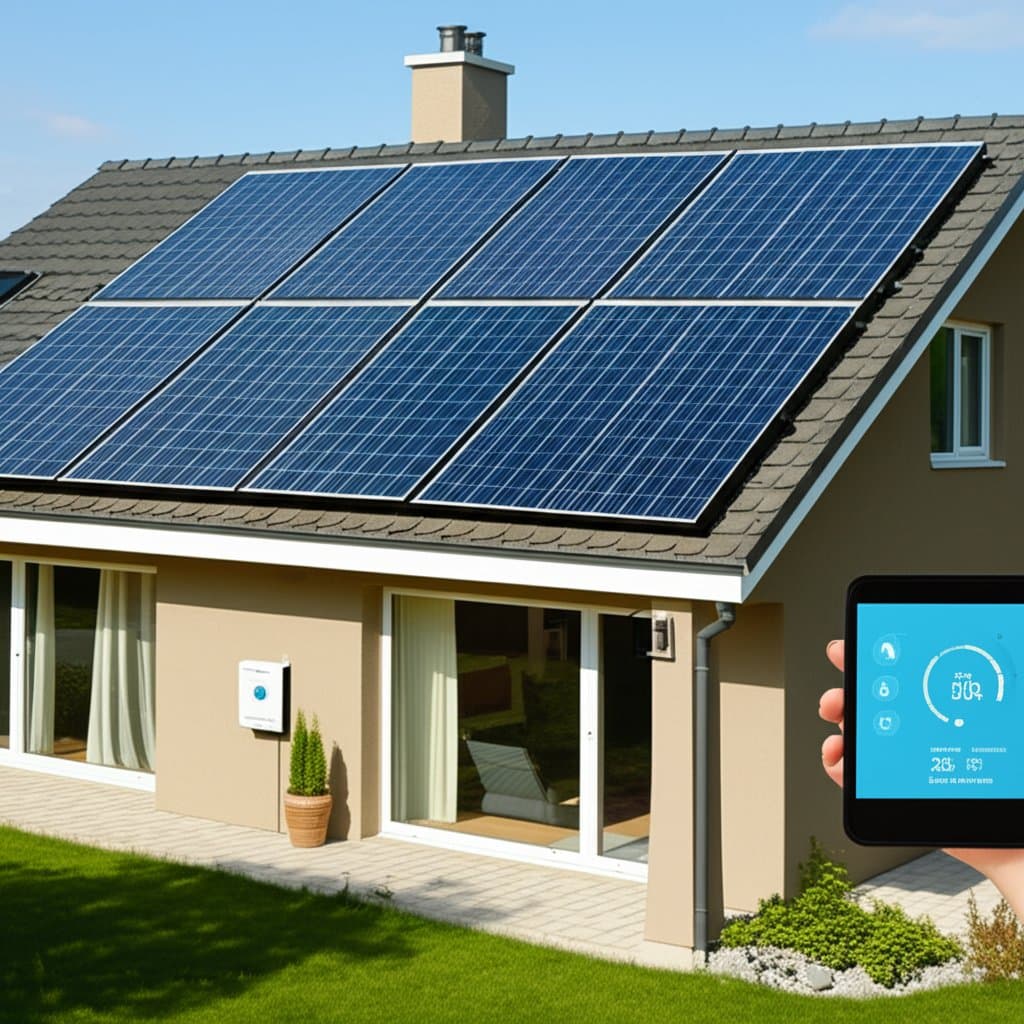
Integrating smart thermostats with residential solar installations shortens payback periods to 18 months. Homeowners align HVAC operations with solar production to minimize grid use and increase savings. Advanced software, automation features, and utility rebates position thermostats as essential components for rapid returns and improved energy management.
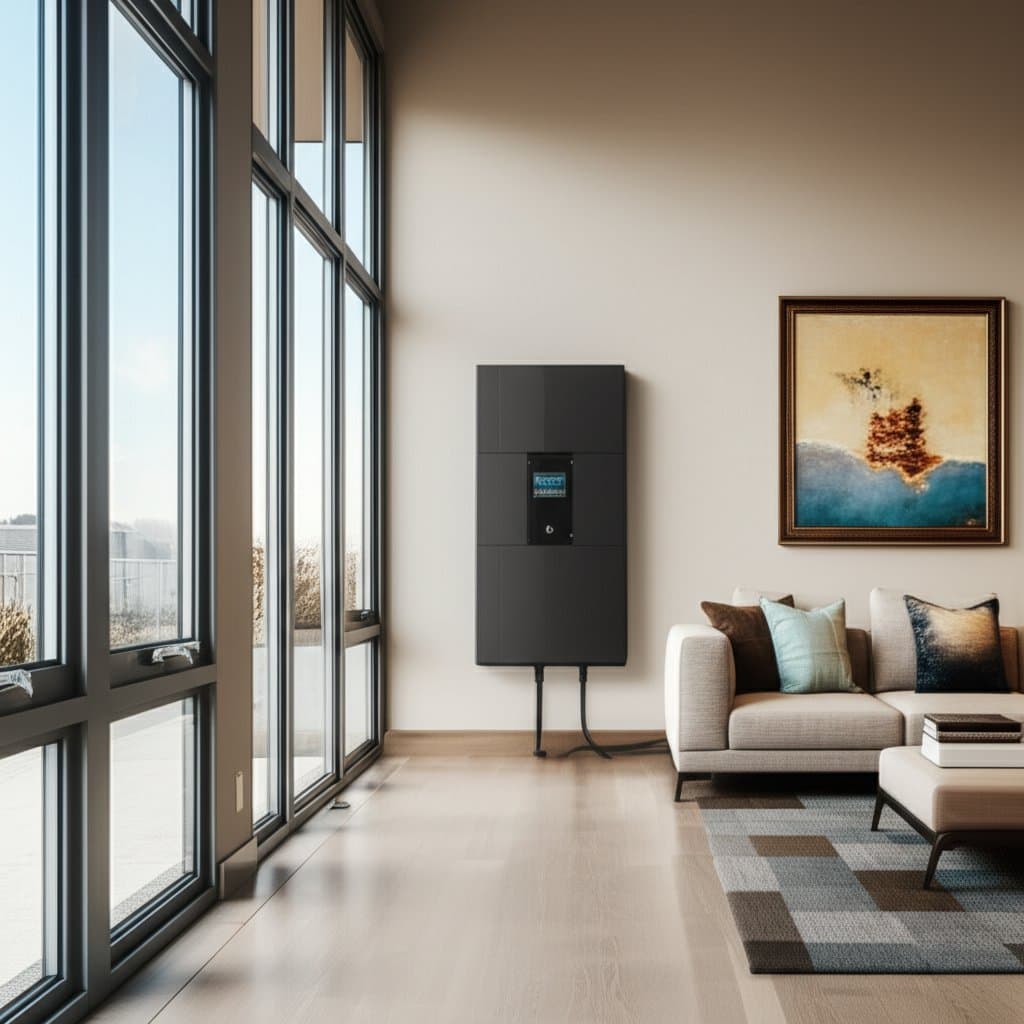
In 2025, home battery systems balance upfront costs with substantial long-term value, driven by a 30 percent price drop, federal incentives, and growing demand for reliable power and solar synergy.
In 2025, solar loans provide better long-term savings and ownership benefits than leases for most homeowners. Loans capture incentives and boost property value, while leases emphasize simplicity and no upfront costs. Choose based on your financial priorities and risk tolerance.