IRS Solar Credit Requires System Running Before Filing
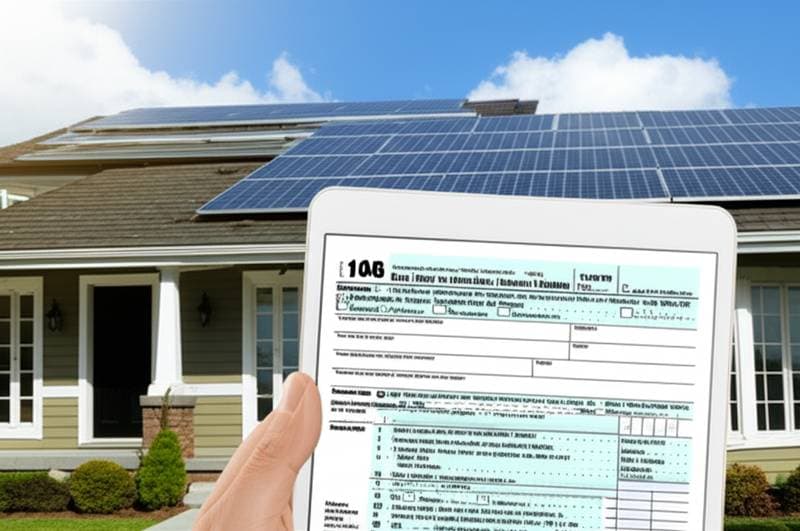
The IRS now requires solar systems to be fully operational before filing taxes to claim the Investment Tax Credit. This affects project timing for homeowners and commercial developers alike.
Loading...
Articles tagged with filing
The IRS now requires solar systems to be fully operational before filing taxes to claim the Investment Tax Credit. This affects project timing for homeowners and commercial developers alike.
The IRS solar tax credit approaches a critical phase-out in 2026. Homeowners and developers who initiate projects now secure higher incentives, sidestep installation delays, and capture substantial savings. Early planning aligns with IRS construction-start requirements, stabilizes costs, and positions projects for optimal financial outcomes before reductions apply.
The 2025 tax season demands precise timing and documentation to claim the federal solar Investment Tax Credit. Eligibility depends on construction start dates, safe harbor compliance, and installation milestones that preserve substantial savings. Initiate planning promptly, validate system ownership, and compile comprehensive records to realize the complete value of your solar investment.
Federal solar tax credit enhancements now include battery storage, offering 30% savings on installations. Homeowners and businesses can claim larger refunds via IRS Form 5695, reducing costs and promoting renewable energy adoption for financial and ecological gains.