Solar Tax Credit Drops to 26% in 2026: Act Now
The federal solar tax credit drops to 26 percent in 2026. Early planning secures higher incentives, avoids supply delays, and protects project economics for homeowners and businesses.
Loading...
The federal solar tax credit drops to 26 percent in 2026. Early planning secures higher incentives, avoids supply delays, and protects project economics for homeowners and businesses.
A new IRS rule makes the federal solar tax credit fully refundable, transforming solar financing for households, businesses, and nonprofits by turning credits into direct payments.
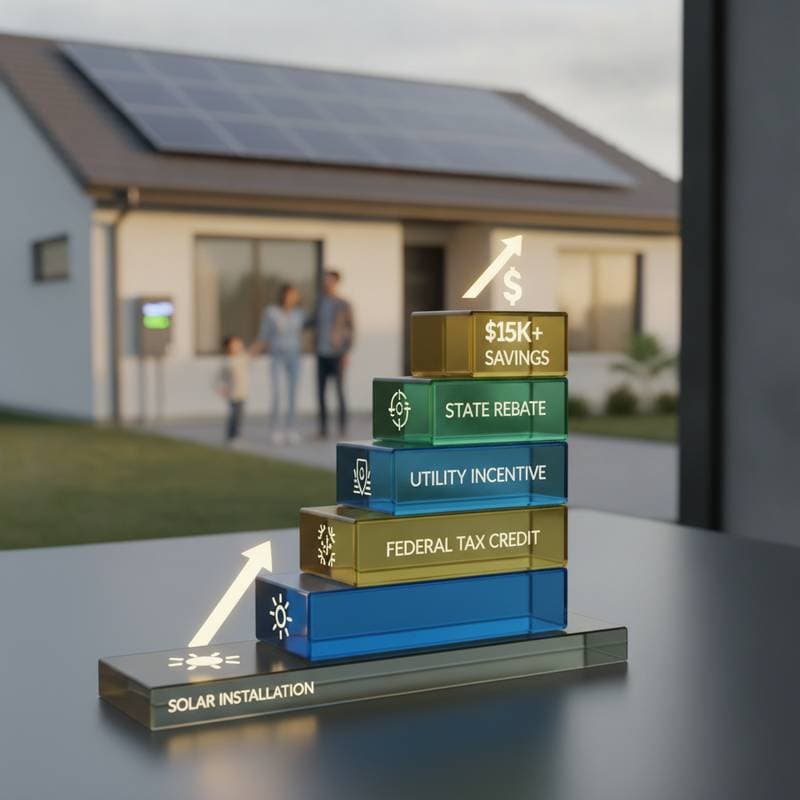
In 2026, mastering tax credit stacking could dramatically cut solar installation costs. By strategically combining federal, state, and utility incentives plus new energy storage credits, homeowners and businesses can unlock major savings. Timing, documentation, and expert coordination are key to maximizing benefits.
The Inflation Reduction Act extends the 30% federal solar Investment Tax Credit through 2035. This policy delivers long-term stability for homeowners, businesses, and utilities while boosting domestic manufacturing, supporting fair labor practices, and accelerating the clean energy transition.
The federal 30% solar investment tax credit, extended through 2032, reduces upfront costs for homeowners and businesses. It covers equipment, labor, and storage while pairing with local incentives for maximum savings.
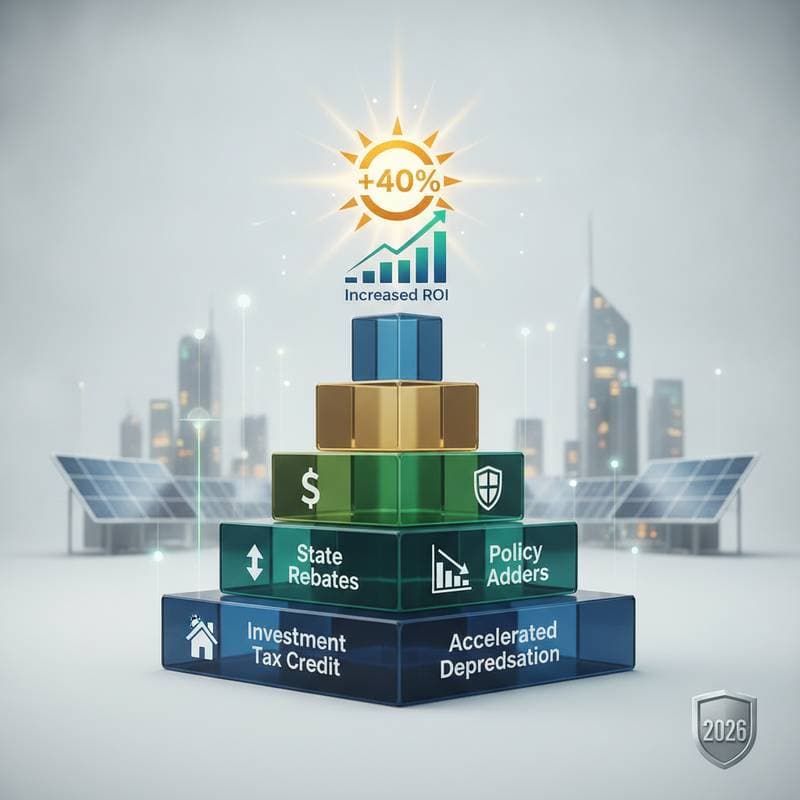
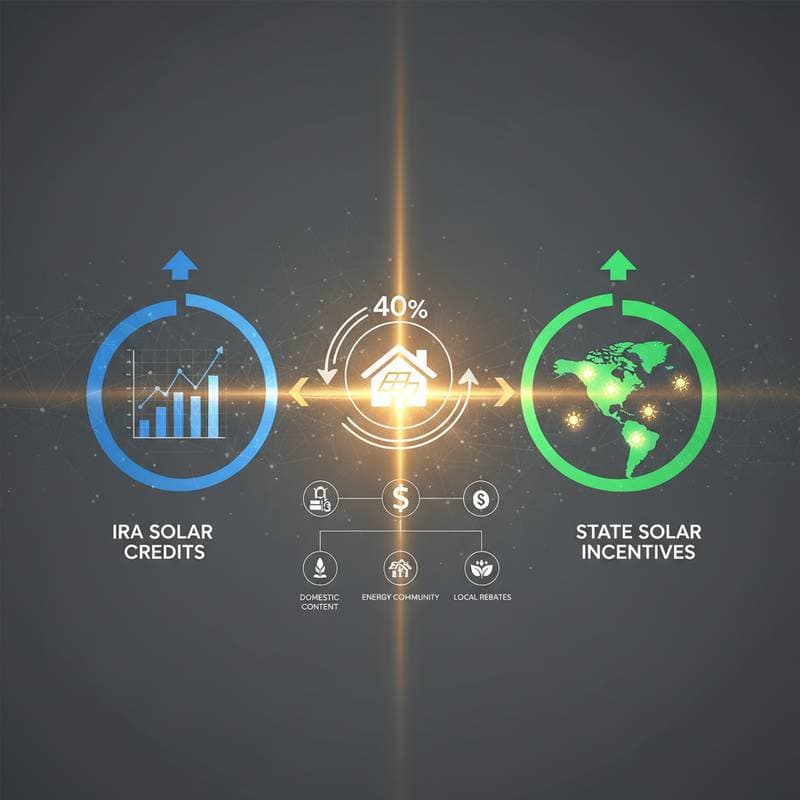
Combining federal Inflation Reduction Act credits with state solar incentives can cut project costs by over 40 percent, transforming solar economics. Developers leveraging domestic content, energy community, and local rebate programs unlock faster returns. Mastering compliant incentive stacking strategies ensures maximum savings, stronger investment appeal, and accelerated clean energy deployment nationwide.
Homeowners reduce solar installation expenses by layering federal credits with state rebates and Inflation Reduction Act programs. This guide outlines the correct order of applications, documentation requirements, and steps that protect total savings.
The Inflation Reduction Act allows stacking of the 30 percent Investment Tax Credit with domestic content, energy community, and low income adders plus state incentives. Homeowners and businesses can cut solar costs by half or greater through coordinated planning.
The Inflation Reduction Act elevates federal solar rebates by 40 percent, driving increased adoption among homes and businesses. Key updates include enhanced tax credits, domestic content bonuses, and broader financing access, transforming the solar industry. Though compliance demands grow, surging demand, U.S. manufacturing, and storage pairings fuel national clean energy acceleration.
Strategic stacking of Inflation Reduction Act credits enables homeowners and businesses to slash costs by 50% or more on solar, storage, and efficiency projects. This approach enhances returns, promotes sustainability, and simplifies access to comprehensive clean energy solutions through integrated incentives.
The 30% solar Investment Tax Credit from the Inflation Reduction Act fuels U.S. solar expansion, but its phase-down looms. Secure the full incentive by starting construction soon, affecting homeowners, businesses, and renewable planning.
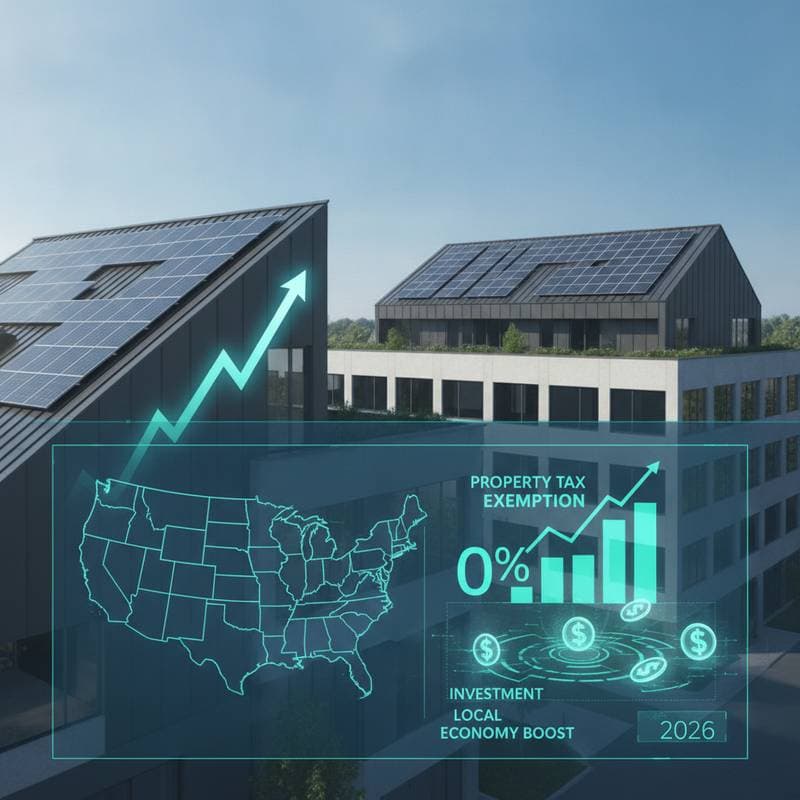
Starting in 2026, twelve states will exempt solar installations from property tax assessments, reducing costs for adopters and spurring investment in clean energy. These policies exclude solar value from taxable property totals, shortening payback times and enhancing market growth across the U.S.
The Inflation Reduction Act secures 30% solar tax credits through 2035, providing unmatched stability for developers, manufacturers, and investors. This policy drives domestic production, creates jobs, and supports multi-gigawatt solar expansion, solidifying solar power as a pillar of America's clean energy transition while transforming financing, supply chains, and project approaches across the nation.
Twelve U.S. states have broadened solar property tax exemptions, which lower expenses and improve returns for homeowners and businesses. These measures avoid tax hikes on solar enhancements, support reliable financing, and advance clean energy expansion. Discover how these exemptions deliver savings, simplify setups, and transform solar economics across the country.
The federal solar investment tax credit phases out after 2032, altering project economics and financing in the U.S. solar sector. Developers, manufacturers, and installers must act now to capture existing benefits, innovate for efficiency, and navigate a future reliant on cost reductions, local production, and policy evolution.
IRS guidance from the Inflation Reduction Act now permits stacking federal solar tax credits with state and utility incentives without credit reductions. This policy enables substantial savings, reactivates delayed projects, and extends solar access to nonprofits and schools, promoting a unified and accessible clean energy future.
The 2026 property tax exemption for solar systems removes added assessments on installations, improving financial outcomes for residential, commercial, and industrial properties. This policy eases adoption barriers, supports project financing, and advances renewable energy goals. Understand its impact on costs, compliance, and market growth.
In 2026, fifteen states implement new property tax exemptions for solar systems, marking a pivotal advancement in clean energy policy. These incentives eliminate tax increases from solar installations, incorporate battery storage options, enhance investor appeal, and promote economic growth through job creation and energy independence.
The federal solar Investment Tax Credit faces a 4% reduction in 2026 as part of the Inflation Reduction Act's phase-down. This adjustment influences residential and commercial solar projects, prompting accelerated installations to lock in current incentives before changes alter financing and economics.
IRA updates effective 2026 lift solar rebates to 42 percent, emphasizing domestic production and energy communities. These incentives shorten paybacks, fortify supply chains, and spur investments in residential and large-scale solar, with simplified processes for broader access.