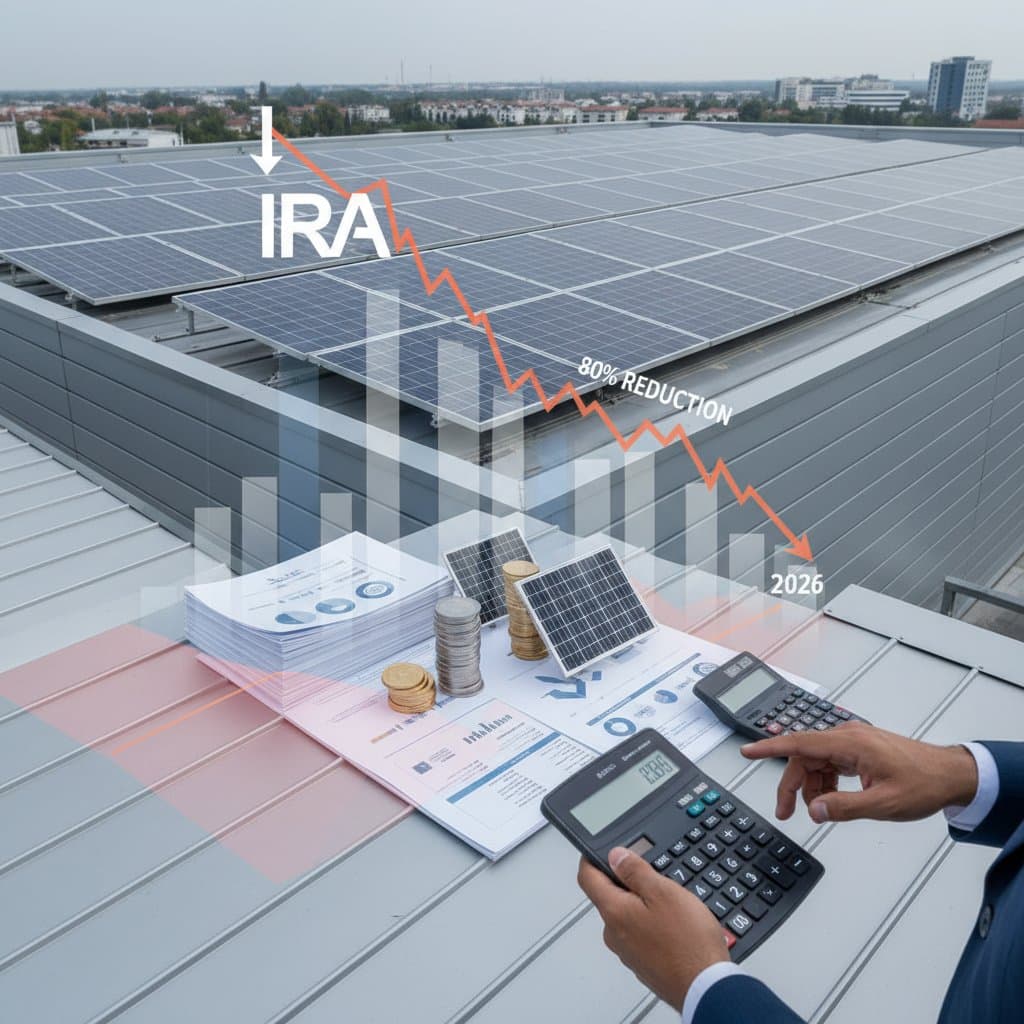
IRA Cuts Solar Depreciation 80% by 2026
New IRS rules under the Inflation Reduction Act phase out accelerated solar depreciation by 2026. Developers face tighter margins yet can use timing, cost segregation, and new credits to stay competitive.
Loading...
Articles tagged with commercial
New IRS rules under the Inflation Reduction Act phase out accelerated solar depreciation by 2026. Developers face tighter margins yet can use timing, cost segregation, and new credits to stay competitive.
The 2026 tax adjustments will transform commercial solar depreciation strategies. As bonus depreciation phases out, focus on project timing, cost segregation, and financing tweaks to capture optimal deductions, enhance cash flow, and sustain strong returns amid shifting renewable incentives.
The IRS introduces major solar depreciation revisions in 2026, altering classifications, bonus rules, and timelines. These shifts demand proactive adjustments in project planning, financing, and compliance to sustain solar sector growth.
The 2026 IRS rule narrows the depreciable basis for solar assets, adjusting MACRS calculations and reducing tax benefits. This shift influences project valuations, financing, and cash flows, urging developers to update cost models and procurement approaches in commercial and utility markets.
The IRS plans significant updates to solar depreciation rules effective 2026, which will alter return calculations for commercial investors. These revisions redefine recovery periods, influence tax incentives, and require developers to adjust financing approaches. Proactive planning ensures compliance and maximizes benefits in this evolving landscape.
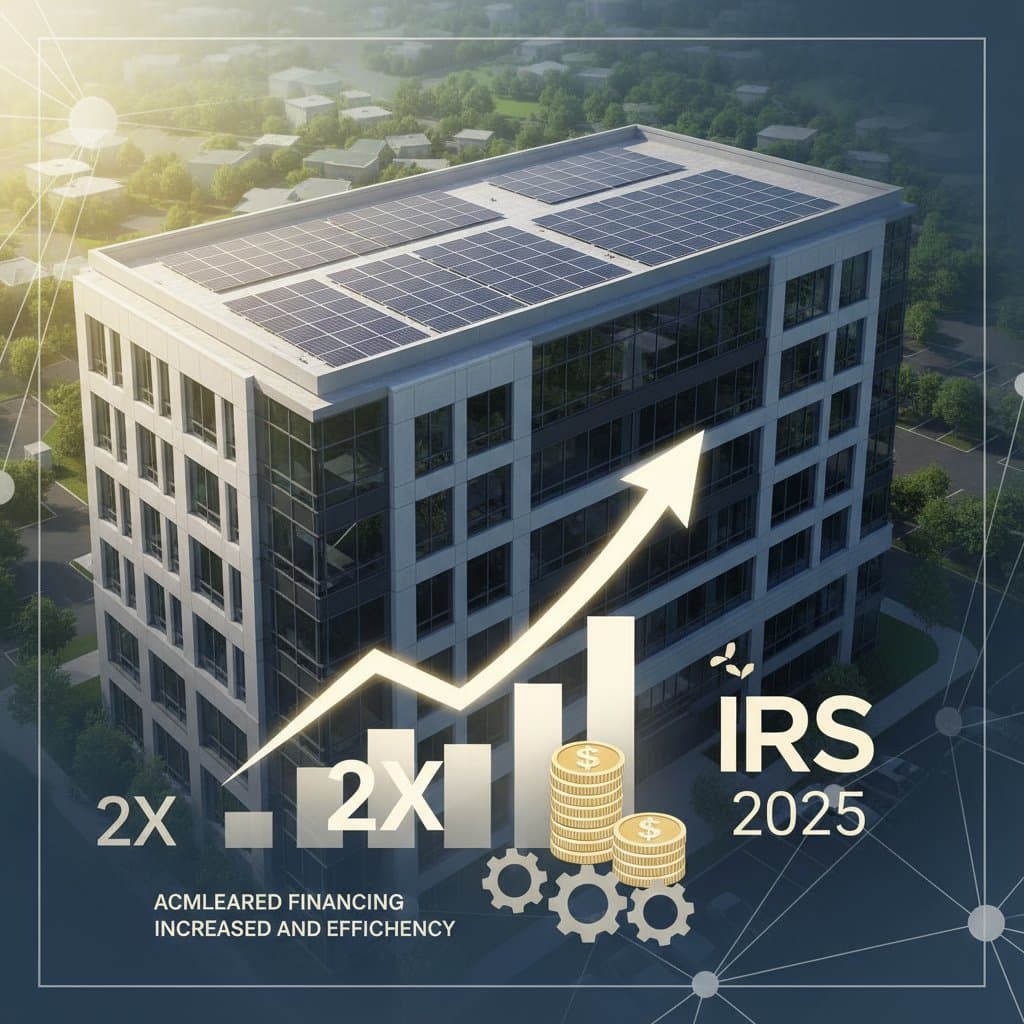
The latest IRS rule doubles depreciation for commercial solar systems, enabling quicker cost recovery and superior financial returns. This MACRS enhancement improves cash flow, eases financing, and drives broader adoption among developers, installers, and owners in key sectors.
The 30C tax credit bridges commercial and residential solar markets by subsidizing integrated systems with EV charging and storage. This policy lowers barriers, spurs equipment innovations, and delivers strong returns for homeowners and installers alike.