DIY Solar

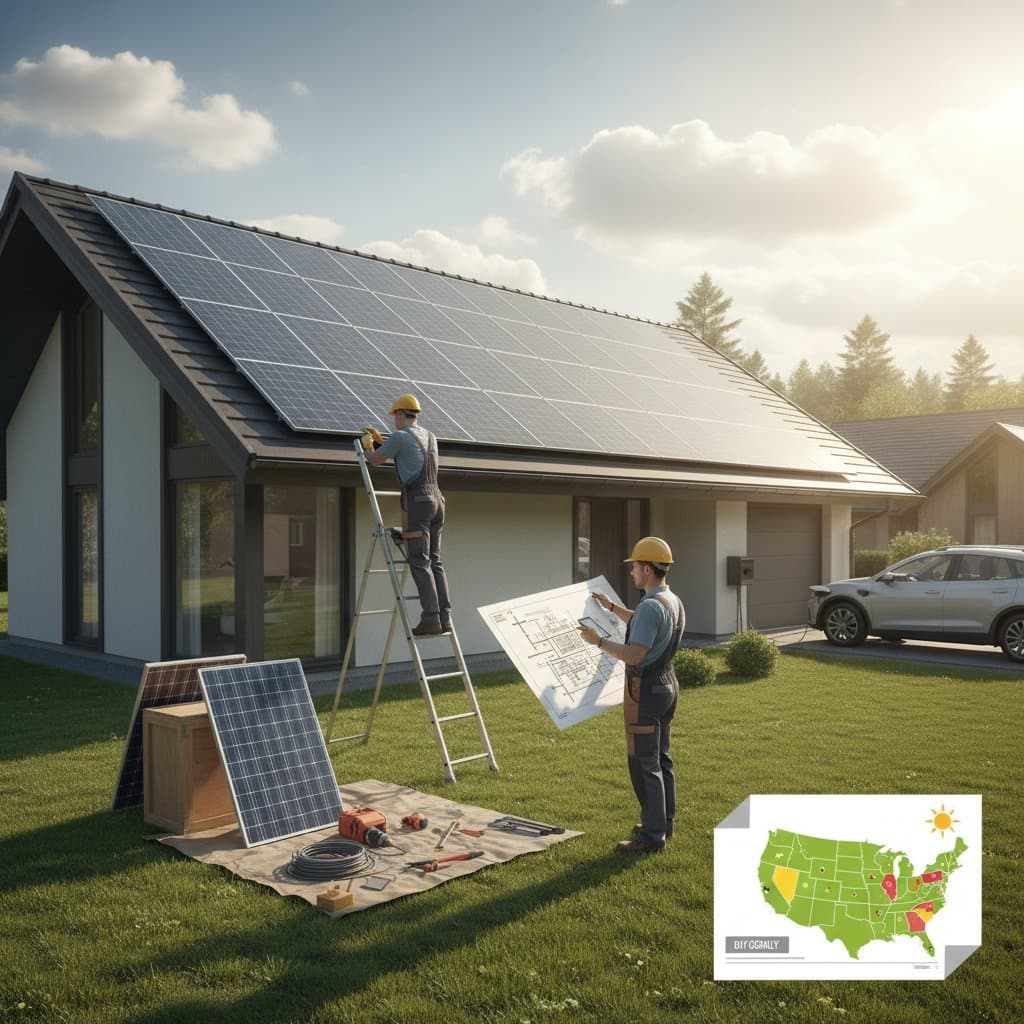
Featured image for 12 States Drop Solar Permits, Save Homeowners $2,000

12 States Drop Solar Permits, Save Homeowners $2,000

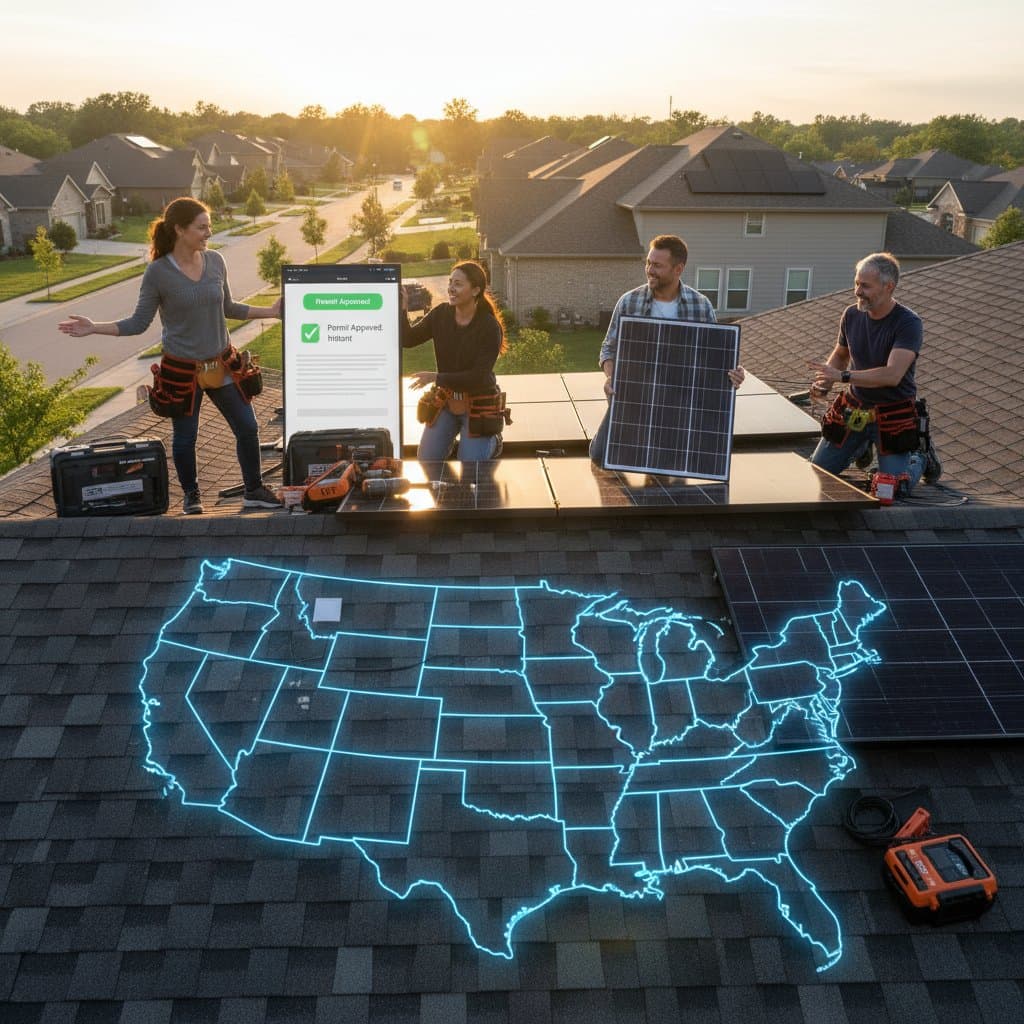
From 2026, twelve U.S. states remove residential solar permits, slashing expenses, timelines, and bureaucracy for homeowners. This shift promotes DIY projects, transforms installer operations, and drives national clean energy growth, while upholding safety through uniform standards and utility checks.

5 min read
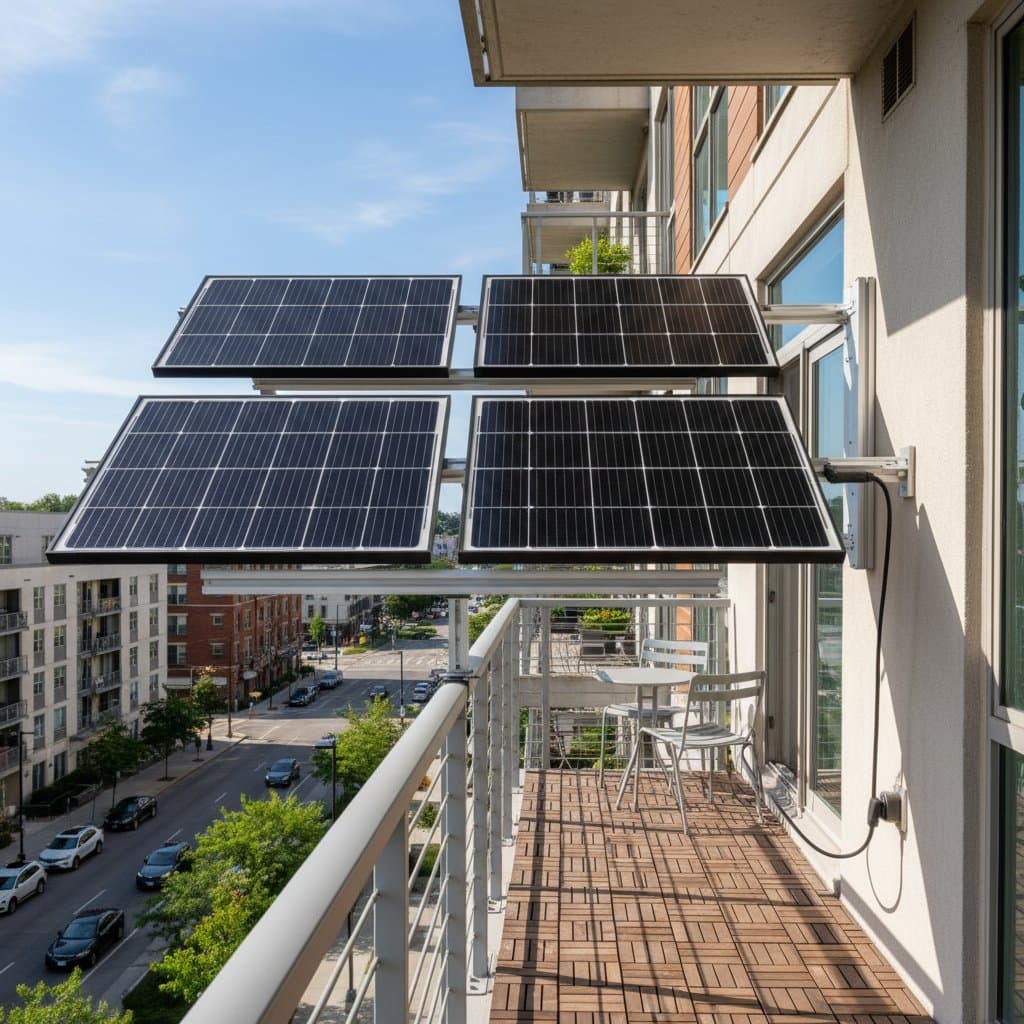
Featured image for Plug-and-Play Solar Kits Legal Status by State

Plug-and-Play Solar Kits Legal Status by State

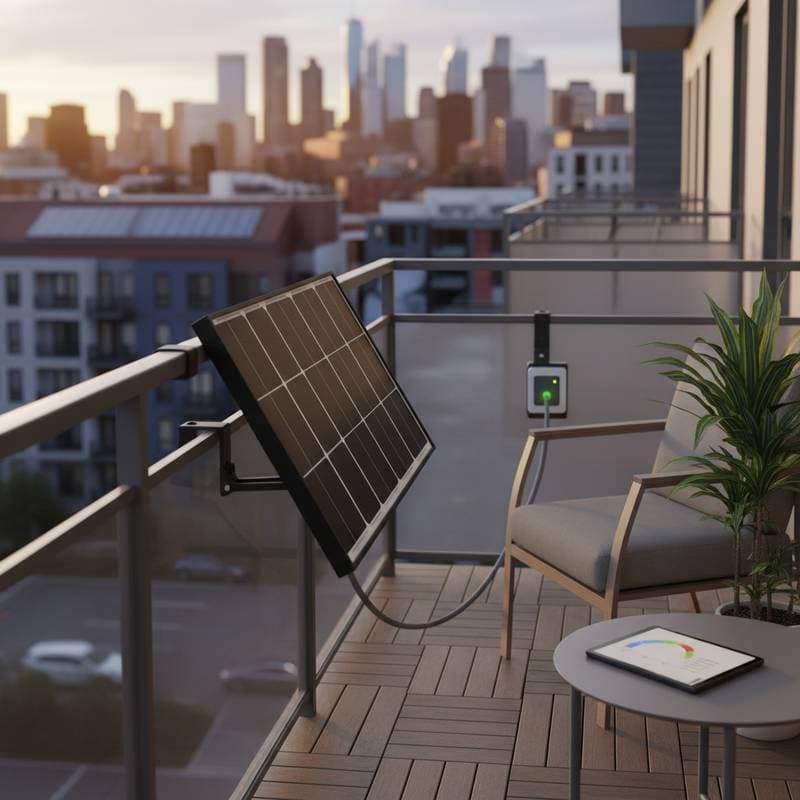
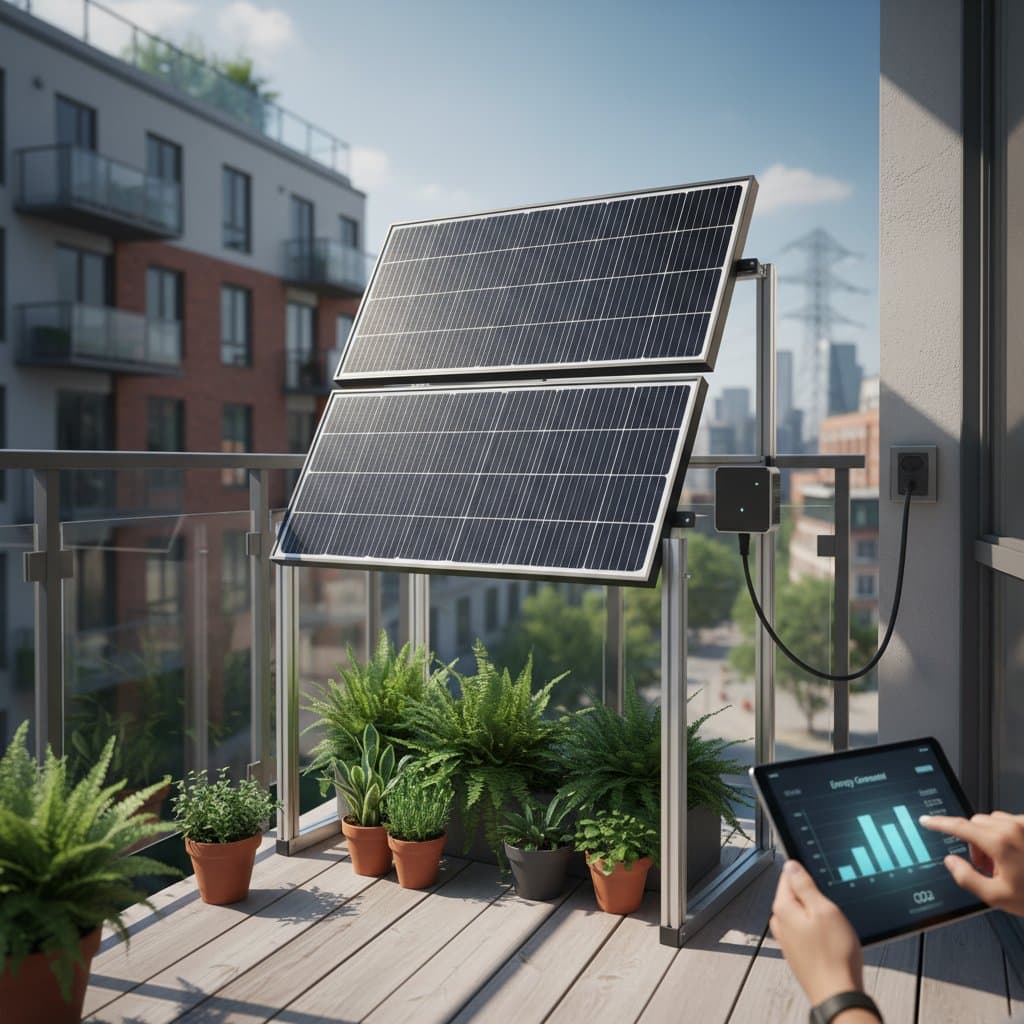
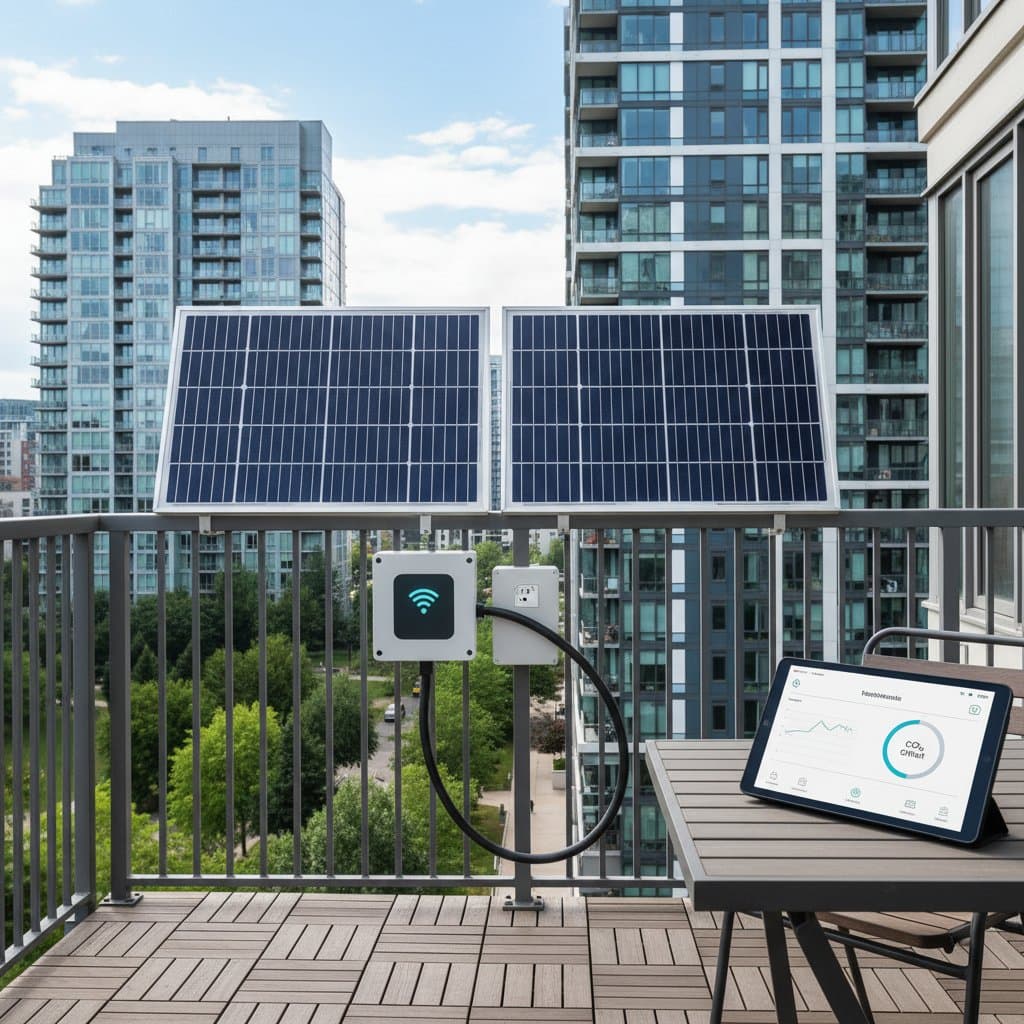
Plug-and-play solar kits enable renters to generate clean energy from balconies or patios, yet their legality differs across U.S. states. Inconsistent electrical codes, safety concerns, and utility policies generate uncertainty. As regulations evolve, these compact systems hold potential to expand solar access for apartment residents nationwide.

5 min read
Featured image for New UL Standards Now Require Locking Connectors for DIY Solar

New UL Standards Now Require Locking Connectors for DIY Solar

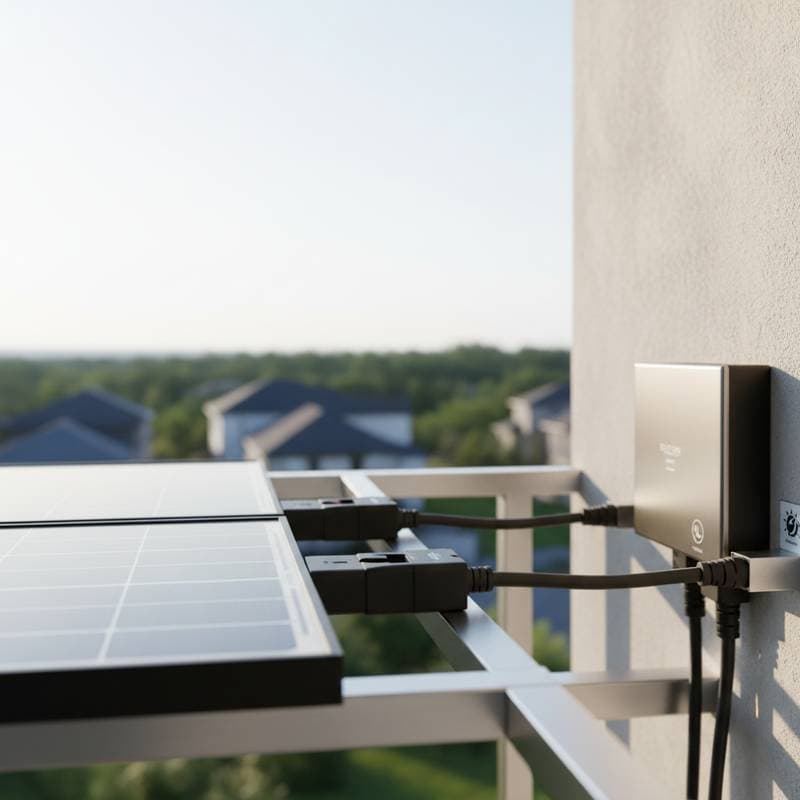
UL's updated safety standards transform DIY solar kits by requiring certified locking connectors, UL 1741 inverters, and precise labeling to eliminate shocks and fires. These rules address compliance issues, challenge importers, and enhance trust in plug-and-play systems for reliable home energy nationwide.

5 min read
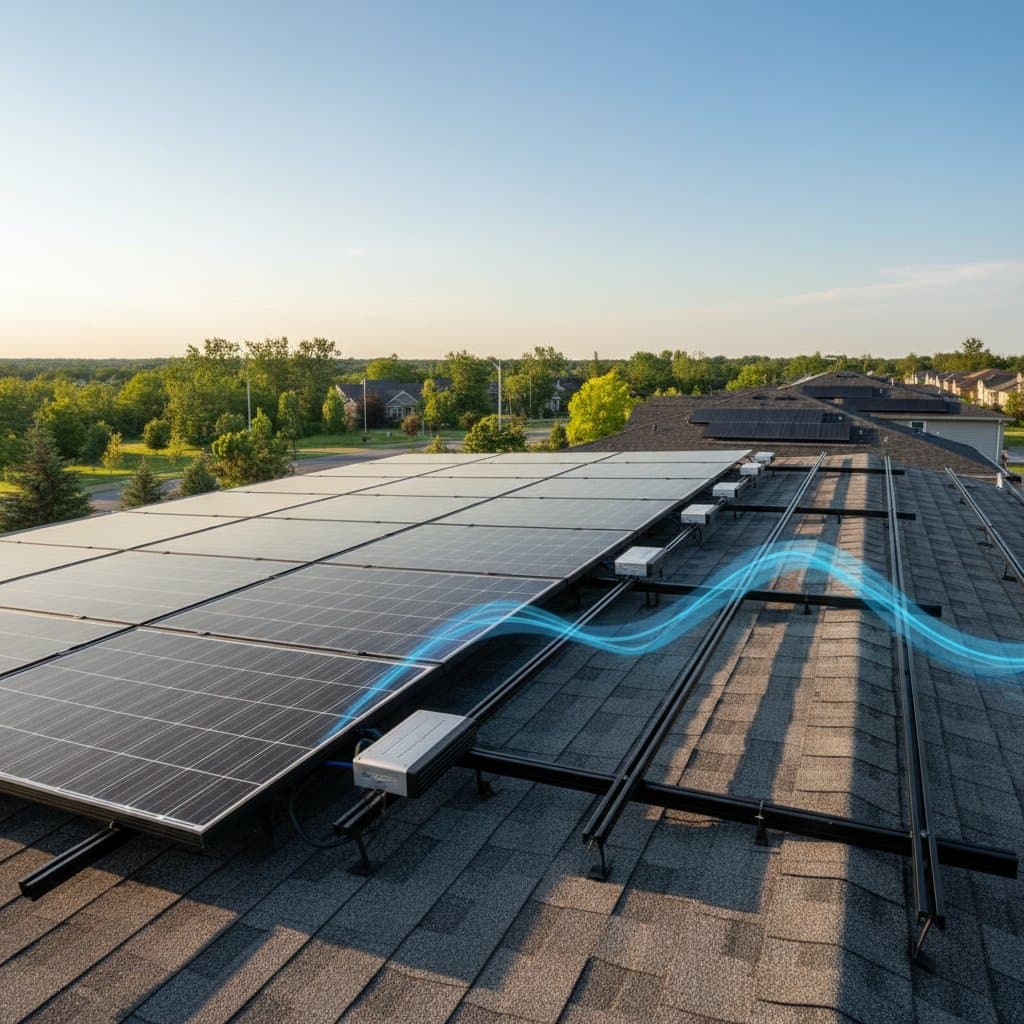
Featured image for Why Professional Installers Choose Microinverters Over Optimizers

Why Professional Installers Choose Microinverters Over Optimizers

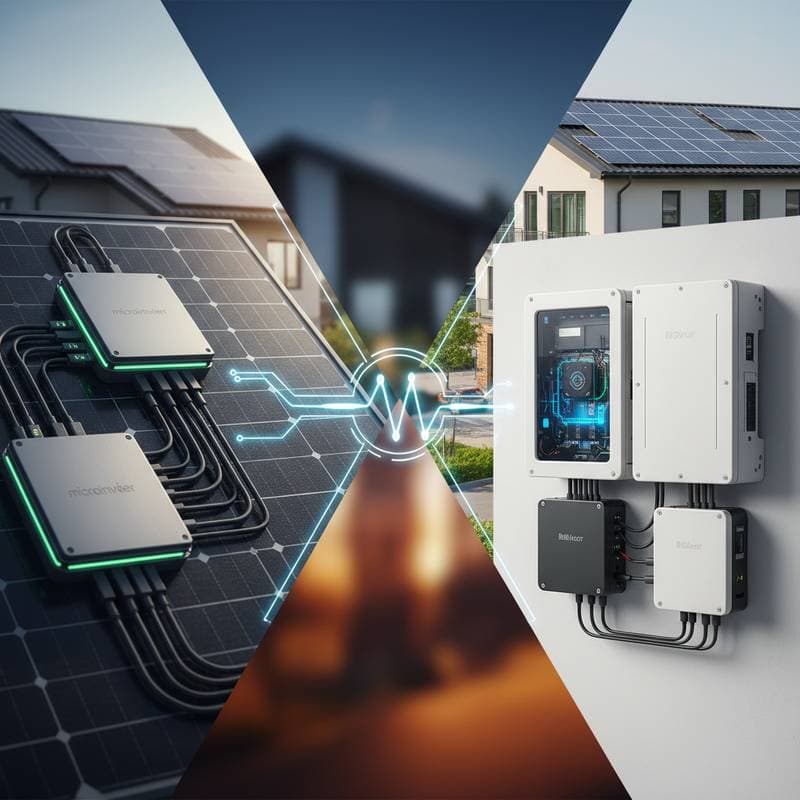
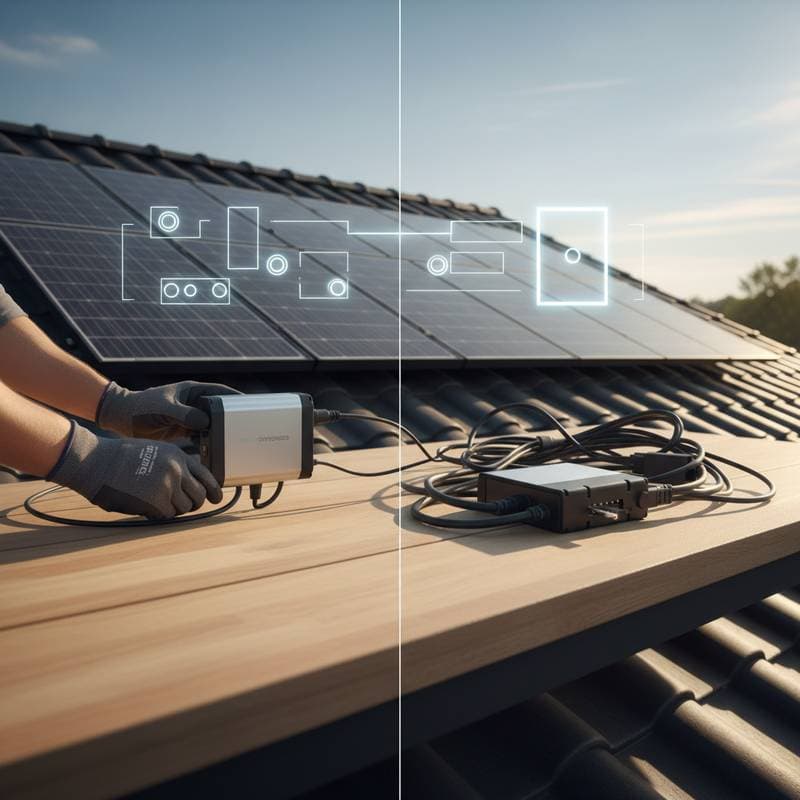
Professional solar installers prefer microinverters over DC optimizers due to their simplicity, enhanced safety, and superior reliability. These devices convert power directly at each panel, minimizing wiring complexity, enabling precise monitoring, and easing maintenance tasks. For DIY enthusiasts, microinverters provide straightforward installation, reduced risks, and enduring value, positioning them as the optimal selection for flexible residential solar installations.

5 min read
Featured image for Inverter Costs Now Shape Solar System Margins in 2026

Inverter Costs Now Shape Solar System Margins in 2026

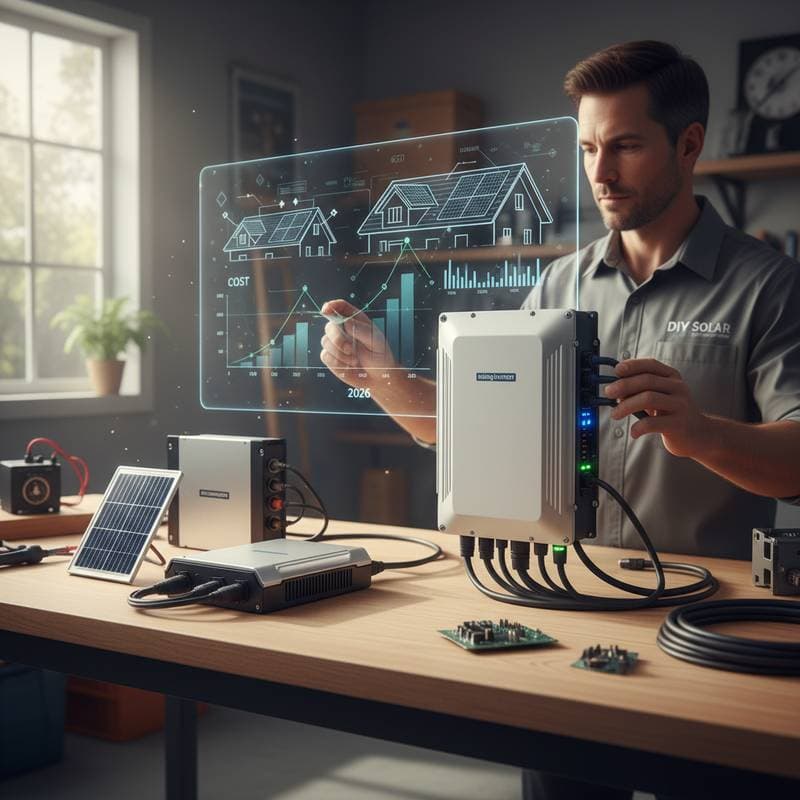
United States solar installers prepare for the 2026 inverter competition, where microinverters challenge string inverters on cost, efficiency, and policy benefits. Price differences narrow as performance advantages depend on specific conditions, requiring system designers to evaluate initial expenses, long-term energy production, and domestic manufacturing perks to enhance project returns.

5 min read
Featured image for Aluminum Wire Cuts Solar Costs 30-50% With Right Connectors

Aluminum Wire Cuts Solar Costs 30-50% With Right Connectors

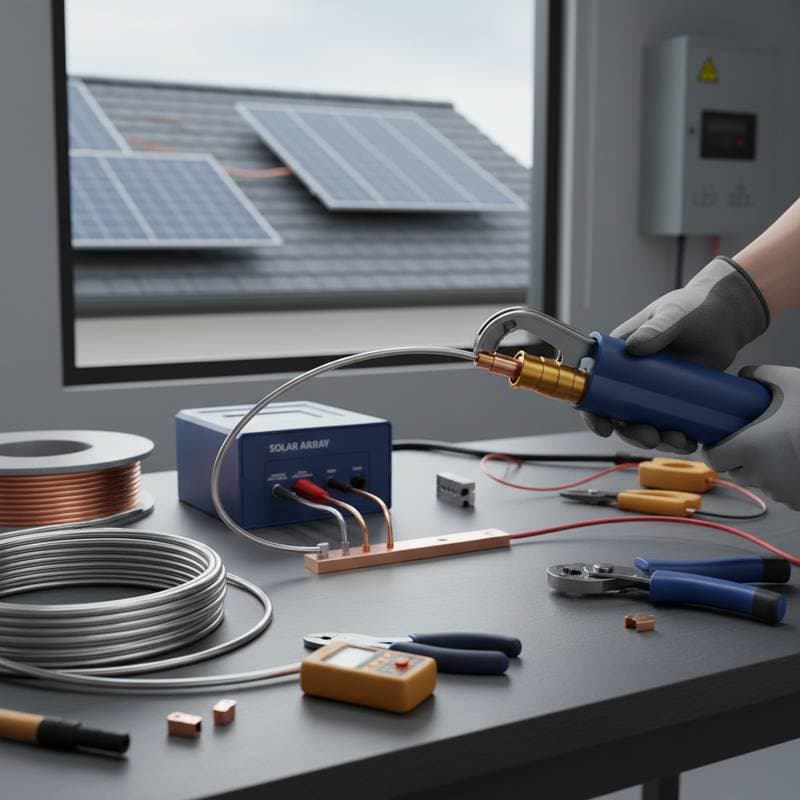
Selecting aluminum or copper wiring for a DIY solar setup influences cost, safety, and efficiency significantly. Aluminum provides substantial savings and easier handling, whereas copper delivers superior durability. Experienced installers frequently combine the two, employing copper for brief segments and aluminum for extended distances to optimize budget, performance, and connection integrity.

3 min read
Featured image for The $6K Solar Kit That Needs No Electrician

The $6K Solar Kit That Needs No Electrician

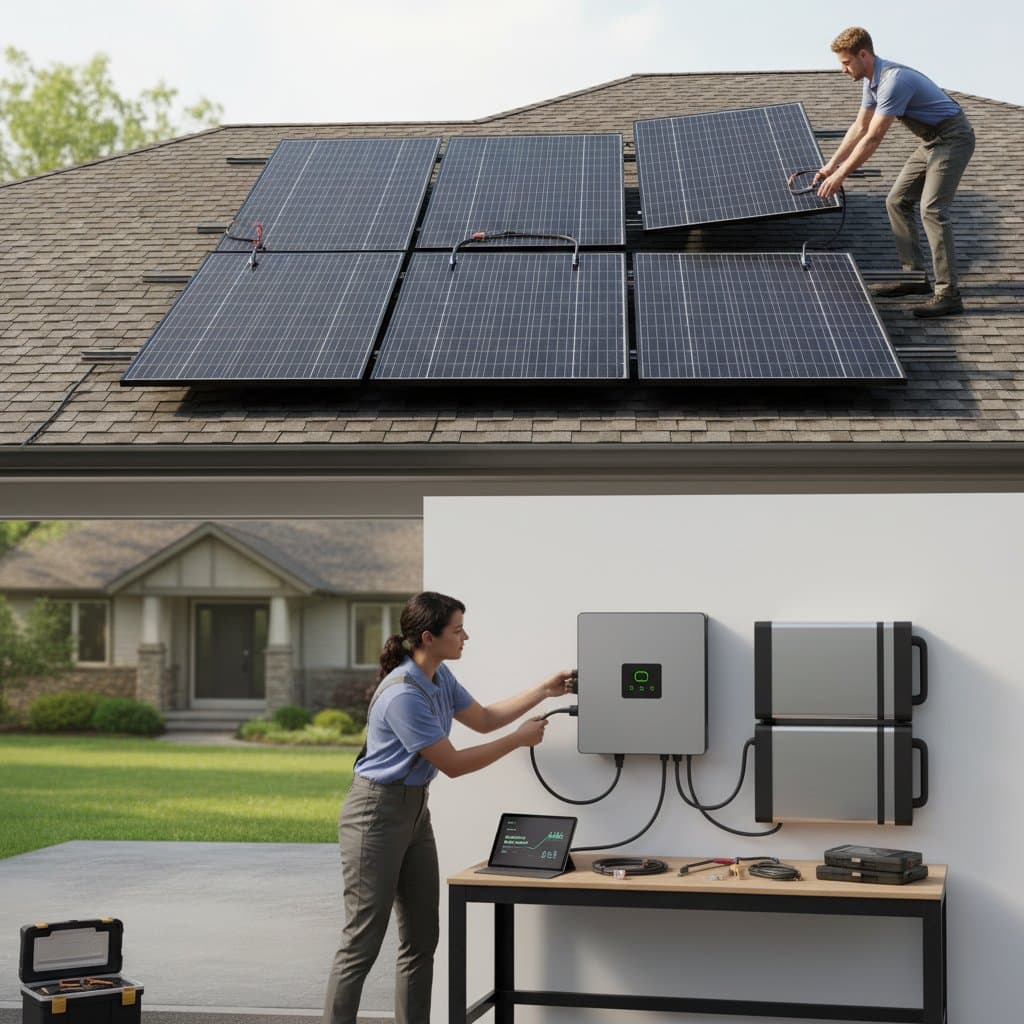
This $6,000 plug-and-play solar kit revolutionizes DIY energy independence through pre-wired components, straightforward assembly, and expandable design. It includes six panels, a hybrid inverter, and a backup battery to provide substantial savings without permits or professional help. Affordable and adaptable, the kit represents a significant advancement for homeowners pursuing clean, self-reliant power.

4 min read
Featured image for States That Let Homeowners Pull Solar Permits Themselves

States That Let Homeowners Pull Solar Permits Themselves

In states such as California, Arizona, and Florida, homeowners may install solar systems themselves under specific permits, whereas New York and Massachusetts mandate licensed professionals. Knowledge of local codes, utility guidelines, and tools like SolarAPP+ enables DIY enthusiasts to manage regulations effectively, sidestep delays, and achieve secure, code-compliant setups.

4 min read
Featured image for States Where DIY Solar Hits Permitting Roadblocks

States Where DIY Solar Hits Permitting Roadblocks

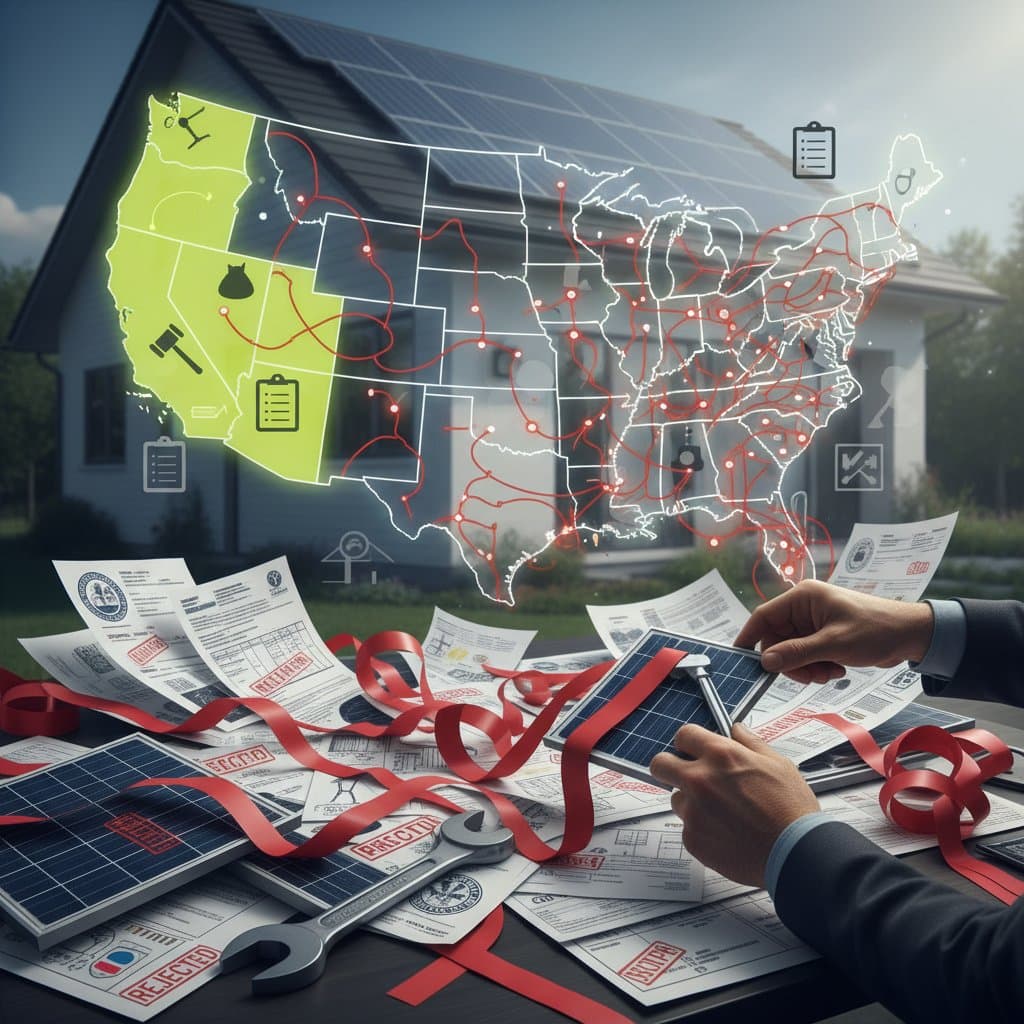
Homeowners across the U.S. encounter varied challenges when installing DIY solar systems, from streamlined approvals in some areas to lengthy bureaucratic delays in others. These permitting hurdles affect project timelines and costs, highlighting the need for clearer national standards to boost solar adoption.

5 min read
Featured image for When Ground-Mount Solar Beats Your Roof by 15%

When Ground-Mount Solar Beats Your Roof by 15%

Ground-mount solar provides unmatched flexibility, efficiency, and expansion potential compared to rooftop systems. Optimal tilt adjustments, simplified maintenance, and space for growth enable superior energy yields and durability. For sites with open land, strategic ground placement yields more sustainable and cost-effective solar solutions.

4 min read
Featured image for DIY Solar Mistakes That Kill Your Permit Application

DIY Solar Mistakes That Kill Your Permit Application

DIY solar initiatives frequently encounter permit obstacles from structural oversights, inadequate records, and regulatory breaches. Issues like flawed roof assessments, uncertified gear, and vague wiring plans trigger expensive setbacks. Grasping essential structural, electrical, and fire regulations from the start promotes efficient reviews and quicker solar deployment.

4 min read
Featured image for Why DIY Solar Permits Get Rejected: The Wiring Diagram

Why DIY Solar Permits Get Rejected: The Wiring Diagram

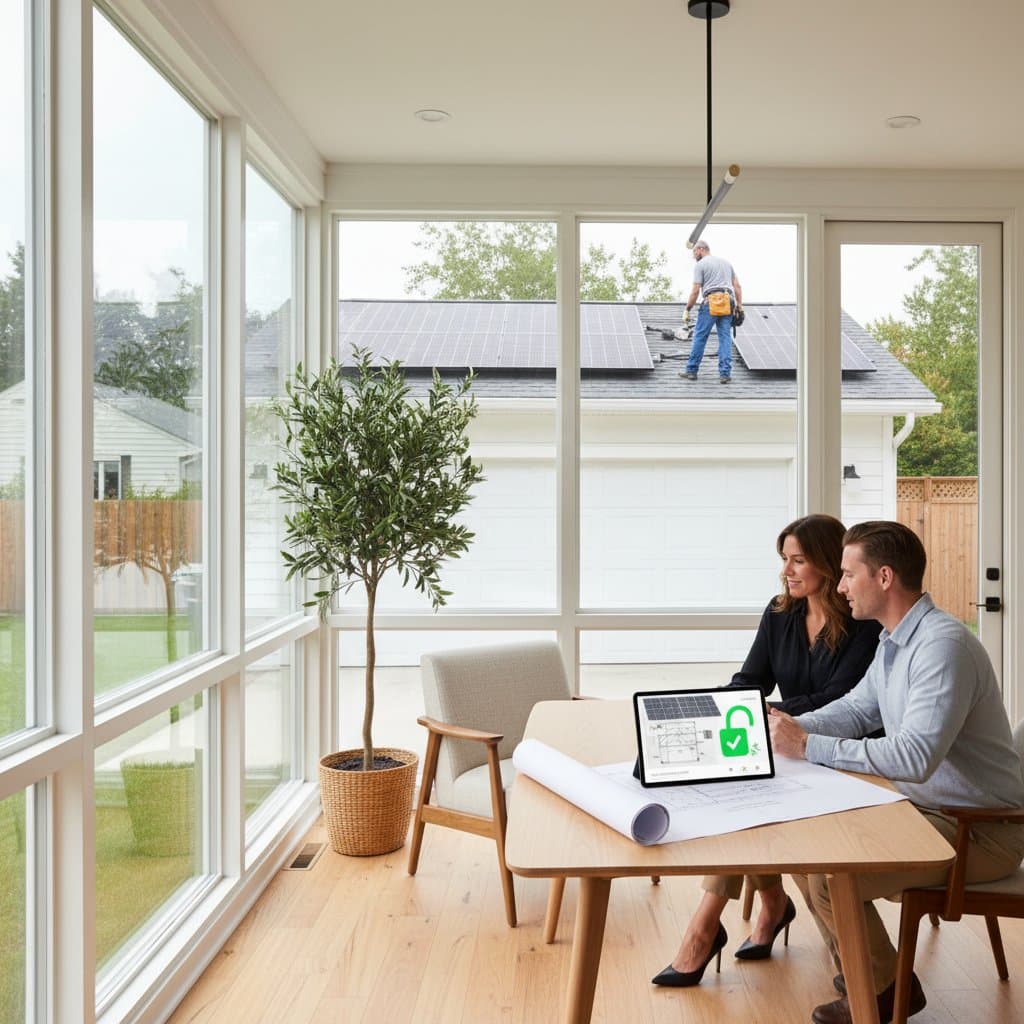
DIY solar permits often face rejection due to flawed electrical diagrams, overlooked roof loads, absent grounding specs, imprecise site plans, and neglected local codes. Master these key issues to secure approval on the first submission, saving time and avoiding expensive setbacks.

4 min read
Featured image for Why DIY Microinverters Outshine String Systems

Why DIY Microinverters Outshine String Systems

Homeowners embracing DIY solar installations increasingly favor microinverters for their enhanced safety, streamlined setup, and superior efficiency. These devices convert power directly at each panel, avoiding high-voltage DC risks, maximizing output, and enabling easy expansions. With intuitive monitoring, extended warranties, and adaptable designs, microinverters provide dependable performance that exceeds traditional string inverter setups.

4 min read
Featured image for Best 3000W Solar Generators Tested Off-Grid

Best 3000W Solar Generators Tested Off-Grid

Off-grid power solutions in the 3000W range offer freedom for camping, RVs, and remote work. Real-world tests crown the EcoFlow Delta Pro for top performance, Bluetti AC300 for value, and Jackery Explorer 3000 Pro for portability. Discover how these generators balance capacity, efficiency, and ease for sustainable energy independence.

5 min read
Featured image for 5 DIY Solar Permit Mistakes That Block Approval

5 DIY Solar Permit Mistakes That Block Approval

DIY solar installations frequently encounter permit hurdles from minor oversights like generic plans, ignored fire rules, incomplete wiring details, faulty load assessments, and premature city submissions. Understand these five key errors and implement targeted solutions to expedite approvals and launch your system without frustration.

4 min read
Featured image for Permit Exemptions That Simplify DIY Solar Installs

Permit Exemptions That Simplify DIY Solar Installs

A DIY ground mount solar system offers design flexibility and energy savings without roof constraints. This guide details permit exemptions, zoning considerations, and approval shortcuts that enable homeowners to navigate regulations efficiently, sidestep pitfalls, and complete safe, compliant projects.

4 min read