
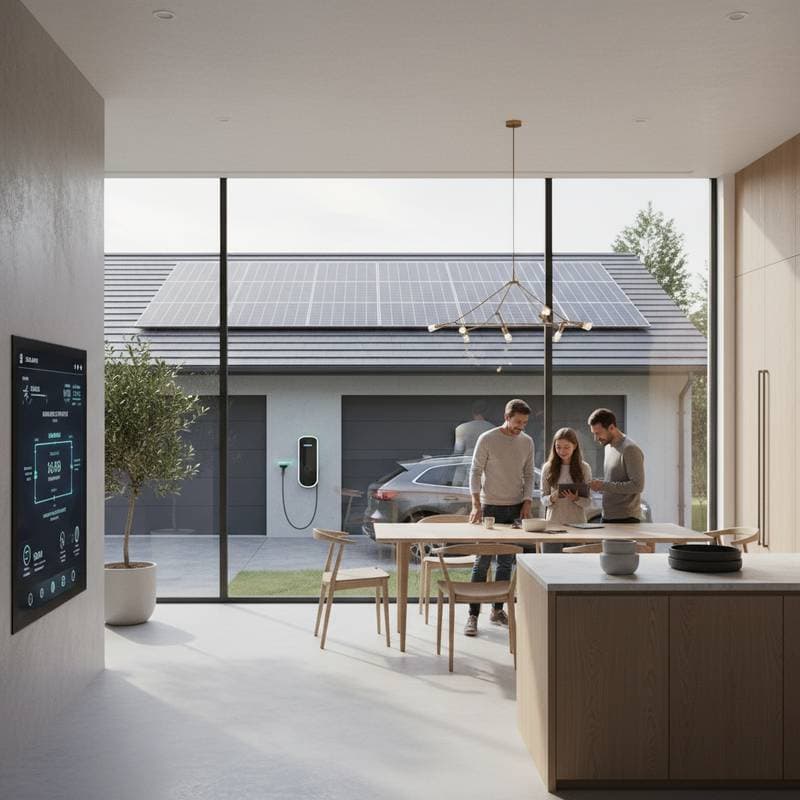
Adaptations in Equipment for Home Use
Manufacturers are scaling commercial-grade technology for residential applications to align with 30C requirements. Modular mounting systems now fit rooftops or garages, supporting solar arrays that feed EV chargers. Inverters designed for bidirectional power flow manage energy between the grid, home, and vehicle seamlessly.
Suppliers offer kits that simplify installation, reducing time and complexity. For instance, pre-configured solar-plus-charger bundles ensure compatibility and compliance. These adaptations lower overall project costs by 15 to 20 percent through shared supply chains.
Policy Framework and Complementary Incentives
The 30C credit works alongside Section 25D for residential solar and Section 48 for broader investments. Together, they cover generation, storage, and charging in one project. Lawmakers designed this flexibility to promote unified energy planning across property types.
Regulatory guidance emphasizes functional eligibility over strict commercial limits. Home systems that support EV refueling qualify if they include renewable integration. This approach fosters market cohesion, with installers applying uniform standards to diverse installations.
Financing Options Enhanced by the Credit
Lenders incorporate the 30C credit into loan terms, offering reduced rates for qualified projects. Residential solar loans now bundle charging equipment, spreading costs over longer periods. This structure improves cash flow and accelerates payback, often within five to seven years.
For example, a financing firm might approve a $25,000 hybrid system at 3 percent interest, factoring in the credit as immediate equity. Borrowers benefit from simplified applications that treat solar and EV components as a single asset. Explore power purchase agreements if upfront capital is limited.
Emerging Installation Practices
Contractors are training teams to handle integrated systems, blending residential and commercial techniques. Unified wiring standards and monitoring tools streamline setups. Certifications from bodies like the National Renewable Energy Laboratory ensure crews meet credit documentation needs.
Focus on energy management: Install bidirectional chargers that allow vehicles to supply power back to the home during outages. These features enhance system reliability and qualify for full credit amounts. Regional training programs emphasize these skills to meet rising demand.
Smart Technology for Integrated Systems
Home energy platforms now integrate solar, storage, and EV charging via user-friendly apps. Protocols from commercial origins enable real-time control and optimization. Users can schedule charging during peak solar production to minimize grid reliance.
Hybrid inverters handle multiple inputs, supporting off-grid modes for resilience. As utilities introduce demand response incentives, these systems generate additional savings by shifting loads. Select equipment with open APIs for future upgrades.
Regional Variations in Adoption
High-EV states like California and Colorado lead in 30C-qualified installations due to supportive policies and infrastructure. Utilities there offer rebates for solar-powered charging, amplifying federal credits. In slower-adopting areas, focus on basic Level 2 setups to build momentum.
Monitor local interconnection rules, as they affect system design. States with net metering policies see faster ROI for combined solar-EV projects. Nationwide, supply chain improvements are equalizing access over time.
Build Sustainable Energy Infrastructure
The 30C credit positions homeowners to create resilient, cost-effective energy setups. By integrating solar with EV charging, users reduce dependence on fossil fuels and stabilize expenses. Installers gain from expanded markets, while manufacturers innovate for broader compatibility.
Plan your project by assessing energy needs, selecting certified partners, and modeling financial returns. This incentive drives a connected energy future, where homes contribute to grid stability. Seize the opportunity to invest in systems that deliver lasting value.