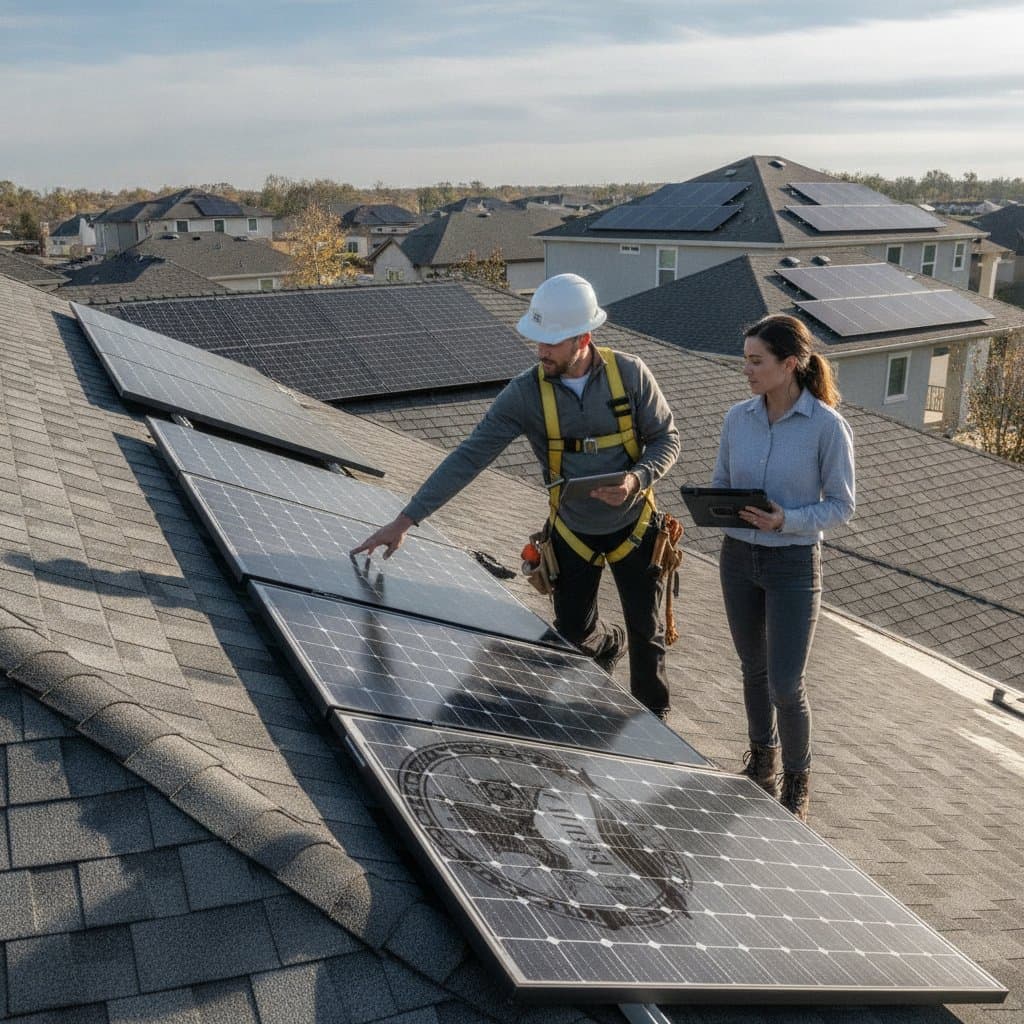
IRS Now Ties Solar Tax Credits to Roof Condition
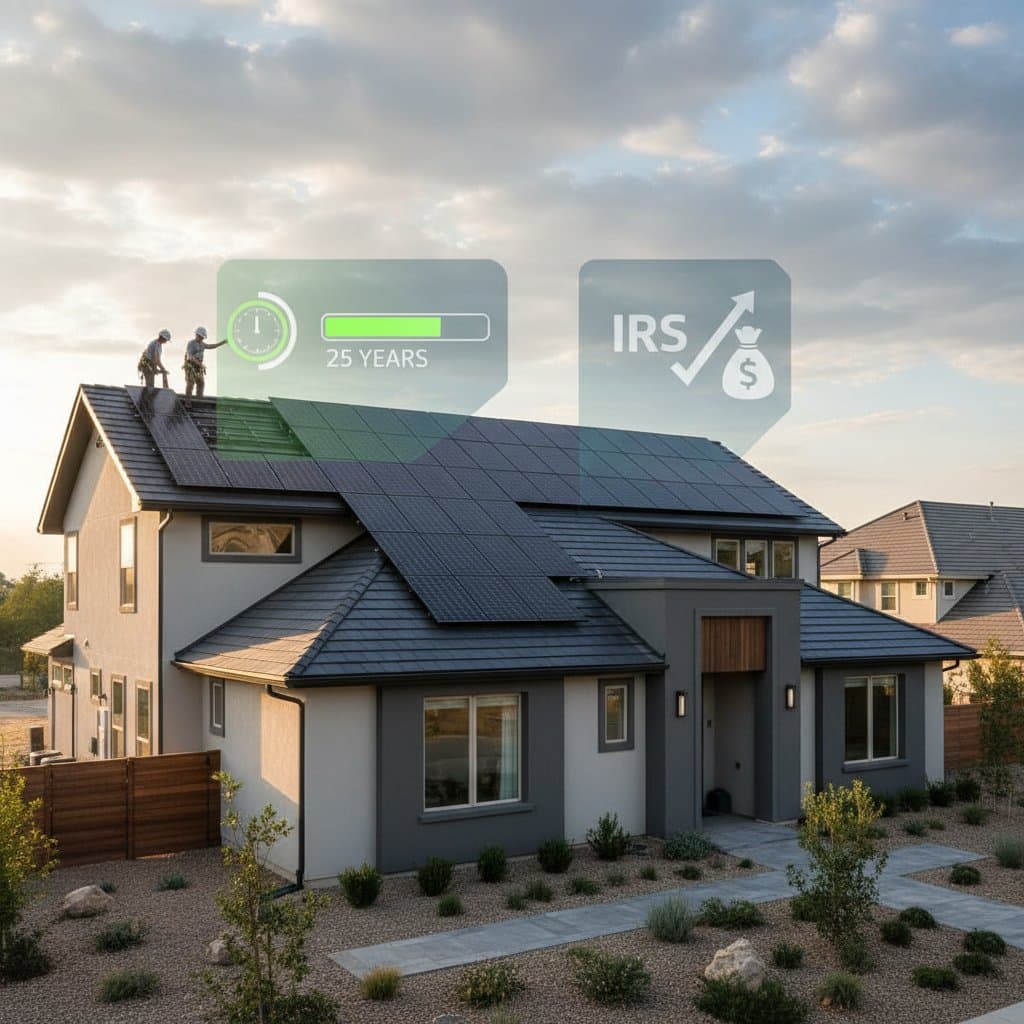
The IRS now requires roof verification for solar tax credit claims. Homeowners and installers must document structural suitability, affecting project timelines and eligible expenses.
Loading...
Articles tagged with Compliance
The IRS now requires roof verification for solar tax credit claims. Homeowners and installers must document structural suitability, affecting project timelines and eligible expenses.
From 2026 onward, the IRS mandates that rooftop solar systems align with the roof's expected lifespan to qualify for tax credits. This policy promotes durability, alters installation approaches, potentially increases costs, and fosters advancements in solar-roof integration for sustained renewable energy performance.
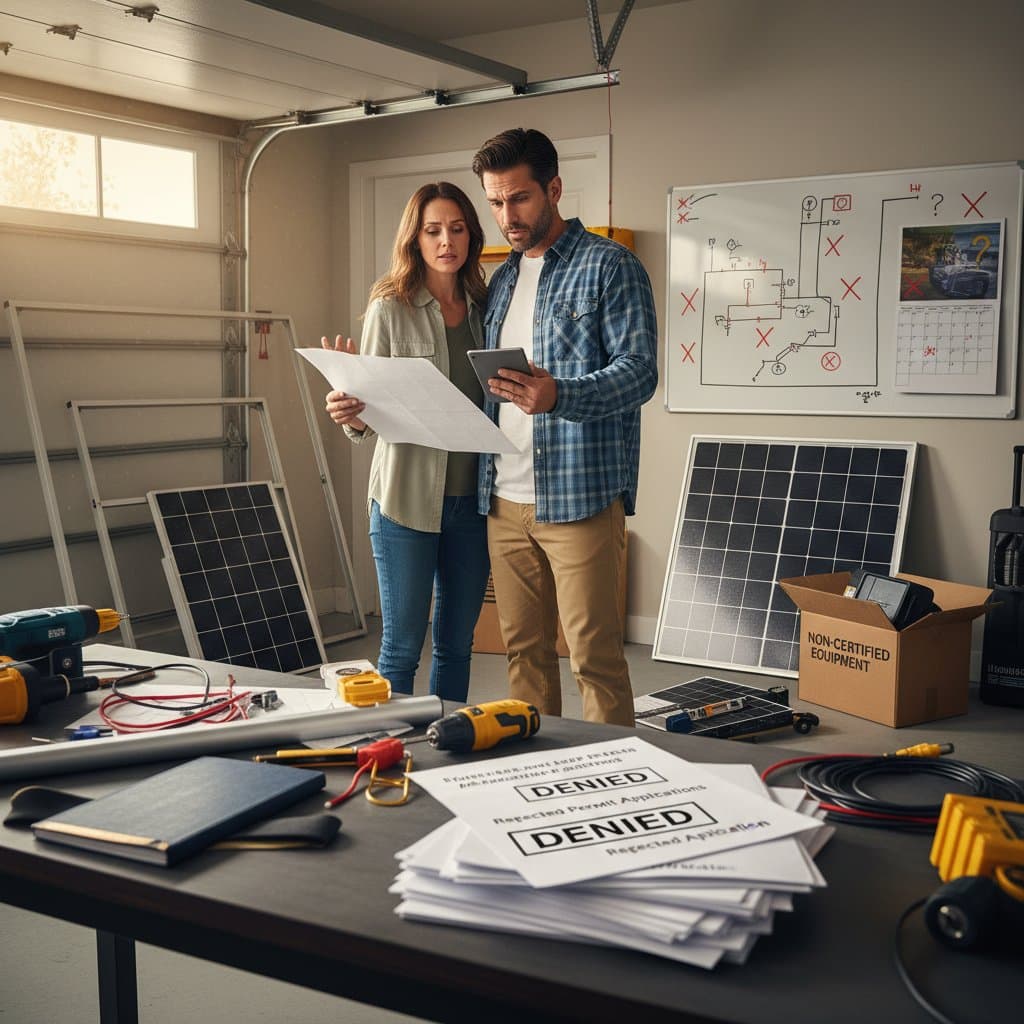
DIY solar installations offer independence, yet permit hurdles often cause frustration. Issues such as flawed site plans, code violations, and incomplete paperwork result in rejections and expenses.
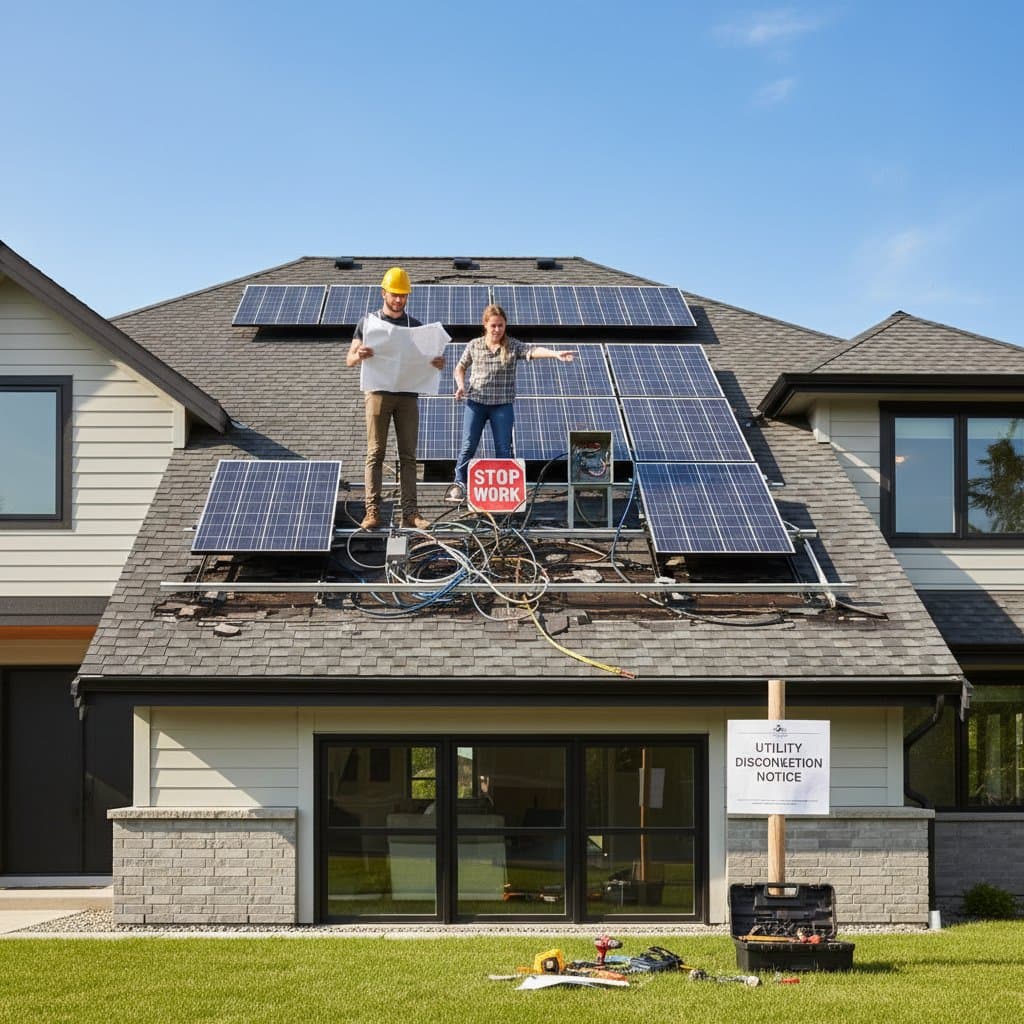
DIY solar installations offer substantial savings and energy independence, yet poor planning leads to delays and extra costs. Common errors include bypassing permits, incorrect sizing, code violations, roof oversights, and utility documentation gaps. Master these five pitfalls to build a reliable, compliant system that delivers long-term benefits.
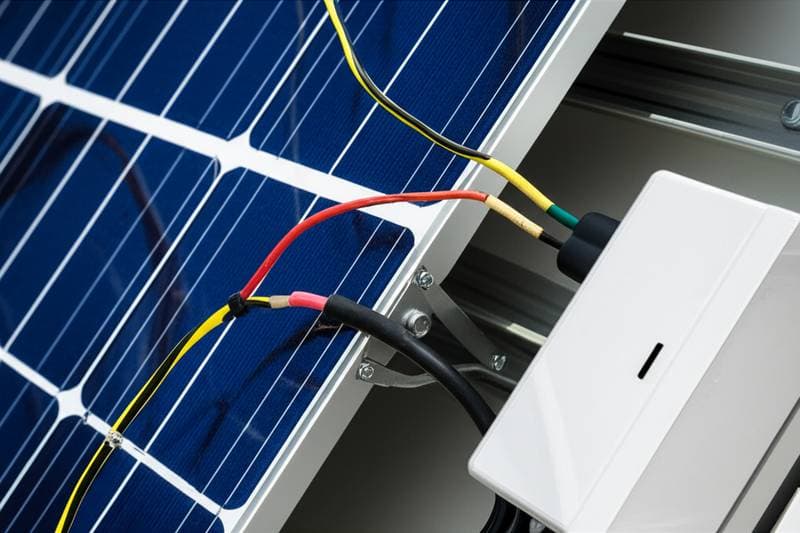
Many DIY solar projects fail inspection for the same predictable reasons—improper grounding, wrong wire sizes, weak roof attachments, misplaced disconnects, and mismatched permit plans. This guide reveals why these violations happen, what inspectors look for, and how homeowners can avoid costly rework to achieve safe, code-compliant solar installations.