IRS Now Ties Solar Tax Credits to Roof Condition
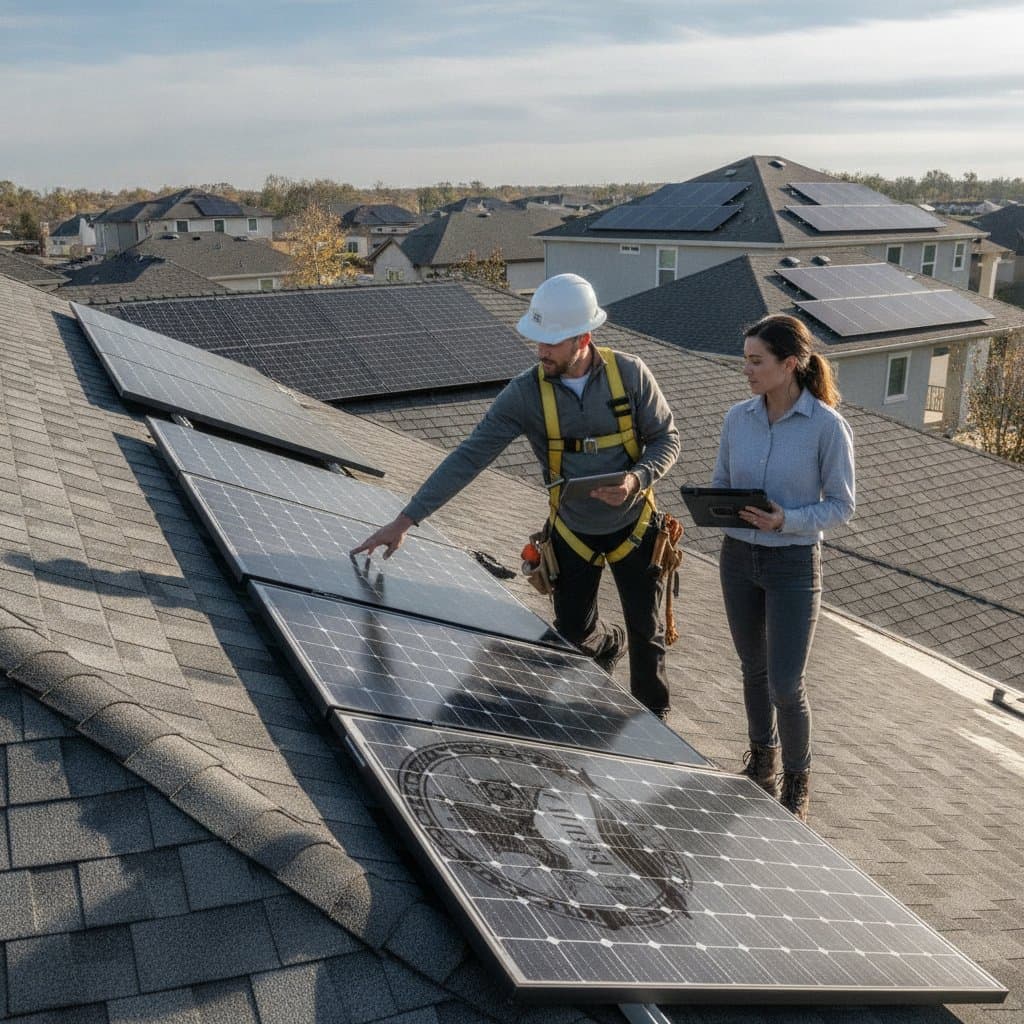
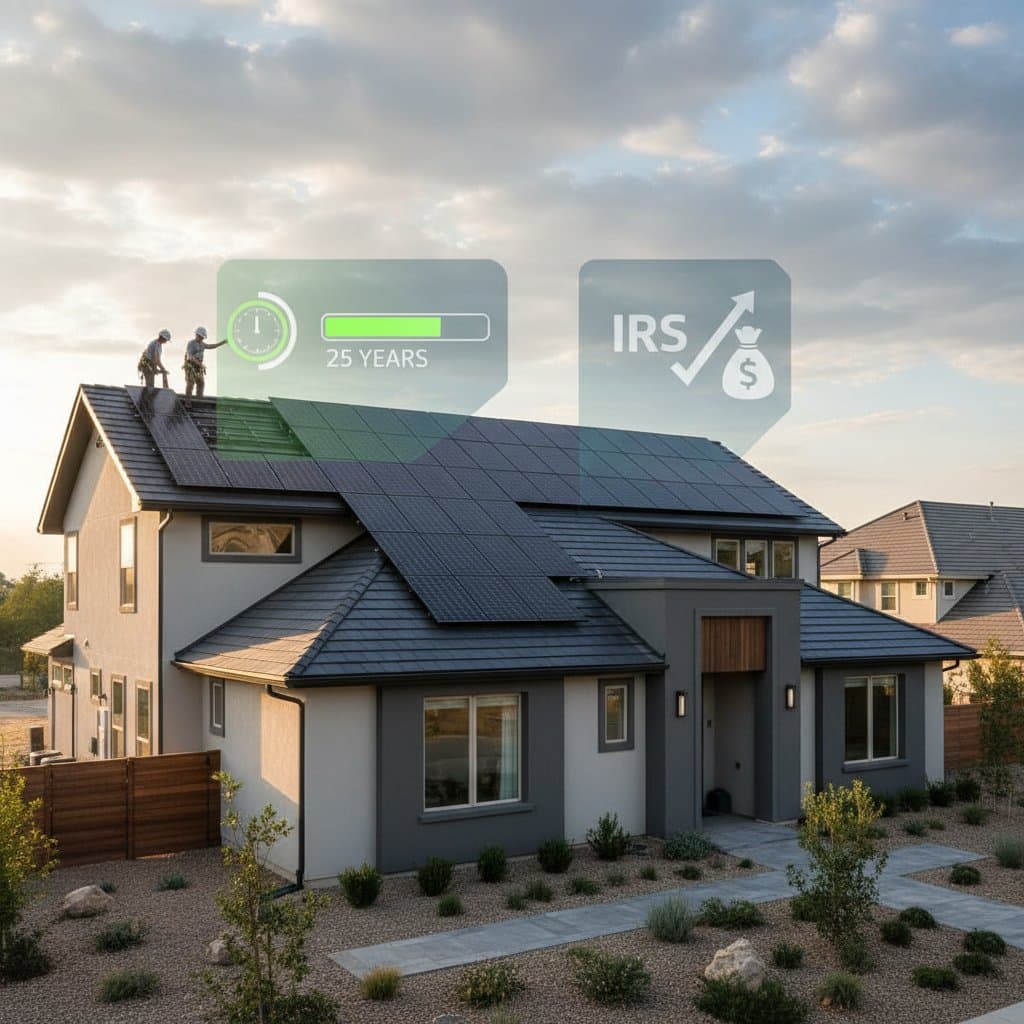
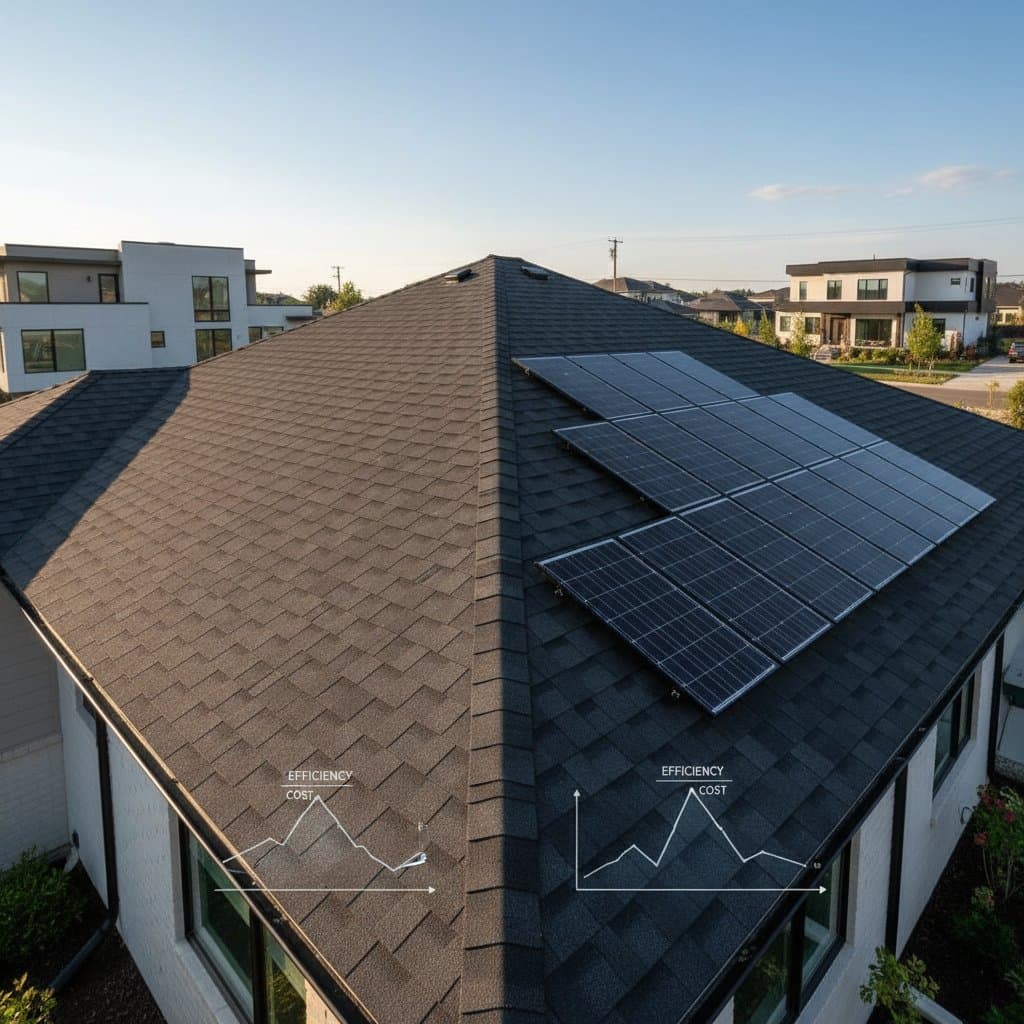
The IRS now requires roof verification for solar tax credit claims. Homeowners and installers must document structural suitability, affecting project timelines and eligible expenses.
Loading...
Articles tagged with roof
The IRS now requires roof verification for solar tax credit claims. Homeowners and installers must document structural suitability, affecting project timelines and eligible expenses.
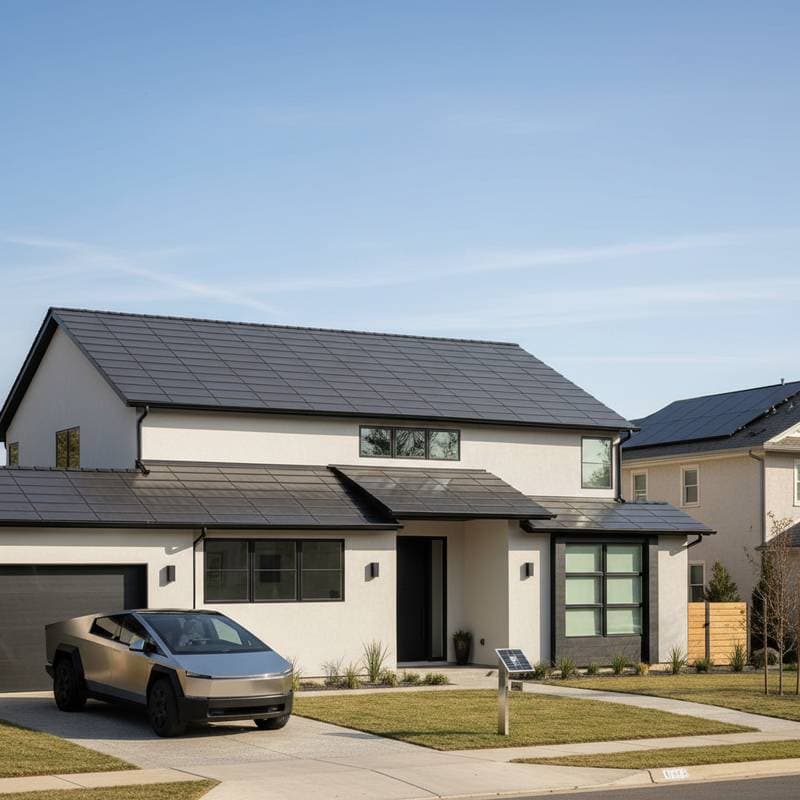
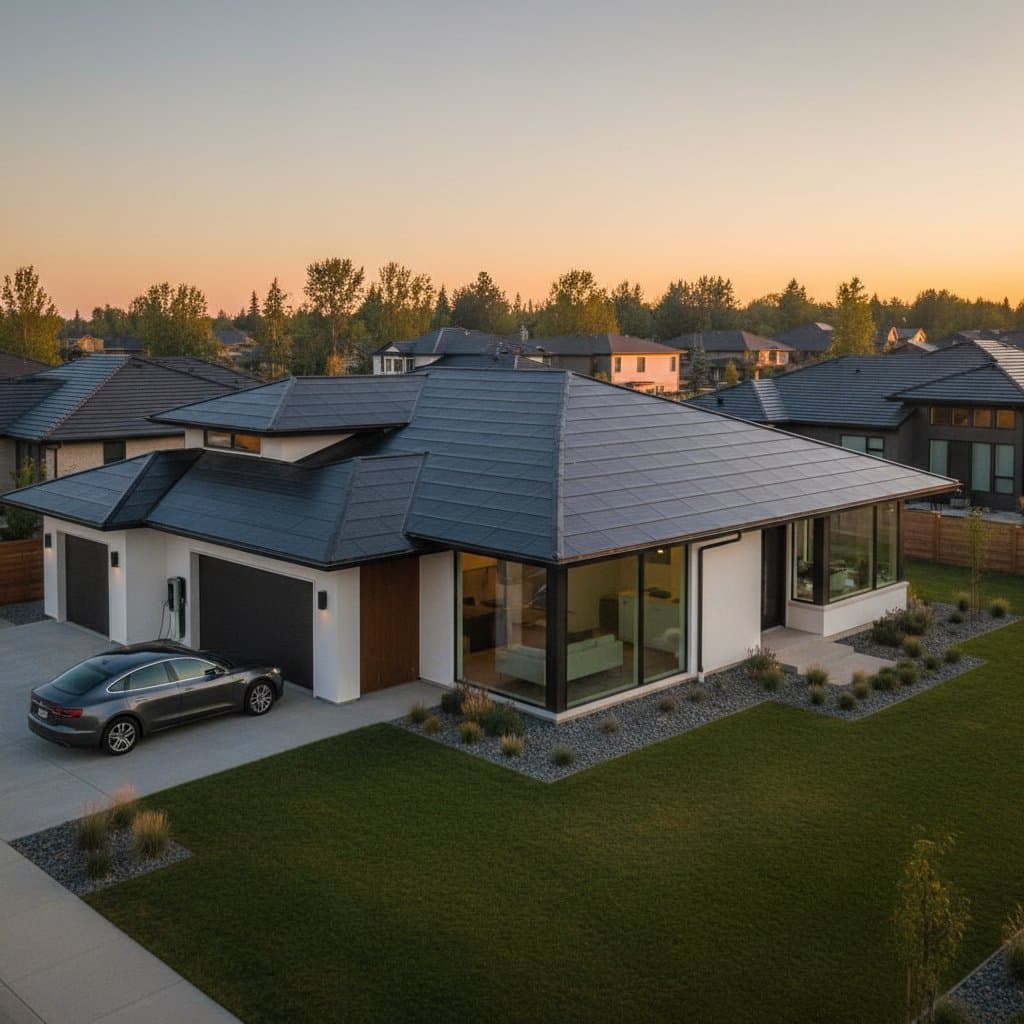
Tesla Solar Roof combines solar generation with a uniform aesthetic in one integrated system, yet carries a higher upfront cost than traditional panels. Homeowners should evaluate roof condition, installation scope, and long term savings to determine the best fit.
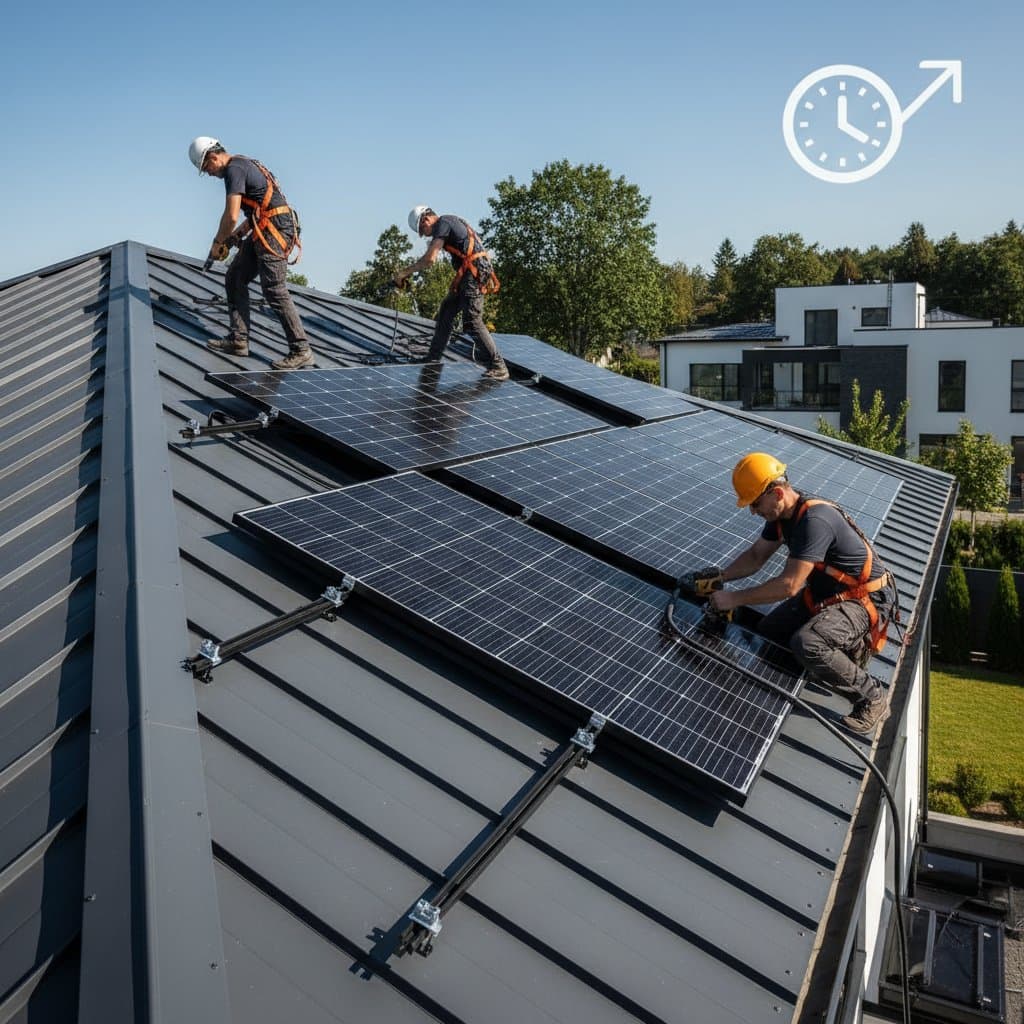
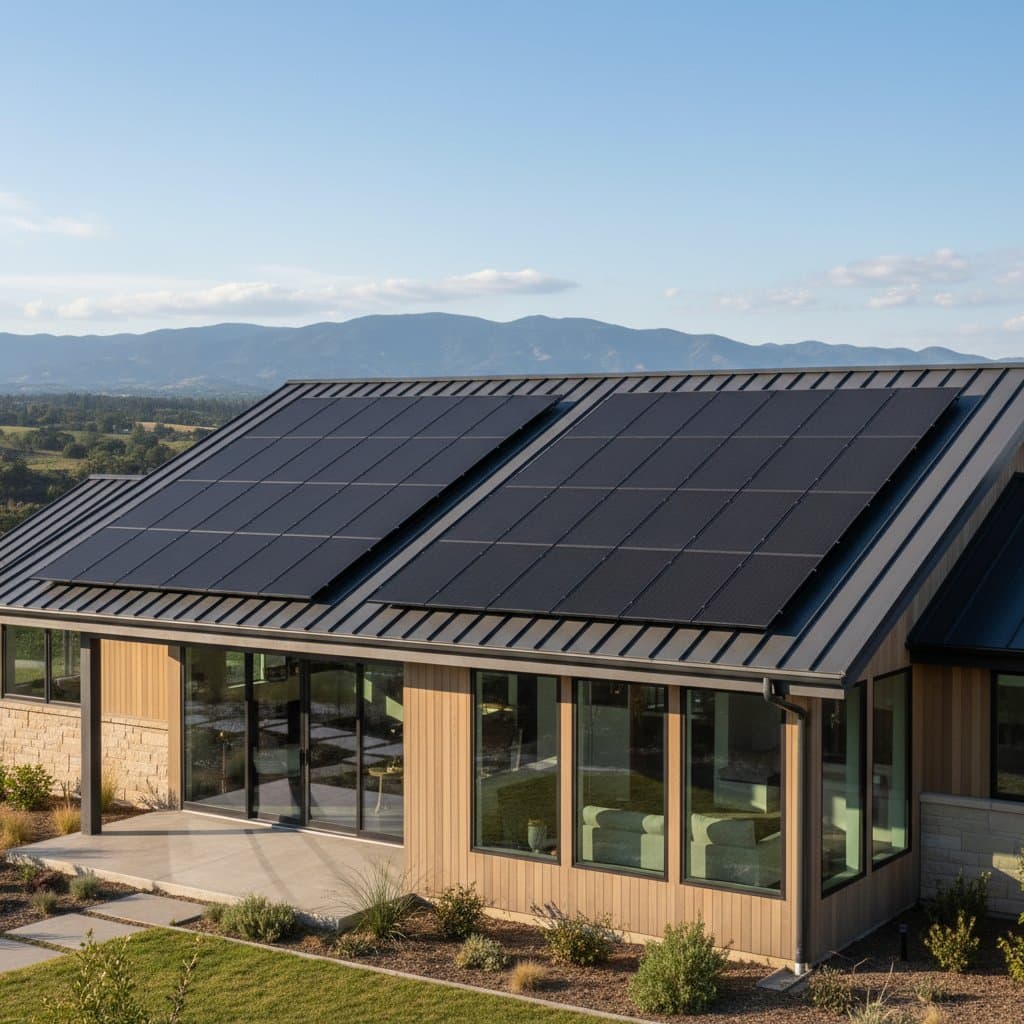
Metal roofs emerge as the leading option for solar installers, thanks to their robust durability, swift mounting processes, and compatibility with photovoltaic system lifespans. The lightweight construction prevents leaks, pairs well with advanced racking solutions, and cuts costs while minimizing risks. As incentives increase, metal roofing reshapes efficient, durable solar adoption for homes and businesses nationwide.
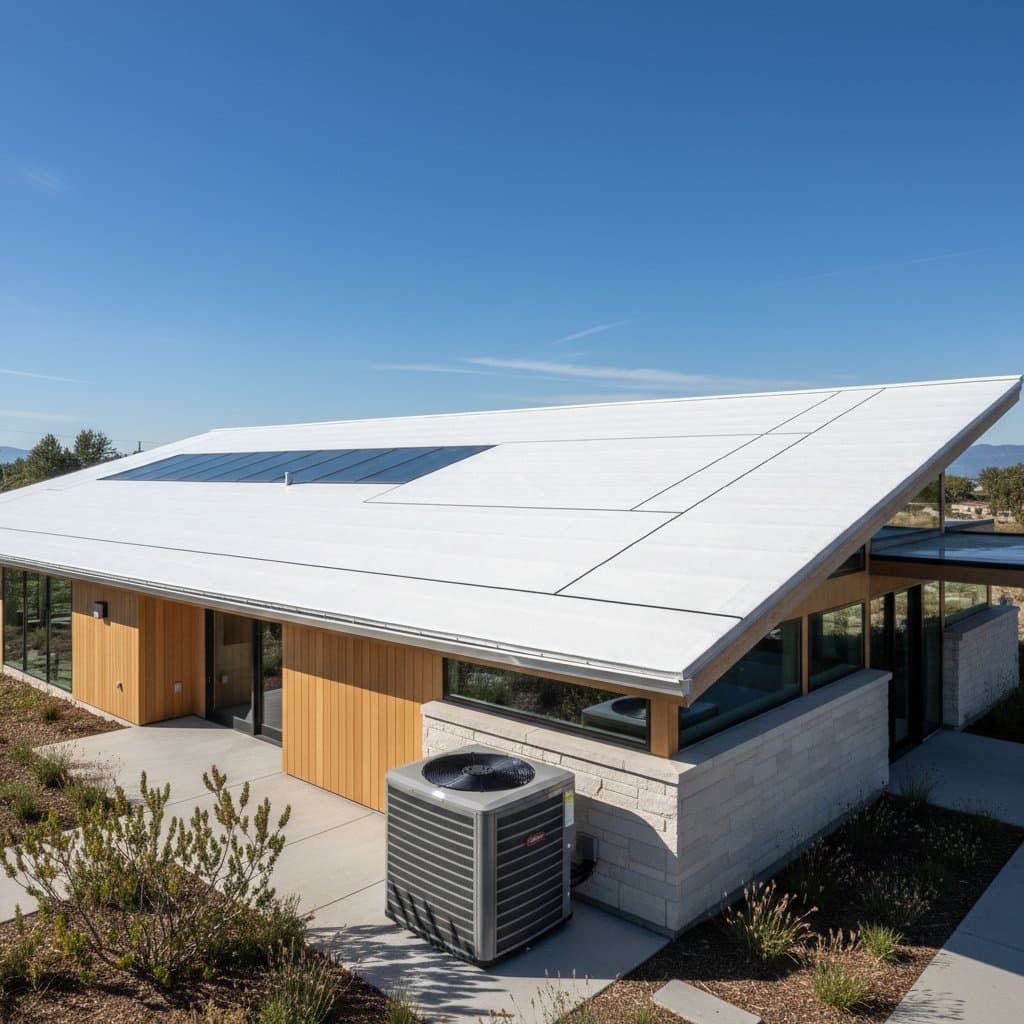
Prior to installing solar panels, optimize your roof for energy savings. Cool roofs featuring reflective materials decrease air conditioning demands by up to 25 percent, minimize required solar system sizes, and prolong roof durability. Discover strategies involving advanced coatings, seamless integration, and design principles that amplify the effectiveness of cool roofs alongside solar systems.
Metal roofs transform solar installations through superior durability, simple mounting options, and enduring cost benefits. Their robust construction, extended lifespan, and seamless integration streamline projects, optimize energy output, and safeguard long-term investments. This pairing advances sustainability, withstands harsh weather, and offers versatile designs for reliable solar systems that endure for generations.
From 2026 onward, the IRS mandates that rooftop solar systems align with the roof's expected lifespan to qualify for tax credits. This policy promotes durability, alters installation approaches, potentially increases costs, and fosters advancements in solar-roof integration for sustained renewable energy performance.
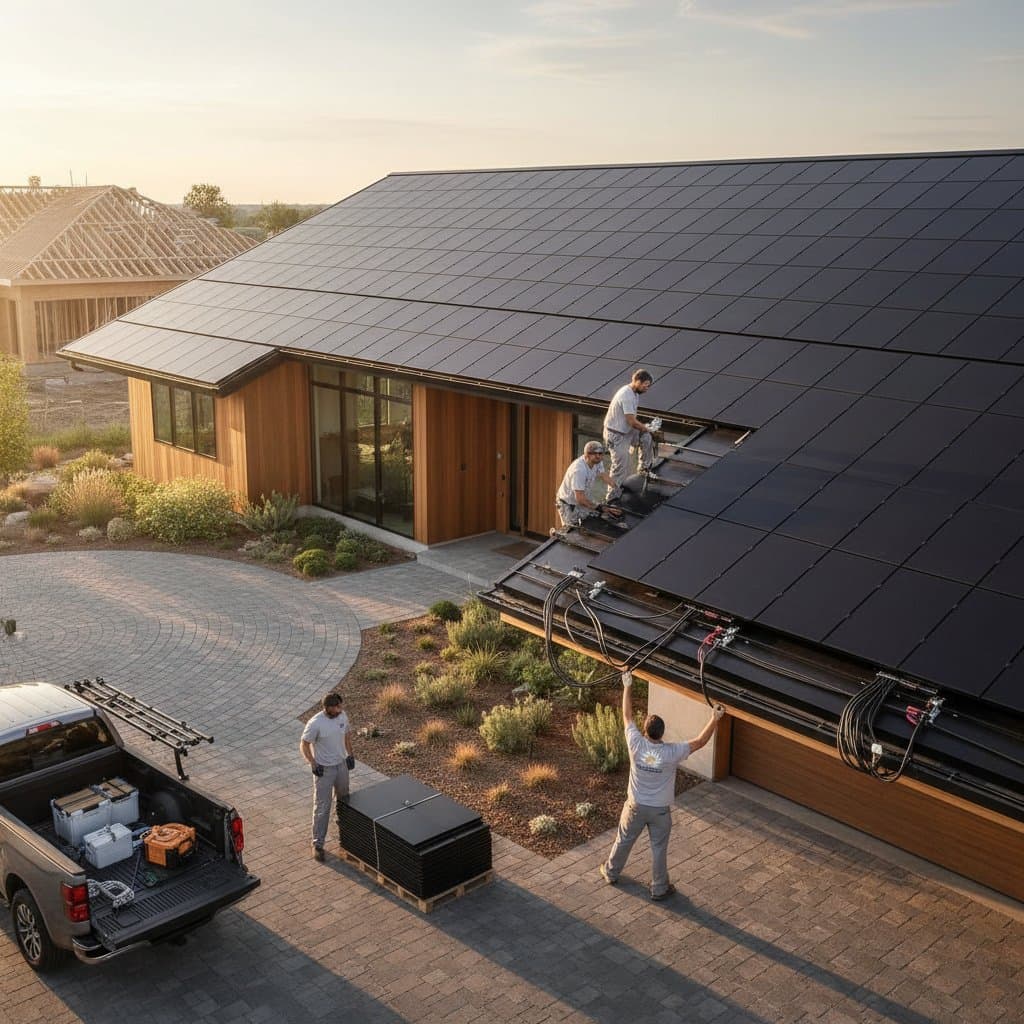
An innovative pre-wired solar roof system disrupts Tesla's lead with easy, rapid assembly and cost savings. Factory-ready panels connect effortlessly, minimizing labor and enhancing roof aesthetics. This modular breakthrough paves the way for widespread adoption in home building.
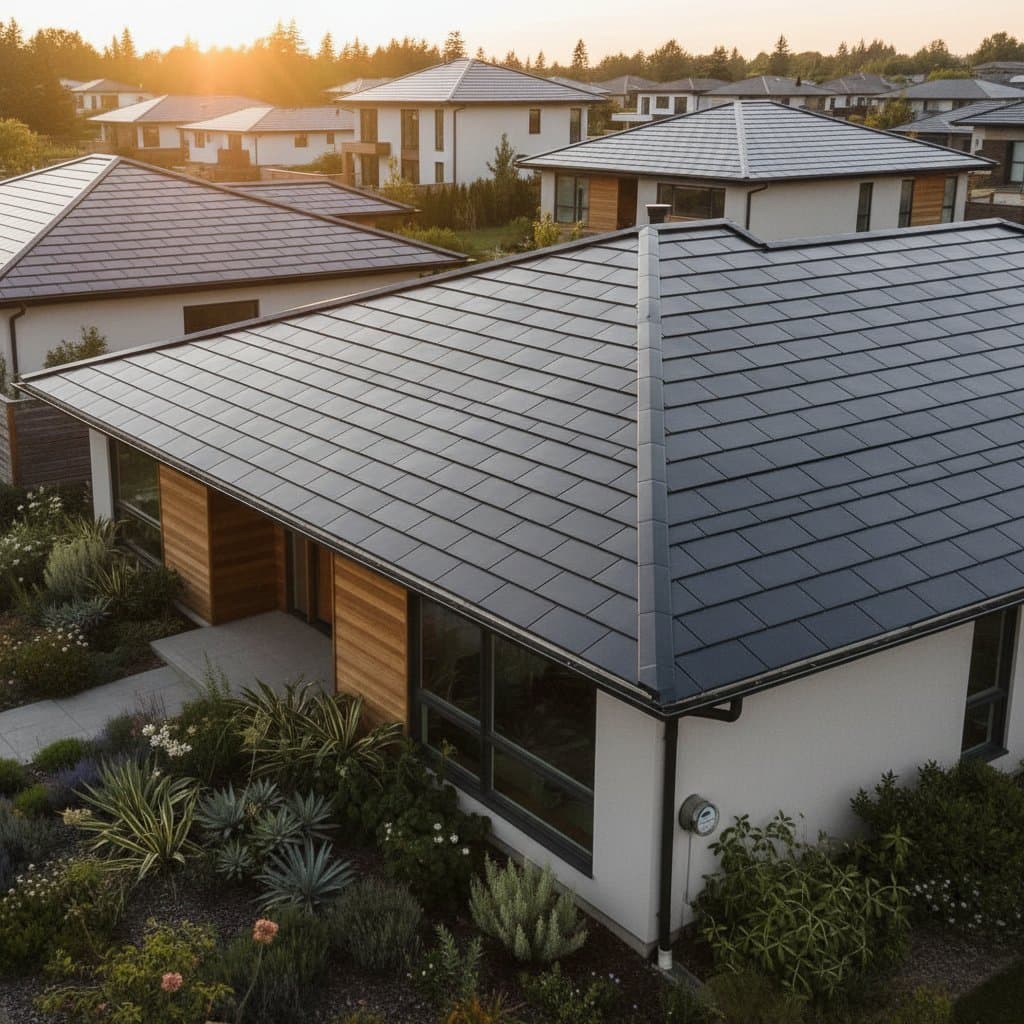
Solar shingles are projected to equal traditional panel prices by 2026, turning roofs into efficient power generators. Key drivers include manufacturing automation, simplified installations, and material breakthroughs. Supported by incentives and demand, this evolution will boost residential clean energy use across the nation.
Solar shingles have achieved cost parity with traditional solar panels, evolving from a premium choice to a practical roofing solution. Advances in manufacturing, installation, and efficiency enable seamless, durable solar roofs that set a new standard for energy-producing homes.
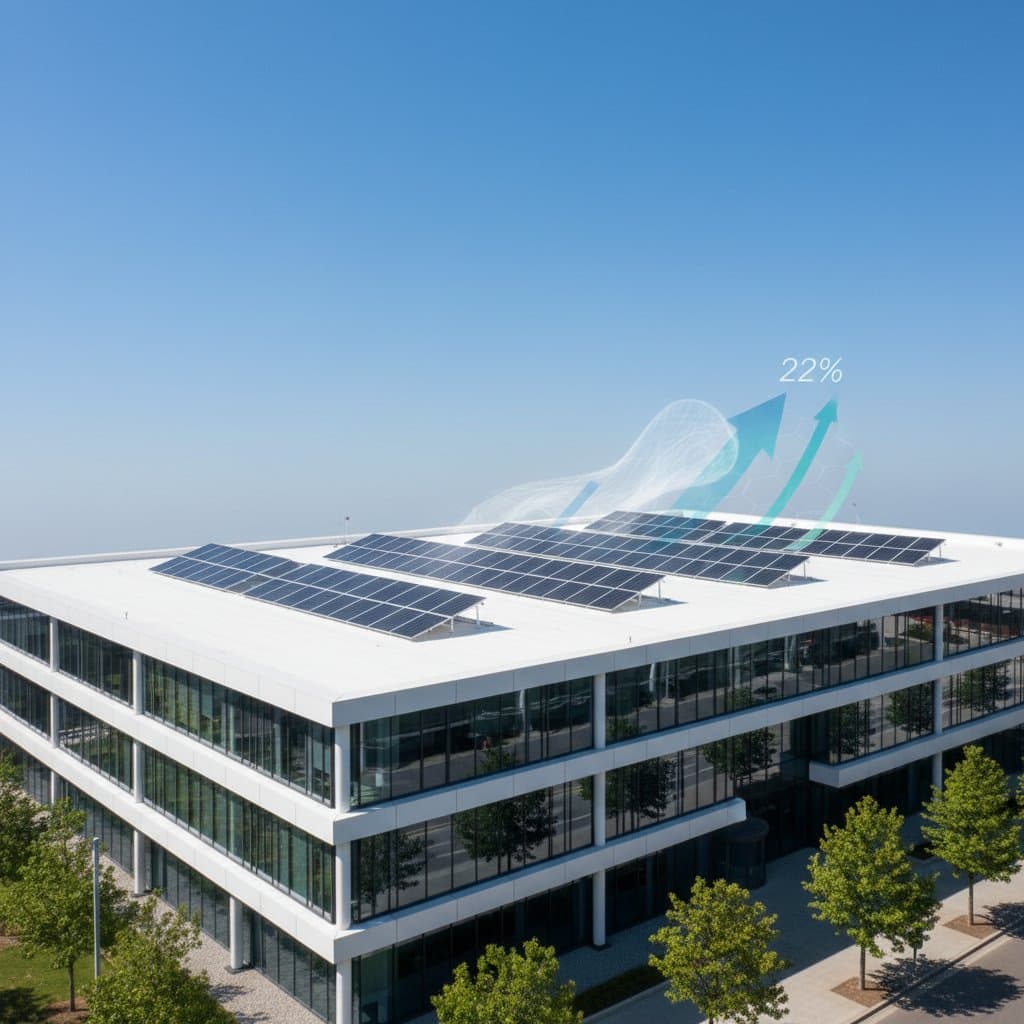
Integrating reflective cool roofs with solar panels enhances energy production by up to 22% via cooler temperatures and better efficiency. These roofs also lower cooling expenses, extend roof durability, and mitigate urban heat for comprehensive sustainable benefits.
The IRS now requires separate depreciation for solar energy systems and roof structures, clarifying tax treatment for rooftop projects. This impacts cost recovery and documentation, providing consistency for developers while adjusting initial benefits. See how the industry is responding and adapting strategies.
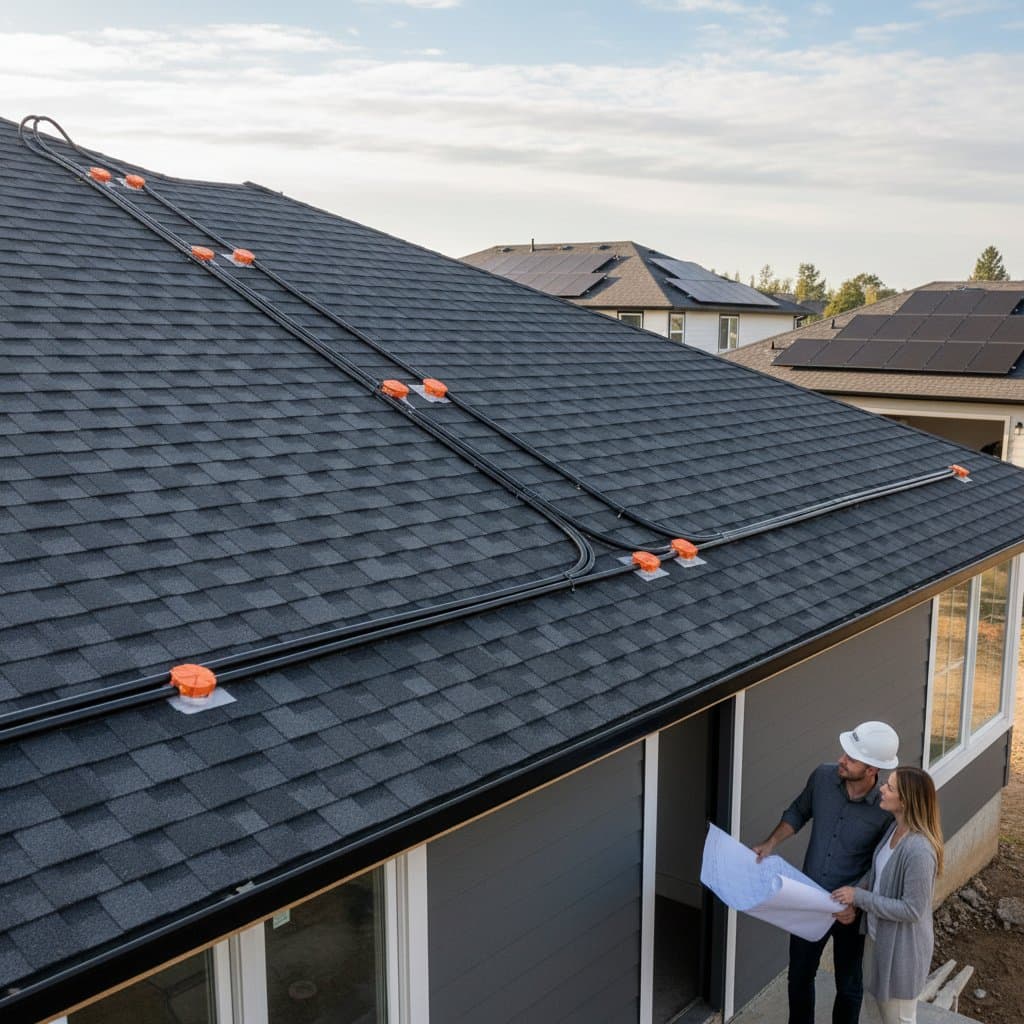
Homebuilders across the U.S. pre-wire roofs to prepare structures for solar, reducing install costs and time while elevating market appeal. Conduits, electrical setups, and code alignment future-proof homes, drawing eco-aware buyers in the renewable surge.
Solar shingles approach cost parity with traditional panels through enhanced manufacturing, quicker installations, and innovative materials. By 2026, as prices equalize, integrated solar roofs promise aesthetic benefits, simplified building processes, and robust policy backing, positioning solar power as a routine element of home design.
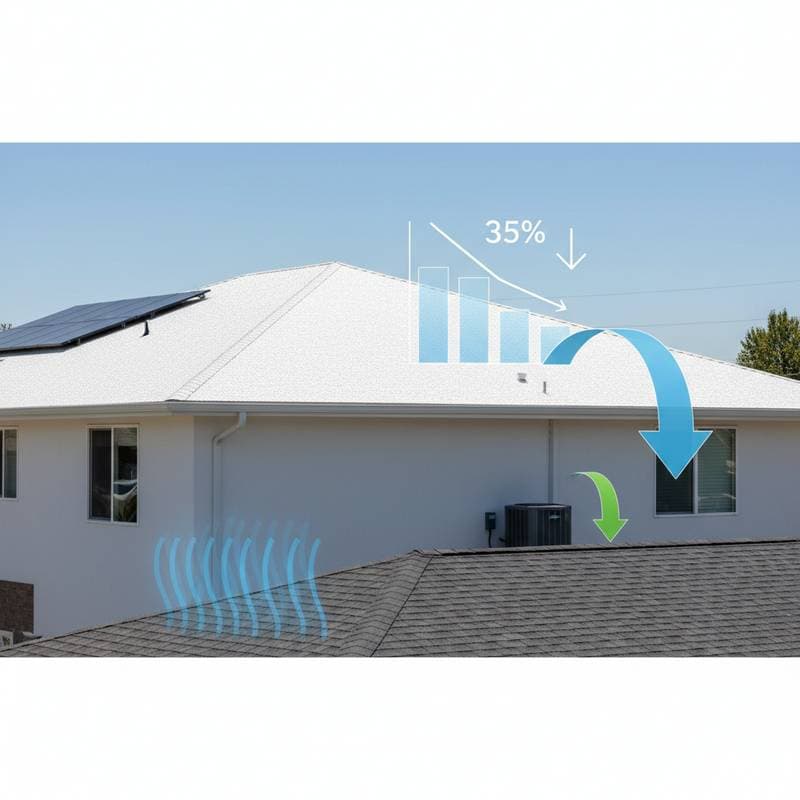
Upgrade to a cool roof before solar panels to slash air conditioning expenses by up to 35 percent. Reflective surfaces reduce roof heat, ease HVAC demands, and optimize solar output. This pairing delivers amplified savings, longer roof durability, and greater sustainability through lower energy use and better indoor conditions.
Homeowners qualify for a 30% federal tax credit on solar roof bundles that integrate roofing and solar components into one efficient project. This approach improves aesthetics, boosts energy efficiency, and increases property value while streamlining maintenance and maximizing incentives for sustainable living.
By 2026, solar shingles narrow the cost gap with traditional panels through enhanced installation, integrated roofing benefits, and growing aesthetic preferences. Although panels maintain efficiency advantages, shingles offer compelling design and financing developments that foster competitive roof-integrated solar options.
By 2026, solar shingles and panels approach price equilibrium, empowering homeowners to weigh expenses, output, and style. Declining production costs, enhanced capabilities, and innovative funding reshape solar choices, potentially revolutionizing integrated roof designs, setups, and markets.
Solar shingles move beyond luxury status through innovations in manufacturing, automation, and installation. Costs decline steadily, positioning them to match panel pricing and performance by 2026. Enhanced partnerships and consumer demand pave the way for widespread use in integrated solar roofs.
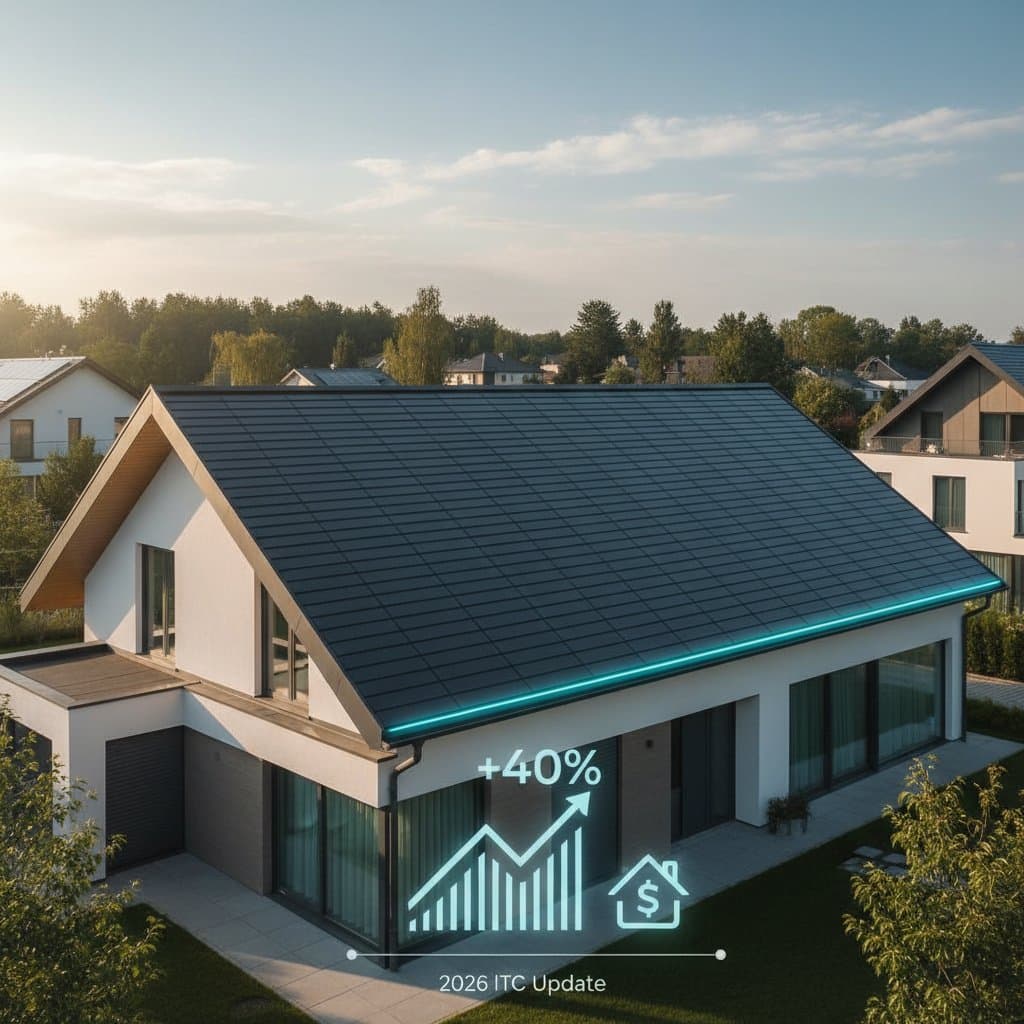
Homeowners and businesses gain access to a 40% federal tax credit for integrated solar and roof installations. Recent Treasury updates include energy-contributing roofing materials in eligibility, influencing financing, installation practices, and manufacturing approaches. This development fosters quicker solar uptake, reduced expenses, and innovative combined energy solutions across the nation.
Cool roofs enhance solar panel efficiency up to 15% by lowering rooftop temperatures and aiding thermal control. These reflective solutions also decrease cooling expenses, prolong roof durability, and lessen environmental effects for energy-smart buildings.