7 Permit Mistakes That Derail DIY Solar Projects
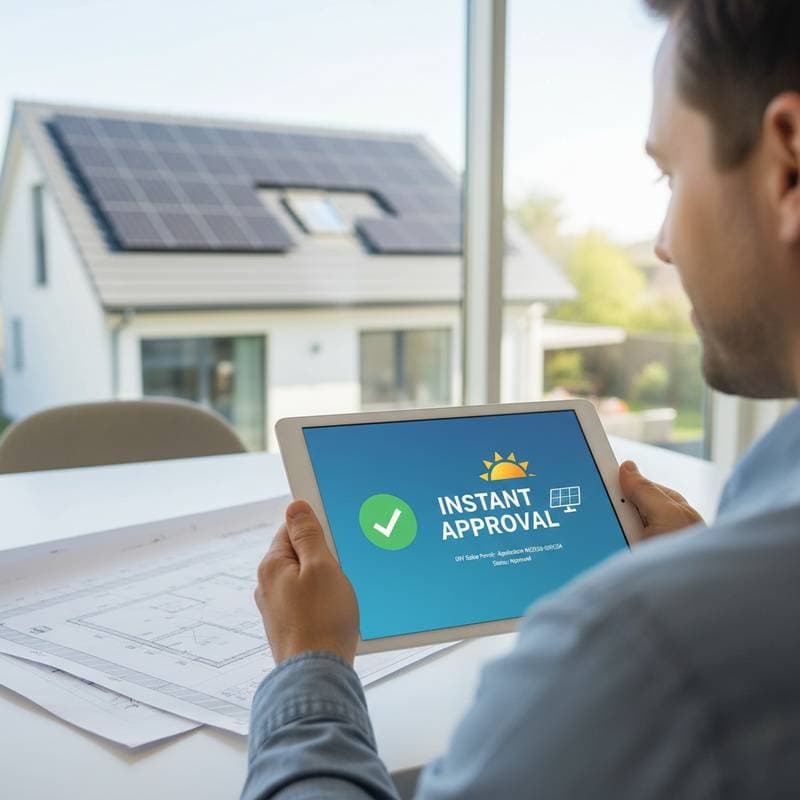
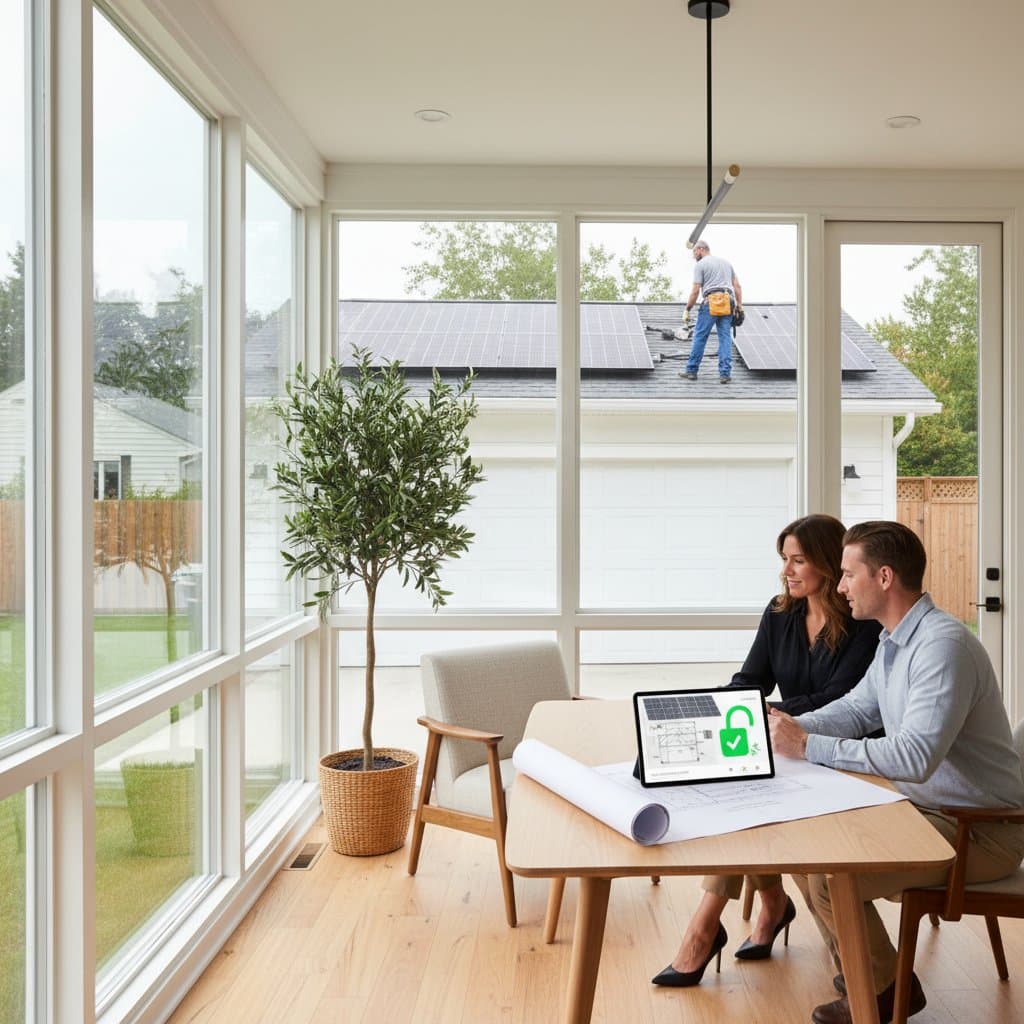
DIY solar installations offer independence, yet permit hurdles often cause frustration. Issues such as flawed site plans, code violations, and incomplete paperwork result in rejections and expenses.
Loading...
Articles tagged with DIY
DIY solar installations offer independence, yet permit hurdles often cause frustration. Issues such as flawed site plans, code violations, and incomplete paperwork result in rejections and expenses.
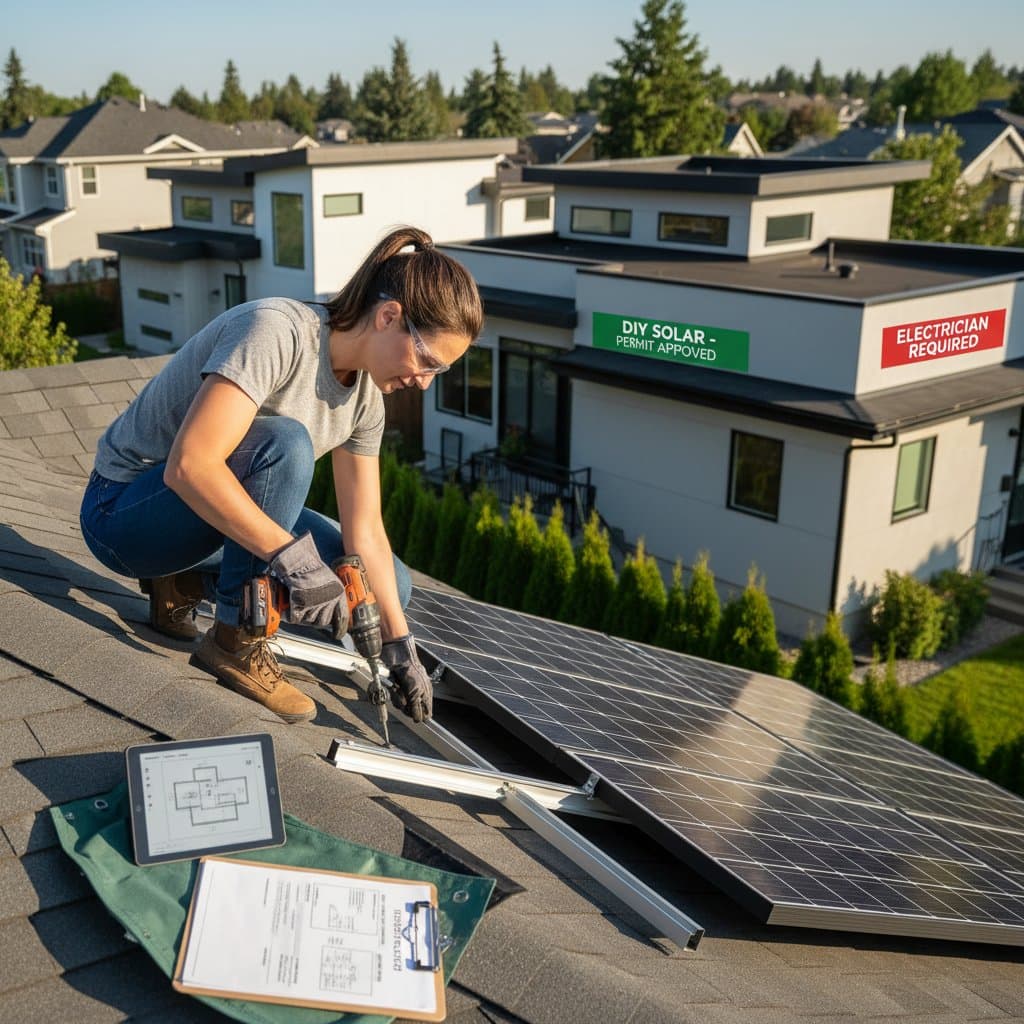
A DIY ground mount solar system offers design flexibility and energy savings without roof constraints. This guide details permit exemptions, zoning considerations, and approval shortcuts that enable homeowners to navigate regulations efficiently, sidestep pitfalls, and complete safe, compliant projects.
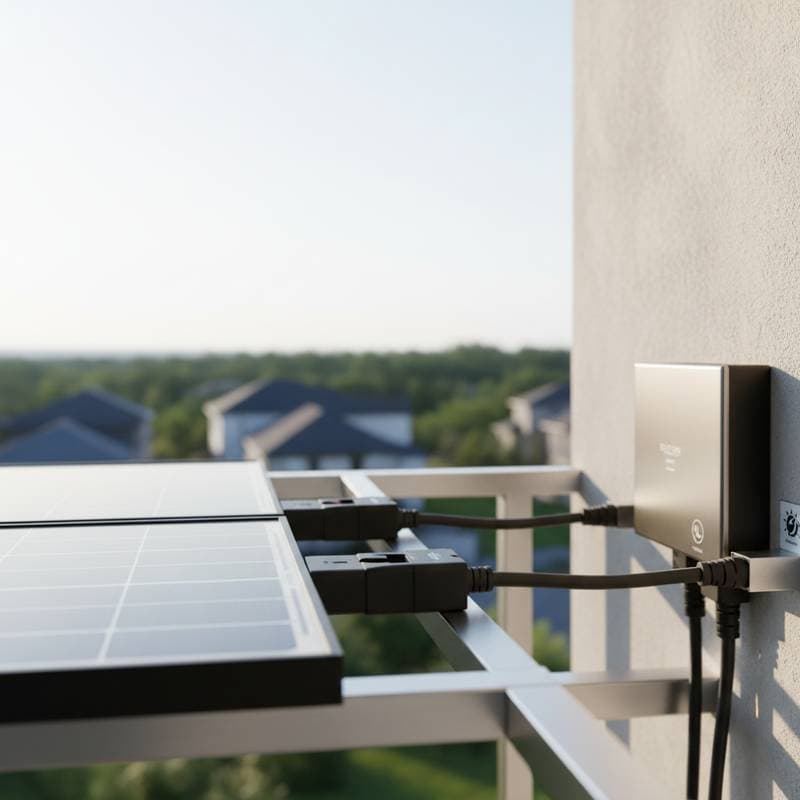
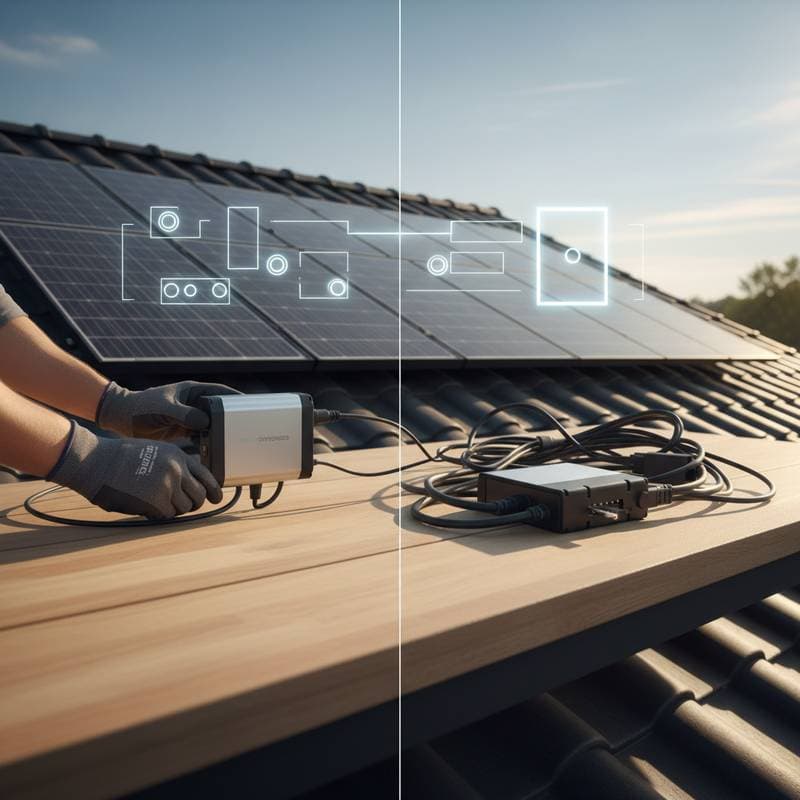
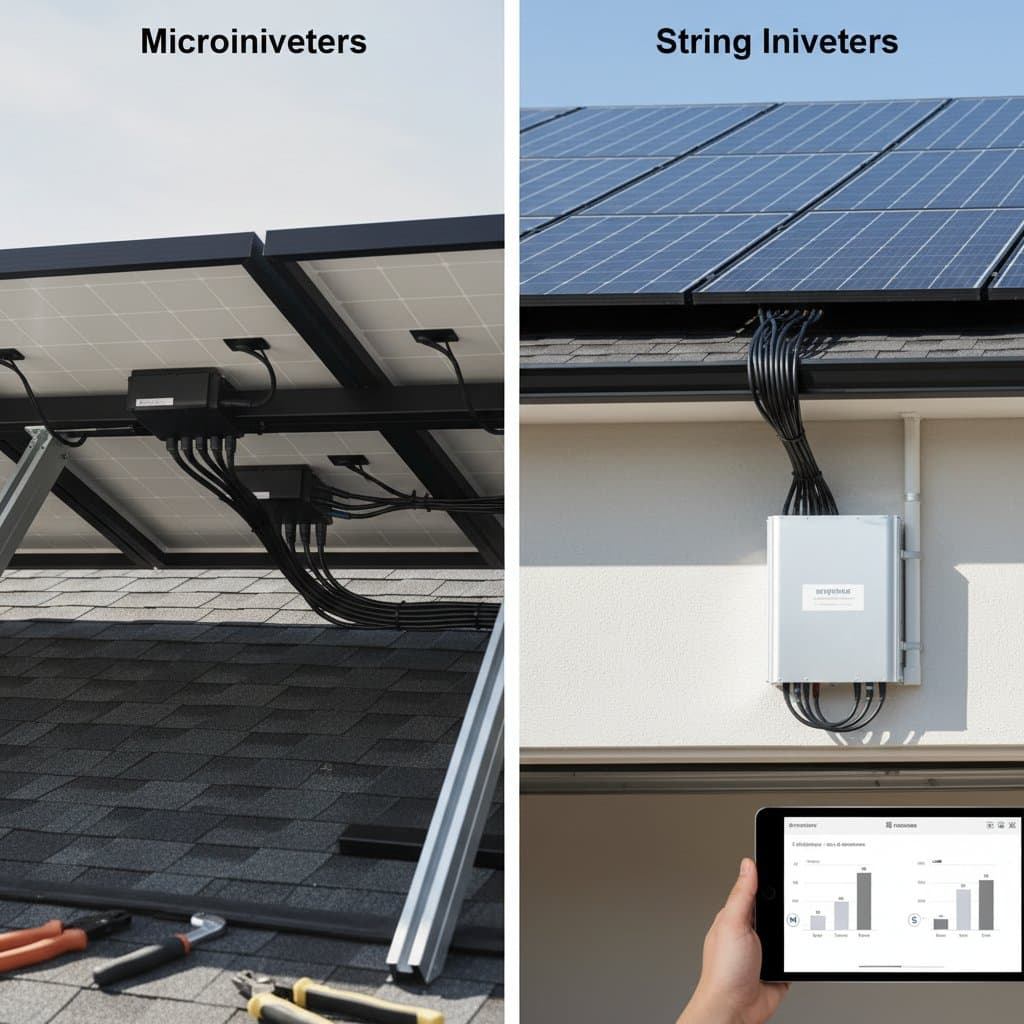
DIY solar projects require choosing between microinverters and string inverters. This comparison covers installation simplicity, safety features, shading resilience, and costs, highlighting microinverters' flexibility for beginners and string inverters' affordability for larger arrays. Gain insights to optimize your solar design for maximum efficiency and compliance.
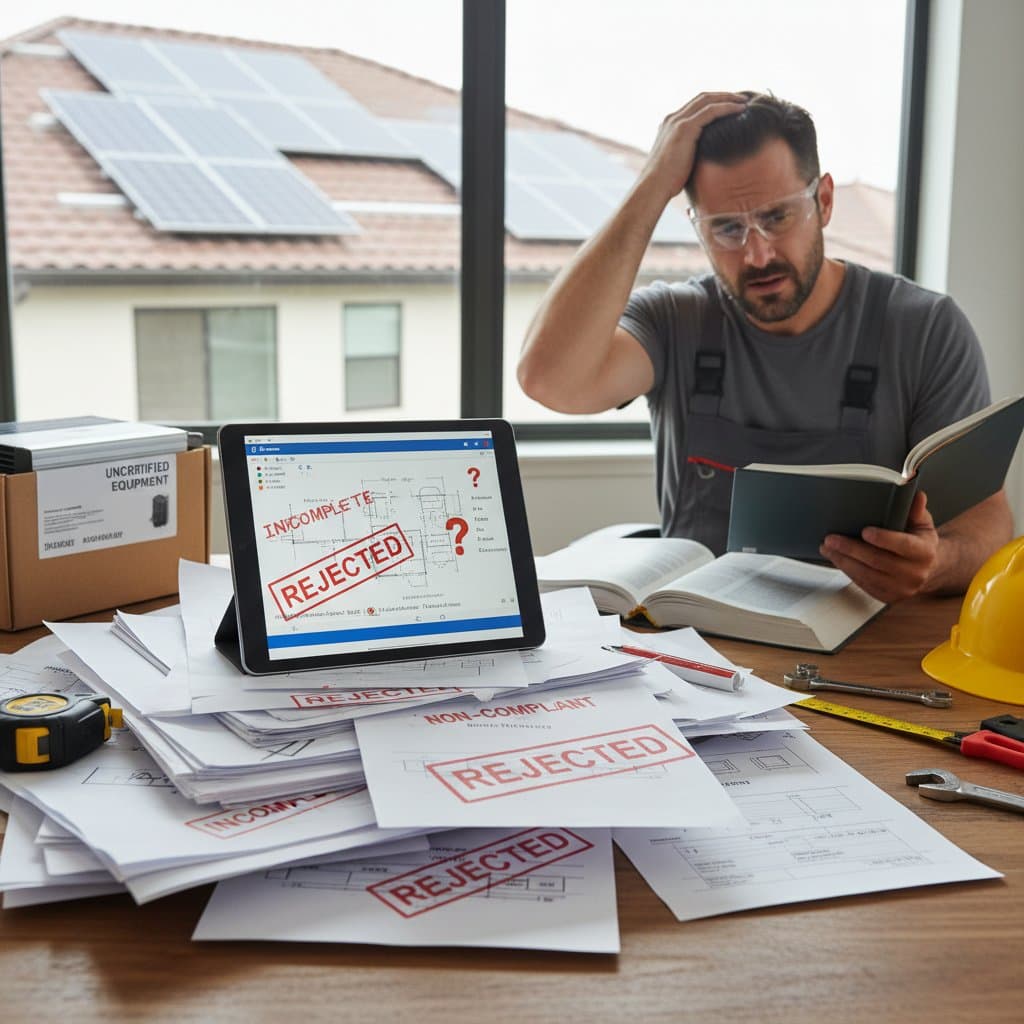
DIY solar efforts frequently halt at permitting due to documentation gaps, uncertified gear, or code violations. This guide details five key errors homeowners encounter and provides fixes for swift approvals, safety, and pro-level outcomes minus the installer.
DIY solar installations offer substantial savings and energy independence, yet poor planning leads to delays and extra costs. Common errors include bypassing permits, incorrect sizing, code violations, roof oversights, and utility documentation gaps. Master these five pitfalls to build a reliable, compliant system that delivers long-term benefits.
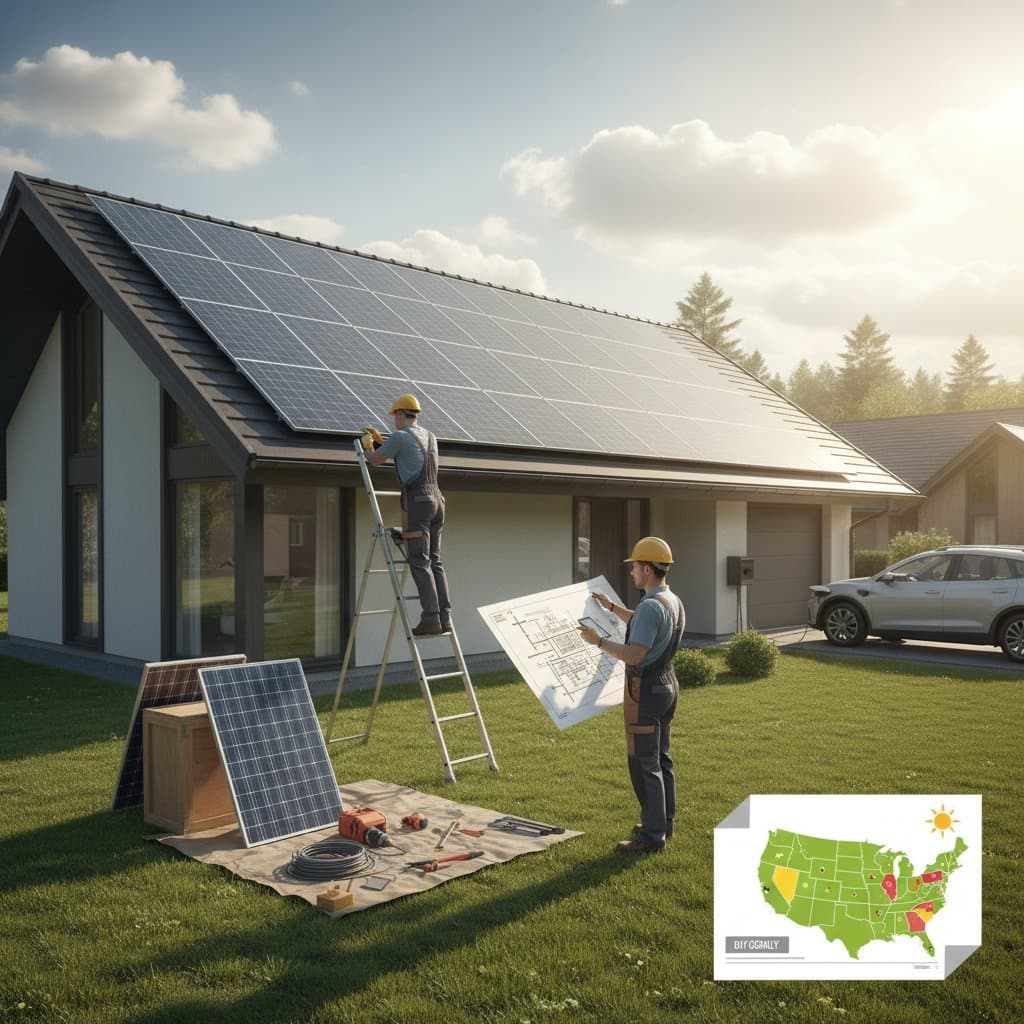
Homeowners seeking to reduce energy costs and achieve solar independence often consider DIY installations. However, state regulations differ significantly. This guide details states permitting self-installation, those requiring professional electricians, and essential steps for compliance and safety.
Planning a DIY solar battery setup? Legality hinges on local permits, electrical codes, and utility approvals. Certified systems may allow owner installation with inspections, but custom builds often require professionals to meet standards and prevent hazards like fires or grid issues.
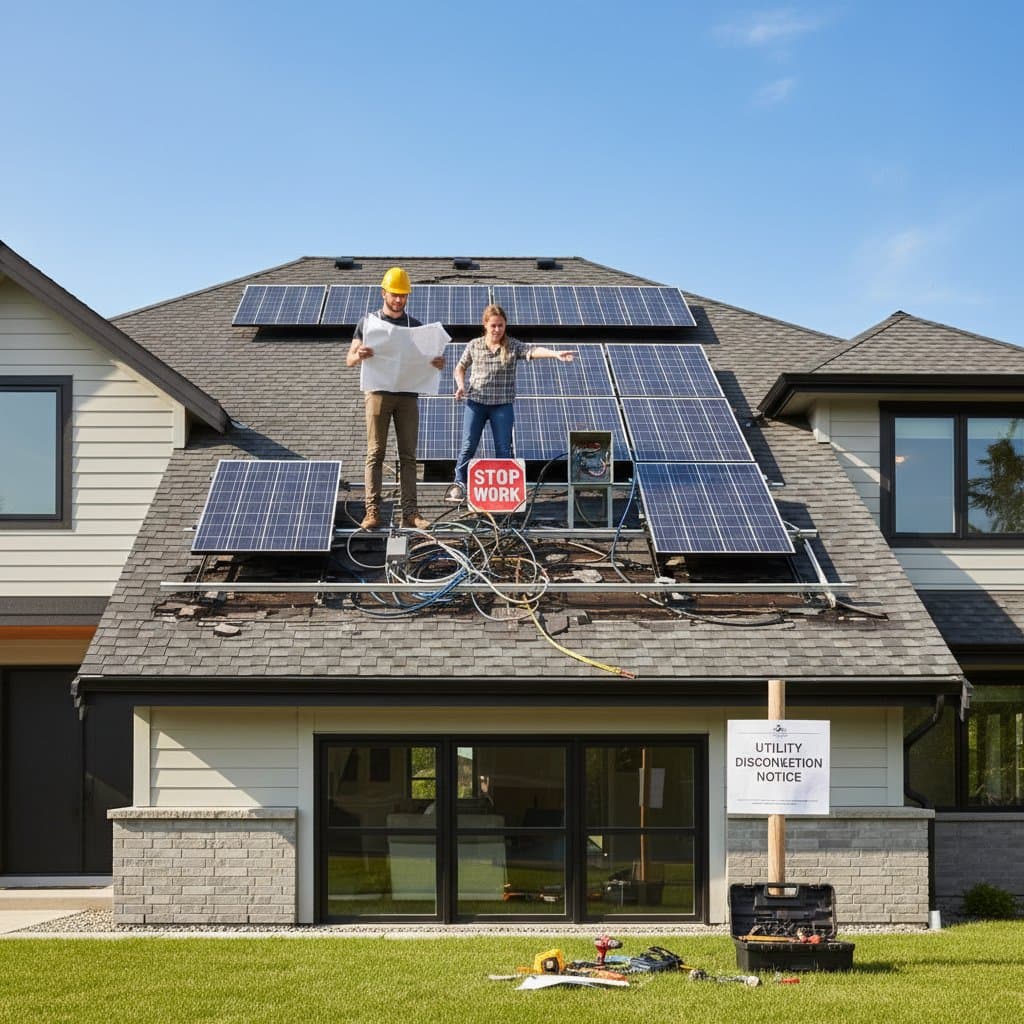
DIY solar projects often encounter permit hurdles from overlooked code violations such as oversized breakers, inadequate roof load calculations, improper wiring, grounding errors, and labeling oversights. These issues lead to rejections, delays, and added costs. Grasping these five key pitfalls equips homeowners to build compliant systems that pass inspections on the first try.
An increasing number of U.S. states permit homeowners to install solar panels without licensed electricians, fueling discussions on safety, affordability, and access. DIY solar kits and simplified permits boost growth, yet they prompt concerns about oversight from utilities, installers, and regulators seeking to harmonize consumer empowerment with grid protection.
Enphase Energy introduces direct-to-consumer sales of its microinverters, departing from the traditional installer-only model. This change enables DIY solar projects, improves quality assurance, and provides quicker sourcing for installers. By integrating direct and professional channels, Enphase broadens market access while addressing modern demands in residential solar adoption.
DIY solar offers energy independence, yet bureaucracy in Florida, Nevada, and Massachusetts transforms promising projects into expensive setbacks. Explore restrictive licensing, erratic permits, and utility obstacles that hinder homeowners, plus practical reforms to enable secure, self-led clean energy adoption.
Microinverters revolutionize DIY solar setups by offering independent panel operation, which enhances safety, simplifies installation, and optimizes energy output. Homeowners benefit from reduced shading impacts, real-time monitoring, and effortless scalability, making solar power more approachable without professional help.
Streamlined permitting and modular components are revolutionizing DIY ground-mounted solar installations, turning bureaucratic hurdles into straightforward home projects. Homeowners benefit from rapid approvals, cost savings, and adaptable designs, as local authorities adopt uniform procedures. This evolution fosters a surge in self-built, sustainable energy solutions that enhance home resilience.
Several states now permit homeowners to install solar panels without licensed electricians, igniting a DIY solar surge. This change, propelled by falling equipment costs, user-friendly tech, and regulatory easing, ignites discussions on safety, oversight, and broader access to renewable energy for households nationwide.
DIY solar permits frequently encounter rejection due to incomplete engineering documents, electrical code violations, uncertified components, or ignored local regulations. Homeowners often overlook structural integrity, safety protocols, and zoning mandates, resulting in expensive setbacks. Mastering documentation protocols, up-to-date codes, and interactions with building authorities proves vital for gaining approval and preventing resubmissions.
Selecting between microinverters and string inverters shapes the safety, efficiency, and straightforward nature of a DIY solar project. Microinverters provide reduced voltage exposure, simplified wiring, and individual panel oversight, whereas string inverters offer initial savings. Discover the choice that best integrates safety, output, and enduring benefits for self-installed rooftop solar systems.
DIY solar installations frequently encounter obstacles in the permitting process rather than in the wiring itself. Issues such as incomplete electrical diagrams, overlooked structural verifications, and misinterpretations of utility requirements can result in significant setbacks. Gaining insight into local regulations, required documentation, and interconnection protocols converts potential frustration into successful approval and elevates a simple project to completion.
DIY solar initiatives frequently encounter permit hurdles from incomplete paperwork, flawed structural assessments, electrical missteps, utility oversights, and zoning infractions. This overview details the five key failure points and provides strategies for thorough preparation, accurate submissions, and professional input to facilitate efficient approvals.
Overwhelmed by solar permit requirements? Arizona, Colorado, and Florida demonstrate effective, clear processes that simplify DIY solar installations. These states prioritize transparency and collaboration, transforming potential obstacles into opportunities for home energy upgrades.
Starting in 2025, new federal rules will streamline DIY solar permits with standardized applications, digital submissions, and simplified requirements. Homeowners can expect faster approvals, lower costs, and clearer compliance pathways. While safety oversight remains, the changes could expand the DIY solar market, reshape installer roles, and accelerate residential solar adoption nationwide.