#credits

Articles tagged with credits

Featured image for Solar Rebates Now Stack to $12K for Homeowners

Solar Rebates Now Stack to $12K for Homeowners

Homeowners and businesses across key U.S. states now access up to $12,000 in combined solar rebates from federal, state, and utility sources. This incentive stacking boosts adoption rates, refines installer approaches, and trims payback times, creating urgent opportunities as funds and eligibility evolve.

4 min read
Featured image for Stacking Solar Incentives Can Cut 2026 Install Costs

Stacking Solar Incentives Can Cut 2026 Install Costs

Stacking federal and state solar incentives in 2026 reduces installation costs significantly and shortens payback periods. The Inflation Reduction Act provides stable federal credits, while states enhance rebates; strategic planning with storage and timing maximizes savings for homeowners and businesses.

4 min read
Featured image for Stack Federal and State Solar Credits for Maximum Savings

Stack Federal and State Solar Credits for Maximum Savings

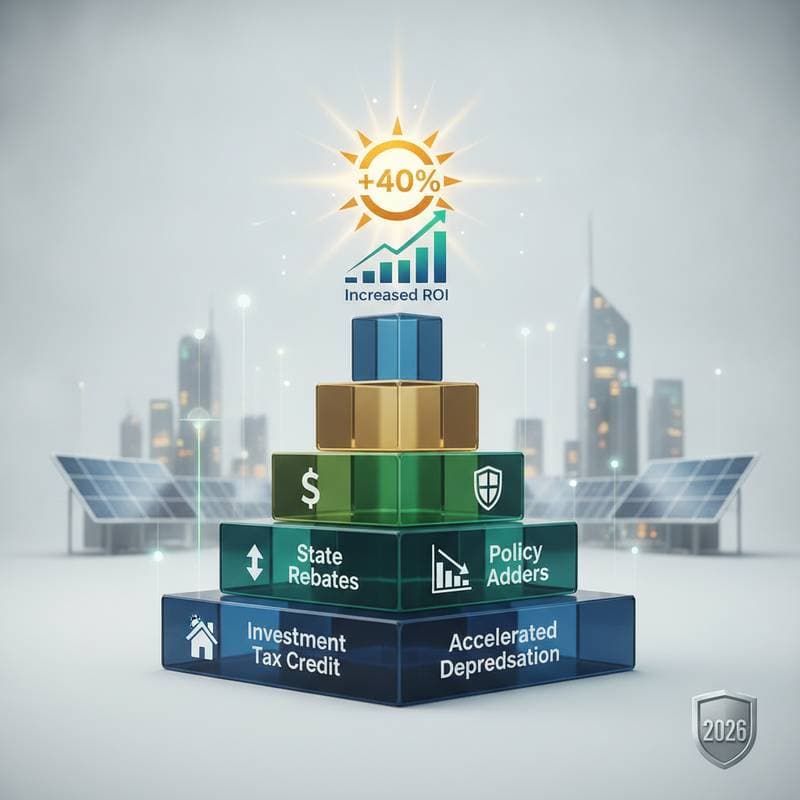
The Inflation Reduction Act opens doors to substantial tax savings for solar installations through effective incentive stacking. Pairing federal Investment Tax Credits with state rebates, utility programs, and bonus adders enables homeowners and developers to lower expenses significantly. Thoughtful planning, precise documentation, and strategic timing maximize these advantages, paving the way for a cost-effective shift to renewable energy.

5 min read
Featured image for Stack Federal Credits: Solar Battery and EV Together

Stack Federal Credits: Solar Battery and EV Together

Homeowners can achieve substantial savings by combining 2026 federal tax credits for solar, batteries, and EV chargers. This integrated approach maximizes incentives, simplifies paperwork, and shortens payback periods. Through smart coordination and compatible technologies, families reduce expenses, increase efficiency, and advance toward sustainable, independent energy use.

5 min read
Featured image for IRA Solar Rebates Extended Through 2035: What It Means

IRA Solar Rebates Extended Through 2035: What It Means

The Inflation Reduction Act extends solar incentives through 2035, offering decade-long certainty that boosts U.S. solar manufacturing, creates jobs, and accelerates clean energy adoption. This policy shift turns solar into a reliable pillar of America's renewable energy strategy, benefiting homeowners, businesses, and investors alike.

5 min read
Featured image for Stack Federal and State Solar Incentives for Maximum Savings

Stack Federal and State Solar Incentives for Maximum Savings

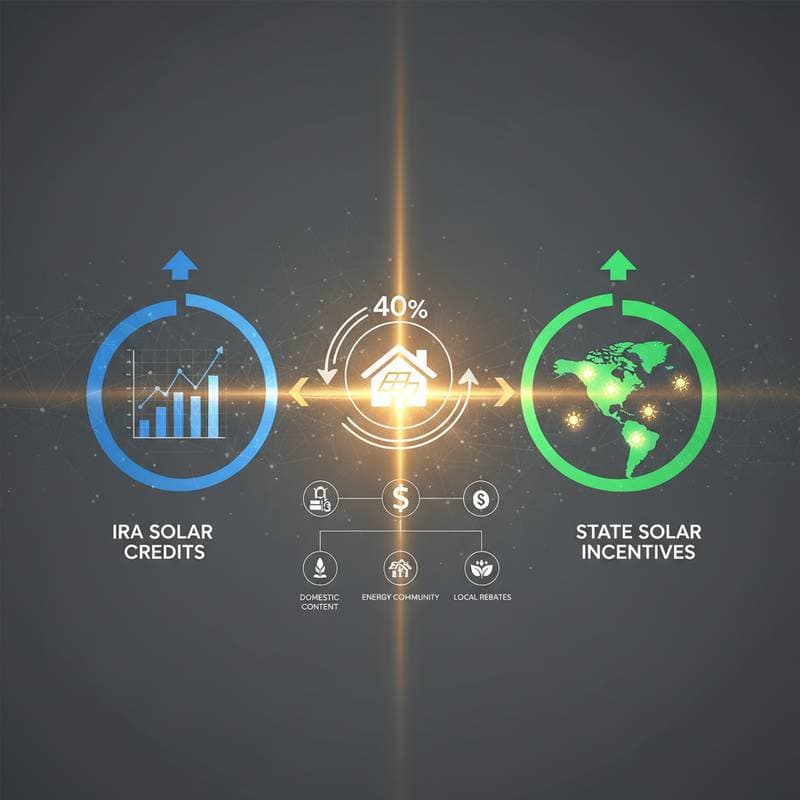
Elevate your solar project savings by layering federal and state incentives strategically. Explore combining the Investment Tax Credit with rebates, performance incentives, and Inflation Reduction Act bonuses to reduce costs, shorten payback periods, and increase returns for homeowners and businesses embracing sustainable energy.

4 min read
Featured image for Stack Federal and State Solar Credits for Maximum Savings

Stack Federal and State Solar Credits for Maximum Savings

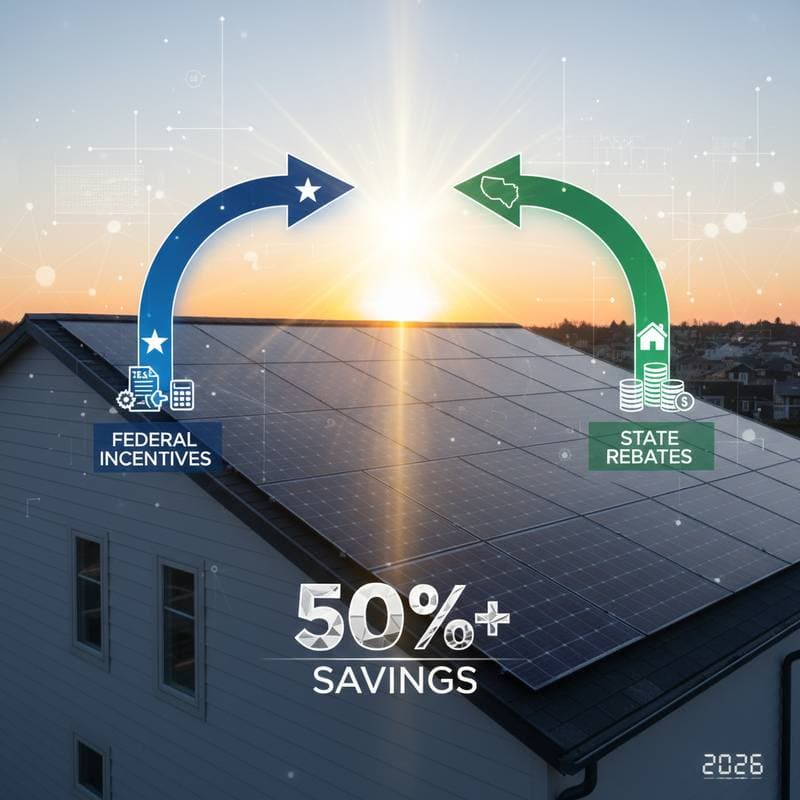
Combining federal and state solar incentives can reduce installation costs by up to 50 percent, reshaping project economics for homeowners, businesses, and developers. The Inflation Reduction Act provides a 30 percent federal tax credit, which pairs effectively with state rebates and adders. Strategic use of these benefits leads to faster returns and supports widespread clean energy adoption.

5 min read
Featured image for Stack Federal and State Solar Credits to Cut Costs

Stack Federal and State Solar Credits to Cut Costs

Stacking federal and state solar incentives substantially lowers installation costs and shortens payback periods. The Inflation Reduction Act enhances these benefits, complemented by state rebates, tax credits, and performance incentives. Proper understanding of eligibility, application timing, and documentation enables homeowners and businesses to secure maximum clean energy savings.

4 min read