
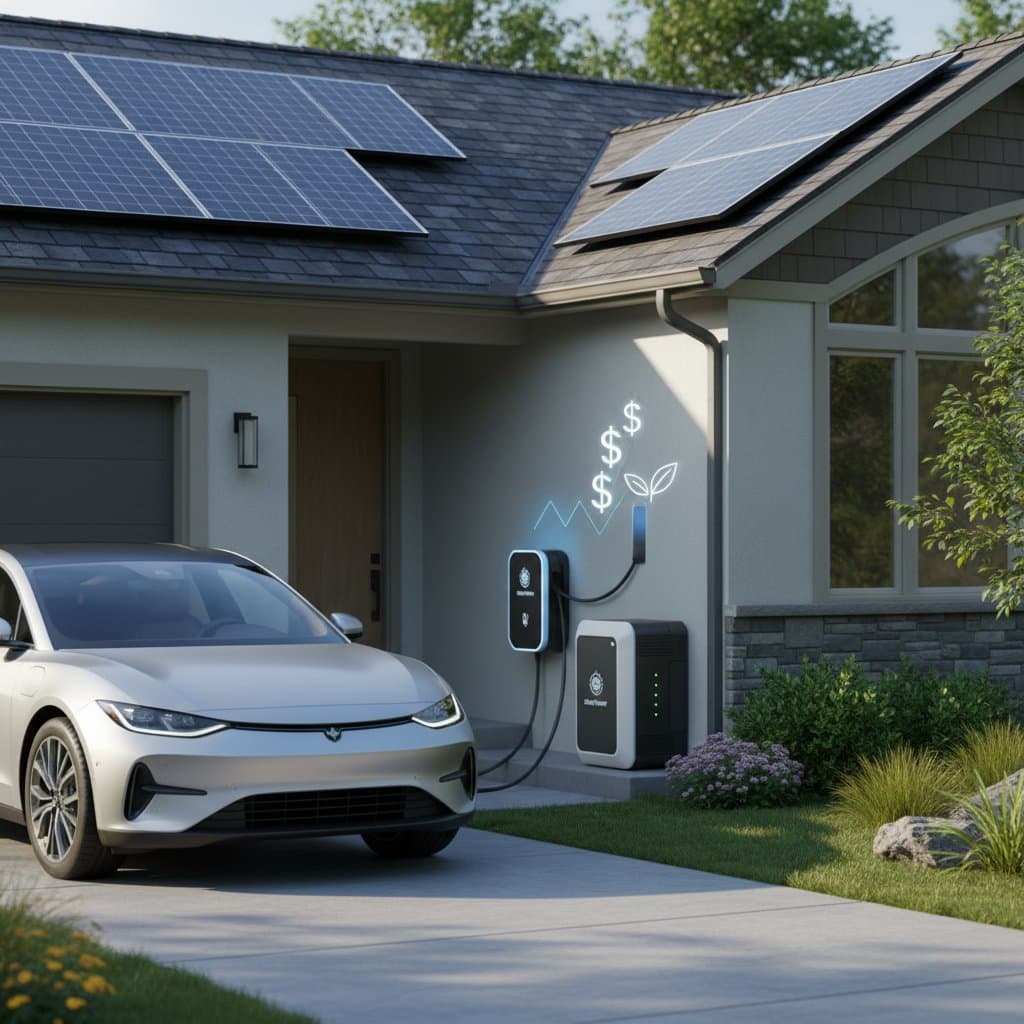
Maximize Savings: Stack 2026 Solar and EV Tax Credits
Federal energy incentives will soon transform how homeowners approach solar installations and electric vehicles. The revised tax credit framework provides an opportunity to integrate solar panels, energy storage, and EV charging into one cohesive plan. For those who prepare carefully, combining these credits can cover a significant share of upfront costs, particularly with compatible systems installed as a unified project.
This iteration of incentives promotes holistic strategies. Rather than viewing home solar, batteries, and EV chargers as isolated purchases, the guidelines favor their unification into a comprehensive clean energy setup. Such integration alters the financial dynamics of household electrification.
Understanding the Tax Credit Stack
The core of these incentives remains the Investment Tax Credit, known as the ITC, for residential solar and battery installations. Recent changes broaden interactions with EV charging equipment and necessary electrical modifications. Homeowners may claim credits for each qualifying element, as long as installations and equipment adhere to specified standards.
The strength lies in their synergy. Solar systems qualify via the residential clean energy credit. Home EV chargers fall under the alternative fuel vehicle refueling property credit. Batteries that store solar-generated power qualify through energy storage provisions. Although each credit features distinct rates and limits, their combination substantially lowers overall electrification expenses.
Effective stacking requires synchronized project planning. For instance, placing a solar array and EV charger in service during the same tax year enables simultaneous credit applications. Adding an energy storage system introduces a third credit, amplifying total reductions. This impact intensifies with a consolidated electrical upgrade that guarantees interoperability and compliance.
Strategic Planning for Maximum Benefit
Financial success hinges on precise timing and record-keeping. Homeowners must align installations so eligible components enter service within one tax period. This method permits concurrent credit claims, avoiding dilution across multiple filings. Contractors versed in incentive rules assist in crafting projects that satisfy technical and fiscal requirements.
A frequent oversight in solar projects involves disjointed execution. One year brings solar panels, the next adds storage, and a later phase incorporates an EV charger upon vehicle purchase. While each qualifies independently, this sequence often forfeits optimal benefits. Unified project management yields cost efficiencies in labor, permitting, and credit aggregation.
Begin with a thorough home energy audit. This evaluation reveals electrical constraints, solar exposure, and usage patterns. Armed with this information, installers determine appropriate solar capacity, battery size, and charger placement for optimal power utilization. The audit prevents duplicate wiring, a common expense in phased implementations.
Integrating Solar and EV Charging Technology
Seamless technical integration forms the foundation of success. Optimal outcomes arise from systems engineered for mutual operation. Contemporary solar inverters often incorporate EV charging capabilities or protocols that synchronize with intelligent chargers. This setup permits direct vehicle charging from solar output during high-production periods, minimizing grid reliance and enhancing investment returns.
Certain manufacturers produce hybrid inverters that oversee solar, storage, and EV charging via a centralized interface. These units direct power to the vehicle when solar yield peaks, then to batteries as needed. Such orchestration maximizes self-generated energy use over grid imports. This efficiency directly lowers utility statements, augmenting tax credit advantages.
Owners of existing electric vehicles should assess charger compatibility with solar additions. Most modern units support upgrades through firmware or modules for load management and solar alignment. Coupling with a battery enables off-peak charging from stored solar power, prolonging the value of midday generation.
Financial Modeling and Payback Outlook
To gauge stacking impacts, consider a representative case: a 7 kW solar array, 10 kWh battery, and Level 2 EV charger. Each secures its designated credit, collectively slashing installation expenses based on configuration and limits. Layering utility rebates or state programs further diminishes net costs.
Post-installation, ongoing savings accumulate. Solar-fueled EV charging eliminates fuel and peak electricity expenses. Battery use during high-rate evenings curbs time-of-use fees. Within several years, these reductions approach initial outlays, accelerated by upfront credit reductions.
Conduct detailed financial projections prior to decisions. Reliable installers supply analyses encompassing costs, credit amounts, energy offsets, and repayment schedules. These evaluations guide choices on outright purchase, financing, or loans. Proper credit stacking compresses payback durations markedly.
The Role of the Installer and Documentation
Credit stacking demands rigorous paperwork. Distinct proofs apply per credit: equipment certifications, invoices, and performance records. Homeowners must obtain itemized contractor reports delineating qualifying parts and expenses. This organization eases tax preparation and withstands reviews.
Skilled installers provide comprehensive documentation kits, encompassing specs, approvals, schematics, and activation logs. Assembling these at project end streamlines filings. Beyond taxes, such records bolster warranties and property value, as prospective buyers seek verified renewable setups.
Many installers now employ in-house incentive experts to confirm project adherence. This verification minimizes claim denials and fosters trust. Selecting such professionals ensures a straightforward process over administrative hurdles.
Policy Context and Market Implications
Beyond individual gains, these measures advance broader integration of rooftop solar with transportation electrification. By incentivizing solar, storage, and EV charging combinations, policymakers foster resilient, distributed energy grids. Each participating household bolsters stability and cuts emissions.
Markets adapt swiftly. Producers launch multi-credit-eligible product suites. Utilities design tariffs supporting solar-EV synergies. Lenders introduce bundled solar-EV financing. This interconnected framework indicates a refined sector where technologies mutually enhance viability.
Solar and EV sectors, once parallel, now merge under supportive policies. This convergence promises increased hybrid installations, spurring installer and manufacturer growth.
Steps to Implement Your Integrated System
Homeowners can proceed methodically. Arrange a full energy evaluation to pinpoint needs. Select interoperable solar, battery, and charger options. Schedule unified installation to align with tax timelines. Partner with credit-savvy contractors for guidance and records.
Retain all invoices, certifications, and specs for tax professionals. This preparation unlocks full incentives, propelling a shift to efficient, self-reliant clean energy.