#incentives

Articles tagged with incentives

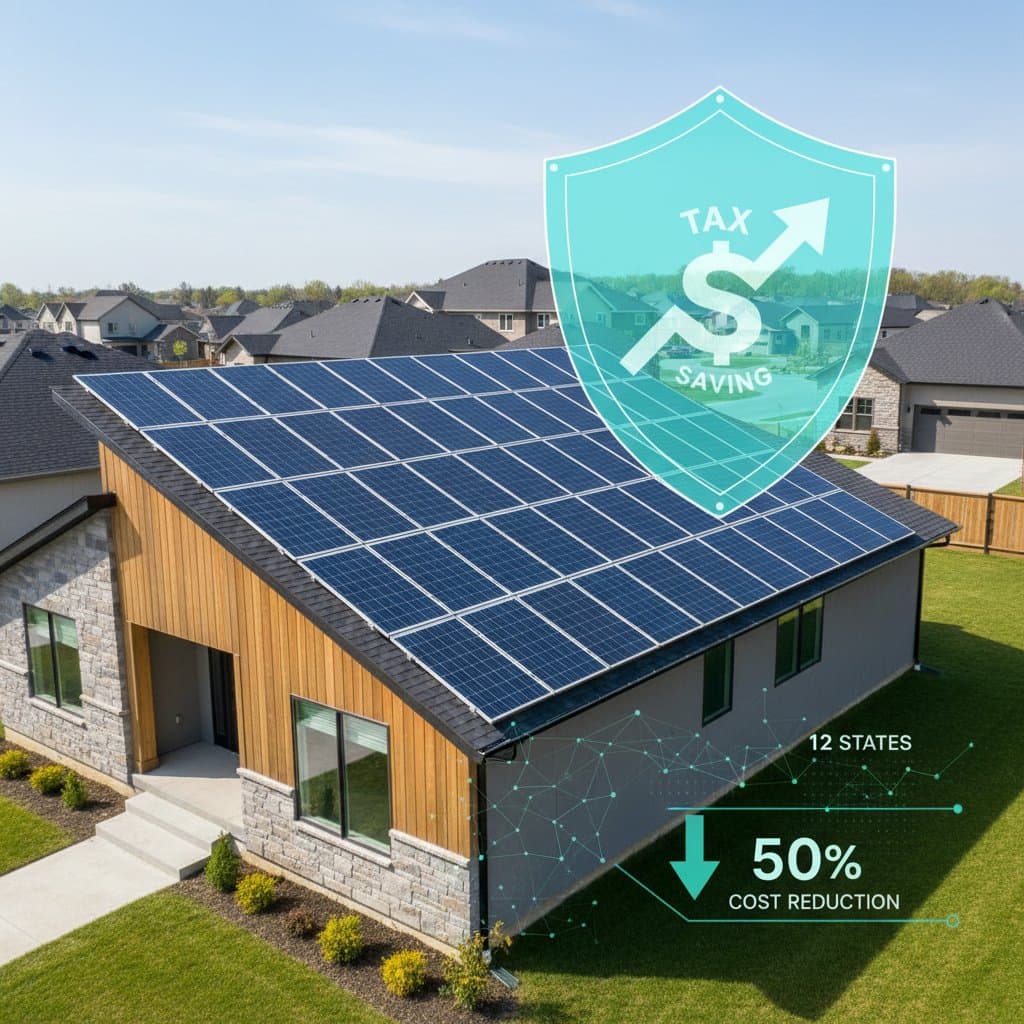
Featured image for Stack State and Federal Solar Credits for 50% Savings

Stack State and Federal Solar Credits for 50% Savings

In 2026, solar developers and homeowners can achieve substantial savings by combining federal and state incentives. Expanded tax credits, bonus adders, and local rebates reduce costs by more than 50 percent. Proper compliance, documentation, and adherence to domestic content rules ensure optimal returns in this dynamic solar market.

6 min read
Featured image for Stack Federal and State Solar Credits to Cut Costs

Stack Federal and State Solar Credits to Cut Costs

Combining federal and state solar incentives offers substantial cost reductions and faster returns on investment. This comprehensive guide details how to layer tax credits, rebates, and exemptions under current regulations, including Inflation Reduction Act enhancements, to optimize savings while maintaining full compliance for clean energy adopters.

6 min read
Featured image for Solar Rebates Now Stack to $12K for Homeowners

Solar Rebates Now Stack to $12K for Homeowners

Homeowners and businesses across key U.S. states now access up to $12,000 in combined solar rebates from federal, state, and utility sources. This incentive stacking boosts adoption rates, refines installer approaches, and trims payback times, creating urgent opportunities as funds and eligibility evolve.

4 min read
Featured image for Stacking Solar Incentives Can Cut 2026 Install Costs

Stacking Solar Incentives Can Cut 2026 Install Costs

Stacking federal and state solar incentives in 2026 reduces installation costs significantly and shortens payback periods. The Inflation Reduction Act provides stable federal credits, while states enhance rebates; strategic planning with storage and timing maximizes savings for homeowners and businesses.

4 min read
Featured image for Stack Solar Rebates and Save Over $15K on Installation

Stack Solar Rebates and Save Over $15K on Installation

Homeowners achieve substantial solar savings by layering federal tax credits with state rebates and utility programs. This approach reduces installation costs by more than $15,000, accelerates payback, and enhances energy independence. Proper planning and program sequencing turn solar adoption into a financially rewarding step toward sustainable living.

5 min read
Featured image for State Solar Rebates Now Reach $23K When Stacked

State Solar Rebates Now Reach $23K When Stacked

Eight U.S. states offer solar rebates up to $23,000, making residential installations a quicker, more rewarding investment. Stacking incentives with federal credits and utility programs shortens payback times, fosters equity, and drives clean energy expansion. Explore these savings in key markets.

4 min read
Featured image for Tax Stacking Cuts Solar Costs 56% in 2026

Tax Stacking Cuts Solar Costs 56% in 2026

Tax stacking revolutionizes solar economics by layering federal, state, and local incentives to secure up to 56% savings by 2026. Developers and installers optimize these benefits to minimize costs, improve profitability, and broaden solar adoption through precise incentive planning.

4 min read
Featured image for Stack Federal and State Solar Credits for Maximum Savings

Stack Federal and State Solar Credits for Maximum Savings

The Inflation Reduction Act opens doors to substantial tax savings for solar installations through effective incentive stacking. Pairing federal Investment Tax Credits with state rebates, utility programs, and bonus adders enables homeowners and developers to lower expenses significantly. Thoughtful planning, precise documentation, and strategic timing maximize these advantages, paving the way for a cost-effective shift to renewable energy.

5 min read
Featured image for IRA Solar Credit Extended Through 2034: What It Means

IRA Solar Credit Extended Through 2034: What It Means

The federal solar investment tax credit, extended through 2034, offers a decade of certainty for the clean energy sector. This 30 percent incentive, along with bonus adders, fosters domestic manufacturing, eases financing, and accelerates solar deployment nationwide, paving the way for innovation and expansion.

4 min read
Featured image for Stack Federal and State Solar Credits to Cut Costs

Stack Federal and State Solar Credits to Cut Costs

Homeowners and businesses achieve substantial solar savings by layering federal and state incentives. The Inflation Reduction Act enhances the Investment Tax Credit, which pairs effectively with local programs to accelerate returns and promote energy independence. Proper eligibility checks, timing, and records secure optimal financial outcomes.

5 min read
Featured image for Stack Federal and State Solar Incentives for Maximum Savings

Stack Federal and State Solar Incentives for Maximum Savings

Elevate your solar project savings by layering federal and state incentives strategically. Explore combining the Investment Tax Credit with rebates, performance incentives, and Inflation Reduction Act bonuses to reduce costs, shorten payback periods, and increase returns for homeowners and businesses embracing sustainable energy.

4 min read
Featured image for Stack Federal and State Solar Credits for Maximum Savings

Stack Federal and State Solar Credits for Maximum Savings

Combining federal and state solar incentives can reduce installation costs by up to 50 percent, reshaping project economics for homeowners, businesses, and developers. The Inflation Reduction Act provides a 30 percent federal tax credit, which pairs effectively with state rebates and adders. Strategic use of these benefits leads to faster returns and supports widespread clean energy adoption.

5 min read
Featured image for Act Fast: $12K Solar Rebates Expire March 2026

Act Fast: $12K Solar Rebates Expire March 2026

Homeowners have until March 2026 to access more than $12,000 in combined solar rebates. These incentives from federal, state, and utility programs offer substantial savings, yet time is limited as funding may decrease. Partnering with a certified installer ensures eligibility and full benefits before opportunities fade.

4 min read