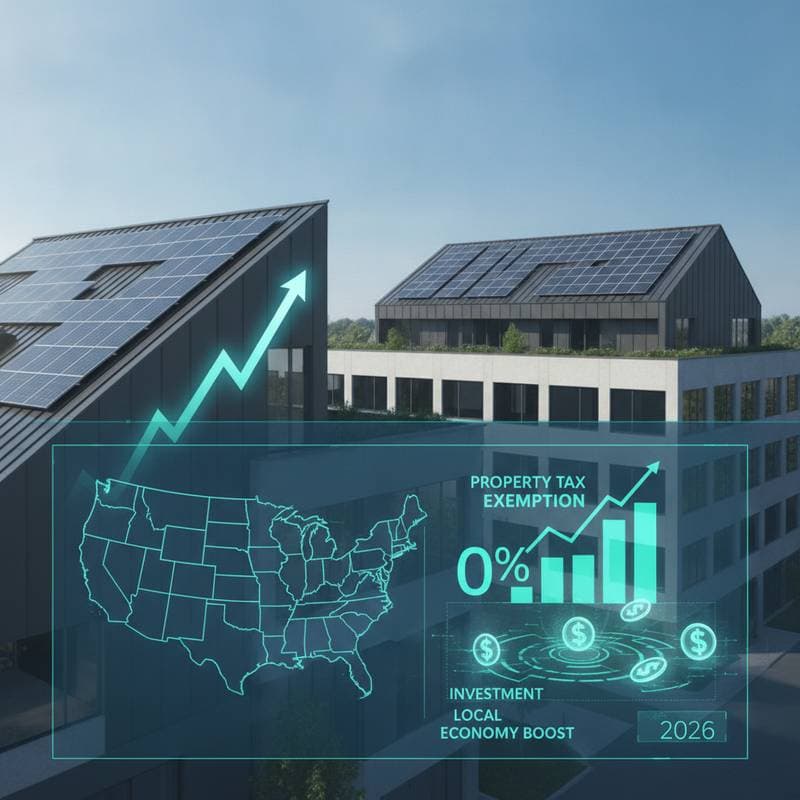
15 States Cut Solar Property Taxes in 2026
Fifteen states exempt solar systems from property taxes in 2026. The policies remove added equipment value from assessments and support wider adoption of renewable energy.
By Sheldon Stevens
3 min read
Loading...

Articles tagged with exemption
Fifteen states exempt solar systems from property taxes in 2026. The policies remove added equipment value from assessments and support wider adoption of renewable energy.
Starting in 2026, twelve states will exempt solar installations from property tax assessments, reducing costs for adopters and spurring investment in clean energy. These policies exclude solar value from taxable property totals, shortening payback times and enhancing market growth across the U.S.
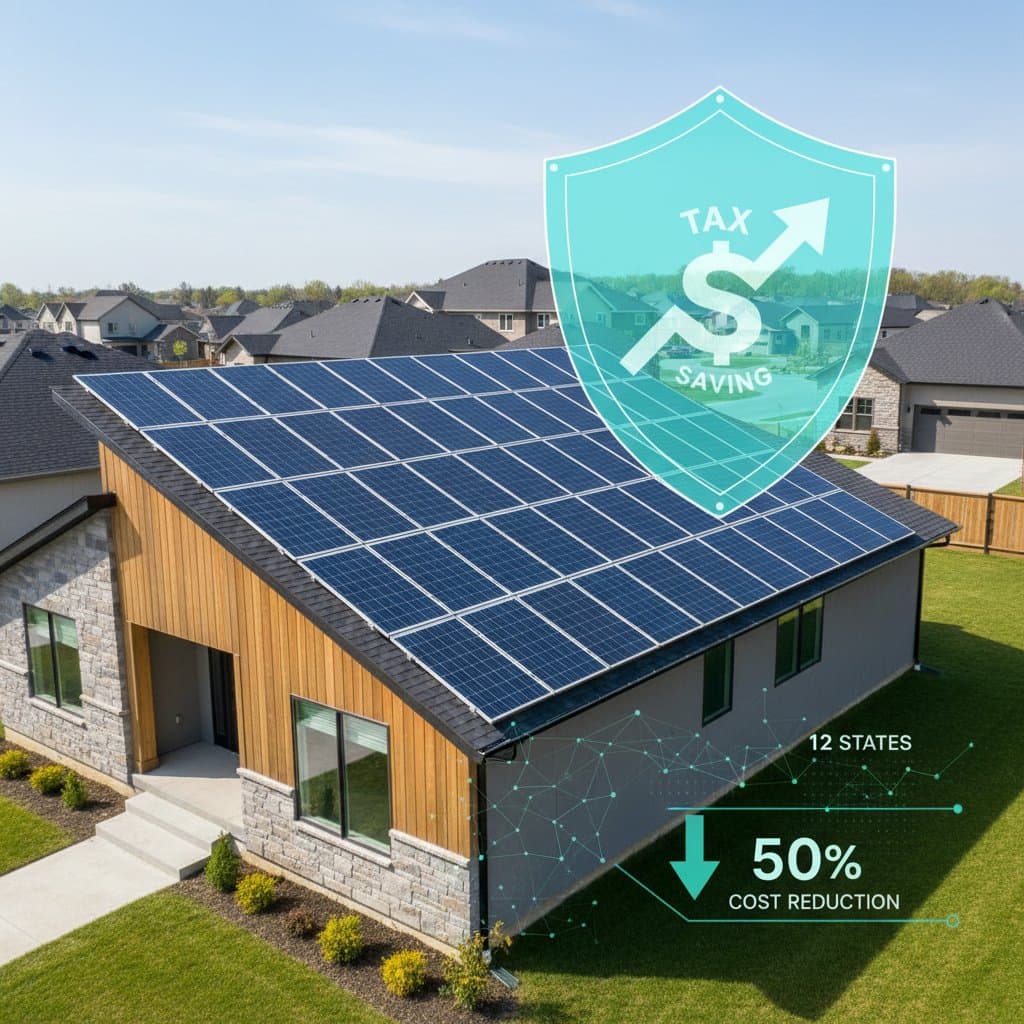
Twelve U.S. states have broadened solar property tax exemptions, which lower expenses and improve returns for homeowners and businesses. These measures avoid tax hikes on solar enhancements, support reliable financing, and advance clean energy expansion. Discover how these exemptions deliver savings, simplify setups, and transform solar economics across the country.

The 2026 property tax exemption for solar systems removes added assessments on installations, improving financial outcomes for residential, commercial, and industrial properties. This policy eases adoption barriers, supports project financing, and advances renewable energy goals. Understand its impact on costs, compliance, and market growth.

In 2026, fifteen states implement new property tax exemptions for solar systems, marking a pivotal advancement in clean energy policy. These incentives eliminate tax increases from solar installations, incorporate battery storage options, enhance investor appeal, and promote economic growth through job creation and energy independence.

From 2026, twelve U.S. states remove residential solar permits, slashing expenses, timelines, and bureaucracy for homeowners. This shift promotes DIY projects, transforms installer operations, and drives national clean energy growth, while upholding safety through uniform standards and utility checks.
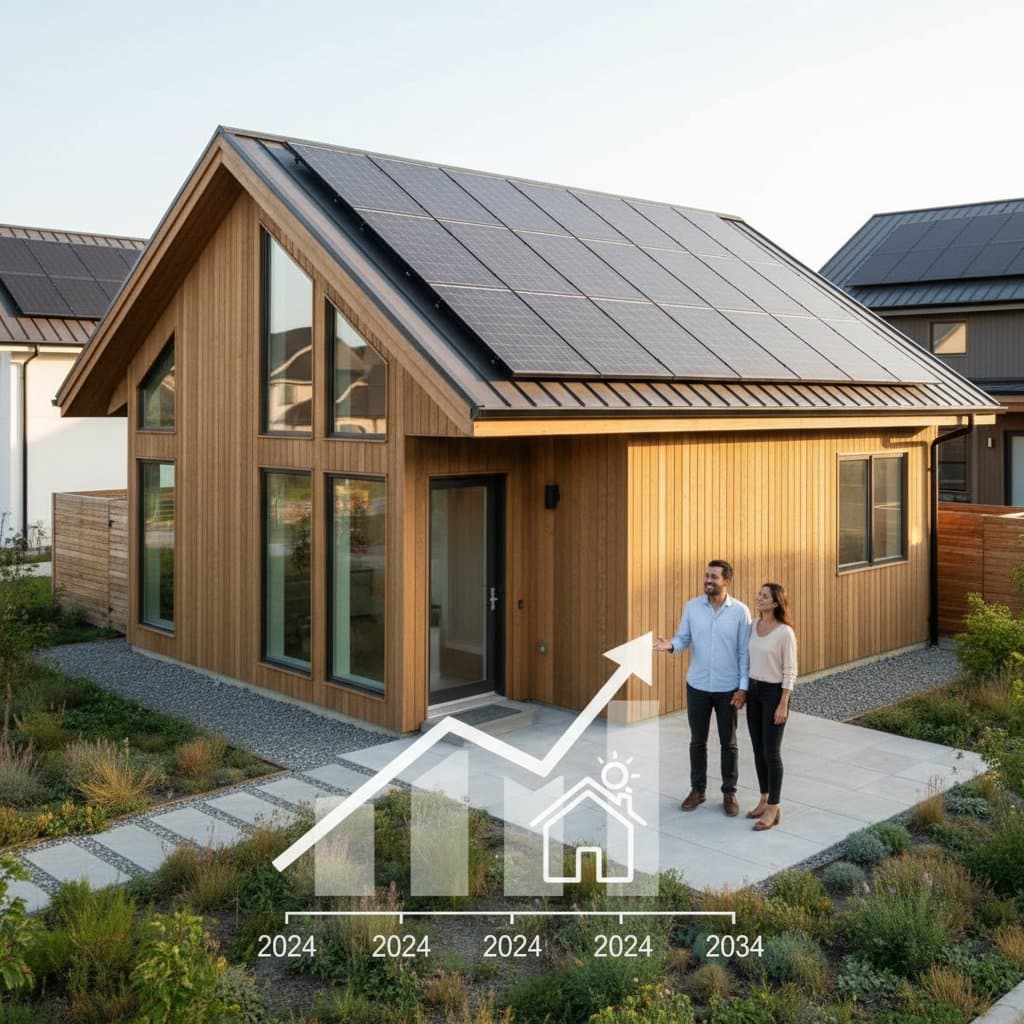
The solar property tax exemption now extends through 2034, providing homeowners with a decade of stable taxes despite rising home values from solar installations. This policy delivers sustained savings, bolsters financial confidence in solar investments, and underscores governmental support for renewable energy expansion.
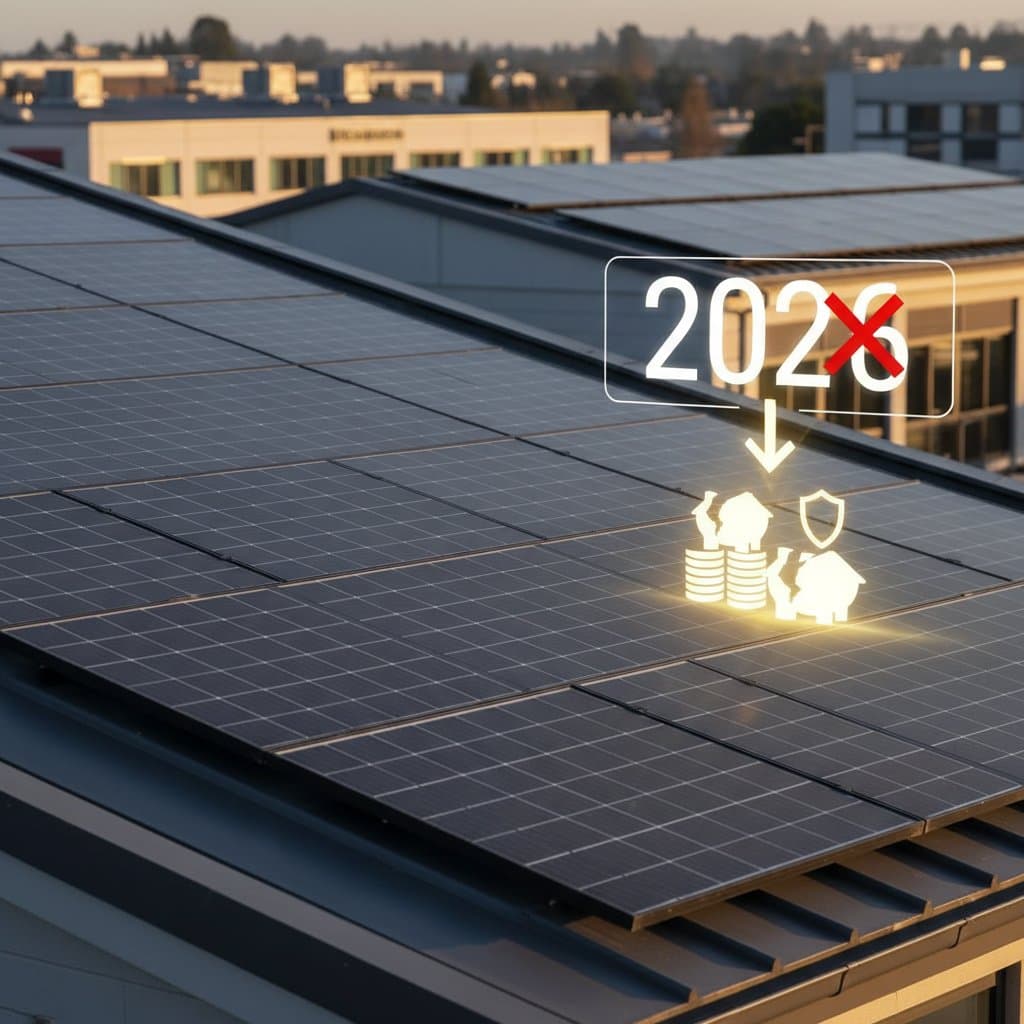
The solar property tax exemption, which prevents added system value from increasing property taxes, expires in 2026. This change could elevate annual costs and extend payback periods for solar investments. Property owners must prioritize installations now to lock in these savings and ensure long-term financial advantages.
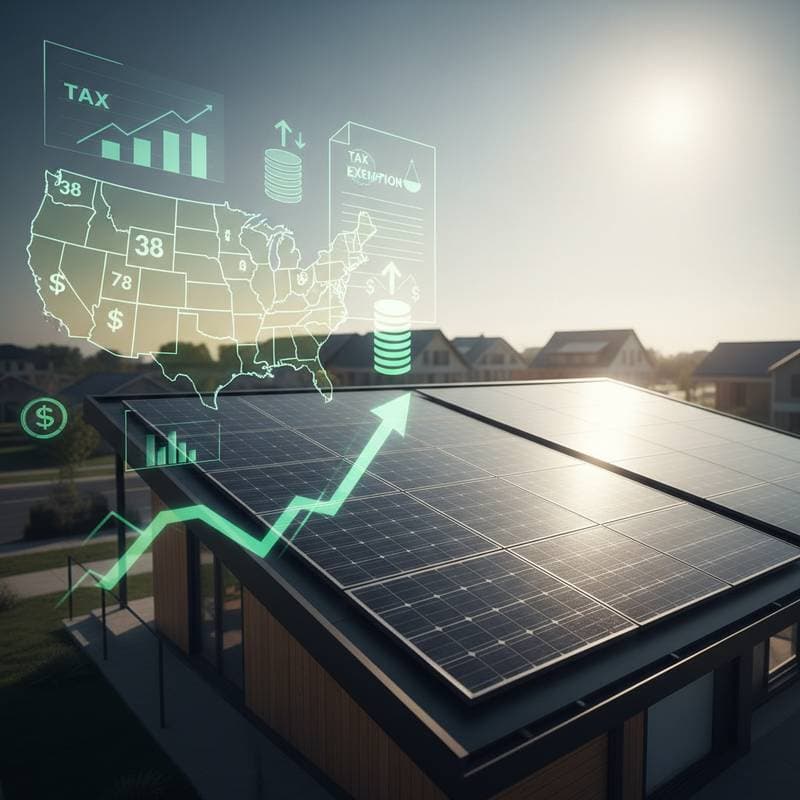
Solar property tax exemptions in 38 states exclude installed system values from assessments, transforming economics for diverse projects. These incentives elevate returns, draw investments, and fuel clean energy momentum, offering stability for developers, homeowners, and communities amid policy advancements.

Several U.S. states, such as New Mexico, Florida, and Maryland, plan to end or revise solar property tax exemptions in 2025. These changes may alter project financing, increase costs, and affect adoption rates. Developers, homeowners, and investors can use this guide to navigate the shifts and plan effectively in the renewable energy sector.