
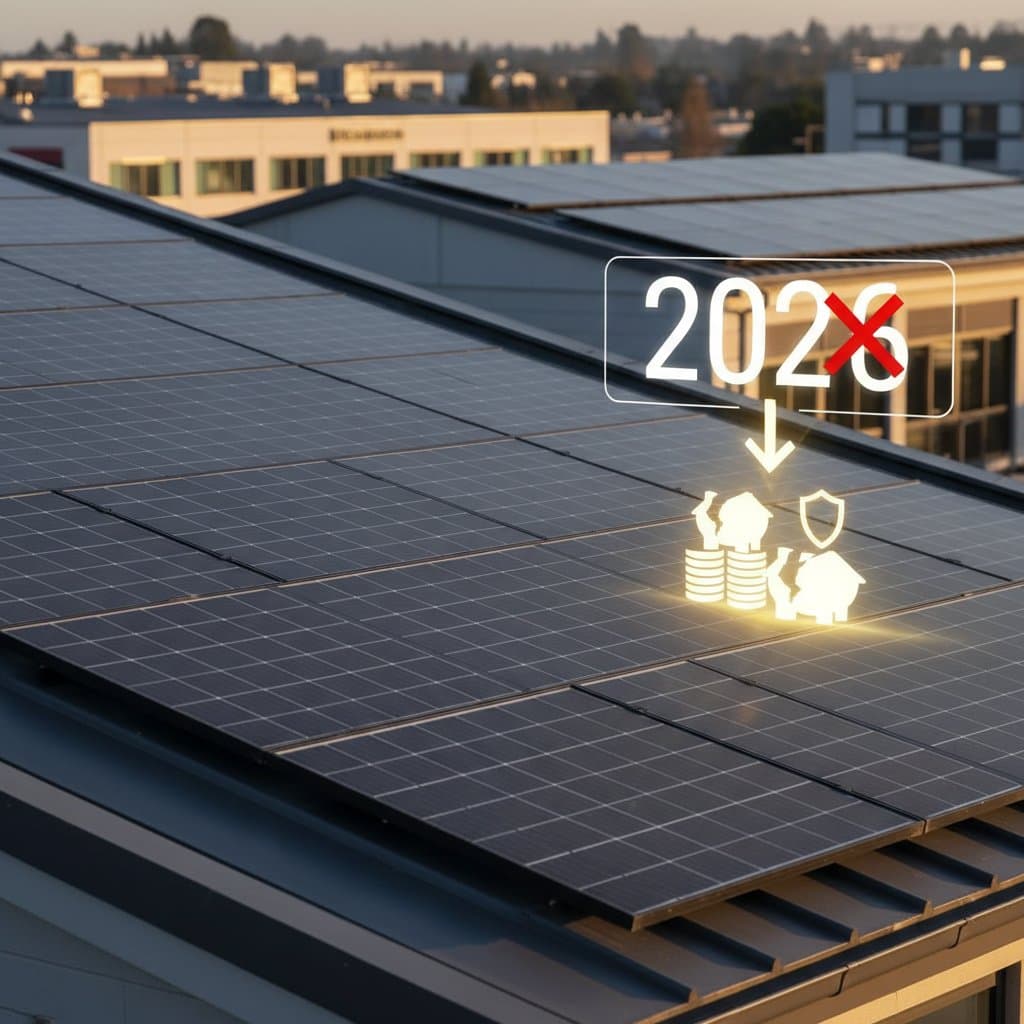
Understanding the Solar Property Tax Exemption Expiration in 2026
Solar energy adoption surges nationwide as property owners pursue reduced energy expenses and sustainable power options. Among the key financial incentives driving this growth, the solar property tax exemption stands out for its direct impact on ownership costs. Scheduled to expire after the current cycle, this benefit requires immediate attention from homeowners and commercial operators planning solar projects.
The exemption operates alongside the federal investment tax credit but addresses a distinct challenge: property value increases from solar installations. Without proactive steps, the 2026 deadline could reshape the economics of solar adoption for new systems.
Defining the Solar Property Tax Exemption
This policy enables property owners to exclude the value added by solar equipment from property tax assessments. Solar panels, inverters, and mounting hardware typically boost a property's appraised value, which would otherwise lead to higher taxes. The exemption shields owners from these incremental charges, preserving the investment's profitability.
Consider a residential solar system valued at $25,000 that raises home appraisal by a similar amount. In a jurisdiction with a 1.5 percent property tax rate, this could add $375 annually without the exemption. By removing this burden, the policy accelerates return on investment and broadens access to solar technology.
States implement the exemption through local tax codes, often applying it to both residential and commercial installations. This structure has fueled widespread solar deployment by aligning incentives with regional fiscal practices.
Implications of the 2026 Expiration
Post-2026, newly installed solar systems face full property tax inclusion, potentially raising annual obligations by hundreds or thousands of dollars depending on system scale and local rates. Commercial properties, with larger arrays, encounter the most substantial hikes, while residential owners in high-tax areas also feel the pinch.
Projects finished before the deadline generally secure the exemption for the system's operational life, often 25 years or more. Delays risk disqualifying installations, prompting a rush among planners to align timelines with permitting and construction phases.
This shift influences broader solar economics, as increased taxes extend payback periods from typical 6-10 years toward longer horizons. Lenders may adjust terms to reflect higher ongoing costs, affecting project viability.
Role of the Exemption in Driving Solar Expansion
The exemption lowers long-term ownership expenses, complementing upfront rebates and credits to create a comprehensive incentive package. It stabilizes financial projections, making solar attractive for diverse property types from single-family homes to apartment complexes.
Local governments benefit indirectly, as the policy promotes renewable integration without eroding non-solar tax bases. This approach fosters community-wide energy transitions, supporting roles in solar engineering, supply chain logistics, and maintenance services.
Data from adopting states shows the exemption correlates with higher installation rates and reduced reliance on fossil fuels, underscoring its value in national clean energy objectives.
State and Local Differences in Exemption Application
Property tax exemptions vary by jurisdiction, with over 30 states offering protections for solar additions. Full exemptions cover all equipment value in places like California and New York, while partial measures in others cap benefits at specific thresholds, such as 50 percent of added value.
Application processes differ: some regions grant automatic exemptions upon permit issuance, others require owners to submit affidavits or valuation reports. Commercial applicants often navigate additional reviews for multi-unit or industrial sites.
Property owners benefit from consulting state revenue departments or solar specialists early. These variations highlight the need for tailored guidance to ensure compliance and maximize exemptions.
Post-Expiration Scenarios for Solar Owners
After 2026, tax assessors incorporate solar value into annual valuations, leading to phased increases as properties reassess. In high-rate states like Texas or Illinois, a $50,000 commercial system might incur $1,000 more in yearly taxes.
This adjustment does not negate solar's core advantages, such as energy bill reductions averaging 20-30 percent. However, it necessitates recalculating net savings, where tools like online ROI calculators help forecast adjusted outcomes.
Financing providers may incorporate tax projections into loan structures, potentially raising interest rates or down payments for post-deadline projects.
Steps to Leverage the Exemption Before 2026
Property owners eyeing solar should initiate planning immediately to meet the deadline. Key actions include:
- Evaluate property specifics: Review current assessments and estimate solar-induced value changes using tools from local appraisers.
- Verify local rules: Contact tax offices or solar experts to outline eligibility, application forms, and any size restrictions.
- Advance permitting: Submit interconnection applications to utilities and secure building approvals at least six months ahead.
- Align funding sources: Explore federal credits, state grants, and loans that pair with the exemption for optimal cost coverage.
- Engage certified installers: Select NABCEP-accredited professionals to handle design, procurement, and timely commissioning.
These measures position projects for completion within the window, safeguarding tax protections.
Solar Sector Advocacy and Future Policy Directions
Industry leaders, including the Solar Energy Industries Association, push for exemption renewals through legislative channels. They present evidence of economic multipliers, such as every megawatt installed generating 10-15 jobs in related fields.
Several states consider indefinite extensions based on pilot program results, while federal discussions explore harmonized incentives. Market responses already show elevated demand, with installers reporting 20-30 percent inquiry spikes in affected regions.
Monitoring updates via state energy boards keeps stakeholders informed on potential shifts.
Integrating Solar Incentives for Optimal Returns
Solar viability persists beyond this exemption, bolstered by panel costs dropping 89 percent since 2010 and efficiencies exceeding 20 percent. Pairing remaining incentives yields substantial offsets: the federal credit covers 30 percent of costs, often stacking with utility net metering.
Long-term, solar enhances property resale values by up to 4 percent while cutting carbon footprints. Strategic timing around 2026 maximizes these layered benefits.
Securing Solar Benefits Through Timely Action
The 2026 exemption end marks a pivotal moment for solar decision-making. Homeowners and businesses gain most by assessing options now, confirming local provisions, and executing installations promptly.
This proactive approach not only preserves financial edges but also advances personal and communal sustainability goals. With clear planning, the transition to solar remains a rewarding path forward.