DIY Solar

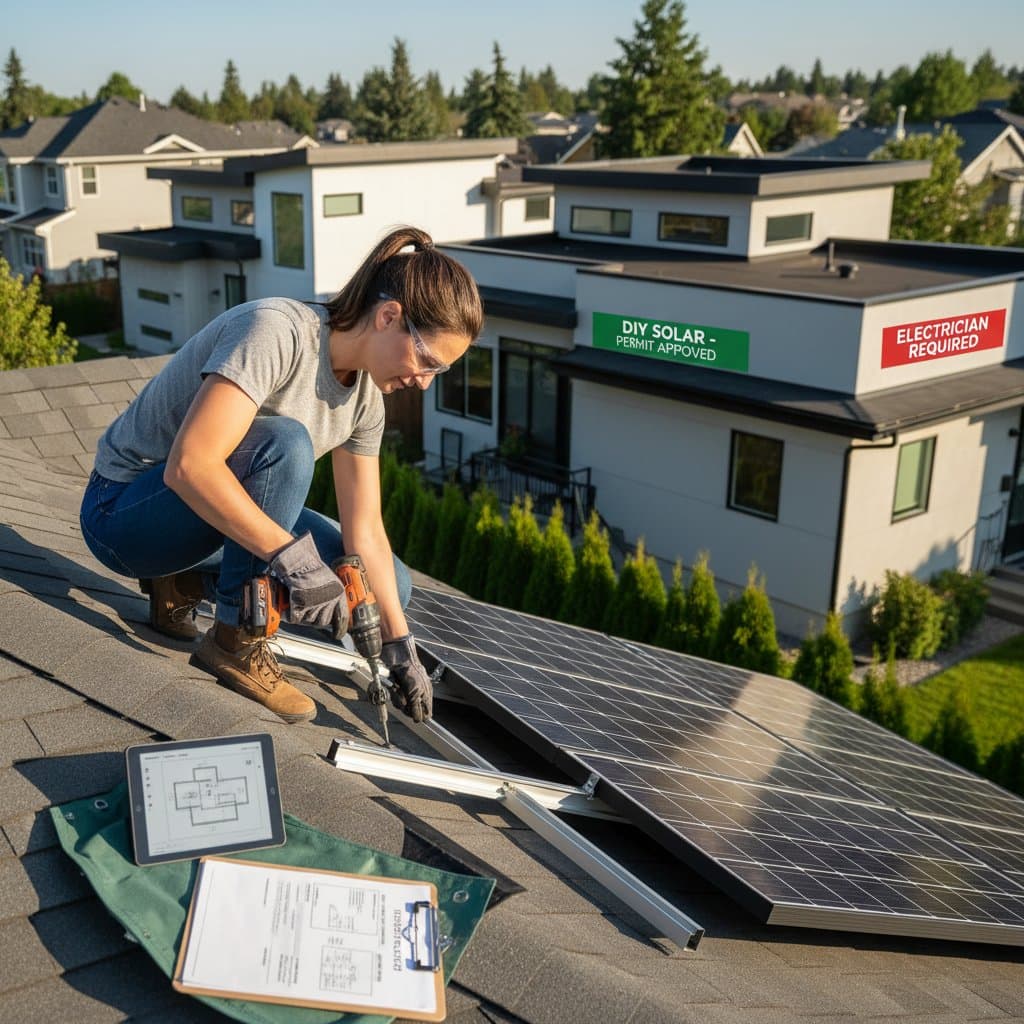
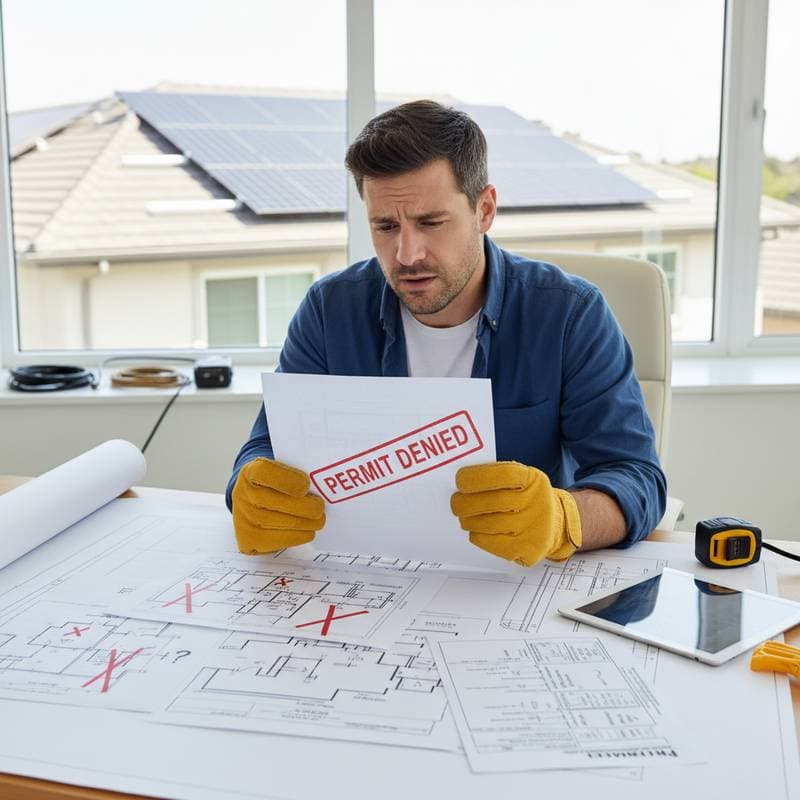
Featured image for DIY Solar Mistakes That Kill Your Permit Application

DIY Solar Mistakes That Kill Your Permit Application

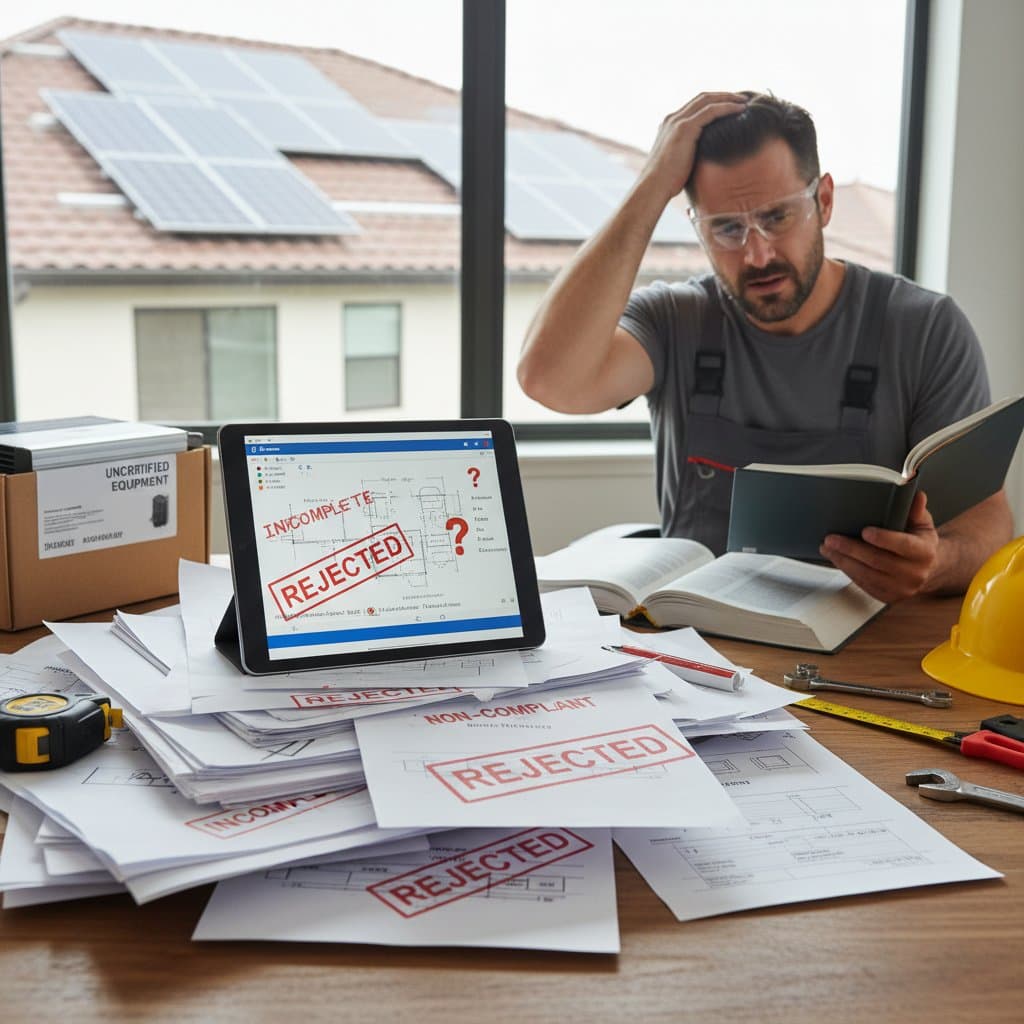
DIY solar initiatives frequently encounter permit obstacles from structural oversights, inadequate records, and regulatory breaches. Issues like flawed roof assessments, uncertified gear, and vague wiring plans trigger expensive setbacks. Grasping essential structural, electrical, and fire regulations from the start promotes efficient reviews and quicker solar deployment.

4 min read
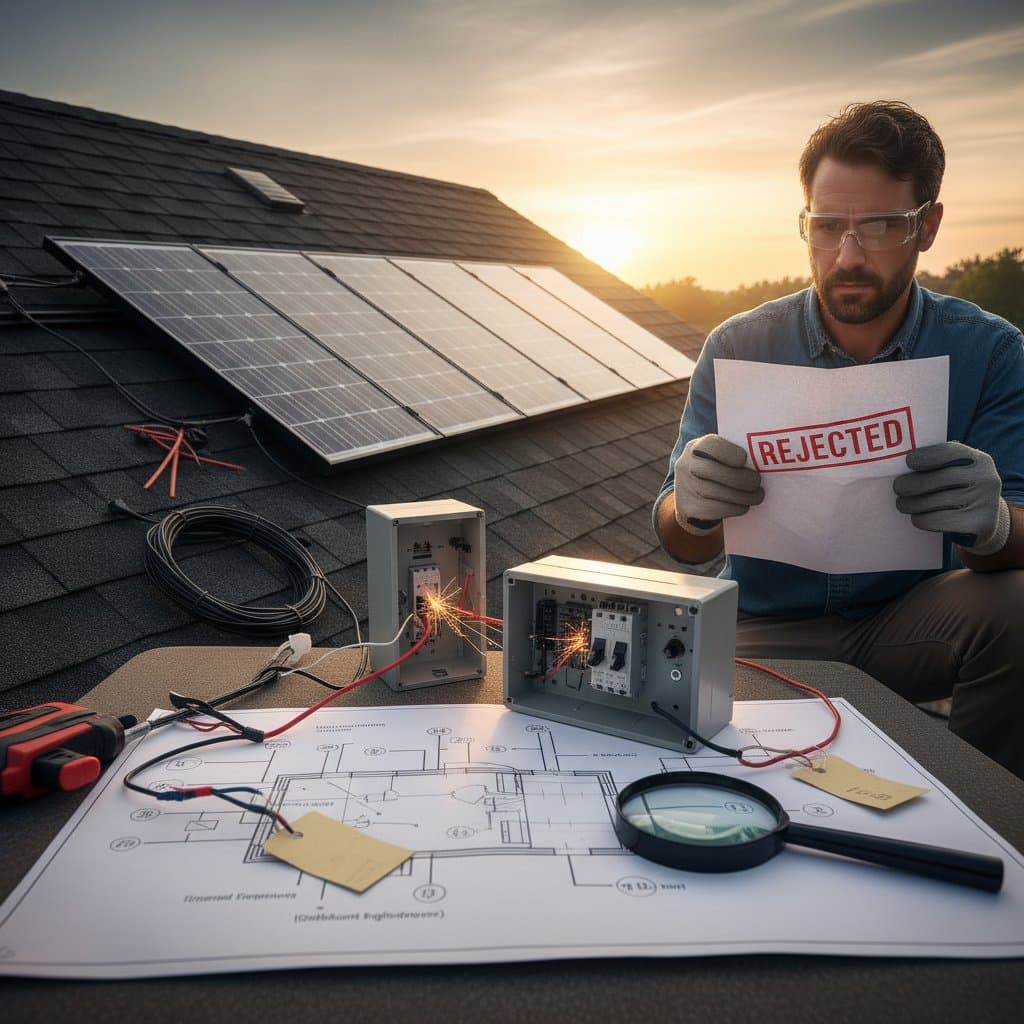
Featured image for Why DIY Solar Permits Get Rejected: The Wiring Diagram

Why DIY Solar Permits Get Rejected: The Wiring Diagram

DIY solar permits often face rejection due to flawed electrical diagrams, overlooked roof loads, absent grounding specs, imprecise site plans, and neglected local codes. Master these key issues to secure approval on the first submission, saving time and avoiding expensive setbacks.

4 min read
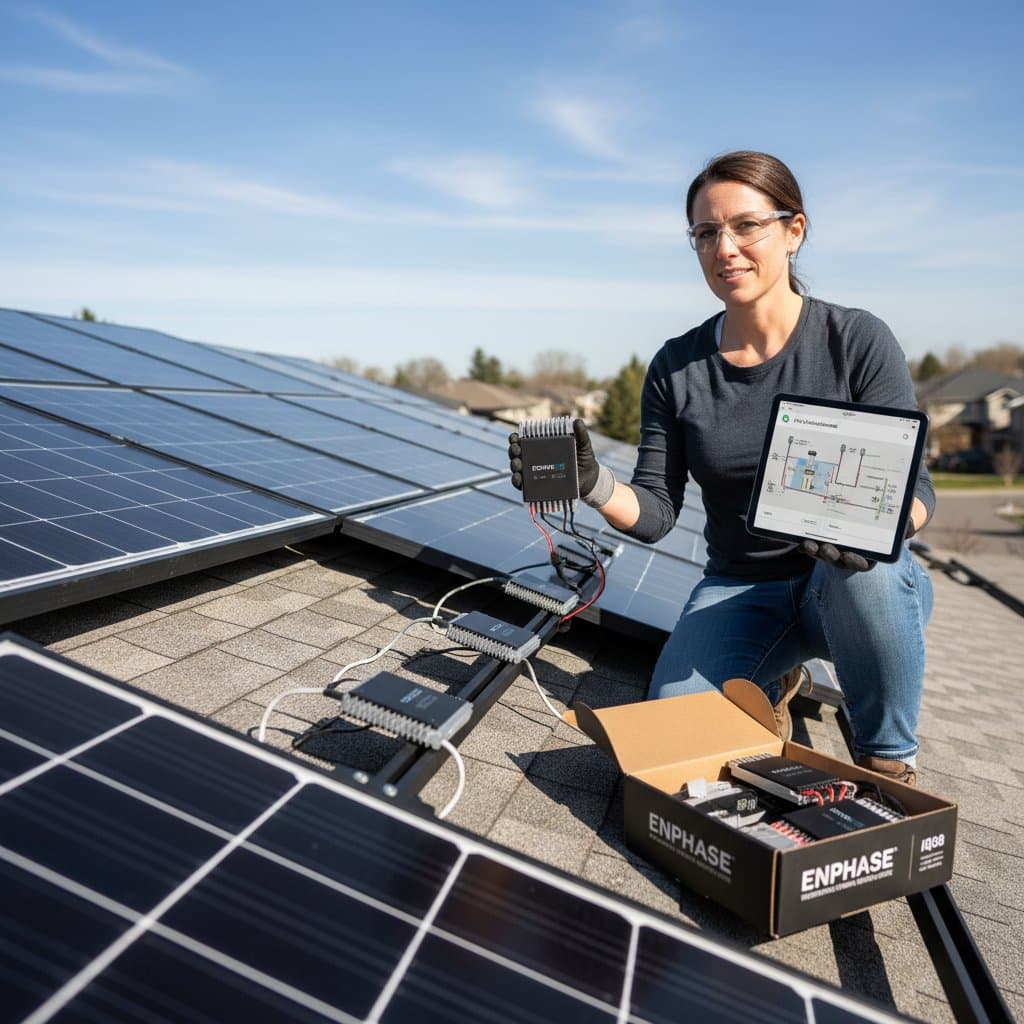
Featured image for Why DIY Microinverters Outshine String Systems

Why DIY Microinverters Outshine String Systems

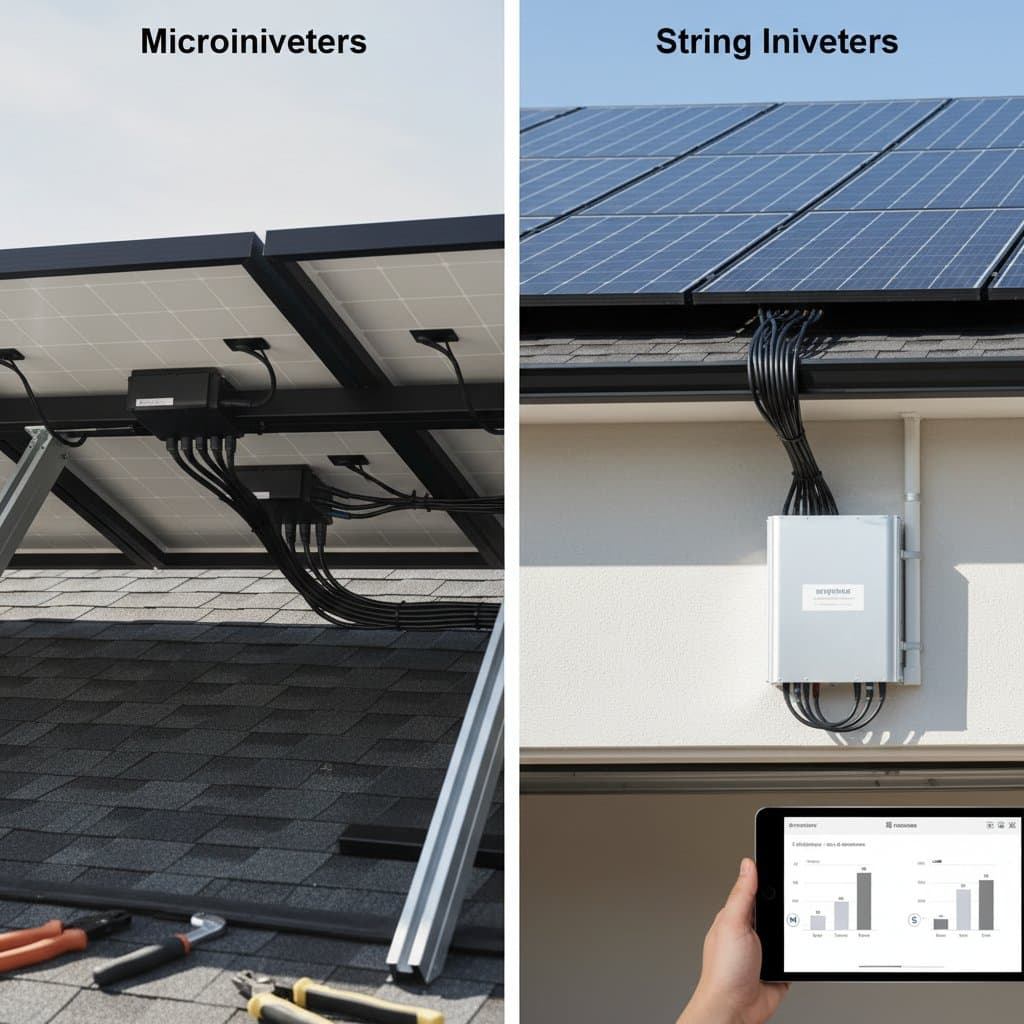
Homeowners embracing DIY solar installations increasingly favor microinverters for their enhanced safety, streamlined setup, and superior efficiency. These devices convert power directly at each panel, avoiding high-voltage DC risks, maximizing output, and enabling easy expansions. With intuitive monitoring, extended warranties, and adaptable designs, microinverters provide dependable performance that exceeds traditional string inverter setups.

4 min read
Featured image for Best 3000W Solar Generators Tested Off-Grid

Best 3000W Solar Generators Tested Off-Grid

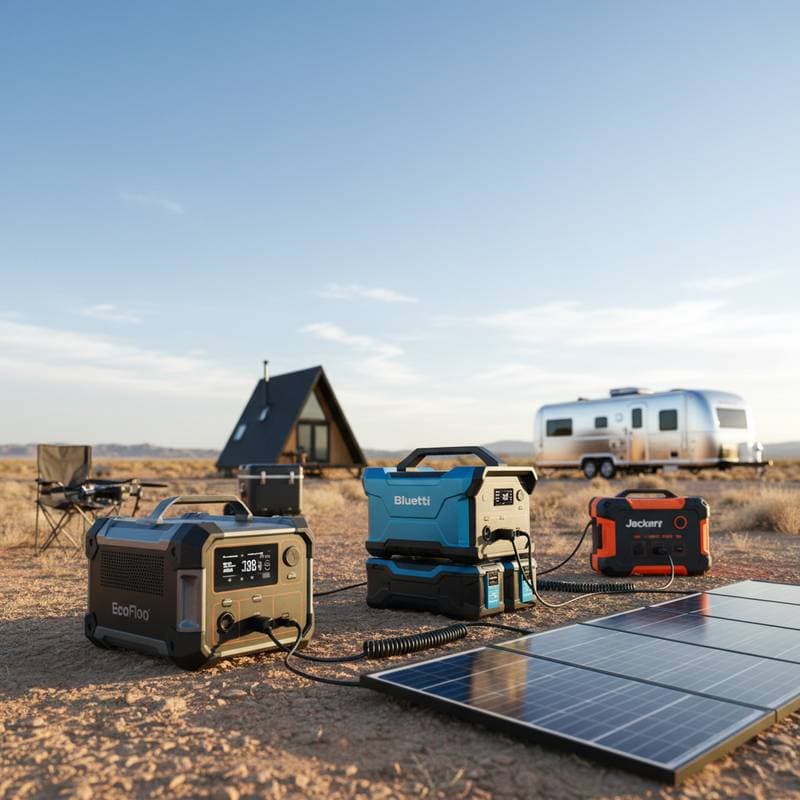
Off-grid power solutions in the 3000W range offer freedom for camping, RVs, and remote work. Real-world tests crown the EcoFlow Delta Pro for top performance, Bluetti AC300 for value, and Jackery Explorer 3000 Pro for portability. Discover how these generators balance capacity, efficiency, and ease for sustainable energy independence.

5 min read
Featured image for 5 DIY Solar Permit Mistakes That Block Approval

5 DIY Solar Permit Mistakes That Block Approval

DIY solar installations frequently encounter permit hurdles from minor oversights like generic plans, ignored fire rules, incomplete wiring details, faulty load assessments, and premature city submissions. Understand these five key errors and implement targeted solutions to expedite approvals and launch your system without frustration.

4 min read
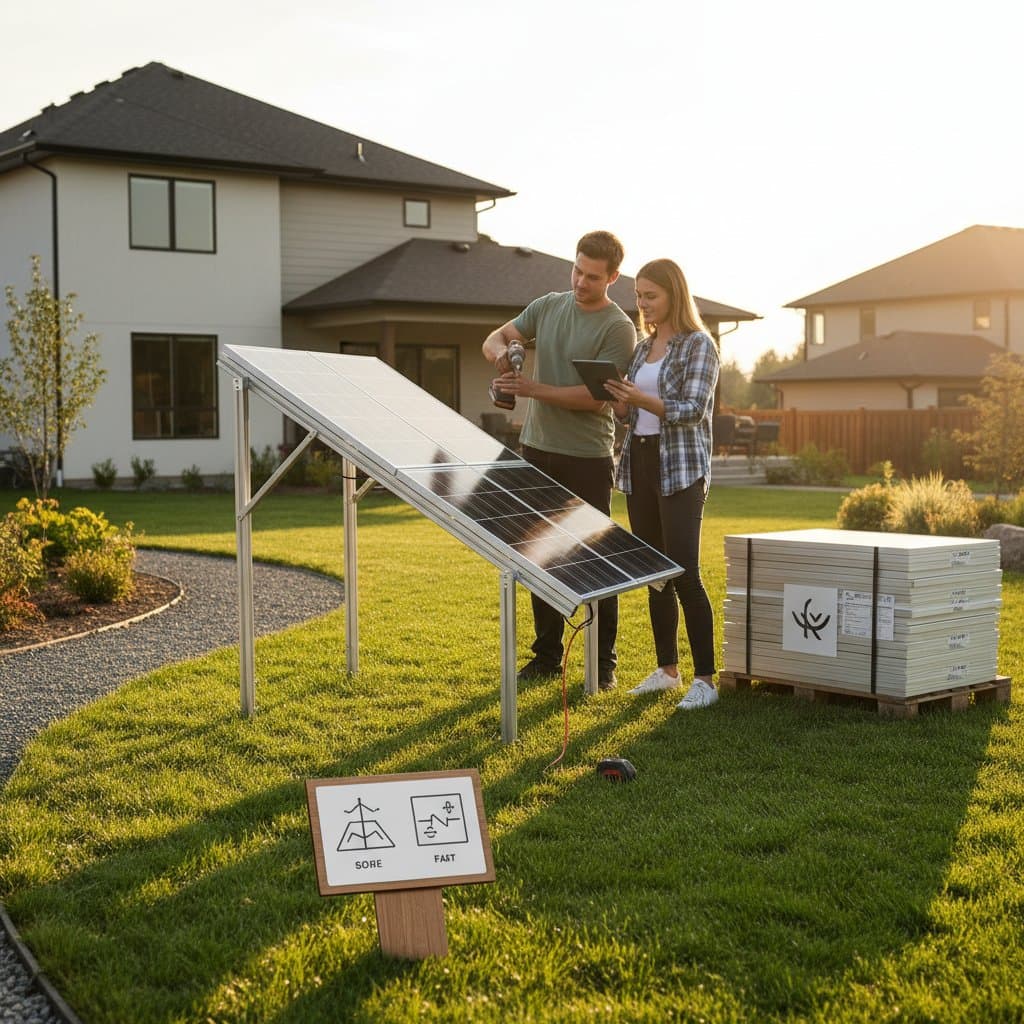
Featured image for Permit Exemptions That Simplify DIY Solar Installs

Permit Exemptions That Simplify DIY Solar Installs

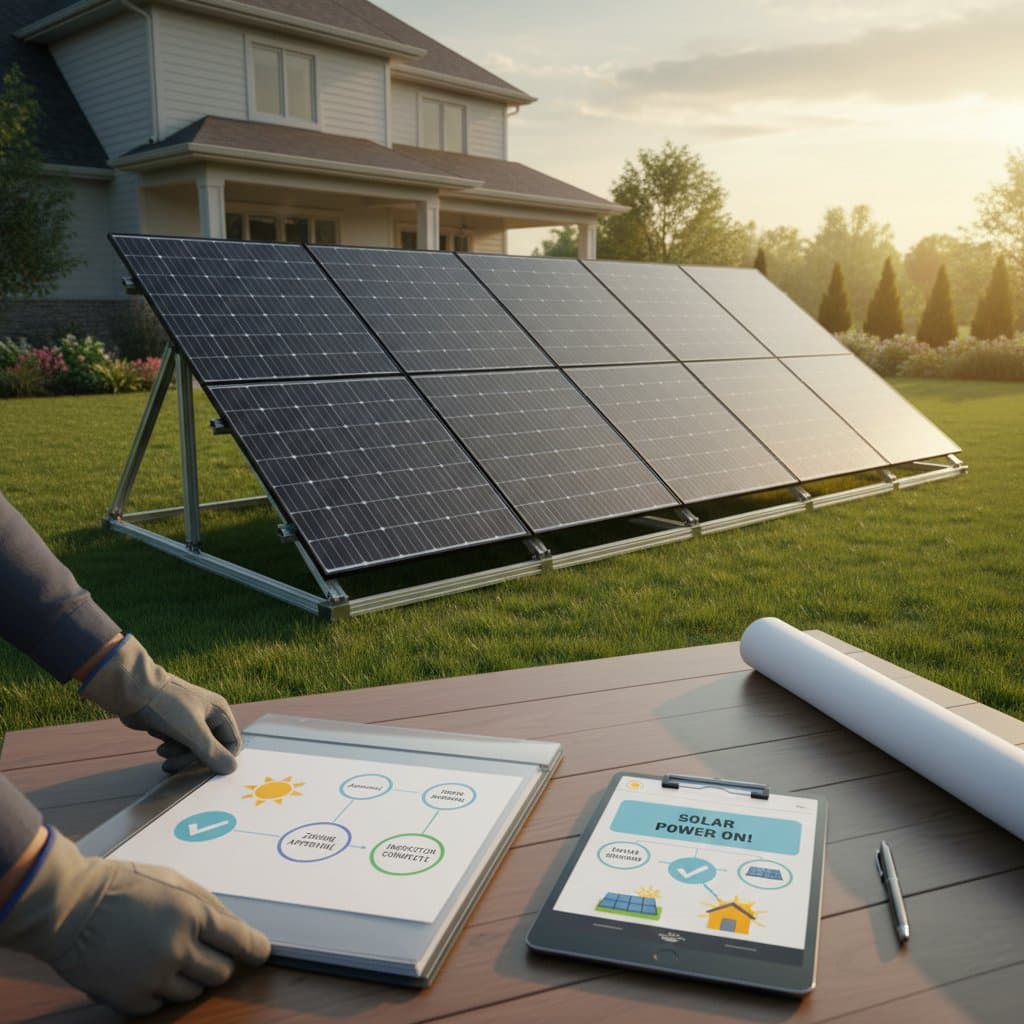
A DIY ground mount solar system offers design flexibility and energy savings without roof constraints. This guide details permit exemptions, zoning considerations, and approval shortcuts that enable homeowners to navigate regulations efficiently, sidestep pitfalls, and complete safe, compliant projects.

4 min read
Featured image for Microinverter Prices Drop 12% as Cost Gap Narrows

Microinverter Prices Drop 12% as Cost Gap Narrows

Declining hardware prices and changing tariffs fuel a 2025 competition between microinverters and string inverters. As cost differences shrink, labor factors and U.S. manufacturing advances prompt installers to reassess strategies. Microinverters excel in residential reliability, while string inverters lead in commercial scale, yet cost balance nears sooner than anticipated.

6 min read
Featured image for DIY Solar: Microinverters vs String Inverter Ease

DIY Solar: Microinverters vs String Inverter Ease

DIY solar projects require choosing between microinverters and string inverters. This comparison covers installation simplicity, safety features, shading resilience, and costs, highlighting microinverters' flexibility for beginners and string inverters' affordability for larger arrays. Gain insights to optimize your solar design for maximum efficiency and compliance.

5 min read
Featured image for 5 DIY Solar Mistakes That Derail Your Project

5 DIY Solar Mistakes That Derail Your Project

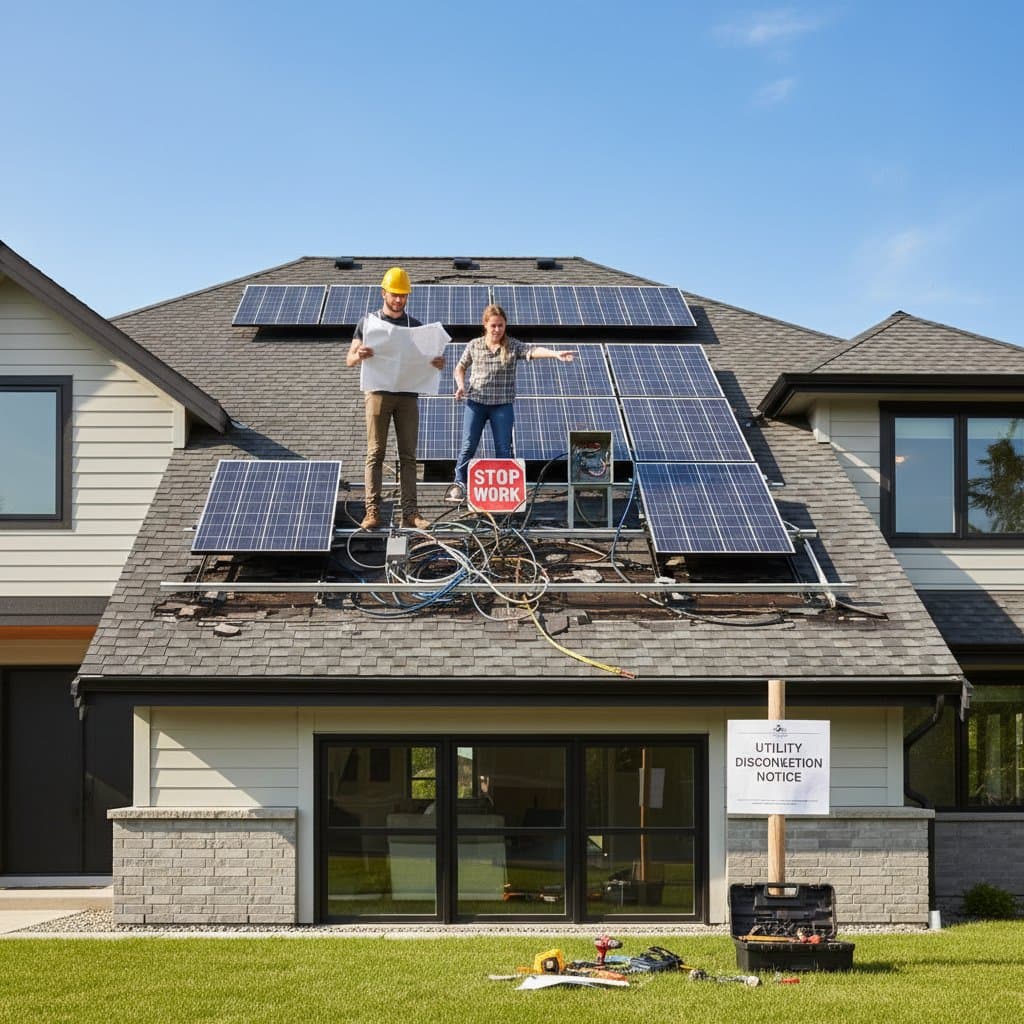
DIY solar installations offer substantial savings and energy independence, yet poor planning leads to delays and extra costs. Common errors include bypassing permits, incorrect sizing, code violations, roof oversights, and utility documentation gaps. Master these five pitfalls to build a reliable, compliant system that delivers long-term benefits.

5 min read
Featured image for States That Let You Install Solar Without an Electrician

States That Let You Install Solar Without an Electrician

Homeowners seeking to reduce energy costs and achieve solar independence often consider DIY installations. However, state regulations differ significantly. This guide details states permitting self-installation, those requiring professional electricians, and essential steps for compliance and safety.

6 min read
Featured image for DIY Solar Batteries Face Complex Legal Limits

DIY Solar Batteries Face Complex Legal Limits

Planning a DIY solar battery setup? Legality hinges on local permits, electrical codes, and utility approvals. Certified systems may allow owner installation with inspections, but custom builds often require professionals to meet standards and prevent hazards like fires or grid issues.

4 min read
Featured image for Code Violations That Kill DIY Solar Permits

Code Violations That Kill DIY Solar Permits

DIY solar projects often encounter permit hurdles from overlooked code violations such as oversized breakers, inadequate roof load calculations, improper wiring, grounding errors, and labeling oversights. These issues lead to rejections, delays, and added costs. Grasping these five key pitfalls equips homeowners to build compliant systems that pass inspections on the first try.

5 min read
Featured image for States Drop Electrician Rule for DIY Solar Installs

States Drop Electrician Rule for DIY Solar Installs

An increasing number of U.S. states permit homeowners to install solar panels without licensed electricians, fueling discussions on safety, affordability, and access. DIY solar kits and simplified permits boost growth, yet they prompt concerns about oversight from utilities, installers, and regulators seeking to harmonize consumer empowerment with grid protection.

5 min read
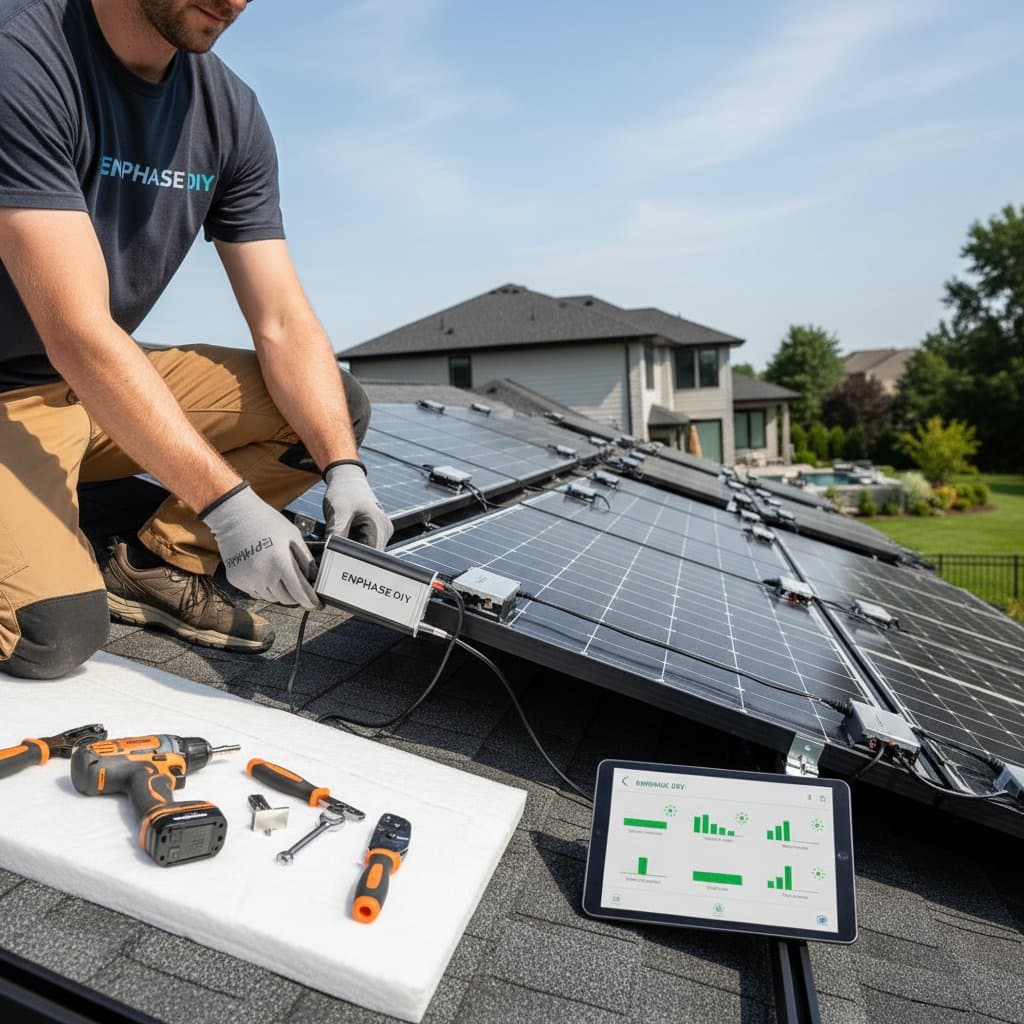
Featured image for Enphase Breaks Installer-Only Model for DIY Buyers

Enphase Breaks Installer-Only Model for DIY Buyers

Enphase Energy introduces direct-to-consumer sales of its microinverters, departing from the traditional installer-only model. This change enables DIY solar projects, improves quality assurance, and provides quicker sourcing for installers. By integrating direct and professional channels, Enphase broadens market access while addressing modern demands in residential solar adoption.

5 min read
Featured image for 3 States That Make DIY Solar Nearly Impossible

3 States That Make DIY Solar Nearly Impossible

DIY solar offers energy independence, yet bureaucracy in Florida, Nevada, and Massachusetts transforms promising projects into expensive setbacks. Explore restrictive licensing, erratic permits, and utility obstacles that hinder homeowners, plus practical reforms to enable secure, self-led clean energy adoption.

7 min read
Featured image for Streamlined Permits Make DIY Ground Solar Accessible

Streamlined Permits Make DIY Ground Solar Accessible

Streamlined permitting and modular components are revolutionizing DIY ground-mounted solar installations, turning bureaucratic hurdles into straightforward home projects. Homeowners benefit from rapid approvals, cost savings, and adaptable designs, as local authorities adopt uniform procedures. This evolution fosters a surge in self-built, sustainable energy solutions that enhance home resilience.

7 min read