VPPs Turn Your Solar Into a Revenue Stream
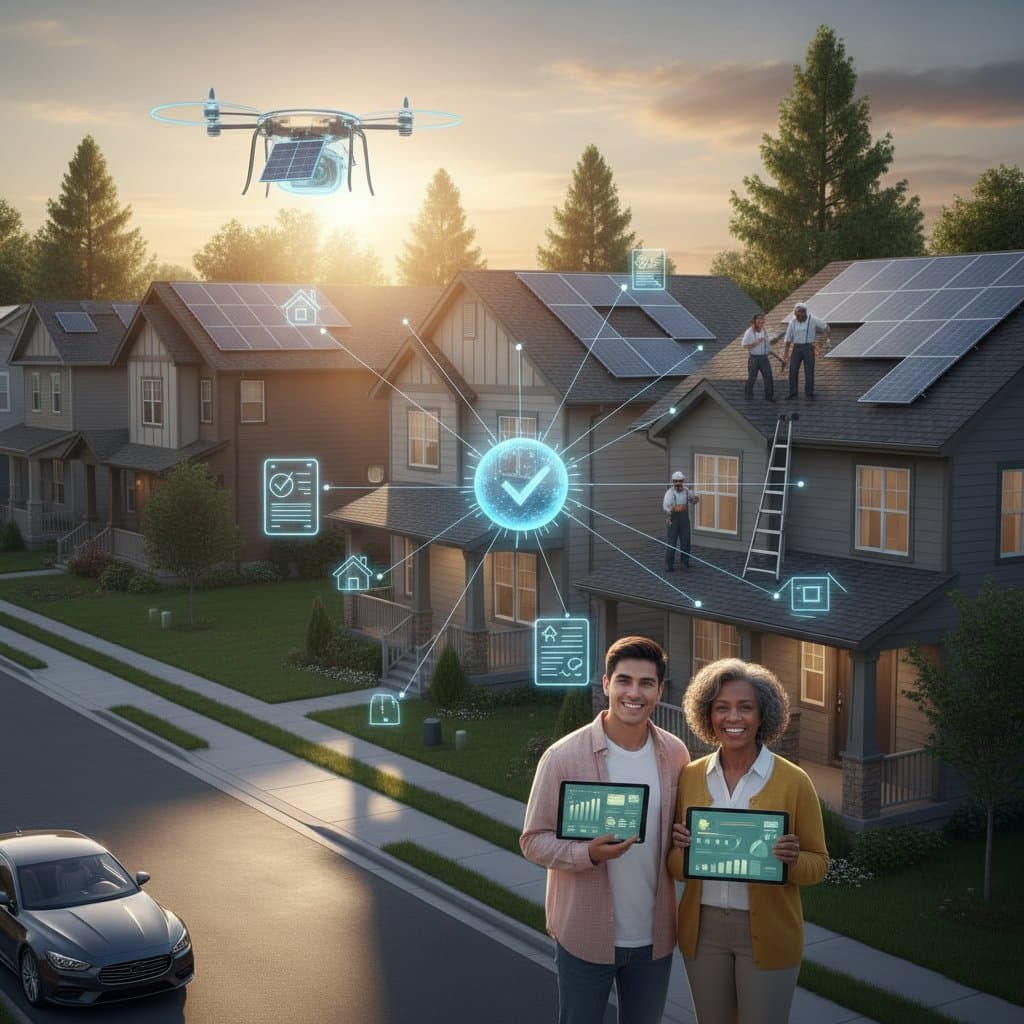
Virtual Power Plants aggregate rooftop solar and batteries into networks that generate revenue and strengthen grid performance. Participants monetize surplus power and improve project economics.
Loading...
Articles tagged with energy
Virtual Power Plants aggregate rooftop solar and batteries into networks that generate revenue and strengthen grid performance. Participants monetize surplus power and improve project economics.
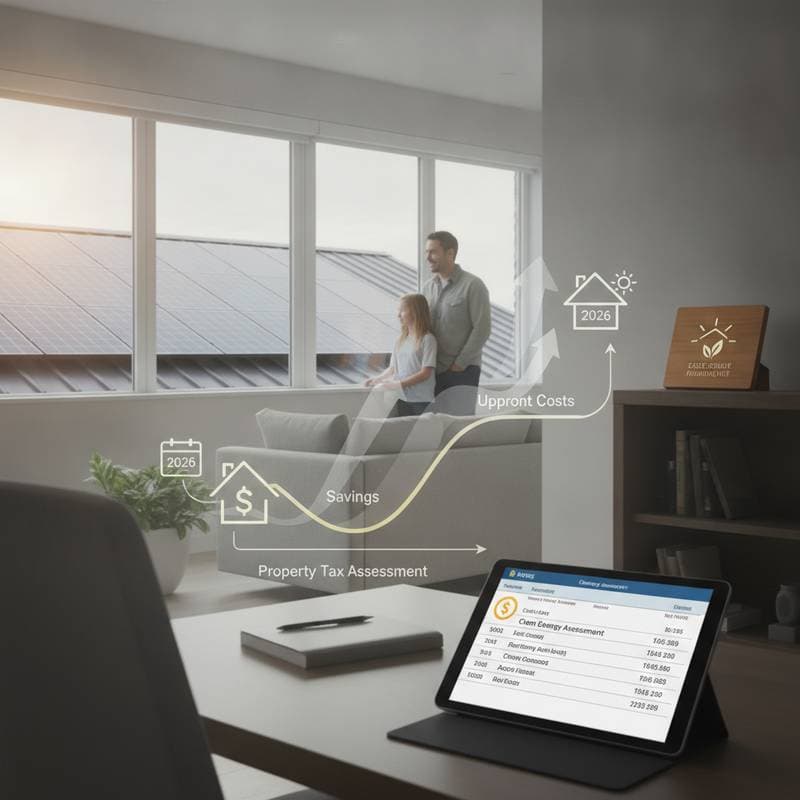
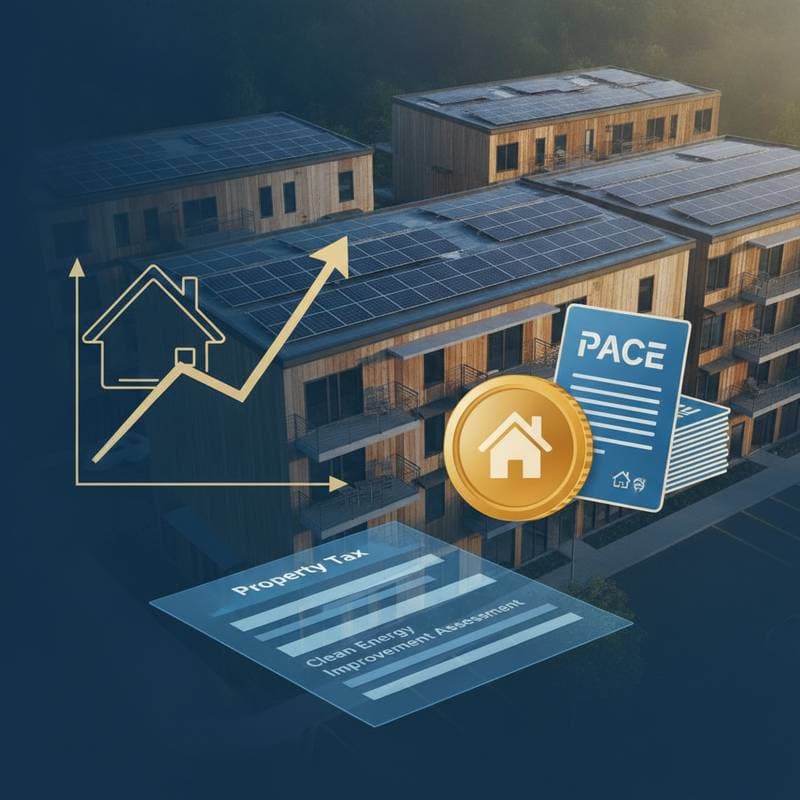
PACE financing allows property owners to add solar with no upfront cost by repaying through property taxes. The model improves access to clean energy, lowers utility bills, and increases building value while supporting sustainability goals.
PACE financing ties solar costs to property taxes, removing upfront payments while preserving ownership. Updated consumer protections and incentive stacking have increased program reliability for 2026 installations.
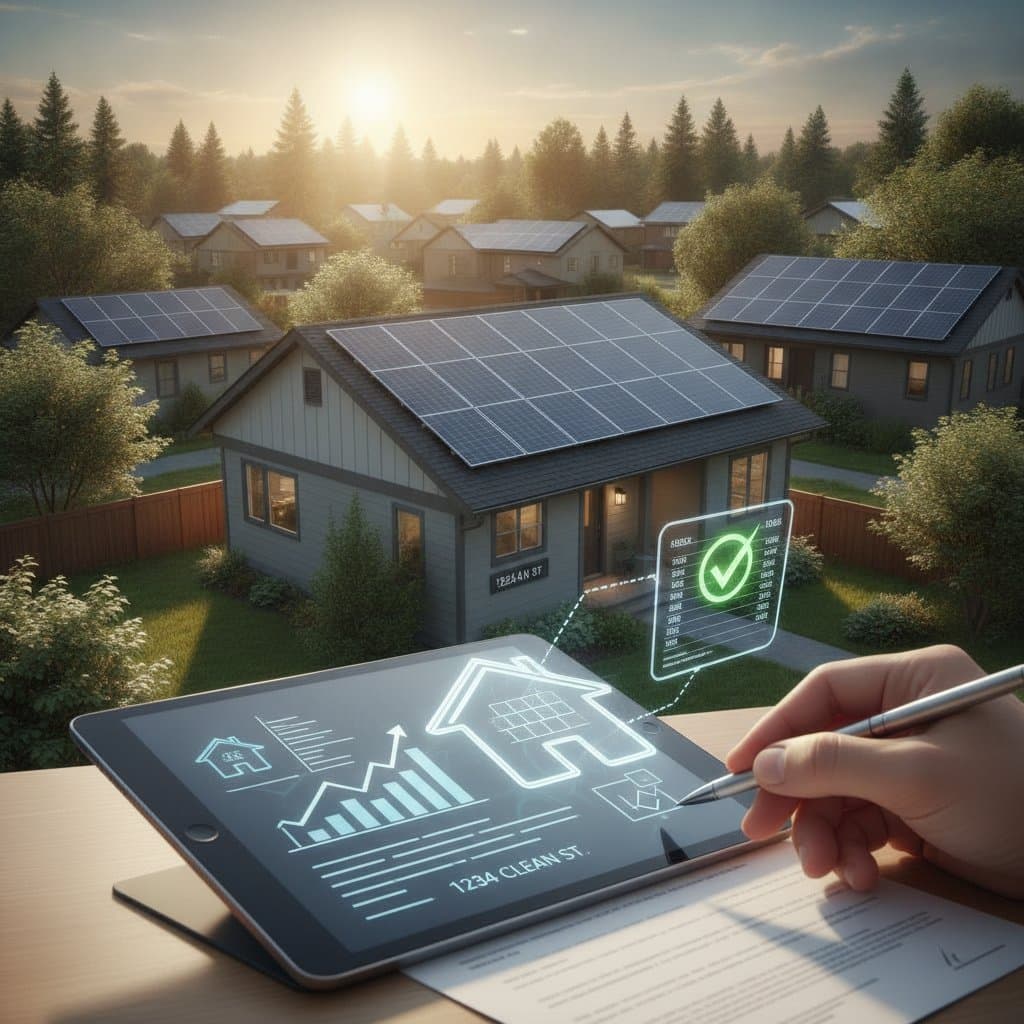
PACE loans let homeowners install solar without bank loans or upfront costs by repaying through property taxes. This approach expands access to clean energy while presenting specific regulatory considerations for participants.
Pairing smart thermostats with solar power can cut household energy bills by up to $1,200 annually. This approach optimizes energy use, shortens payback periods, and improves comfort through automation. Growing utility incentives and integrated technologies deliver efficiency gains for homeowners and installers alike.
The zero-down PACE solar financing model eliminates upfront costs by tying repayment to property taxes, enabling homeowners and businesses to adopt solar energy without loans, achieve instant savings, and transfer obligations upon sale for wider clean energy access.
Set to launch in 2026, No Credit PACE Loans eliminate credit barriers in solar financing by basing eligibility on property value and tax history. This approach promises to include millions more in clean energy benefits, ease installer processes, and promote fair access in underserved areas across the United States.
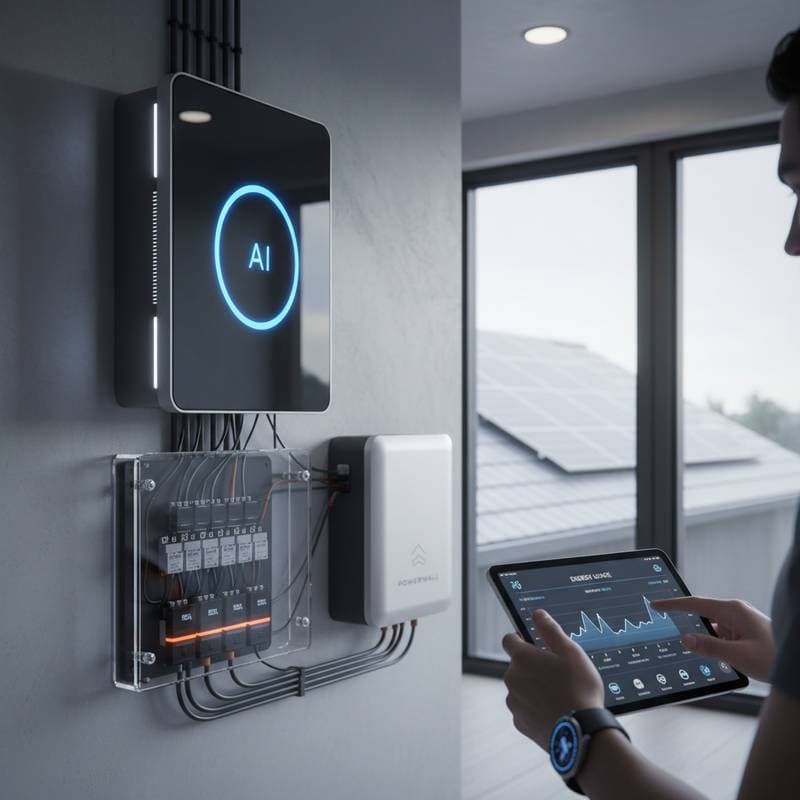
AI energy monitors offer potential savings of up to 40% on electricity bills, though outcomes depend on home efficiency, automation levels, and user involvement. These tools analyze consumption patterns, optimize appliances, and pair seamlessly with solar setups or smart homes. Despite concerns over costs and privacy, increasing use indicates that AI energy management transitions from concept to effective practice.
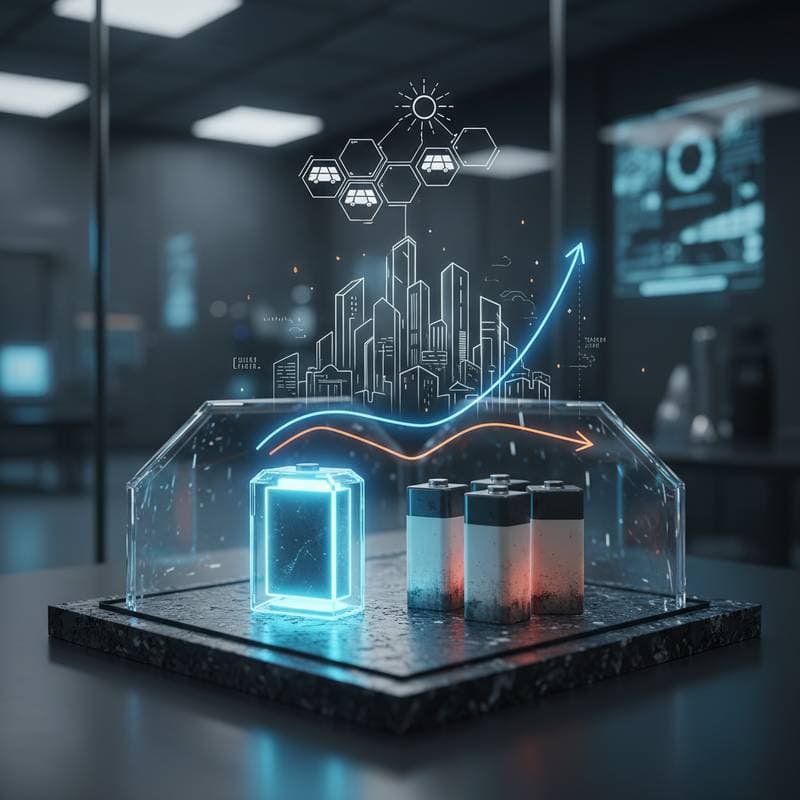
Solid-state batteries revolutionize energy storage by offering three times the durability of lithium-ion cells. Replacing liquid electrolytes with robust solids enhances safety, boosts energy density, and improves efficiency. Though production challenges persist, their longevity reduces waste and supports sustainable applications in electric vehicles and renewable systems.
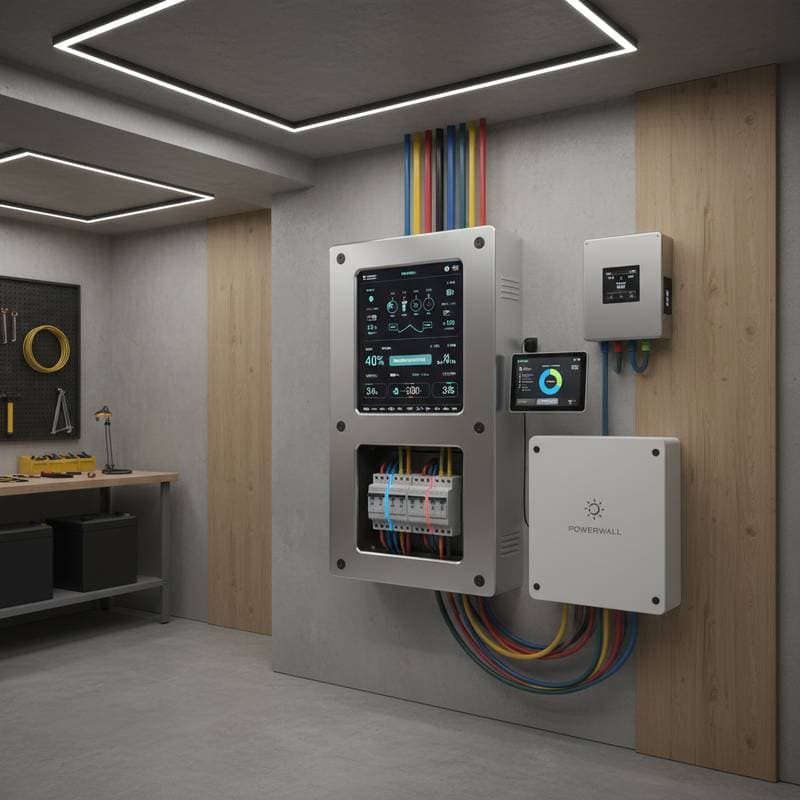
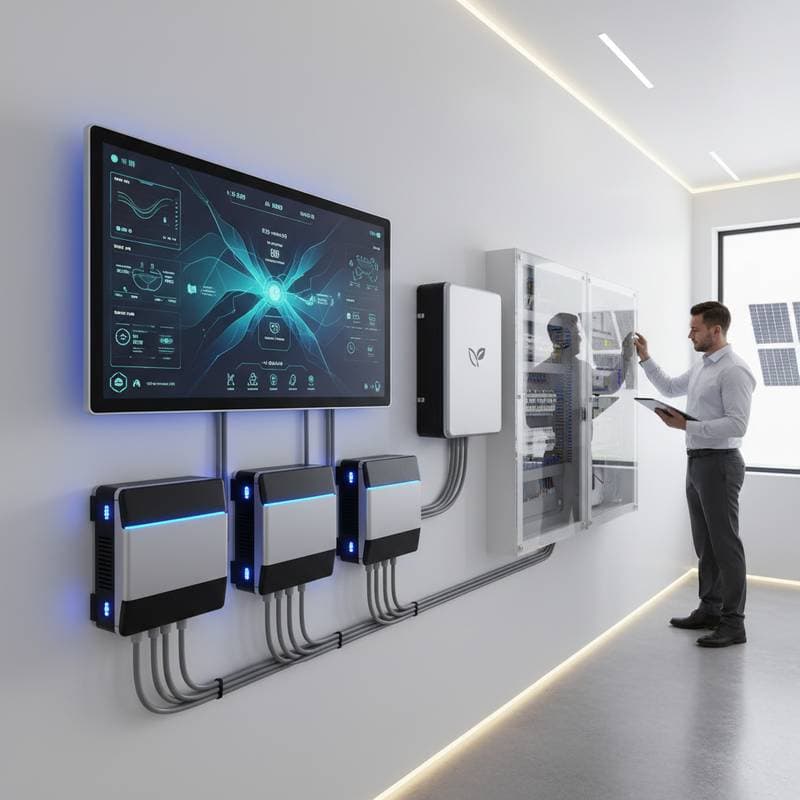
Smart electrical panels deliver up to 40% savings on energy bills via real-time tracking and load automation. They optimize consumption, pair with solar and batteries for peak efficiency, and elevate safety standards. Despite initial costs, they yield robust returns for tech-savvy properties focused on intelligent energy oversight.
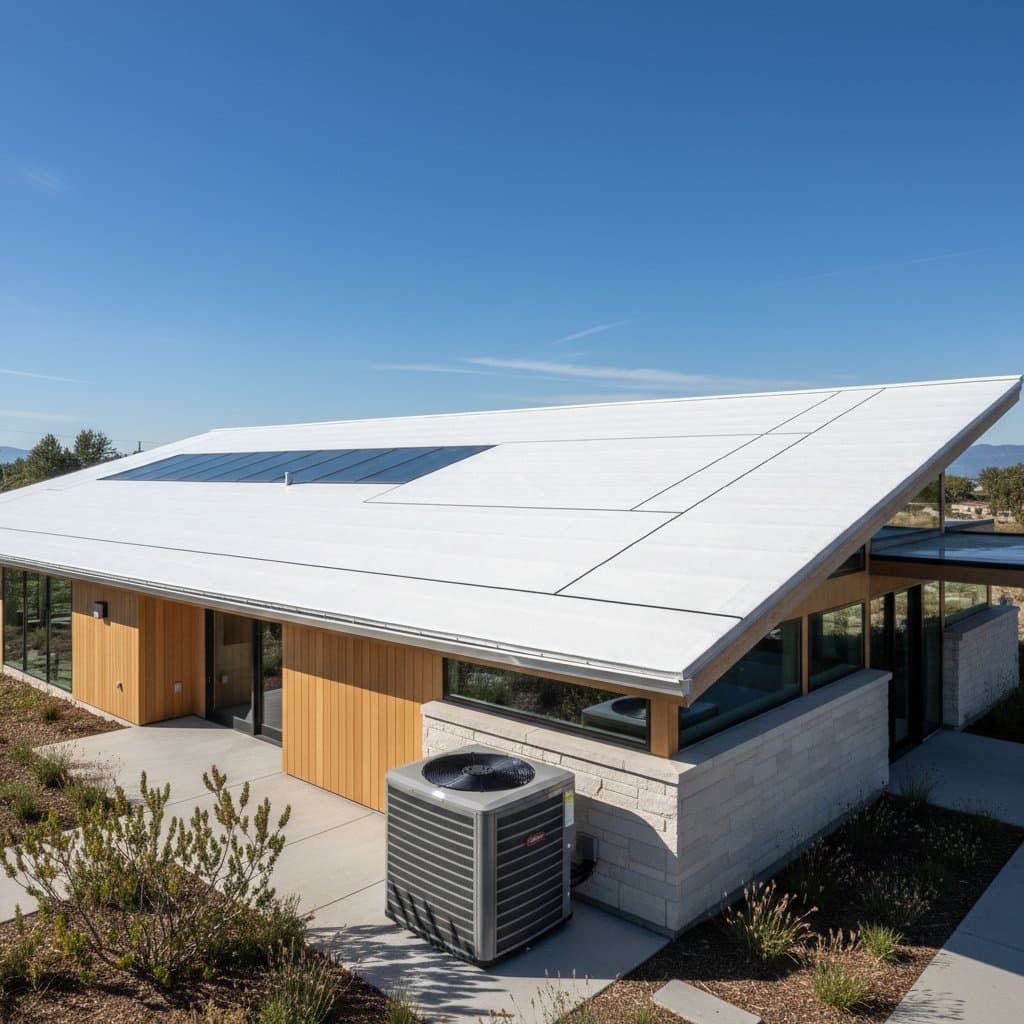
Prior to installing solar panels, optimize your roof for energy savings. Cool roofs featuring reflective materials decrease air conditioning demands by up to 25 percent, minimize required solar system sizes, and prolong roof durability. Discover strategies involving advanced coatings, seamless integration, and design principles that amplify the effectiveness of cool roofs alongside solar systems.
AI energy monitors claim to reduce electricity bills by up to 40 percent through intelligent analysis and automation. Actual savings hinge on factors like user involvement, home setup, and renewable energy integration. These devices transform energy management for many households, though they require active use to realize full potential.
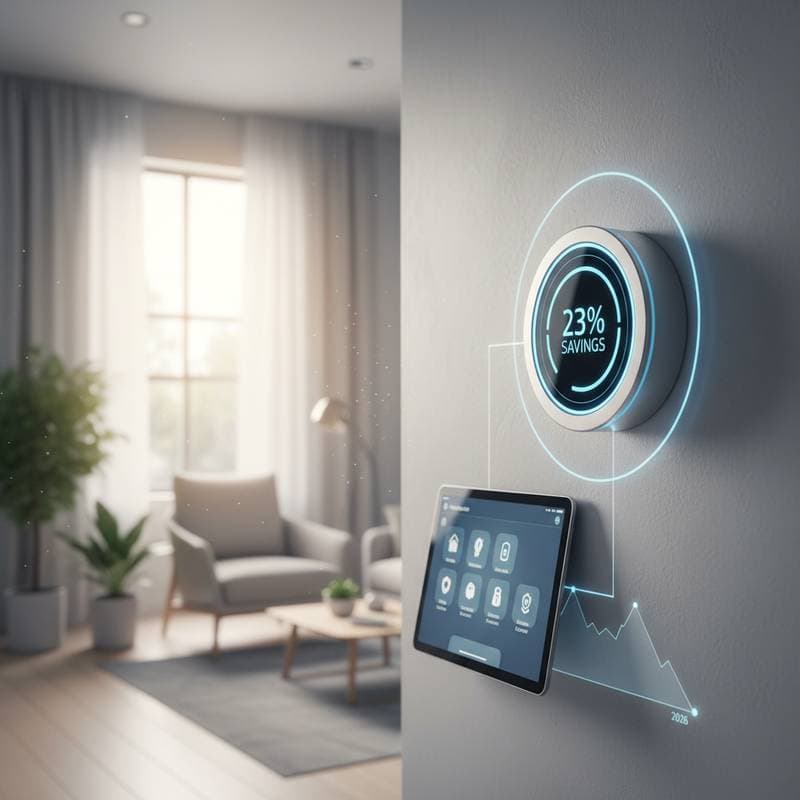
Enhance your solar system's value with smart thermostats that align heating and cooling with energy production. These devices learn user patterns, integrate weather data, and optimize HVAC timing to reduce bills by up to 23 percent, while minimizing grid use and improving home comfort.
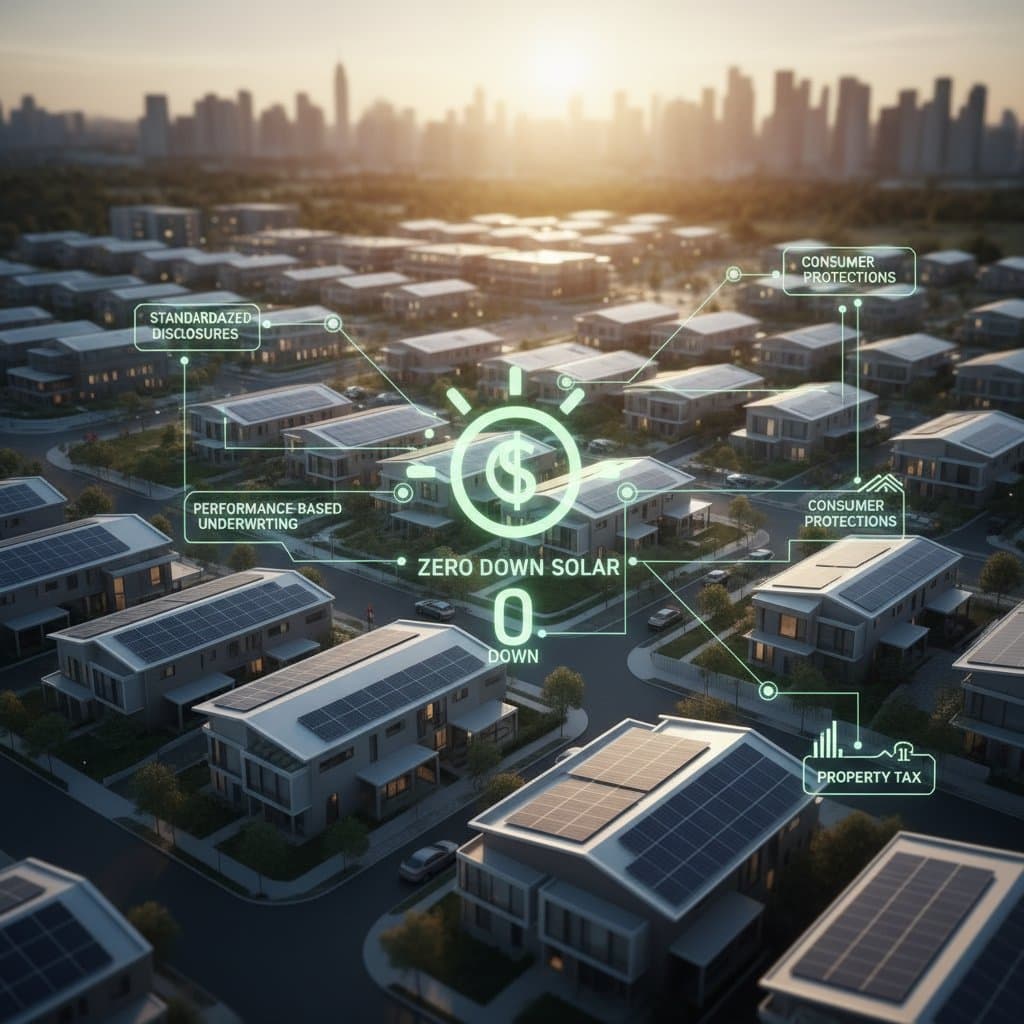
The redesigned PACE program set to launch in 2026 positions zero-down solar financing as a mainstream option. Standardized disclosures, performance-based evaluations, and strengthened safeguards promise expanded access, reliable investor participation, and seamless integration into property tax systems for residential and commercial properties.
Launching in 2026, IRA Phase 2 shifts solar incentives from tax credits to upfront rebates, improving accessibility, supporting domestic manufacturing, and accelerating project paybacks. State programs, compliance requirements, and updated installation standards will transform project economics, enabling homeowners, businesses, and developers to achieve significant solar savings and seize market opportunities across the U.S.
Smart thermostats achieve verifiable energy savings of up to 23 percent through advanced algorithms, remote access, and seamless smart home compatibility. This guide details the mechanics of these savings, recommends premier 2026 models, and provides practical advice to optimize comfort, efficiency, and sustainability year-round.
PACE loans revolutionize solar access by eliminating upfront costs for homeowners, with repayments integrated into property taxes. This property-linked financing broadens eligibility, promotes widespread clean energy use, and delivers savings for homeowners and businesses investing in sustainability.
AI energy monitoring revolutionizes power management for homes and businesses, targeting up to 40 percent bill reductions by 2026. Predictive analytics, solar integration, and real-time adjustments minimize waste, enhance reliability, and promote sustainability, creating intelligent, adaptive energy control that transforms expenses, comfort, and environmental impact globally.
Integrating rooftop solar panels with a smart thermostat enables homeowners to save up to $900 per year by aligning energy production with HVAC demands. This setup optimizes self-consumption, cuts grid dependency, and promotes sustainability through precise, automated control.
Sodium-ion batteries approach commercial readiness, with pack costs forecasted to dip under $60/kWh by 2026, surpassing lithium-ion affordability. Abundant resources, enhanced safety, and reliable performance position sodium as a cost-effective choice for grid-scale storage. Investments from manufacturers and utilities highlight the move toward diverse, eco-friendly energy solutions.