
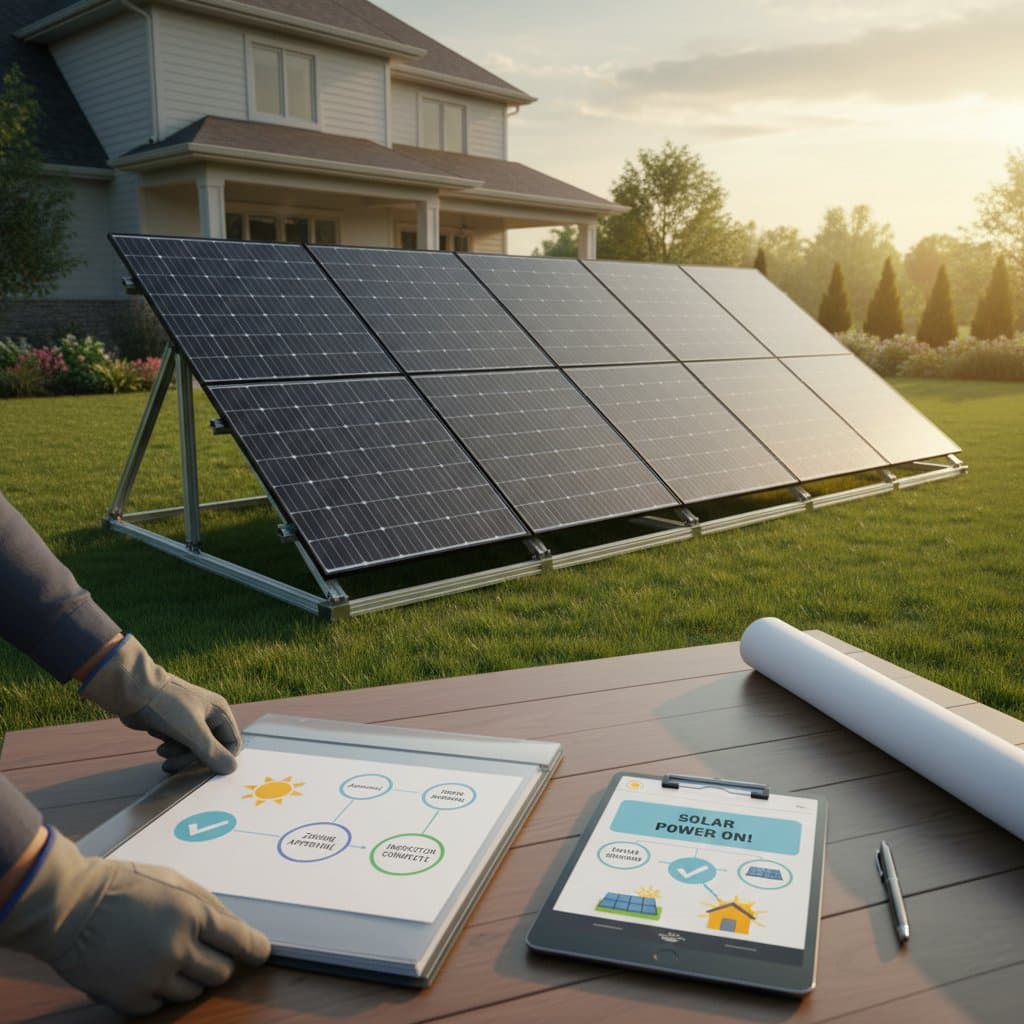
Permit Exemptions for Streamlined DIY Ground-Mount Solar Installations
Homeowners discover significant rewards in ground-mount solar installations due to their adaptable placement and potential to reduce energy expenses. These systems avoid the complications associated with roof mounting, but local permitting processes often present the greatest challenge. Regulations differ widely by location, and the required paperwork can appear more complex than the installation itself. Recognizing the flexibilities embedded in these regulations reduces delays and required effort.
This guide explores permit exemptions and efficiency measures suited to small-scale ground-mount solar projects. While standards vary by jurisdiction, common exemptions and approaches appear that support DIY initiatives without compromising safety.
Core Permit Requirements
Local building authorities usually require permits for grid-tied solar installations to confirm structural soundness, electrical safety, and zoning compliance. These requirements safeguard residents and neighboring properties from potential hazards.
Ground-mount configurations attract extra examination because of elements like concrete footings or ballast foundations. A building permit covers the physical framework, while an electrical permit addresses wiring and utility connections. Some areas combine these into a single solar permit; others require separate filings. Identify your project's category at the outset to direct your preparations effectively.
Key Permit Exemptions
Numerous jurisdictions provide exemptions for small or independent systems to lessen supervision of minimal-impact setups. Examine these categories to determine relevance to your project:
- Capacity thresholds: Areas may forgo detailed structural assessments for systems under specific limits, typically 4 to 10 kilowatts, based on local codes.
- Voltage limits: Electrical codes often allow direct-current systems below 50 volts to bypass full permitting, classifying them as low-risk.
- Modular configurations: Portable or movable ground mounts qualify as temporary structures in certain municipalities, exempting them from permanent building permits.
- Rural or agricultural applications: In farming zones, systems that power irrigation or operations face lenient rules, occasionally needing only a notice instead of complete approval.
Verify details with your local building department, since criteria change and depend on exact project specifications.
Zoning Considerations for Ground Mounts
Zoning laws govern array size, location, and aesthetic effects, separate from building permits in most instances. Exemption from structural review does not eliminate these placement requirements. For instance, a compact system may skip permitting but must still meet setback distances from property boundaries.
Essential elements to review include:
- Setback requirements: Systems generally need 5 to 10 feet from lot lines to avoid boundary issues.
- Height restrictions: Regulations might limit elevations to 10 to 15 feet, treating panels as accessory structures.
- Location rules: Prohibitions frequently apply to front yards or visible roadside spots to preserve landscapes.
Present an initial site plan to zoning authorities for input. This action identifies compliance obligations without submitting full applications.
Expedited Approval Programs
Forward-thinking states and cities introduce accelerated solar initiatives for standard setups that follow proven engineering practices. These programs shorten review periods for home-sized projects by using uniform paperwork.
Users fill out pre-formatted forms, choose from approved mounting types, and confirm code adherence through checklists. Aligning with a validated design allows immediate approvals, frequently in a matter of days. Although not true exemptions, these routes substantially shorten administrative steps and inspections.
Advantages of Off-Grid Systems
Independent off-grid installations, unconnected to utilities, face reduced interconnection rules, which eases regulatory demands. Without grid feed-in, they avoid many utility-driven procedures, although larger arrays may require checks for wiring and grounding safety.
In isolated locations, self-certification applies to systems under voltage thresholds, where applicants supply photographs, diagrams, and sworn statements of correct setup. This method recognizes the reduced risks of well-documented small projects, though options differ by area.
Interacting with Permitting Officials
Personal conversations with department personnel reveal location-specific shortcuts. Staff appreciate inquiries that show prepared planning. Consider these steps for effective contact:
- Describe core system features, such as panel capacity, foundation type, and connection status.
- Ask about common setups that avoid bespoke engineering evaluations.
- Confirm required documents, including detailed drawings or component specifications.
- Clarify inspection methods, separating on-site reviews from online submissions.
Personnel frequently assist suitable projects with advice, promoting efficient approvals via partnership.
Maintaining Regulatory Compliance
Exemptions speed up advancement, yet violations invite fines or removal directives. Conformity with standards protects investments and eligibility for incentives like tax credits or rebates.
Record all communications, rulings, and confirmations thoroughly. Such documentation aids later changes or reviews, securing enduring project success.
Steps to Launch Your Compliant Solar Installation
Gaining command over local permitting matches the skill needed for a successful DIY ground-mount solar system. Investigate exemptions, utilize accelerated pathways, and engage officials to pinpoint efficiencies that fit regulations. Obtain documented assurances and build to code, transforming oversight into a clear route to energy independence.