Fist Solar - Solar Energy & Home Efficiency - Page 26

Showing articles 301 - 312 of 629

Featured image for Where TOU Rates Turn Solar Into Bigger Savings

Where TOU Rates Turn Solar Into Bigger Savings

Time-of-use (TOU) rates reshape solar energy economics nationwide. States including California, Arizona, and Texas pioneer policies that reward precise energy timing. Combining solar panels with battery storage or automated load management elevates returns. Grasping local rate schedules and incentives empowers homeowners to extract peak value from every kilowatt-hour of generation.

4 min read
Featured image for Metal Roofs and Solar: A 50-Year Energy Solution

Metal Roofs and Solar: A 50-Year Energy Solution

Integrating standing seam metal roofs with solar panels yields a 50-year, low-maintenance energy solution. These durable components, non-penetrating mounts, and synchronized warranties minimize costs, enhance performance, and ensure safety. This eco-friendly duo provides sustainable power and structural reliability for residential and commercial properties.

5 min read
Featured image for States Where Solar Rebates Stack Highest in 2024

States Where Solar Rebates Stack Highest in 2024

Solar rebates differ significantly across the U.S., from California's multifaceted programs to Texas's utility-focused incentives. This guide identifies states where combining state, local, and federal benefits delivers the greatest savings. Uncover strategies for installers and developers to enhance project value through effective incentive layering and planning.

5 min read
Featured image for Microinverter Lifespan Beats String Despite Roof Stress

Microinverter Lifespan Beats String Despite Roof Stress

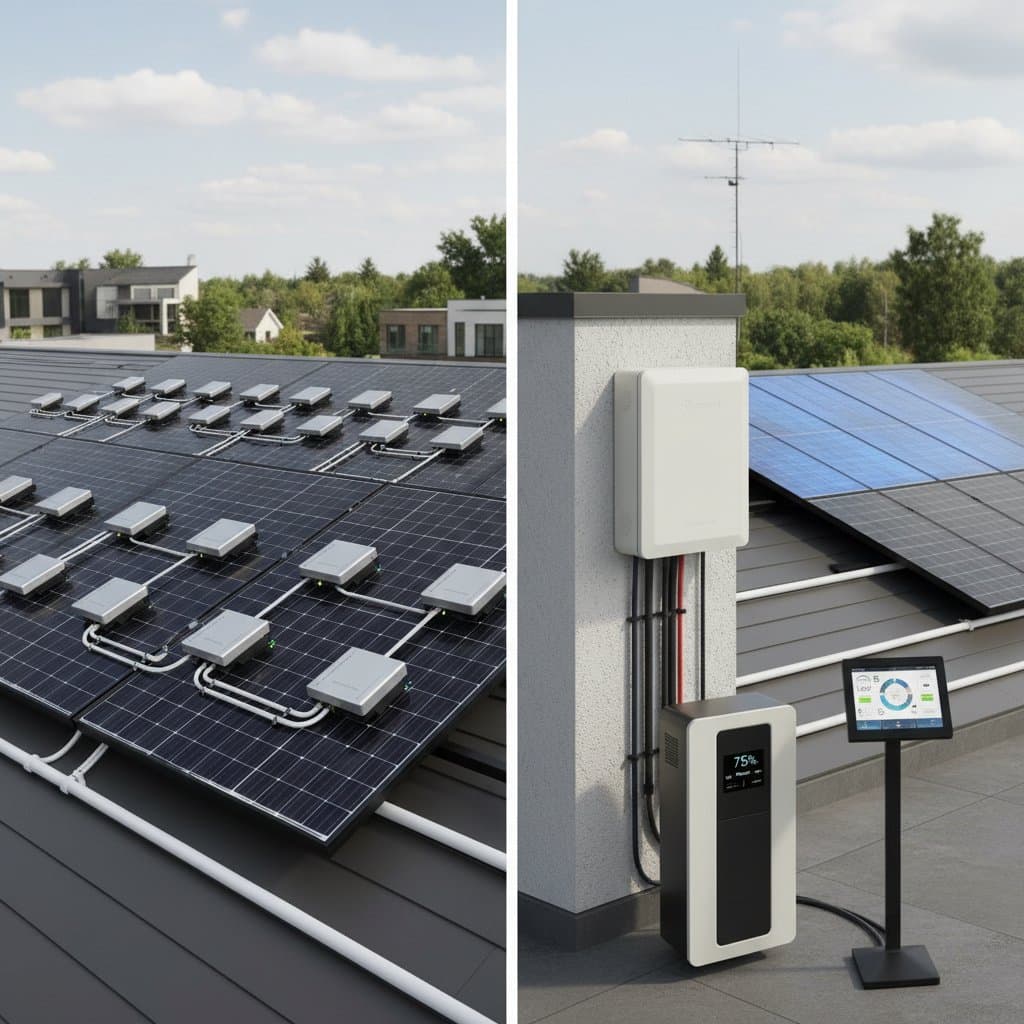
Microinverters and string inverters convert solar power differently, which affects their longevity. String inverters provide straightforward setups but face risks from single-point failures, whereas microinverters offer durability and precise monitoring. Factors such as design, climate, and upkeep influence lifespan. This detailed analysis examines how each inverter type withstands heat, degradation, and operational demands to optimize solar system efficiency over time.

3 min read
Featured image for Secure Solar Tax Credit Before 2025 Filing Deadline

Secure Solar Tax Credit Before 2025 Filing Deadline

The 2025 tax season demands precise timing and documentation to claim the federal solar Investment Tax Credit. Eligibility depends on construction start dates, safe harbor compliance, and installation milestones that preserve substantial savings. Initiate planning promptly, validate system ownership, and compile comprehensive records to realize the complete value of your solar investment.

4 min read
Featured image for Perovskite Solar Cells Hit 25% Efficiency Milestone

Perovskite Solar Cells Hit 25% Efficiency Milestone

Perovskite solar panels edge closer to commercial deployment, delivering superior efficiency, cost savings, and versatile designs ideal for U.S. rooftops. Tandem configurations exceed 30% efficiency, while scalable manufacturing at low temperatures enables lightweight, resilient modules that integrate seamlessly into residential and commercial solar setups.

4 min read
Featured image for Stack Energy Rebates to Save Over $12K Upfront

Stack Energy Rebates to Save Over $12K Upfront

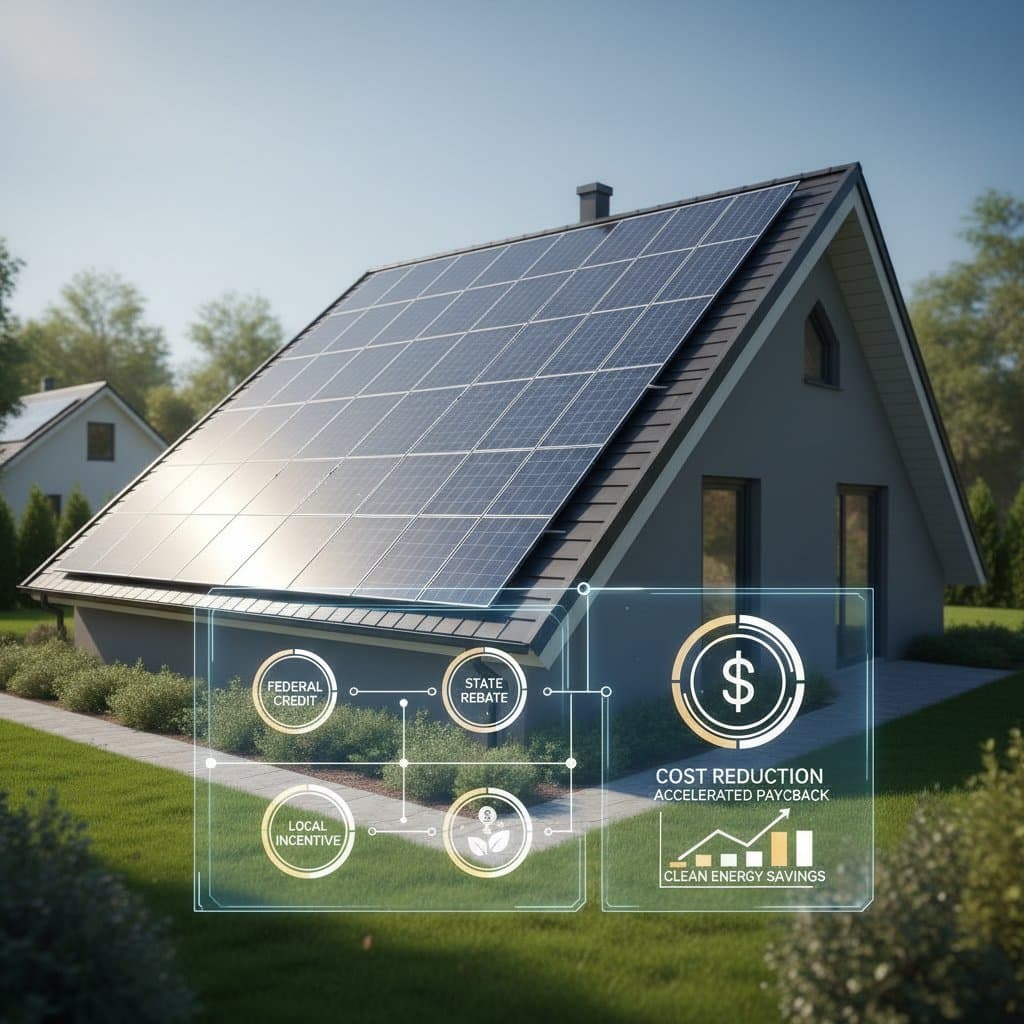
Homeowners achieve more than $12,000 in savings through strategic stacking of federal, state, and utility energy rebates. This method lowers costs for solar systems, heat pumps, and storage solutions, provided participants navigate timing, documentation, and rules adeptly. Discover effective combination techniques and common errors to avoid for optimal clean energy benefits.

4 min read
Featured image for Why Microinverters Are Safer for DIY Solar Installs

Why Microinverters Are Safer for DIY Solar Installs

Selecting between microinverters and string inverters shapes the safety, efficiency, and straightforward nature of a DIY solar project. Microinverters provide reduced voltage exposure, simplified wiring, and individual panel oversight, whereas string inverters offer initial savings. Discover the choice that best integrates safety, output, and enduring benefits for self-installed rooftop solar systems.

5 min read
Featured image for 3 DIY Solar Pitfalls That Derail Permit Success

3 DIY Solar Pitfalls That Derail Permit Success

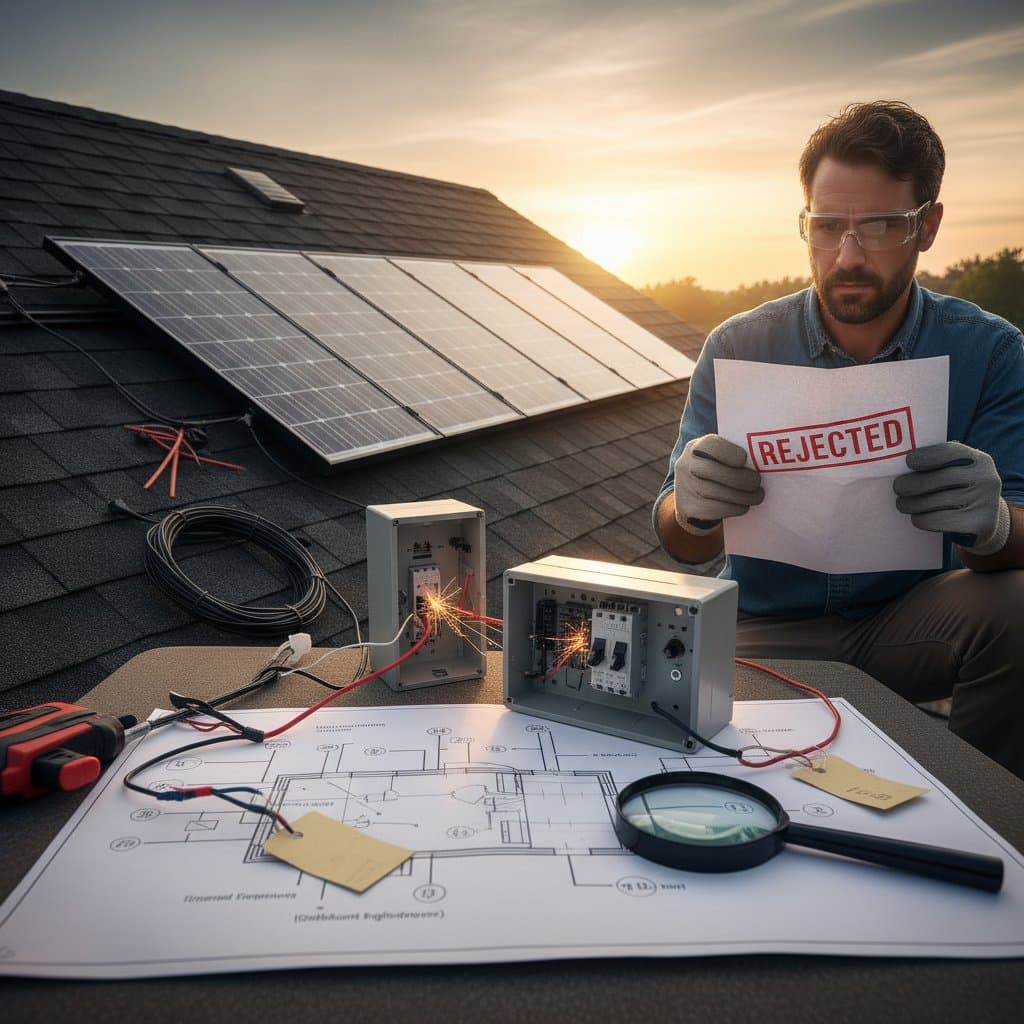
DIY solar installations frequently encounter obstacles in the permitting process rather than in the wiring itself. Issues such as incomplete electrical diagrams, overlooked structural verifications, and misinterpretations of utility requirements can result in significant setbacks. Gaining insight into local regulations, required documentation, and interconnection protocols converts potential frustration into successful approval and elevates a simple project to completion.

6 min read
Featured image for Attic Insulation Boosts Solar ROI 34%, Study Finds

Attic Insulation Boosts Solar ROI 34%, Study Finds

A recent study demonstrates that combining residential solar installations with attic insulation upgrades yields a 34 percent higher return on investment. This approach reduces energy demands, accelerates payback times, and improves overall efficiency. Homeowners benefit from greater savings, while installers uncover new partnership opportunities in clean energy solutions.

5 min read
Featured image for Perovskite Solar Cells: Stability Issues vs Hype

Perovskite Solar Cells: Stability Issues vs Hype

Perovskite solar cells offer lightweight, affordable, and highly efficient alternatives to traditional silicon panels, yet stability under real-world conditions remains a critical obstacle. Advances in hybrid tandem designs and protective encapsulation are addressing these issues, potentially enabling scalable production and new applications in building-integrated photovoltaics. As research accelerates, perovskites may soon complement silicon in transforming global solar energy landscapes.

4 min read
Featured image for Roof Age Can Disqualify Your Solar Tax Credit

Roof Age Can Disqualify Your Solar Tax Credit

Installing solar panels offers significant federal tax credits, but an old or improperly replaced roof can jeopardize eligibility. Recent IRS guidelines restrict credits to components directly supporting solar systems, requiring homeowners to prioritize roof assessments, detailed records, and strategic planning to secure full benefits.

4 min read
Featured image for Air Sealing Before Solar Saves $2K in Wasted Energy

Air Sealing Before Solar Saves $2K in Wasted Energy

Homeowners risk losing thousands by installing solar without first sealing air leaks. This step reduces waste, allows smaller systems, and improves performance. An initial energy audit ensures precise design, cuts costs, and delivers efficiency—avoiding a $2,000 error for enduring comfort and savings.

6 min read
Featured image for Why Fixed-Rate Plans Penalize Solar Homeowners

Why Fixed-Rate Plans Penalize Solar Homeowners

Fixed-rate electricity plans offer apparent stability, yet they frequently disadvantage solar homeowners by devaluing energy credits and imposing hidden fees. This structural inequity diminishes the financial benefits of solar generation. Gaining insight into rate interactions empowers owners to preserve their investments effectively.

4 min read
Featured image for Banks Flag PACE Loans as Foreclosure Risk

Banks Flag PACE Loans as Foreclosure Risk

Major banks and lenders caution homeowners about Solar PACE loans, which link repayments to property taxes and hold priority over mortgages. These programs raise concerns over foreclosure risks and resale challenges, prompting calls for enhanced oversight to protect consumers while promoting clean energy adoption.

6 min read
Featured image for Smart Thermostats Cut Solar Payback to 18 Months

Smart Thermostats Cut Solar Payback to 18 Months

Integrating smart thermostats with residential solar installations shortens payback periods to 18 months. Homeowners align HVAC operations with solar production to minimize grid use and increase savings. Advanced software, automation features, and utility rebates position thermostats as essential components for rapid returns and improved energy management.

5 min read
Featured image for IRS Cuts Solar Depreciation to 5 Years for Faster Savings

IRS Cuts Solar Depreciation to 5 Years for Faster Savings

The IRS has shortened the depreciation period for commercial solar assets to five years under MACRS, enabling businesses to claim larger tax deductions sooner. This adjustment aligns solar investments with standard business assets, enhances cash flow, reduces payback times, and promotes wider adoption of clean energy solutions in the United States.

5 min read