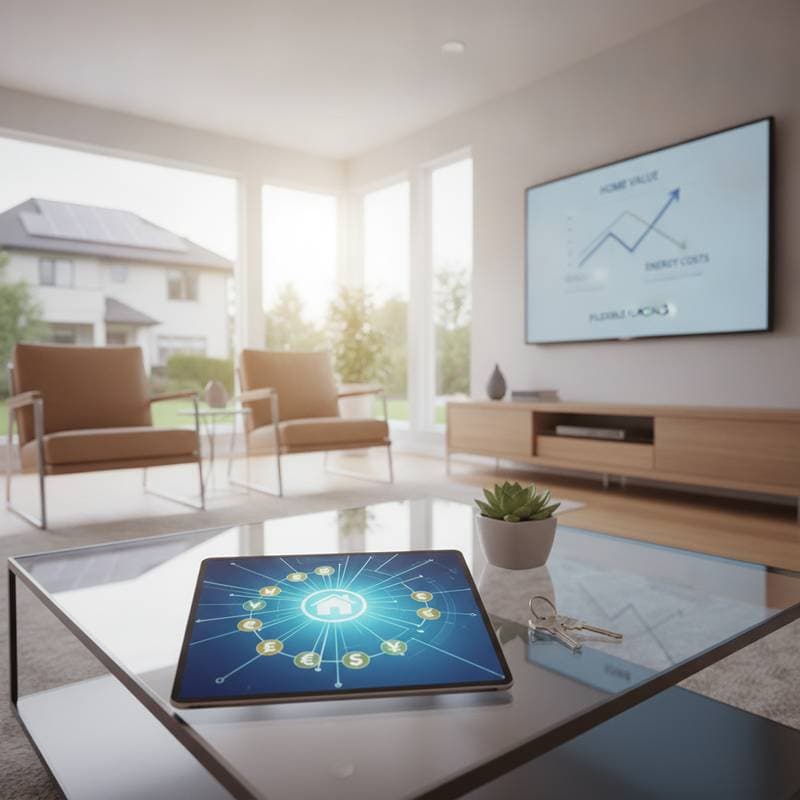
Solar HELOC Cuts Financing Costs Using Home Equity
A Solar HELOC merges home equity access with solar investment to reduce financing costs and build lasting energy savings.
By Christina De La Cruz
4 min read
Loading...

Articles tagged with home
A Solar HELOC merges home equity access with solar investment to reduce financing costs and build lasting energy savings.
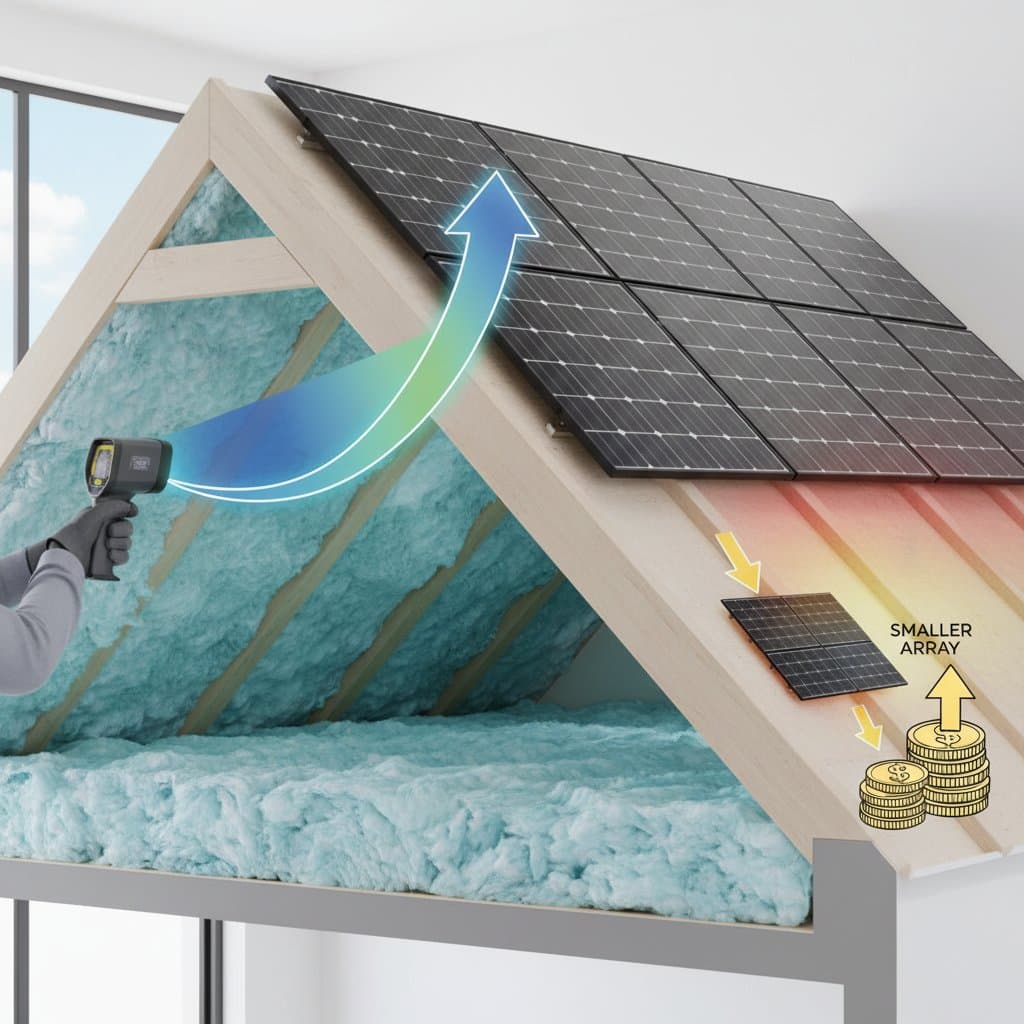
Attic insulation maximizes solar system performance and returns by reducing energy waste up to 30 percent. It enables cost-effective smaller arrays, stabilizes temperatures, and delivers sustained savings, positioning it as a vital precursor to solar adoption.
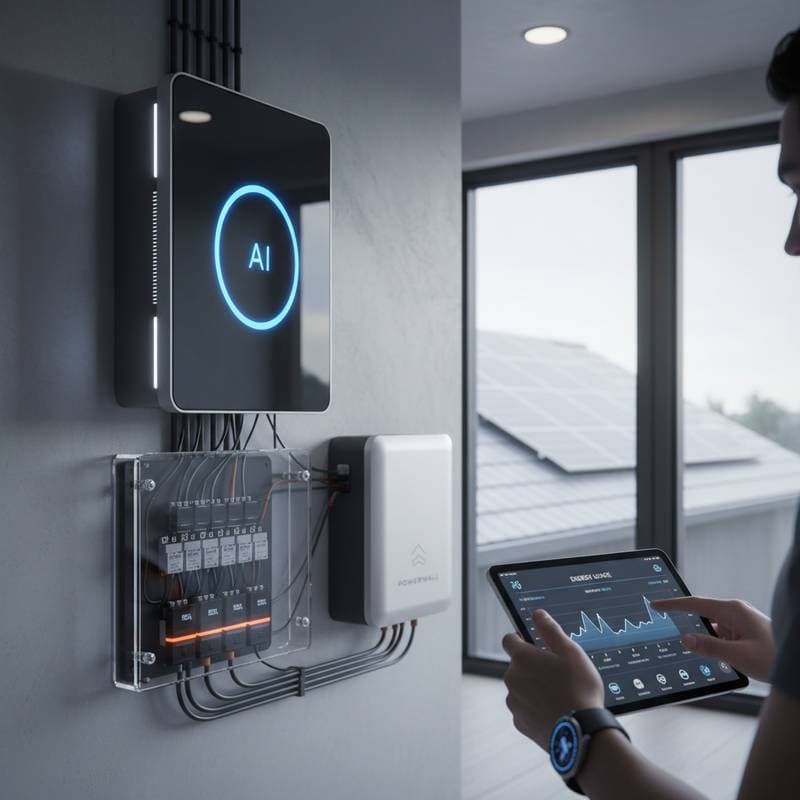
AI energy monitors offer potential savings of up to 40% on electricity bills, though outcomes depend on home efficiency, automation levels, and user involvement. These tools analyze consumption patterns, optimize appliances, and pair seamlessly with solar setups or smart homes. Despite concerns over costs and privacy, increasing use indicates that AI energy management transitions from concept to effective practice.

AI energy monitors claim to reduce electricity bills by up to 40 percent through intelligent analysis and automation. Actual savings hinge on factors like user involvement, home setup, and renewable energy integration. These devices transform energy management for many households, though they require active use to realize full potential.

Enhance your solar system's value with smart thermostats that align heating and cooling with energy production. These devices learn user patterns, integrate weather data, and optimize HVAC timing to reduce bills by up to 23 percent, while minimizing grid use and improving home comfort.
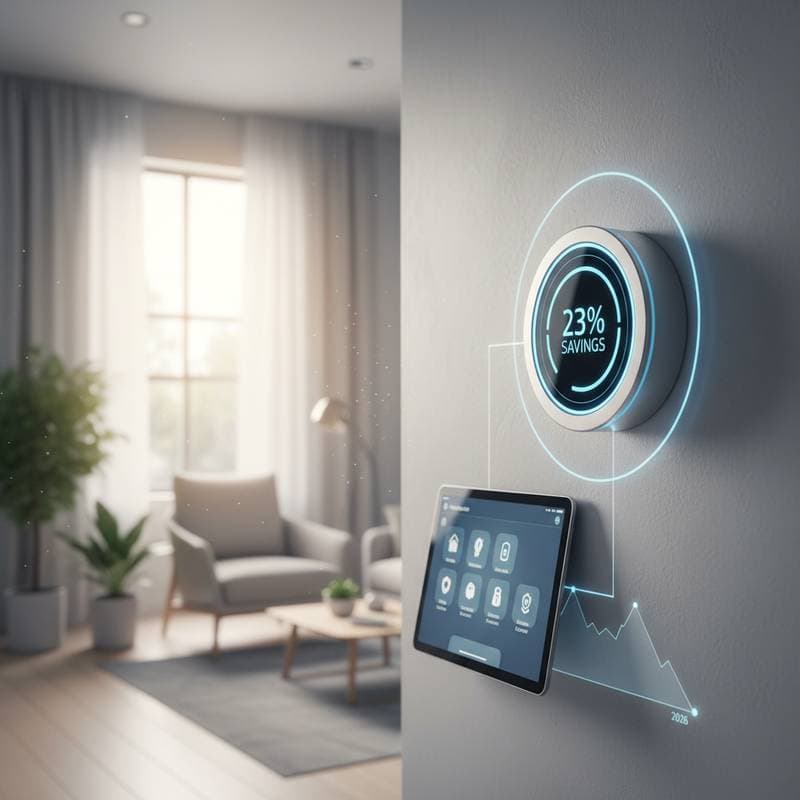
Smart thermostats achieve verifiable energy savings of up to 23 percent through advanced algorithms, remote access, and seamless smart home compatibility. This guide details the mechanics of these savings, recommends premier 2026 models, and provides practical advice to optimize comfort, efficiency, and sustainability year-round.
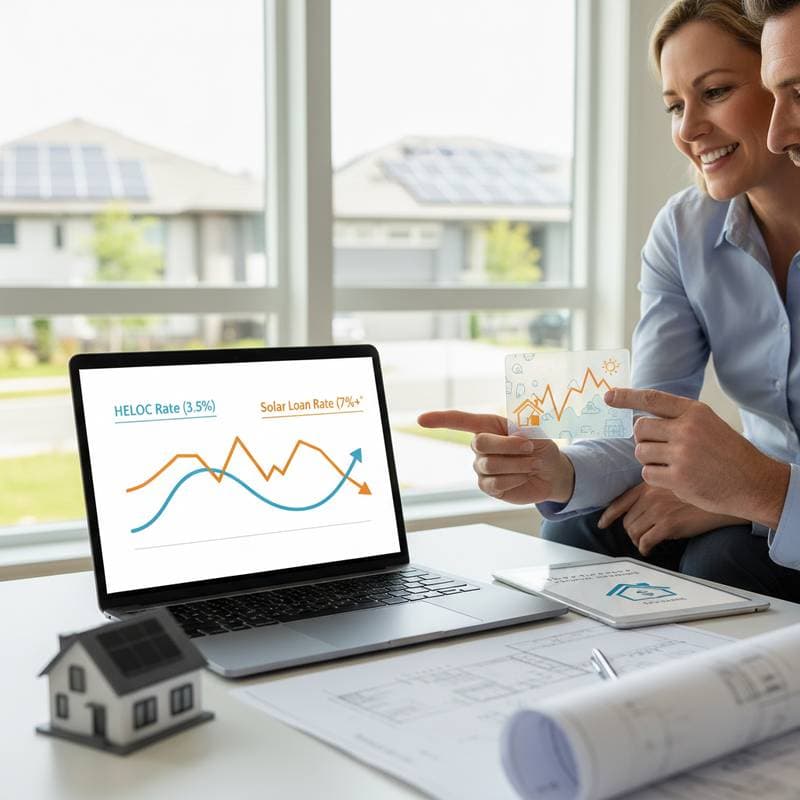
HELOC rates at approximately 3.5% diminish the attractiveness of conventional solar loans. Homeowners stand to save thousands by utilizing home equity rather than high-interest solar options. With streamlined bank approvals, installers and lenders need to emphasize transparency, flexibility, and intelligent financing to remain competitive in an evolving solar market.

Integrating rooftop solar panels with a smart thermostat enables homeowners to save up to $900 per year by aligning energy production with HVAC demands. This setup optimizes self-consumption, cuts grid dependency, and promotes sustainability through precise, automated control.

Smart attic fans reduce cooling expenses by up to 40% through automated heat and humidity removal. Equipped with sensors, variable speeds, and app controls, they lessen air conditioner demands and protect roofs. Discover why these upgrades surpass basic vents and evaluate their value for your home.

Pre-wiring new homes for solar delivers approximately $3,000 in savings, simplifies installations, and enhances resale appeal. Incorporating conduit, panel reserves, and roof reinforcements during construction equips properties for immediate energy efficiency and long-term renewable adaptability.
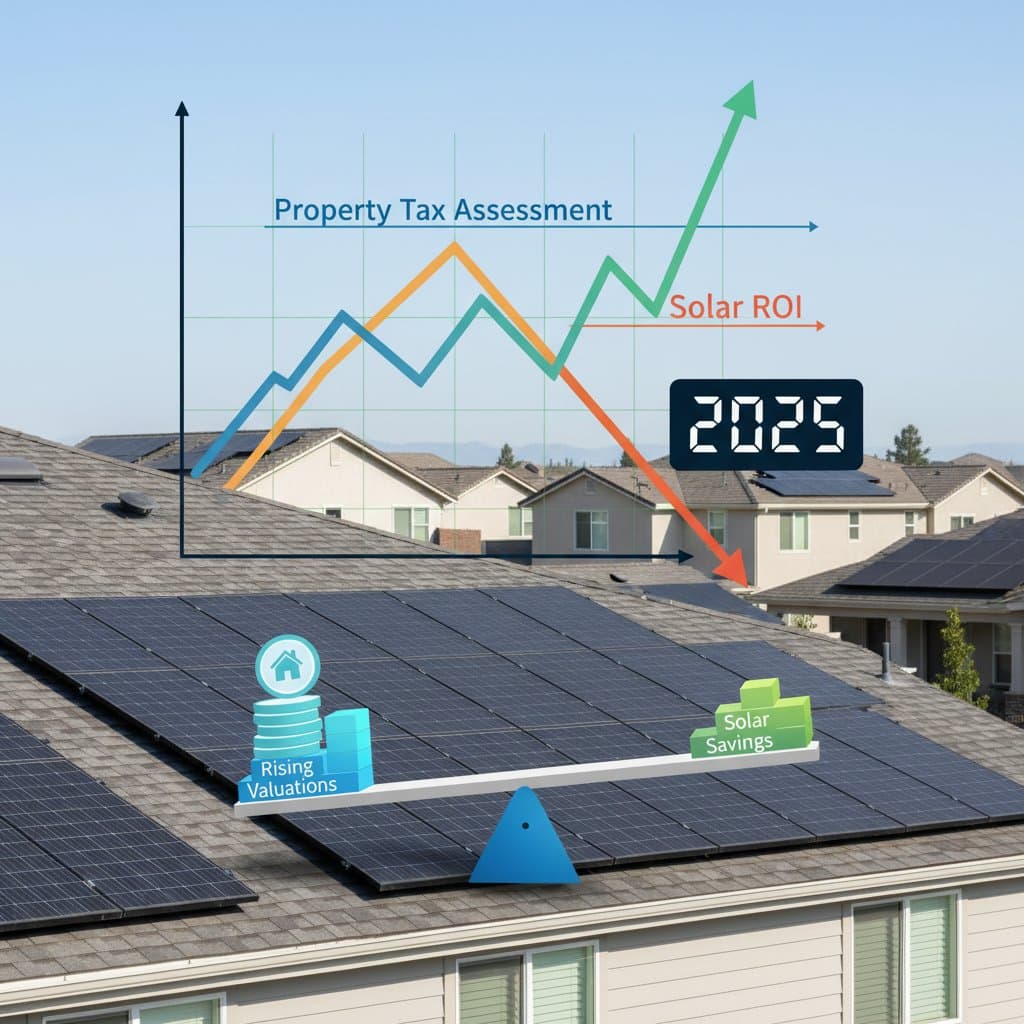
Property tax assessments are transforming solar economics in 2025 as exemptions wane and values rise. Homeowners and developers confront reduced returns and extended paybacks amid policy changes.
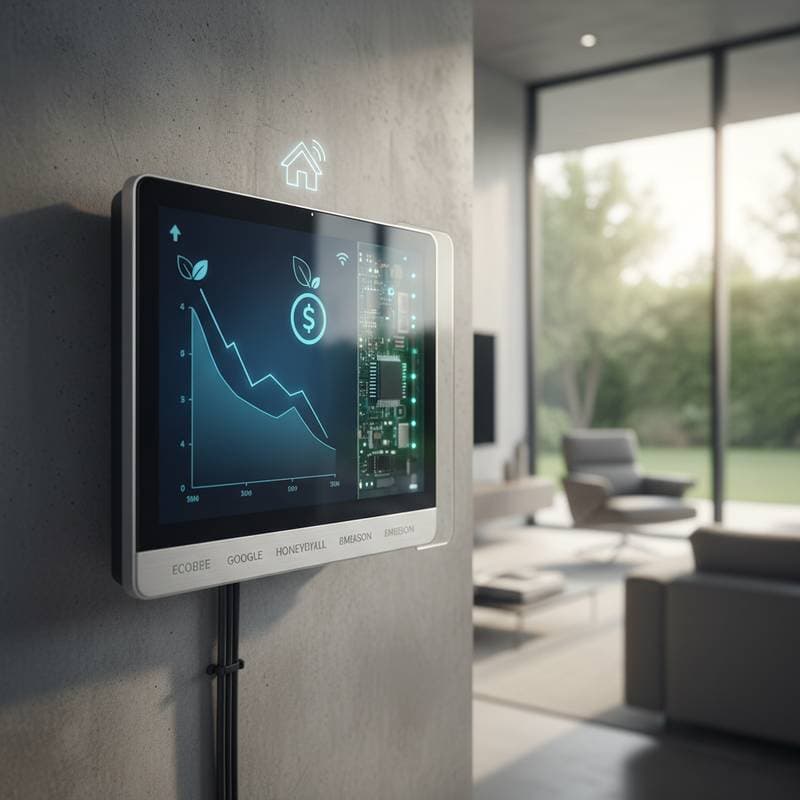
Learn how 2025 smart thermostats can lower energy bills by up to 23 percent. This comprehensive guide reviews top models from Ecobee, Google, Honeywell, Amazon, and Emerson, emphasizing features such as adaptive learning, geofencing, and detailed efficiency reports to support savings, comfort, and sustainable living.
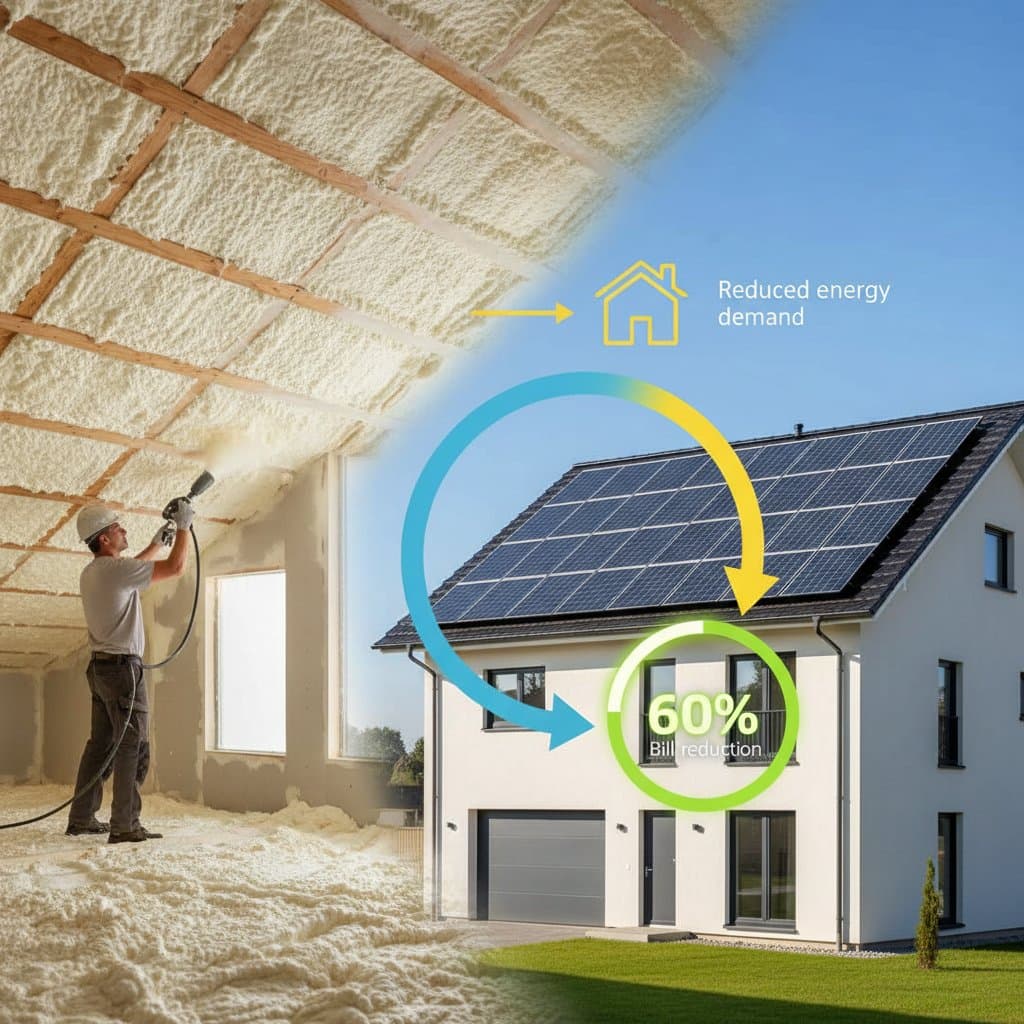
Integrating spray foam insulation with rooftop solar panels revolutionizes residential energy management. This combination seals air leaks and produces renewable power, enabling homeowners to reduce utility bills by up to 60 percent. The approach minimizes demand, elevates comfort, and shortens investment recovery, demonstrating the advantages of synergistic upgrades.
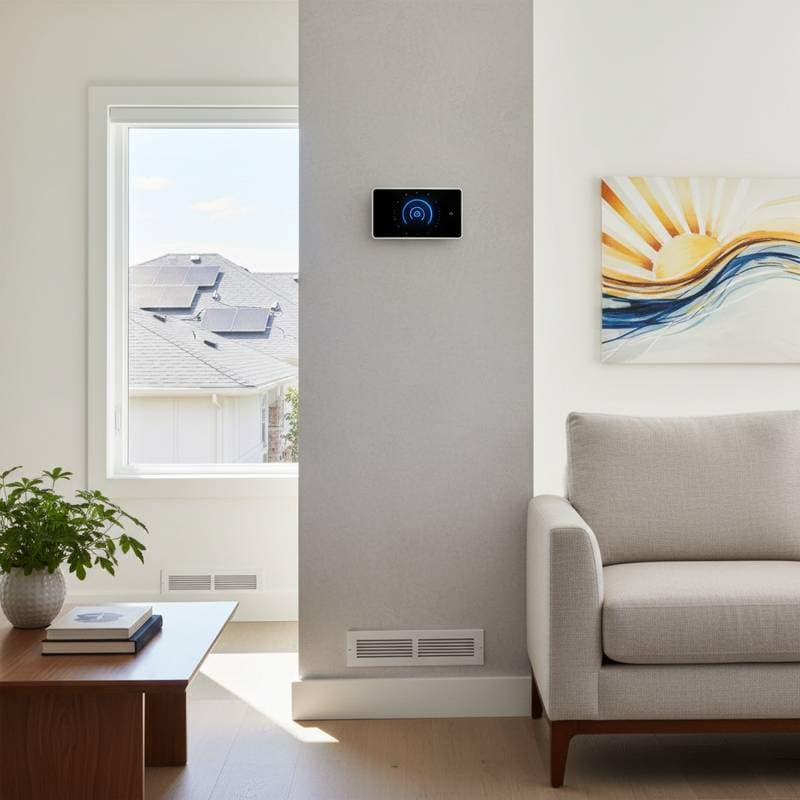
Integrating smart thermostats with solar panels increases home energy savings by 23%, fine-tuning HVAC to solar output for reduced bills. Homeowners enjoy added comfort, extended equipment life, and utility rewards. With simpler setups and growing rebates, these devices elevate solar investments.
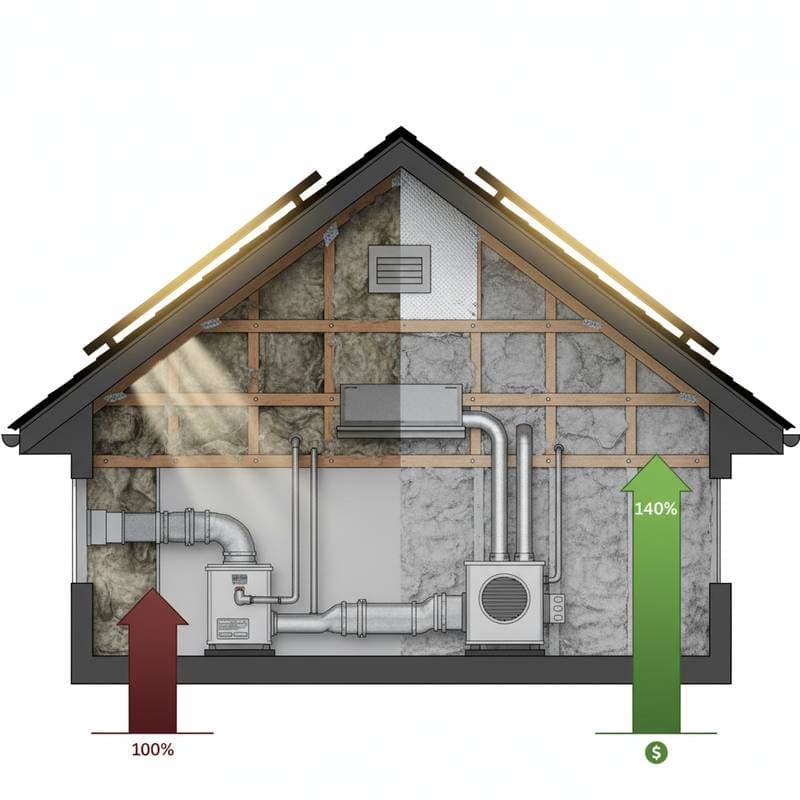
Consider attic insulation before solar panels for 40% greater energy ROI. It seals leaks, retains heat, lowers bills, extends HVAC life, and allows smaller, more cost-effective solar setups for maximum impact.
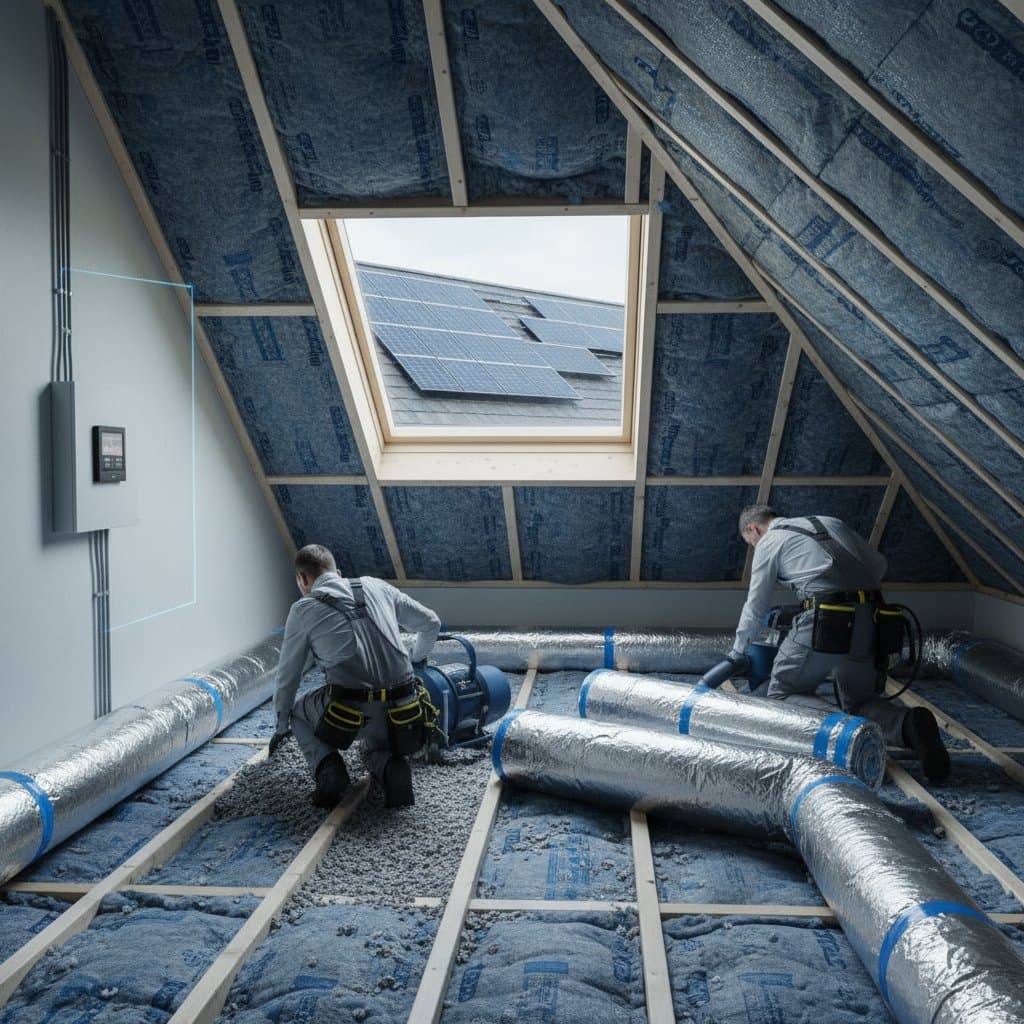
Address attic insulation prior to solar panel installation to minimize energy loss, shrink system requirements, and shorten payback time. Sealing gaps and enhancing airflow fosters synergy between insulation and solar technology, delivering superior efficiency, comfort, and sustained savings throughout the home.
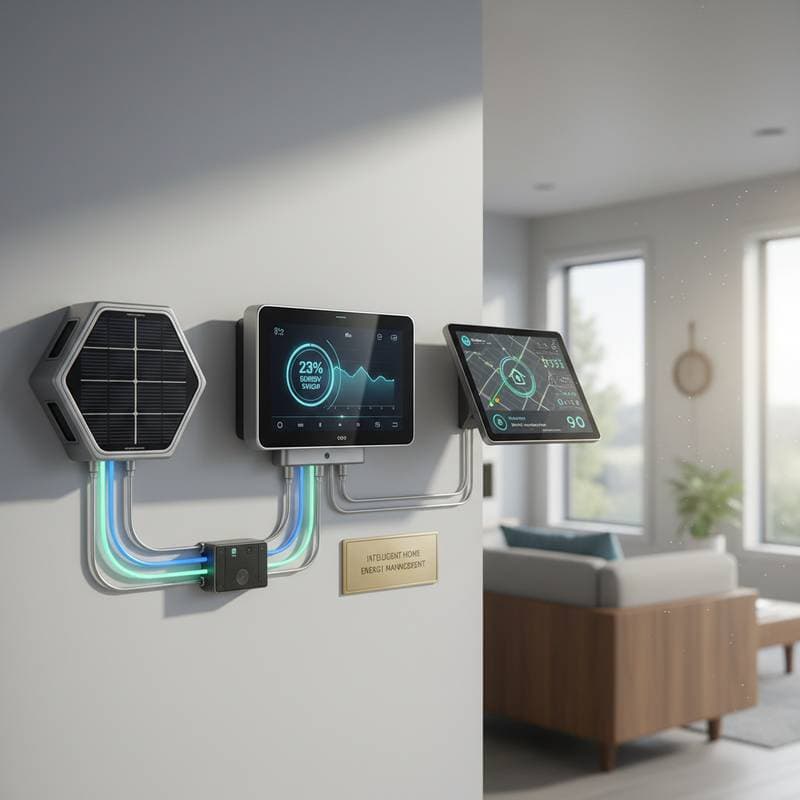
Unlock 23% energy bill savings in 2025 with advanced smart thermostats. Learn about adaptive features, solar synergy, and top picks like Ecobee and Nest to optimize your home's efficiency and comfort.
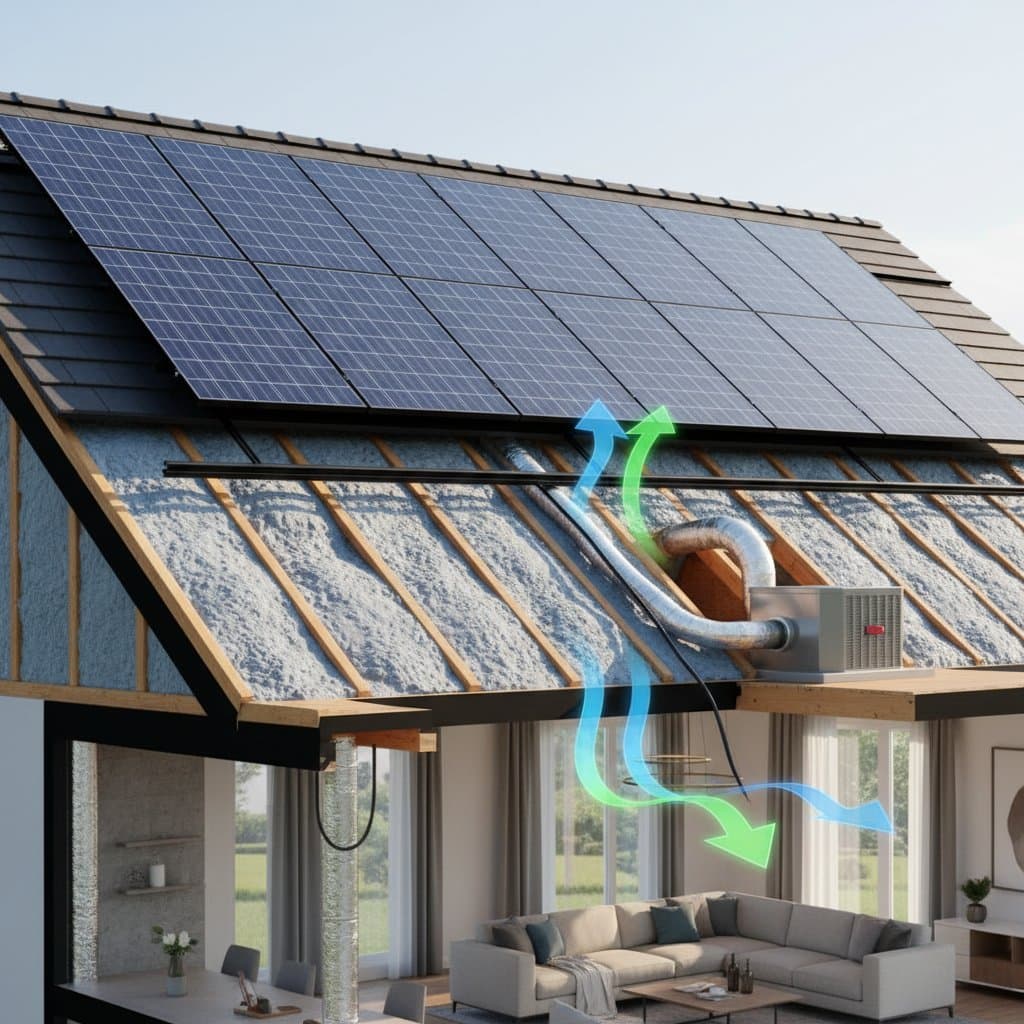
Integrating solar panels with enhanced attic insulation offers homeowners a synergistic solution for cutting energy costs, improving indoor comfort, and optimizing overall home efficiency. This approach minimizes utility expenses, prolongs HVAC system life, and amplifies solar output, providing substantial financial, environmental, and lifestyle advantages for those pursuing sustainable energy practices.
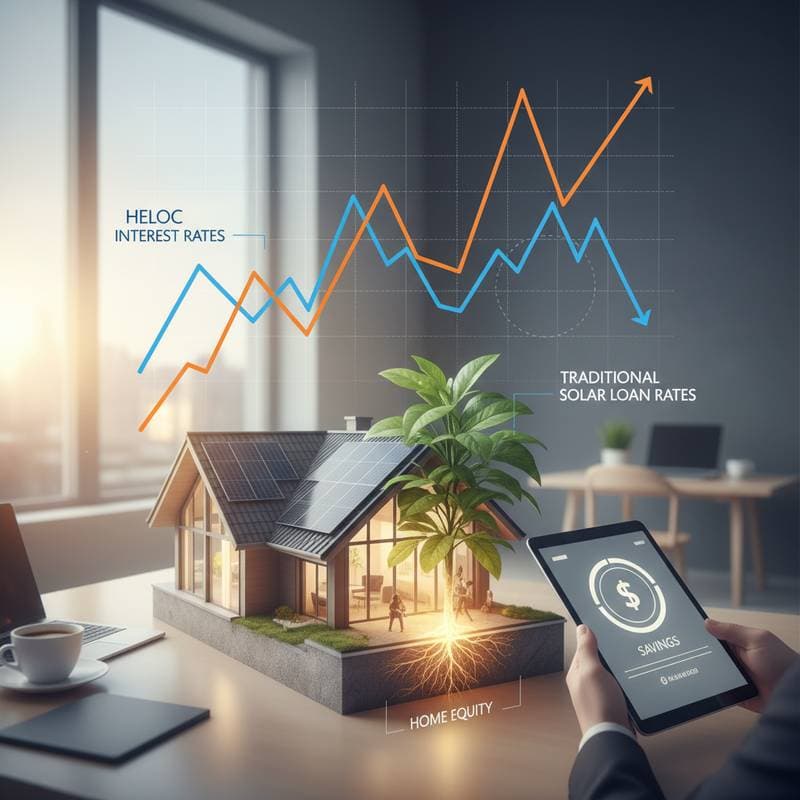
In today's rising rate environment, HELOCs emerge as the superior choice for solar financing. They deliver lower interest costs, adaptable draw options, and possible tax deductions, enabling homeowners with strong credit to save significantly and prepare for future enhancements.
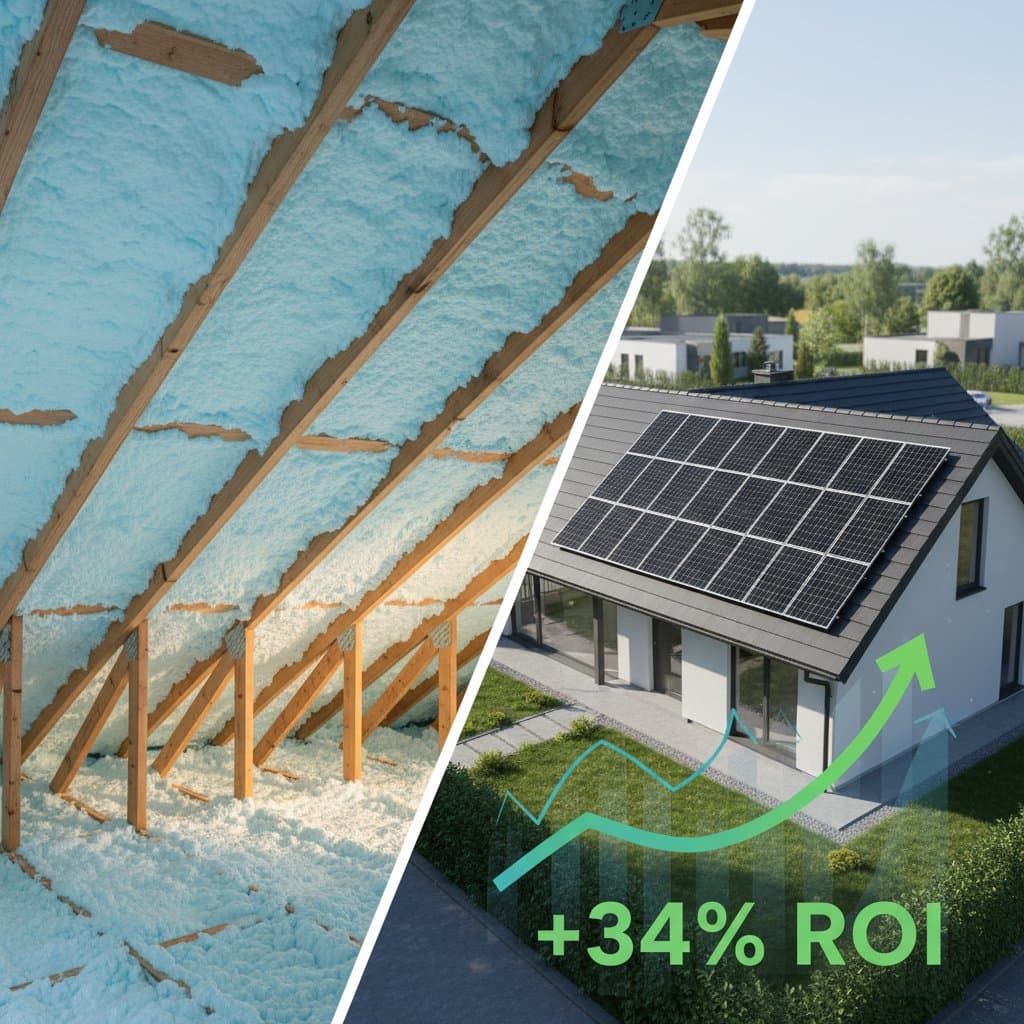
Integrating spray foam attic insulation with solar panels elevates energy efficiency and amplifies solar ROI by as much as 34%. This strategic pairing minimizes utility expenses, accelerates payback timelines, improves indoor comfort, and elevates home value, forming a comprehensive approach to sustainable living and financial gains.