Solar Technology

Featured image for Perovskite Tandems Break 33% in Commercial Production

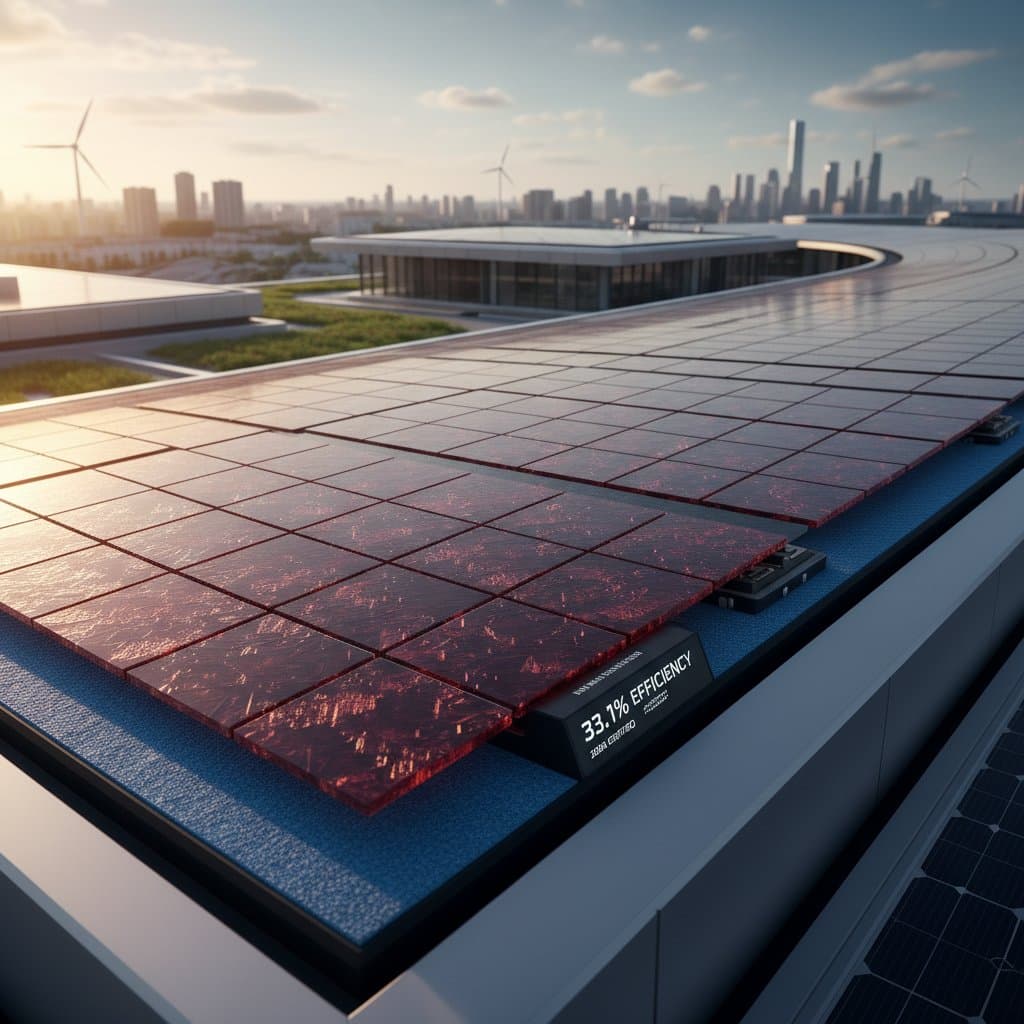
Perovskite Tandems Break 33% in Commercial Production

Perovskite-silicon tandem solar cells have reached 33% efficiency in commercial settings, a pivotal advancement for photovoltaic technology. This achievement highlights improved stability, manufacturing scalability, and certified performance, boosting investor interest and paving the way for reduced energy costs and expanded sustainable power solutions worldwide.

4 min read
Featured image for Bifacial Solar Panels Deliver 30% More Power, Same Space

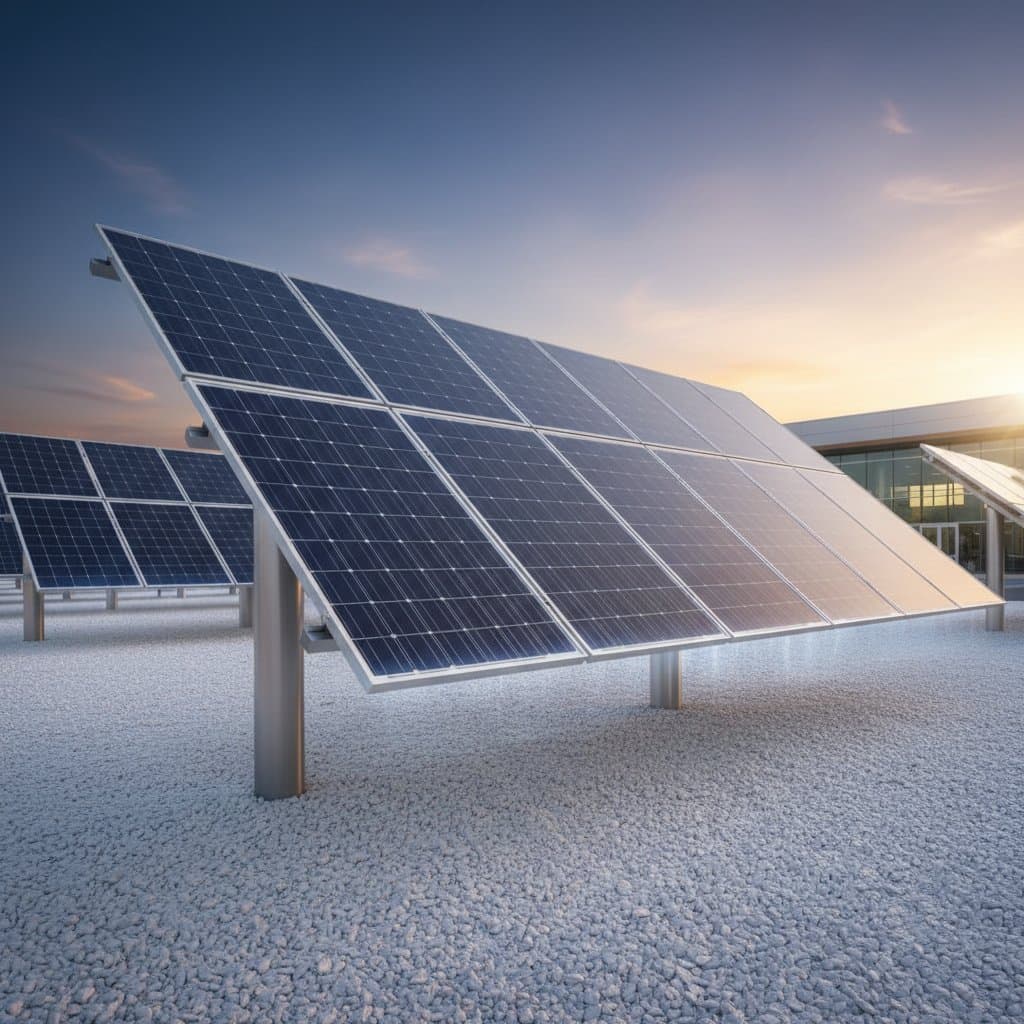
Bifacial Solar Panels Deliver 30% More Power, Same Space

Bifacial solar panels absorb sunlight from both sides, increasing energy production by up to 30% without additional land requirements. Innovations in materials, mounting configurations, and tracking mechanisms have elevated these panels from experimental options to essential components in modern solar installations, providing superior efficiency, reduced costs, and enhanced opportunities for sustainable energy solutions.

5 min read
Featured image for Perovskite-Silicon Panels Hit 32% Efficiency Mark

Perovskite-Silicon Panels Hit 32% Efficiency Mark

A U.S. research team has set a new benchmark with tandem perovskite-silicon solar panels reaching 32% efficiency, exceeding standard silicon capabilities. This advancement holds potential to overhaul U.S. solar production, deployment strategies, and regulatory frameworks, despite ongoing issues with longevity and mass production. Experts predict that overcoming these barriers could dramatically lower costs and enhance performance in the renewable energy market.

4 min read
Featured image for Bifacial Panels Capture 30% More Rooftop Energy

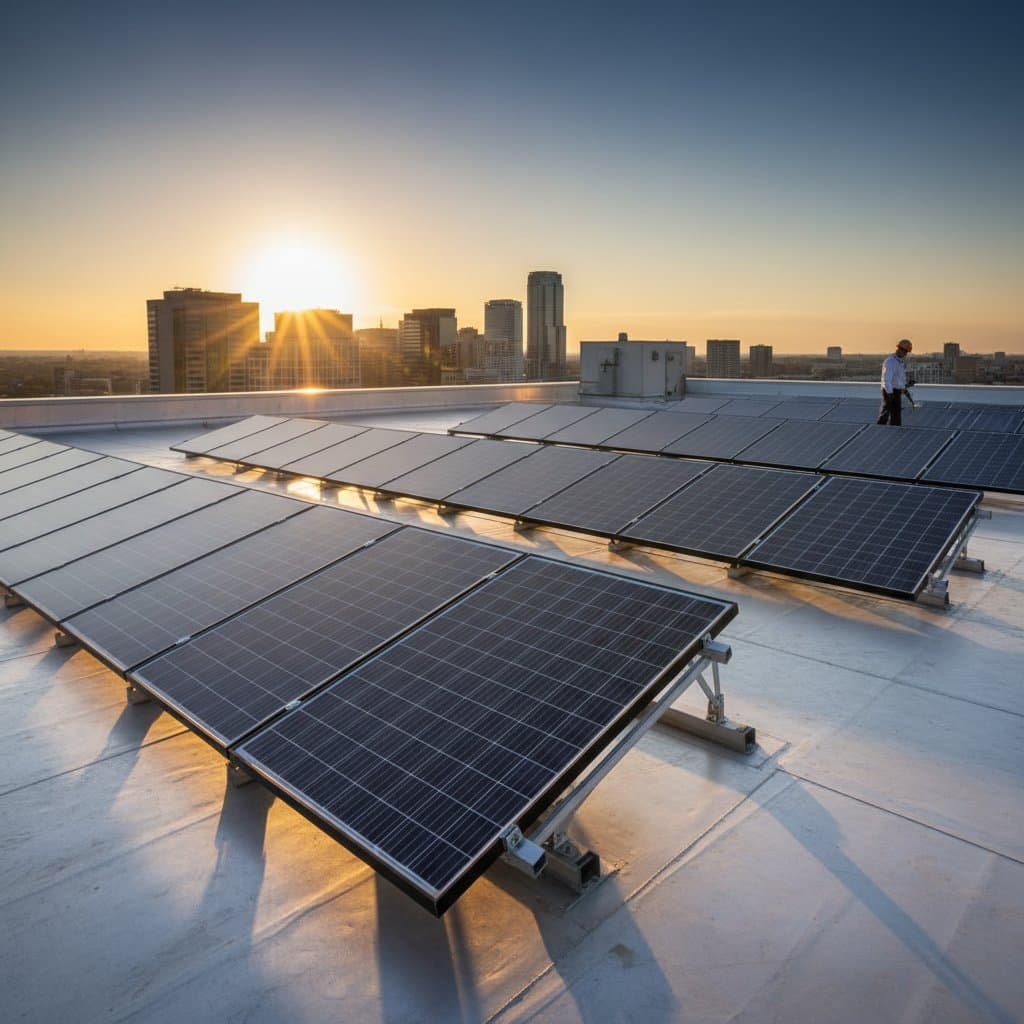
Bifacial Panels Capture 30% More Rooftop Energy

Bifacial solar panels harness sunlight from both front and back surfaces, increasing rooftop energy generation by up to 30 percent. This technology features dual-glass construction, optimized reflection management, and innovative mounting approaches that convert constrained roof areas into efficient power generators. With declining costs, bifacial panels are reshaping the financial viability of solar for homes and businesses.

5 min read
Featured image for Inverter Reliability Gap Closes as Field Data Shifts

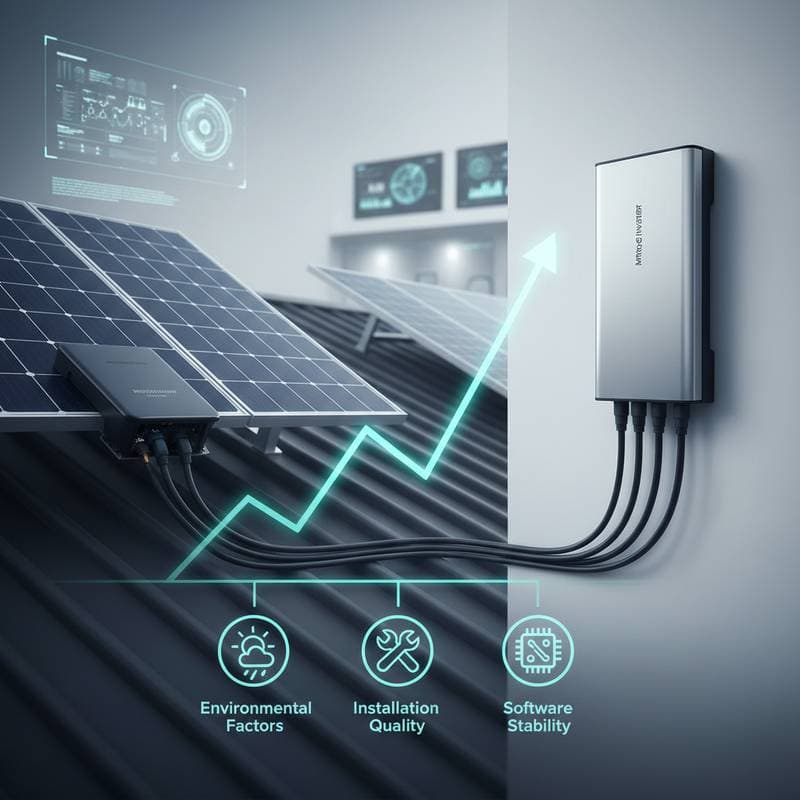
Inverter Reliability Gap Closes as Field Data Shifts

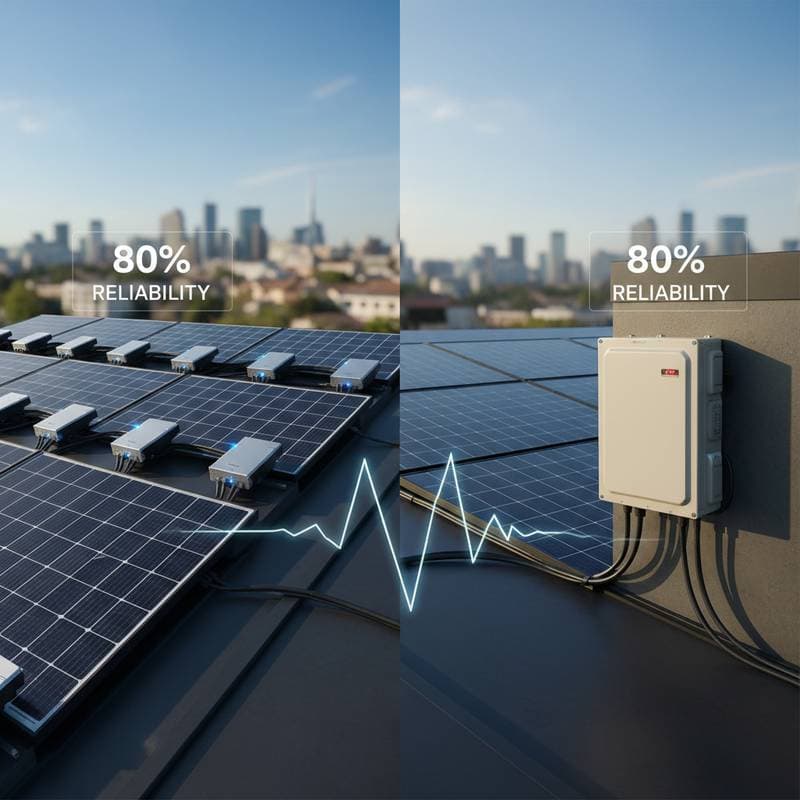
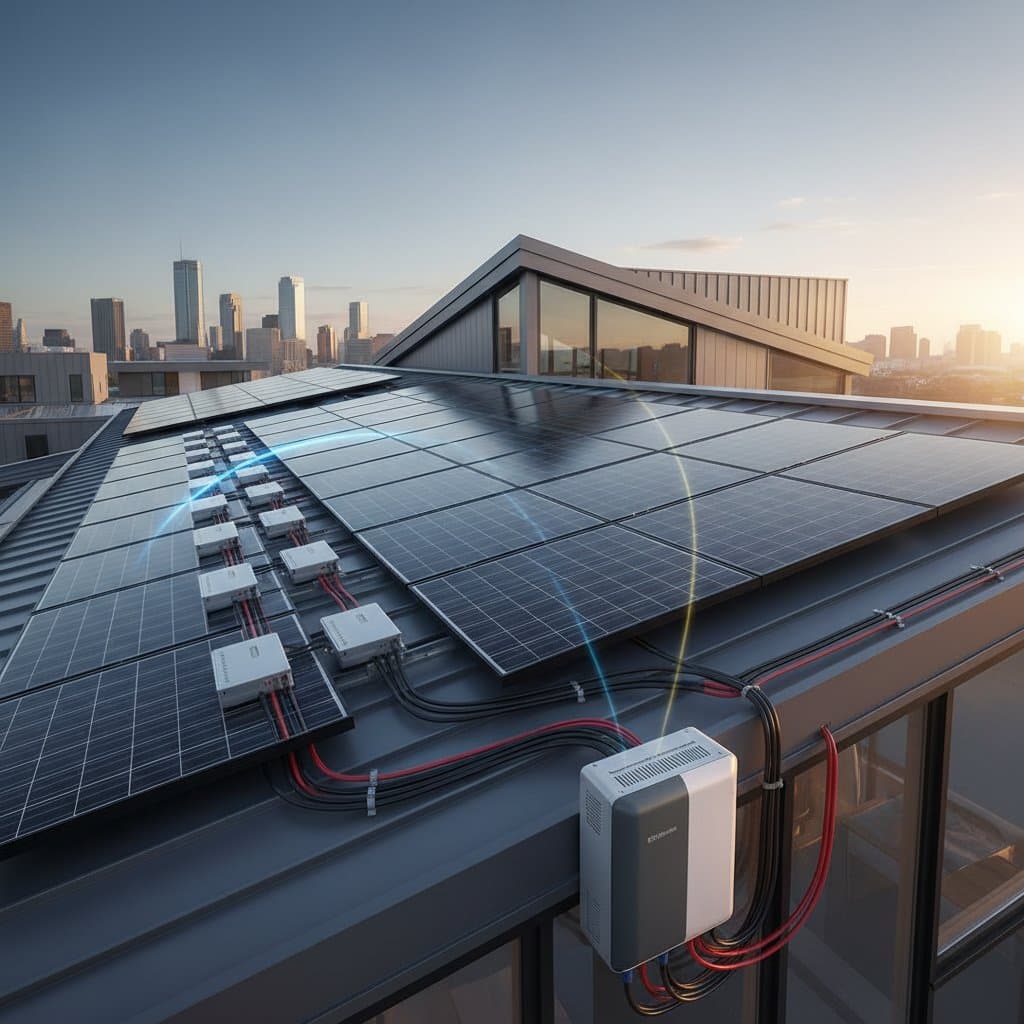
By 2026, field data indicates that the reliability gap between microinverters and string inverters has significantly narrowed. Both technologies now offer robust performance, with reliability influenced by environmental conditions, installation practices, and software stability. Thoughtful system design and ongoing maintenance emerge as essential for achieving long-term solar dependability.

4 min read
Featured image for Bifacial Solar Panels: When 30% Gains Pay Off

Bifacial Solar Panels: When 30% Gains Pay Off

Bifacial solar panels capture sunlight on both sides for potential energy gains up to 30%, though typical real-world boosts range from 5% to 20%. Success hinges on ground reflectivity, installation design, and cost-effectiveness. Under optimal conditions, they surpass monofacial panels, but precise modeling ensures solid returns.

5 min read
Featured image for Microinverters Claim 40% of Residential Solar Market

Microinverters Claim 40% of Residential Solar Market

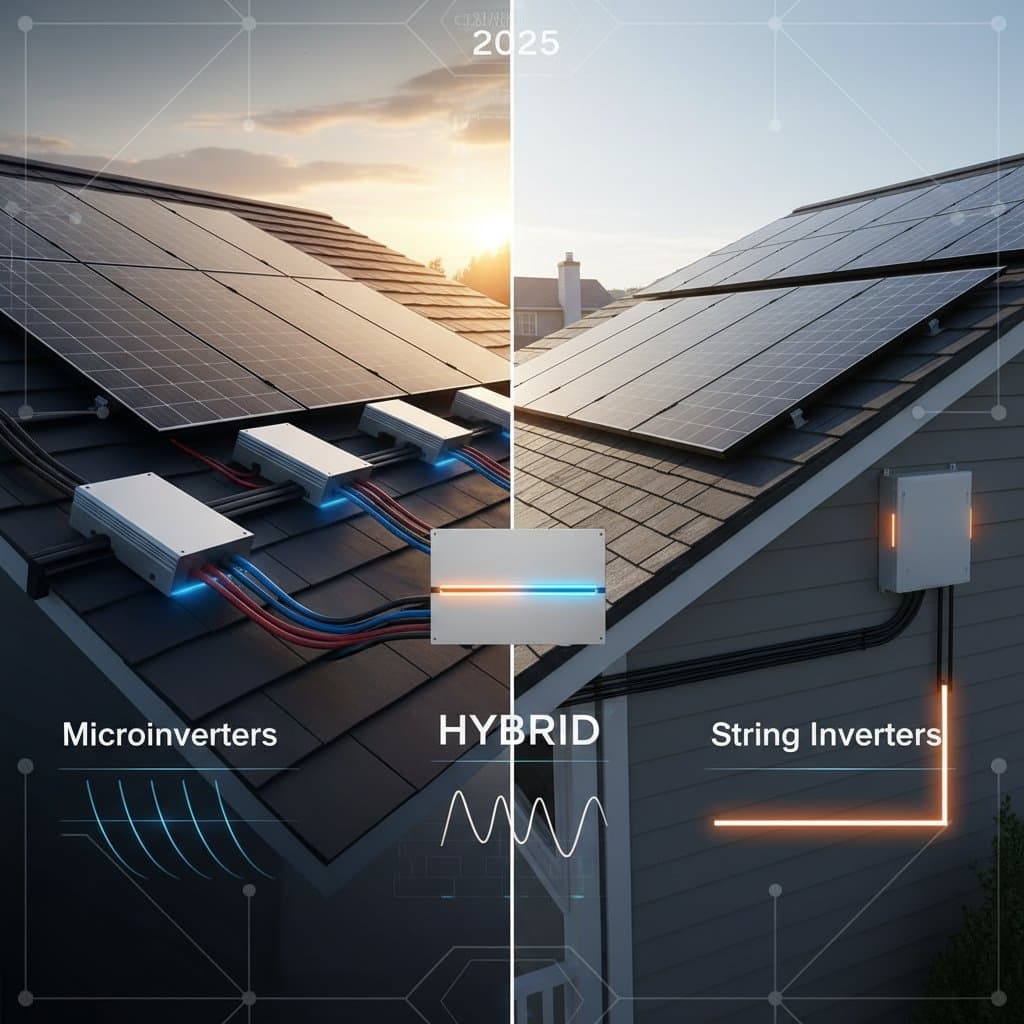
U.S. solar evolves with microinverters and string inverters vying for leads. Microinverters bring module-level optimization, adaptability, and extended warranties; string inverters ensure cost savings and easy servicing. Price drops, workforce shifts, and hybrid tech influence choices for residential, commercial, and utility solar in 2025.

5 min read
Featured image for Perovskite Solar Cells Hit 30% Efficiency Milestone

Perovskite Solar Cells Hit 30% Efficiency Milestone

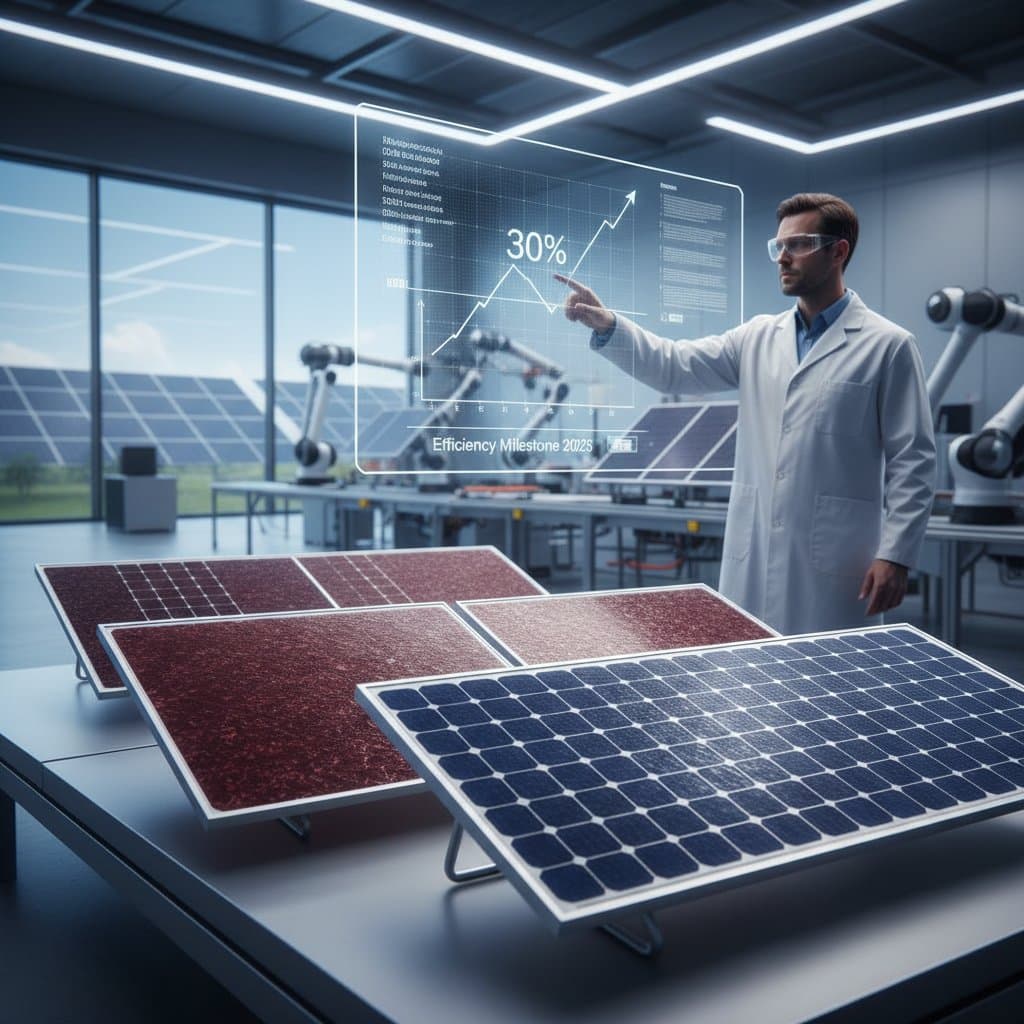
Perovskite solar cells have attained 30% efficiency, marking a key advancement for U.S. solar production and deployment. Enhanced stability, reduced weight, and cost savings of up to 20% position these tandem panels to alter photovoltaic economics, policy approaches, and grid systems, paving the way for superior renewable energy solutions.

5 min read
Featured image for Microinverters Show 80% Lower Failure Rate Than String

Microinverters Show 80% Lower Failure Rate Than String

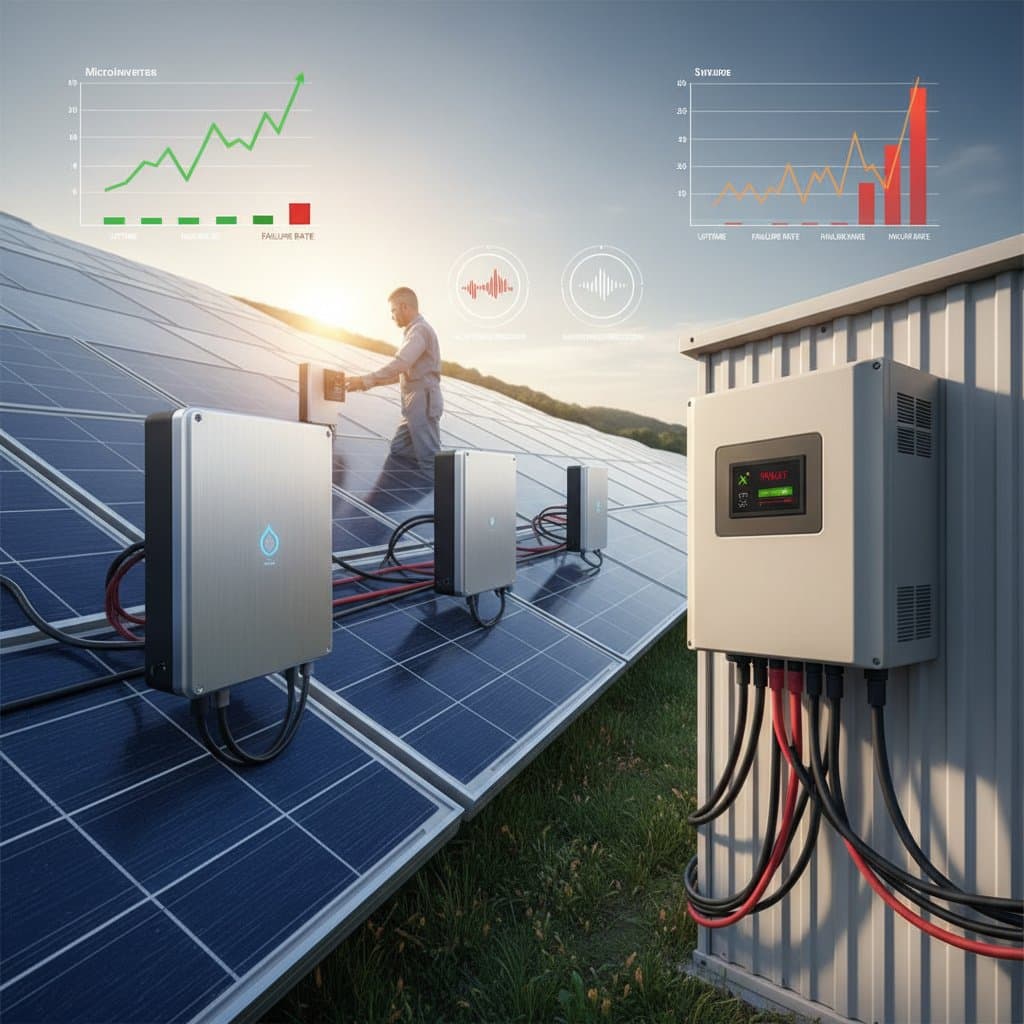
Recent 2025 data highlights microinverters' superior reliability over string inverters, with 80% lower failure rates and reduced downtime. Enhanced thermal management and predictive analytics position microinverters as leaders in residential solar, though advancing string designs and cost benefits sustain competitive dynamics for installers, investors, and manufacturers.

5 min read
Featured image for Why Microinverters Beat String Inverters in Shade

Why Microinverters Beat String Inverters in Shade

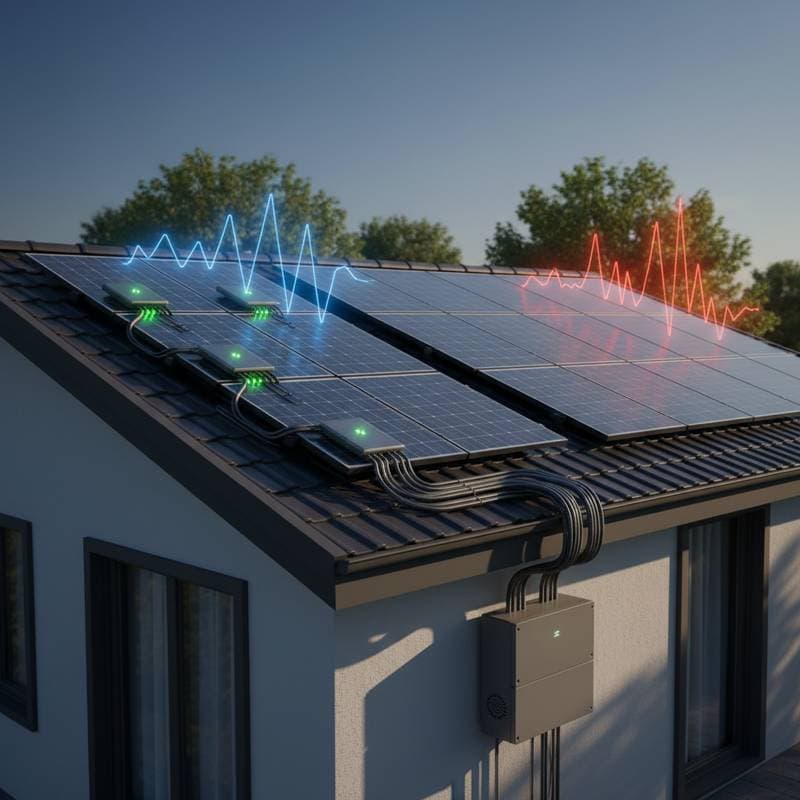
Microinverters optimize solar panel performance in partial shade by managing each module independently, preventing shade from affecting the entire system. In contrast to string inverters, they ensure consistent output, superior reliability, flexible designs, and precise monitoring to maximize energy production and long-term value in challenging rooftop setups.

4 min read
Featured image for Perovskite Solar Panels Hit 30% Efficiency Milestone

Perovskite Solar Panels Hit 30% Efficiency Milestone

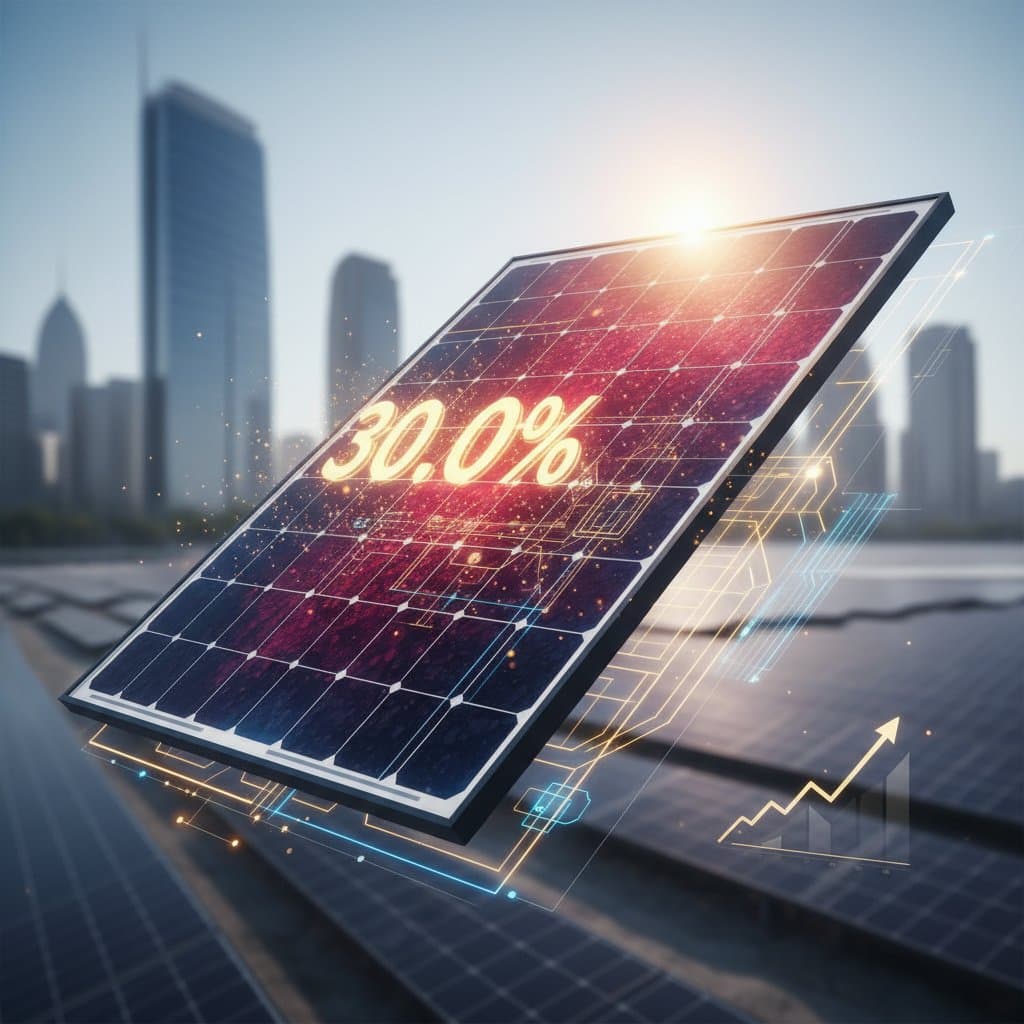
Perovskite-silicon tandem solar modules now achieve 30% efficiency, revolutionizing renewable energy with superior output, enhanced durability, and cost-effective production. As certifications progress and manufacturing scales, this innovation sets new standards for solar performance and economic viability worldwide.

5 min read