Turn Your Home Battery Into $400 Yearly Income
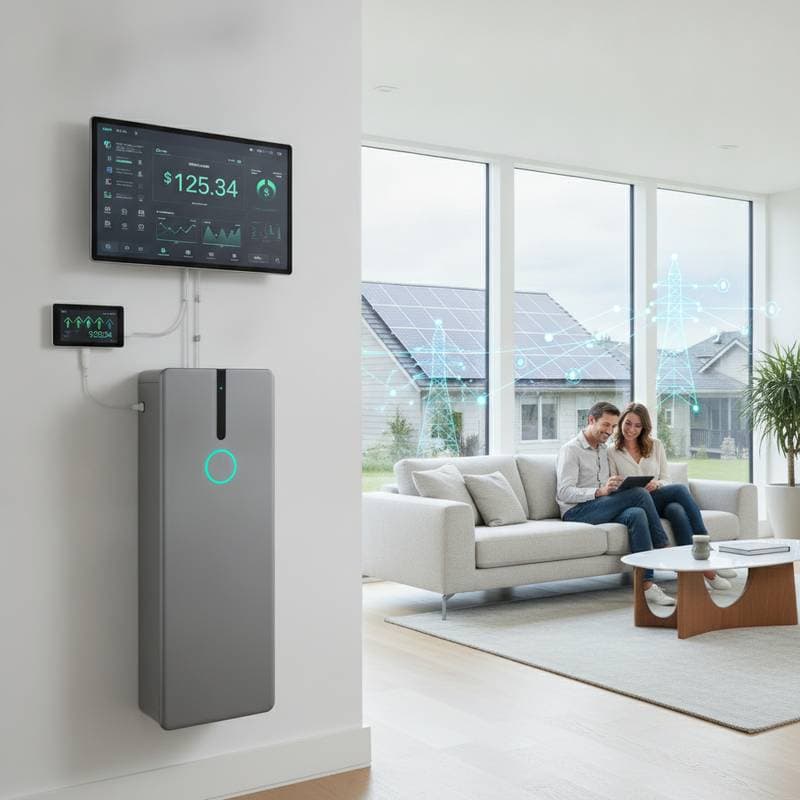
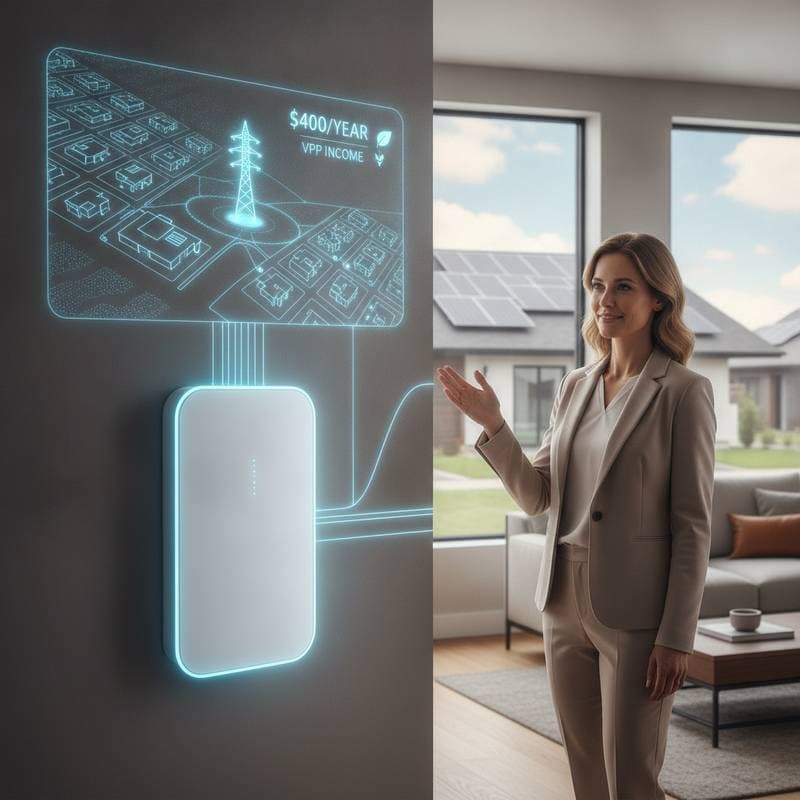
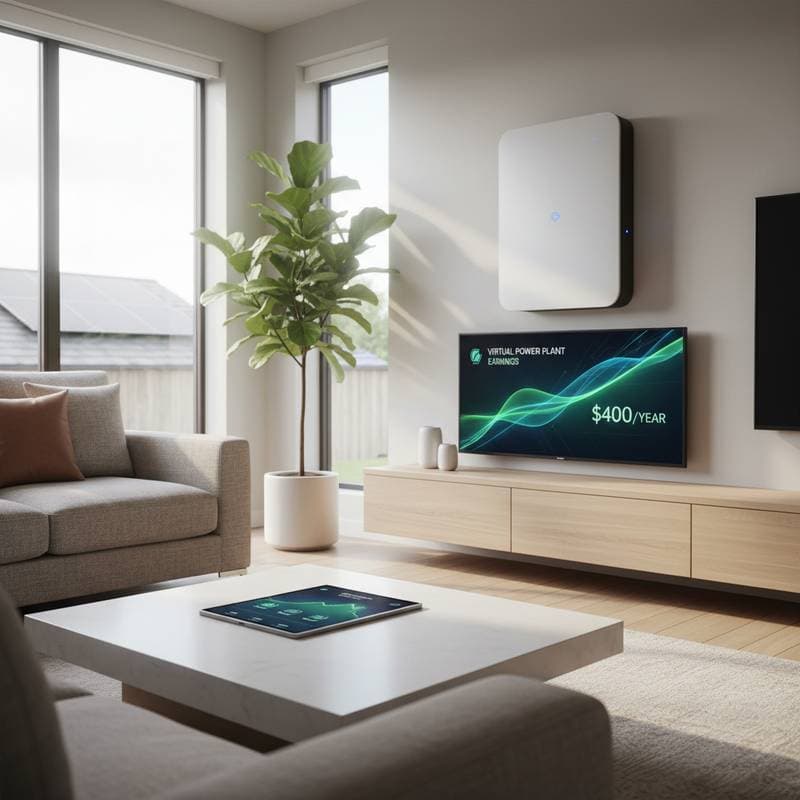
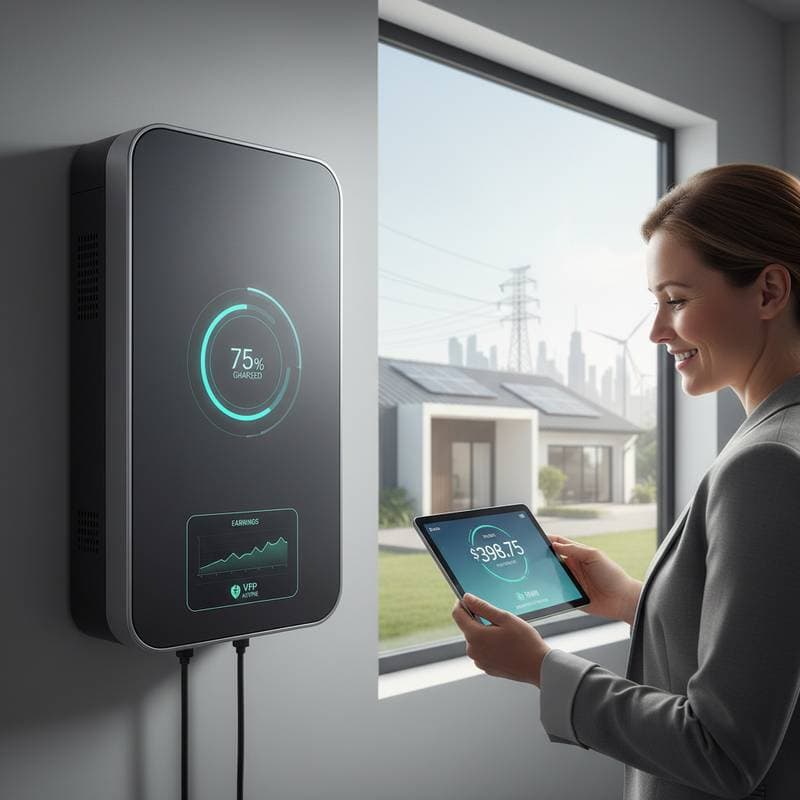
Virtual power plant programs turn home batteries into income-producing assets. Homeowners earn up to $400 per year by allowing controlled discharges that support the grid during high-demand periods.
Loading...
Articles tagged with programs
Virtual power plant programs turn home batteries into income-producing assets. Homeowners earn up to $400 per year by allowing controlled discharges that support the grid during high-demand periods.
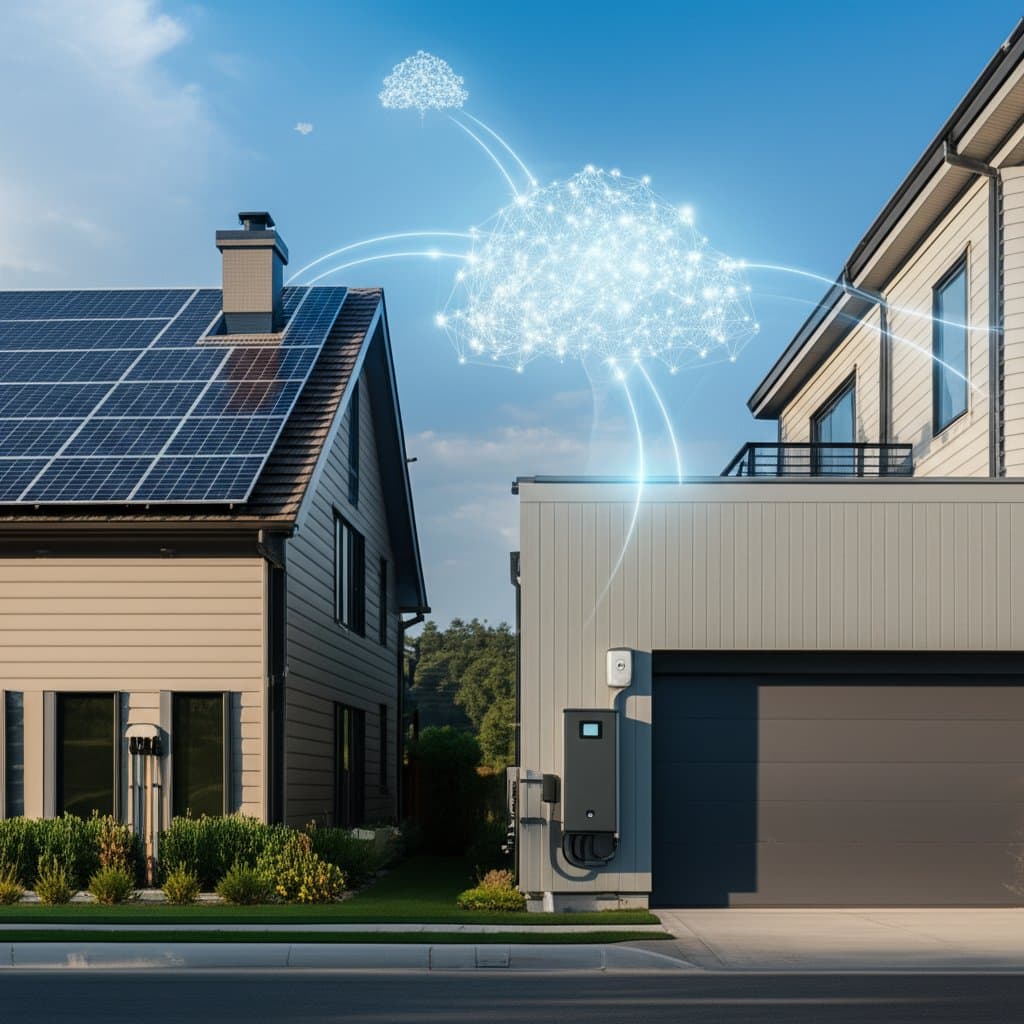
Homeowners with solar-plus-storage systems can earn approximately $400 annually by renting battery capacity to virtual power plants. These programs aggregate residential storage to support grid reliability and clean energy objectives, providing new revenue streams and better battery economics.
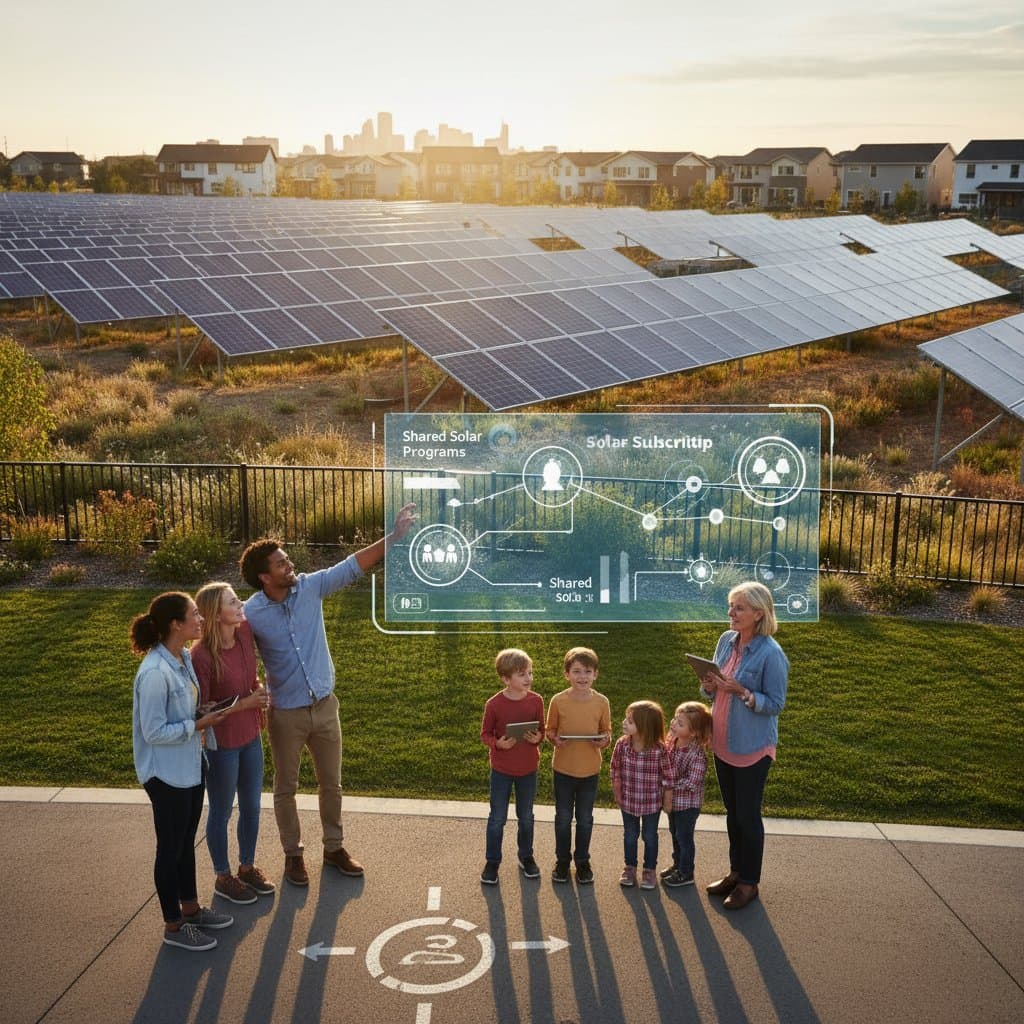
In 2026, community solar opens solar benefits to renters, businesses, and shaded-property owners via subscriptions to off-site arrays. Gain utility credits, cut costs, and advance clean energy without installations, promoting equity and growth.
Homeowners can earn up to $800 a year by connecting home batteries to virtual power plants, aiding grid stability during peaks. This initiative promotes renewable energy adoption, cuts fossil fuel use, and offers financial and environmental advantages as distributed resources transform U.S. electricity systems.
Stacking state solar incentives such as rebates, performance-based payments, and tax exemptions can reduce project costs by up to 35 percent. This approach shortens payback periods, increases profitability, and strengthens market position for installers and developers. Mastery of these programs unlocks substantial savings and promotes nationwide renewable energy growth.
Eight U.S. states plan to deliver up to $25,000 in solar rebates starting in 2025, spurring widespread installations, bolstering local manufacturing, and enhancing energy security. Programs in states like California and New York incorporate storage incentives and domestic content mandates, potentially unlocking 2.5 GW of new solar capacity and reshaping financing approaches for distributed energy projects.
Homeowners in multiple states gain access to up to $12,000 in solar rebates launching in Q1. These incentives stack with federal tax credits to slash system costs by up to 60 percent. The programs aim to drive solar adoption, shorten payback times, foster job creation, and broaden clean energy access for middle-income families across the nation.
Solar rebates differ significantly across the U.S., from California's multifaceted programs to Texas's utility-focused incentives. This guide identifies states where combining state, local, and federal benefits delivers the greatest savings. Uncover strategies for installers and developers to enhance project value through effective incentive layering and planning.
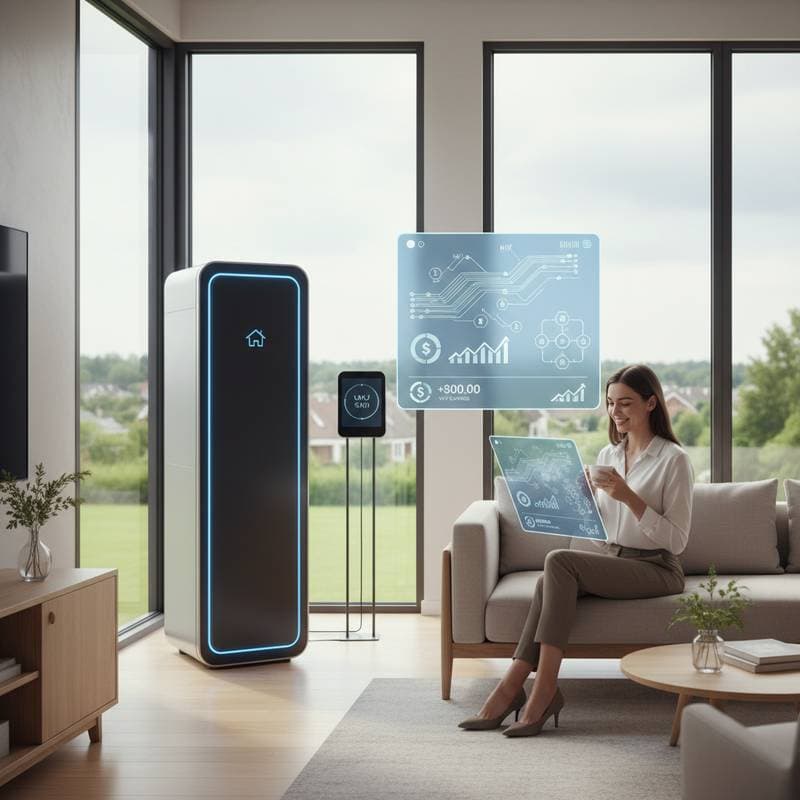
Virtual power plants aggregate distributed batteries to deliver grid services, enabling owners to earn income from stored energy. Sophisticated software facilitates real-time coordination, providing payments to participants while improving system reliability and advancing sustainable energy practices. With supportive policies on the rise, these programs present expanding avenues for monetizing storage solutions.
Convert your home battery into a revenue stream through Virtual Power Plants. These programs aggregate residential storage to stabilize the grid and compensate participants with up to $400 per year. Solar owners achieve financial gains, greater energy autonomy, and positive environmental impact with little daily involvement.