
Access Solar Power Without Rooftop Installations in 2026
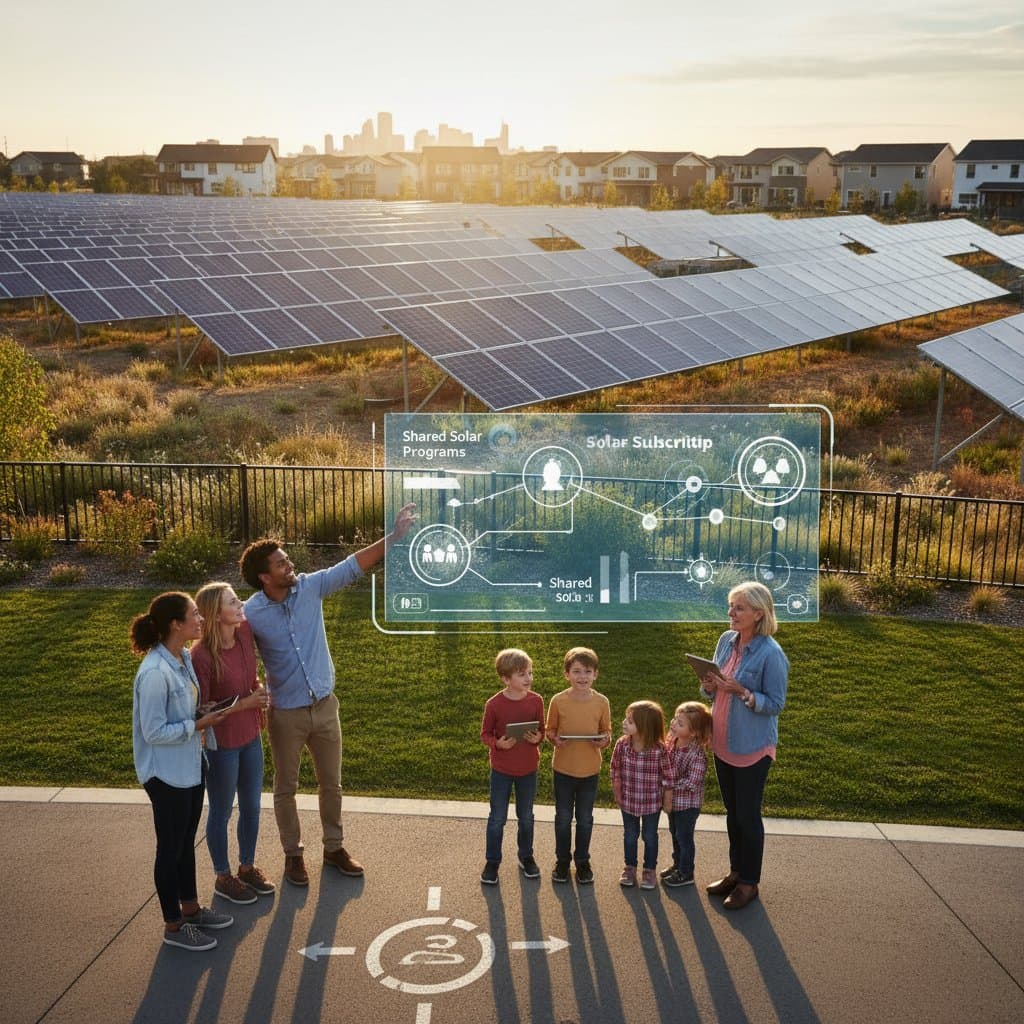
Solar energy stands as a leading renewable resource for households and enterprises, but obstacles persist for many seeking to adopt it. Renters, those in condominiums, and owners with unsuitable roofs often encounter hurdles with conventional panel setups due to practicality or expense. Community solar emerges as a viable solution, enabling subscribers to claim a share of a collective solar array and offset utility bills without personal installations.
These initiatives proliferate nationwide, backed by utilities, developers, and authorities aiming to broaden renewable participation. Programs prioritize ease, adaptability, and cost-effectiveness to attract diverse users.
Understanding Community Solar Operations
Community solar initiatives vary in details, yet they adhere to core steps:
-
Site Selection and Buildout
Developers scout locations, obtain approvals, and fund construction. Once built, arrays integrate with the utility grid for power distribution. -
Participant Signup
Individuals, companies, or groups select shares aligned with their energy needs. Options range from small portions for homes to larger allocations for operations. -
Power Production and Credits
Generated electricity enters the grid, with utilities allocating shares to participants. Credits appear on bills, directly reducing costs based on output. -
Sustained Oversight
Operators manage upkeep, performance tracking, and account handling. Subscribers enjoy options to adjust or exit under lenient conditions.
This approach empowers those ineligible for on-site solar to reap comparable rewards, fostering wider renewable involvement.
Pricing Structures for Subscriptions
Programs employ distinct models to suit preferences.
-
Subscription Plans
Users pay recurring fees for allocated output, yielding prompt bill reductions without initial outlays. Flexibility mirrors standard services, allowing easy entry or withdrawal. -
Ownership Options
Participants buy designated panels or capacity, involving upfront capital for amplified returns and direct ties to efficiency.
Structures ensure costs undercut retail rates, with savings influenced by locale, design, and rules. Participants typically see 5 to 20 percent reductions, depending on factors like sunlight exposure and policy support.
Factors Fueling Expansion and Collaborations
State laws, utility alliances, and community drives propel community solar forward. Regulations in over 20 states permit operations in utility zones, defining credit computations, billing, and grid ties.
Utilities collaborate with developers to boost renewables sans widespread rooftop demands. Such ties aid compliance with mandates while streamlining integrations. Developers gain expedited permissions and reliable mechanisms.
Cities and cooperatives join by siting projects locally, delivering economical clean power and retaining funds in areas. For instance, rural co-ops leverage open lands for arrays serving members efficiently.
Promoting Fairness in Participation
Community solar advances equity by reserving shares for income-qualified users. Enhanced credits or discounted rates alleviate utility strains for vulnerable families.
Initiatives simplify applications, conduct outreach, and ally with groups to reach underserved populations. These measures guarantee renewables serve broadly, bridging gaps beyond affluent rooftop adopters.
Benefits for Environment and Economy
Projects cut fossil fuel dependence, curbing emissions and aiding climate targets. They bolster grids by adding stable, local generation.
On economic fronts, developments spur jobs in building, operations, and support. Land hosts secure steady leases, and jurisdictions collect property taxes from installations.
Diversified sources improve reliability, easing peak loads and minimizing distant power transport inefficiencies.
Navigating Obstacles and Prospects Ahead
Variations in state rules hinder uniformity, affecting setups and administrations. Grid limits and scaling subscriber systems pose additional issues.
Forecasts predict acceleration with policy refinements and utility pursuits of goals. Advances in tracking and billing tech promise streamlined processes, heightening appeal.
By 2030, capacity could triple, integrating with storage for round-the-clock benefits.
Steps to Join a Program
Prospective participants start by identifying local offerings via utility portals or developer sites. Enter a zip code to view availability and match shares to usage.
For enterprises, scale subscriptions to consumption for steady pricing and green credentials minus investments. Nonprofits and officials amplify impact through education and facilitation, guiding communities to savings and sustainability.
Community solar democratizes renewables, enabling cost cuts, emission reductions, and progress toward resilient energy systems for all.