IRS Now Ties Solar Tax Credits to Roof Condition
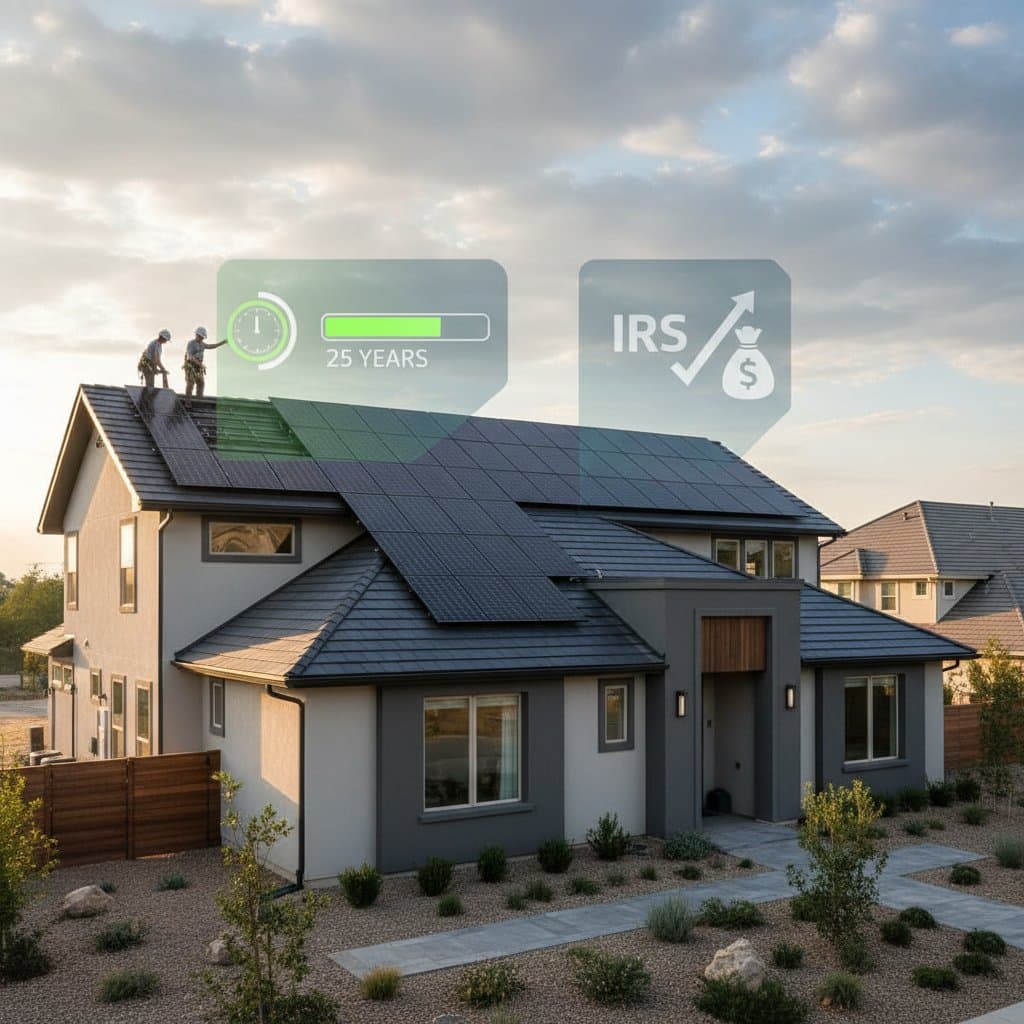
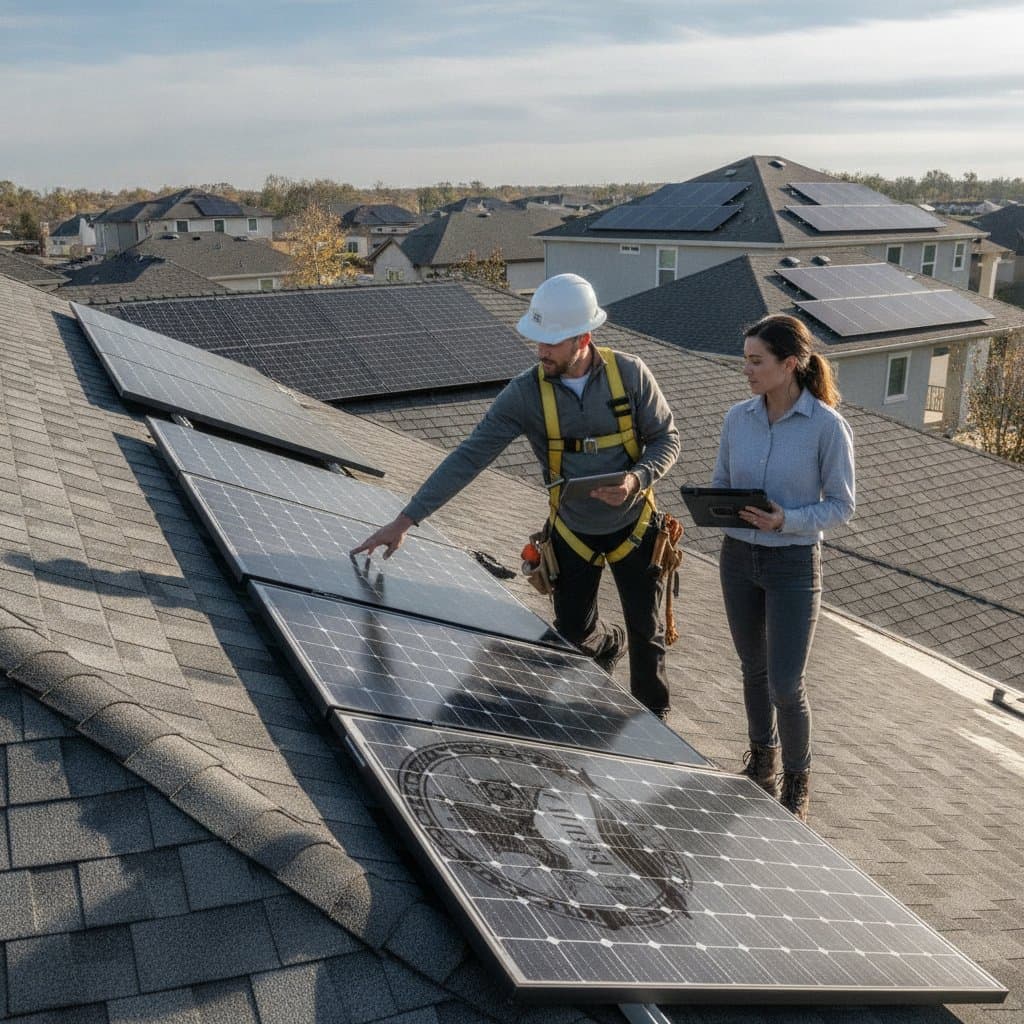
The IRS now requires roof verification for solar tax credit claims. Homeowners and installers must document structural suitability, affecting project timelines and eligible expenses.
Loading...
Articles tagged with requirements
The IRS now requires roof verification for solar tax credit claims. Homeowners and installers must document structural suitability, affecting project timelines and eligible expenses.
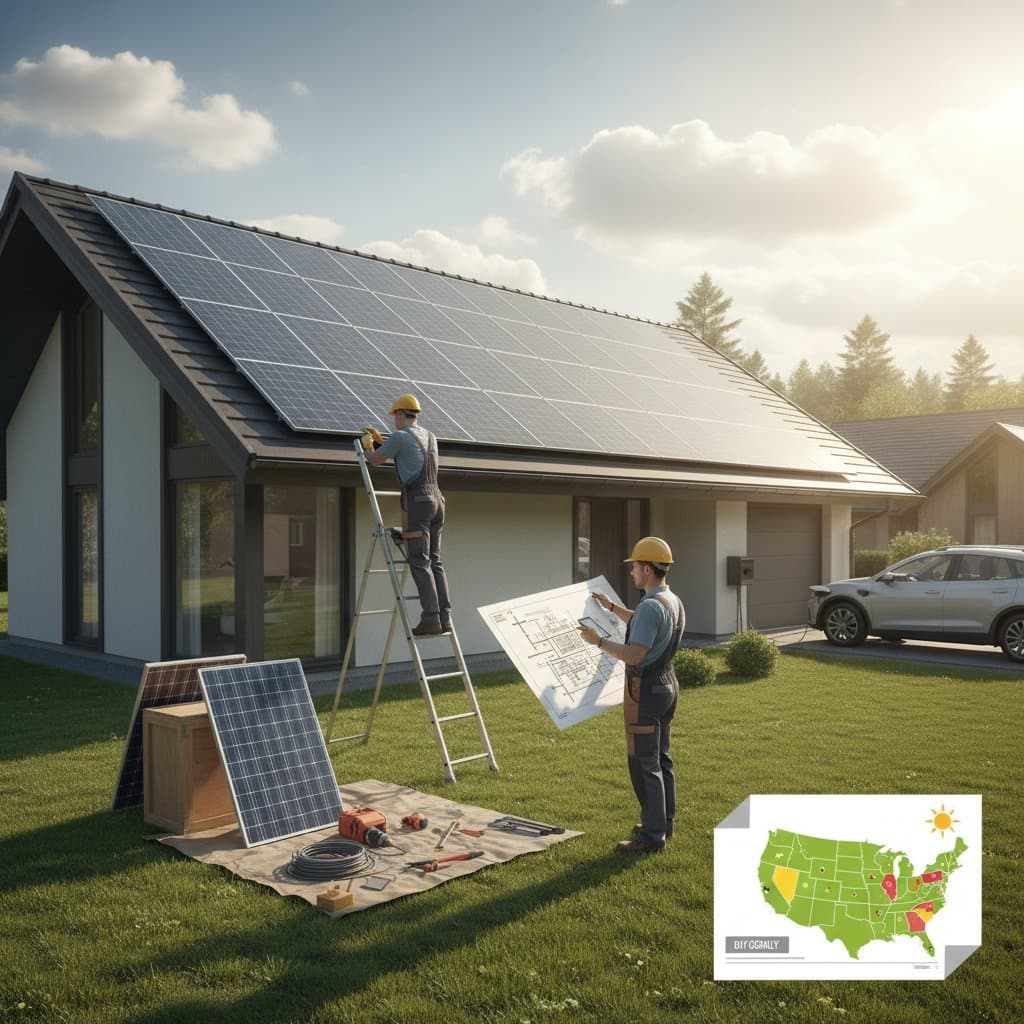
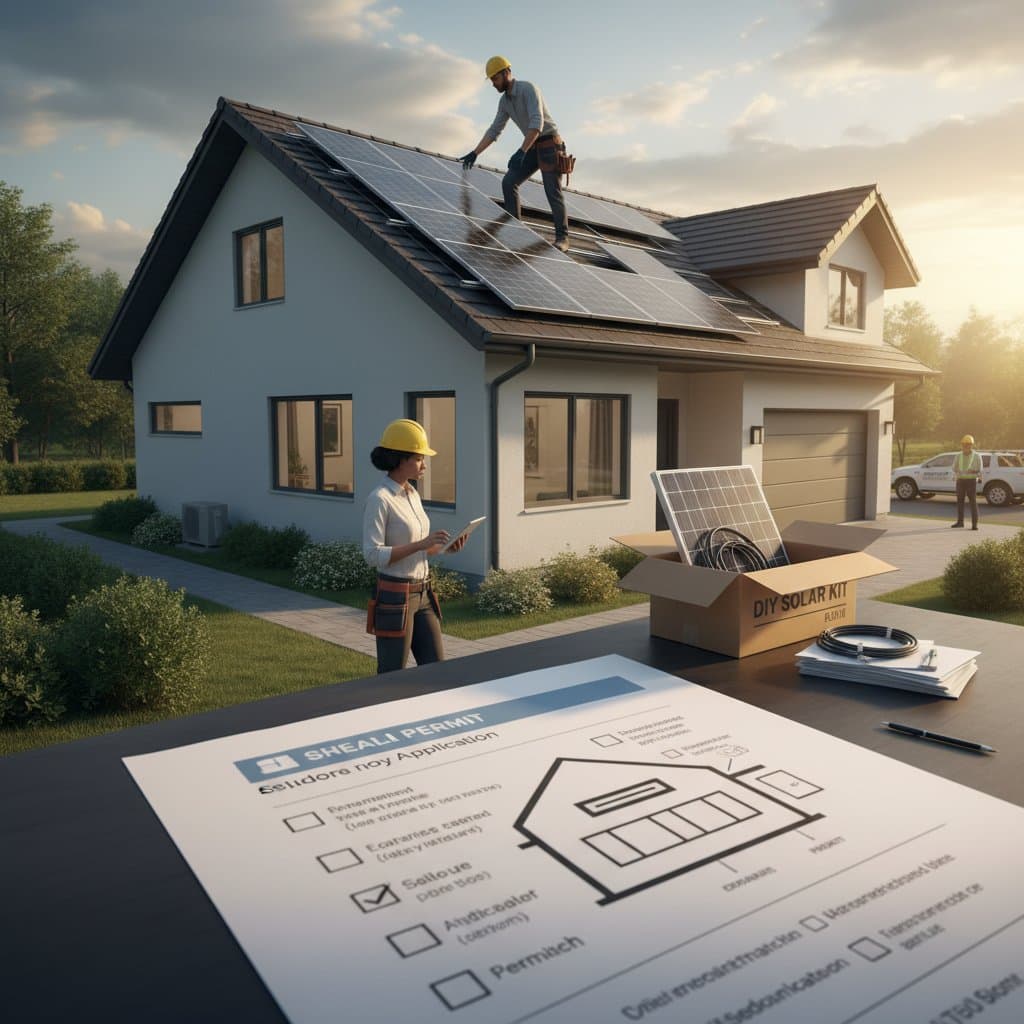
With falling solar costs, DIY installations offer significant savings, but state laws determine feasibility. This guide identifies permissive states, outlines permitting steps, and highlights safety essentials for successful homeowner-led solar setups.
From 2026 onward, the IRS mandates that rooftop solar systems align with the roof's expected lifespan to qualify for tax credits. This policy promotes durability, alters installation approaches, potentially increases costs, and fosters advancements in solar-roof integration for sustained renewable energy performance.
A recent IRS interpretation targets roof age in solar installations, potentially denying homeowners valuable tax credits. This change creates uncertainty for installers and financiers, emphasizing the need for precise planning to secure clean energy benefits.
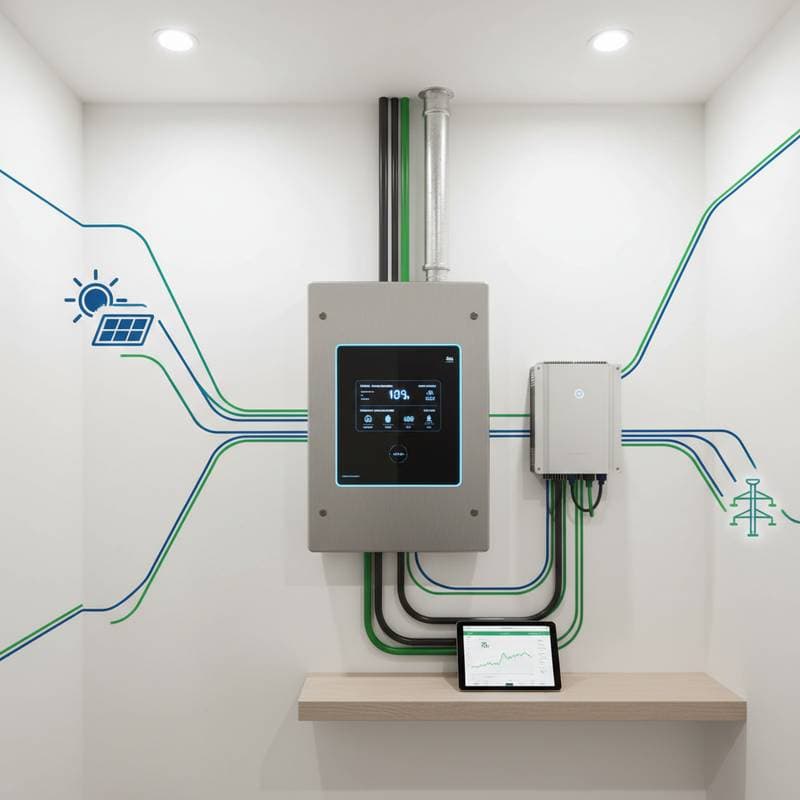
Cities advance electrification by mandating smart electrical panels with solar setups. These advanced breaker systems offer real-time management, grid support, and long-term adaptability. From regulation to essential tech, they form the core of interactive solar homes.
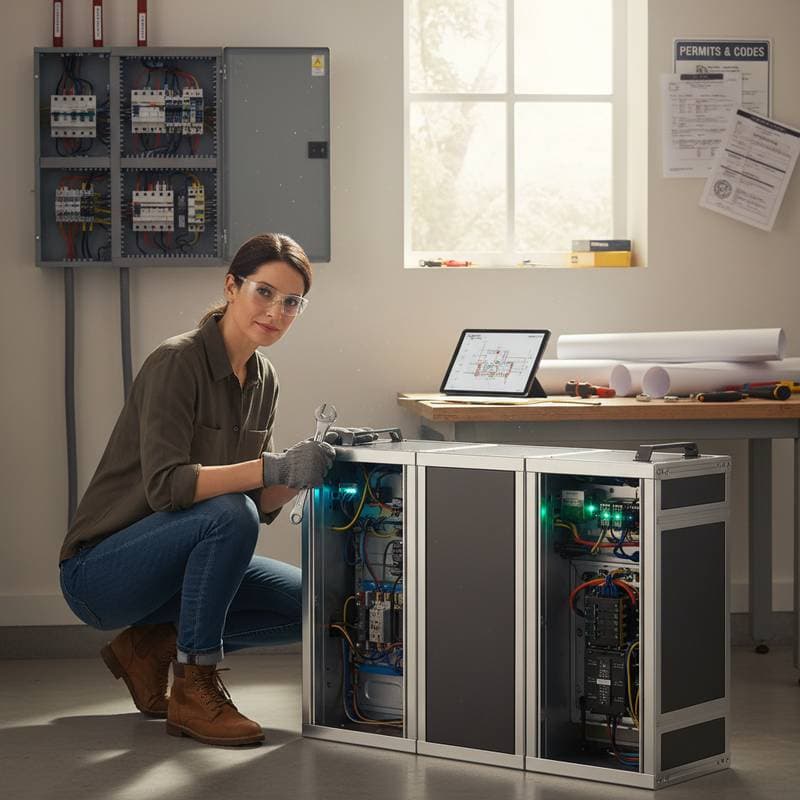
Planning a DIY solar battery setup? Legality hinges on local permits, electrical codes, and utility approvals. Certified systems may allow owner installation with inspections, but custom builds often require professionals to meet standards and prevent hazards like fires or grid issues.
An increasing number of U.S. states permit homeowners to install solar panels without licensed electricians, fueling discussions on safety, affordability, and access. DIY solar kits and simplified permits boost growth, yet they prompt concerns about oversight from utilities, installers, and regulators seeking to harmonize consumer empowerment with grid protection.
DIY solar offers energy independence, yet bureaucracy in Florida, Nevada, and Massachusetts transforms promising projects into expensive setbacks. Explore restrictive licensing, erratic permits, and utility obstacles that hinder homeowners, plus practical reforms to enable secure, self-led clean energy adoption.
Installing solar panels offers significant federal tax credits, but an old or improperly replaced roof can jeopardize eligibility. Recent IRS guidelines restrict credits to components directly supporting solar systems, requiring homeowners to prioritize roof assessments, detailed records, and strategic planning to secure full benefits.