
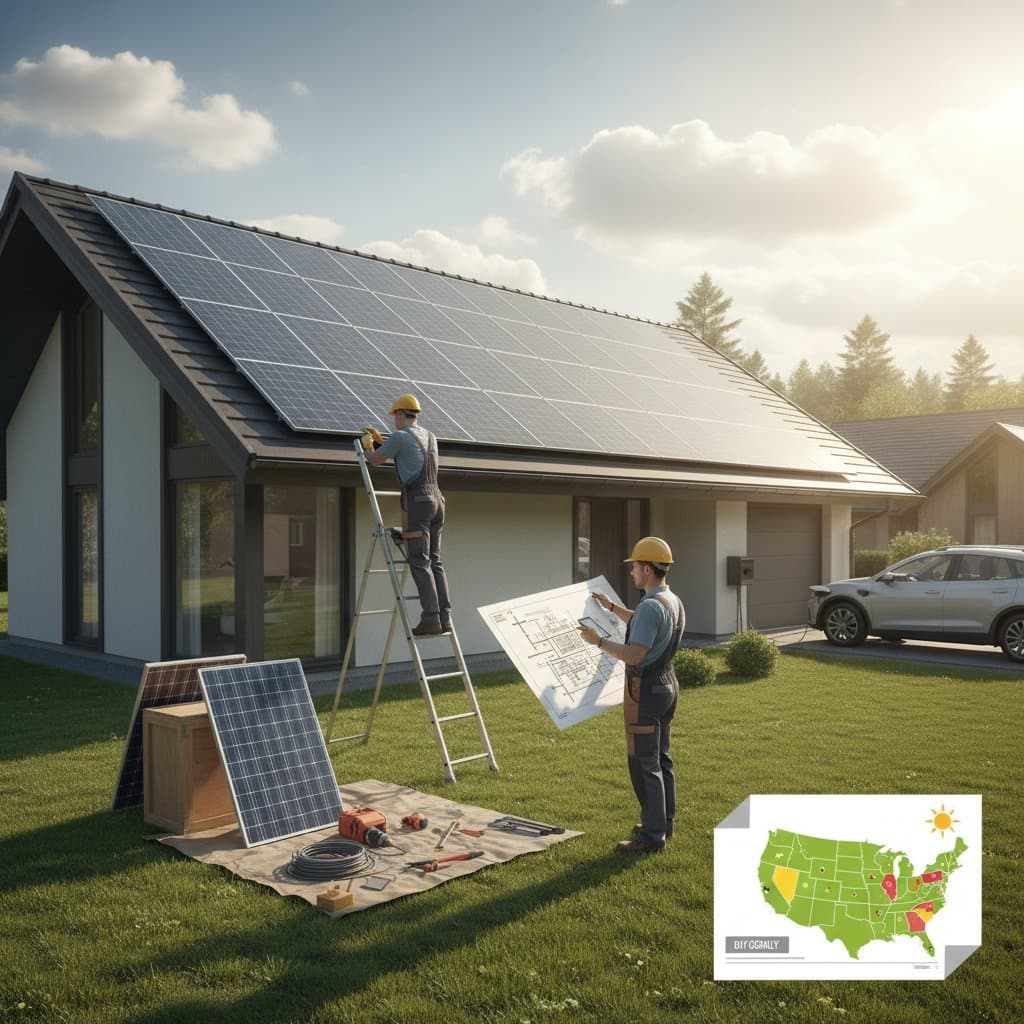
Understanding DIY Solar Appeal
Homeowners increasingly turn to do-it-yourself solar installations to reduce energy costs and gain energy independence. Professional setups often range from fifteen thousand to twenty-five thousand dollars before incentives, while DIY approaches can halve those expenses through direct equipment purchases and self-performed labor. This method also fosters a deeper understanding of the system, enabling better maintenance and troubleshooting.
Advancements in solar technology further support DIY efforts. Plug-and-play inverters simplify electrical connections, and pre-engineered racking systems ease panel mounting. Manufacturers provide comprehensive resources, including installation manuals, online videos, and dedicated support, making the process approachable for skilled homeowners.
Key Risks and Mitigation Strategies
Self-installing solar panels involves substantial responsibilities to ensure safety and compliance. Incorrect setups may fail inspections, pose fire or shock hazards, or invalidate warranties. Adherence to the National Electrical Code, along with local variations, remains essential.
Inspections by local authorities typically precede grid connection, and utilities require certification before activation. Homeowners should verify insurance policies, as some demand code-compliant installations. Maintaining records of permits, certifications, and reports protects against future disputes.
Top States Permitting DIY Solar Installations
State regulations vary widely, with some embracing homeowner involvement to accelerate solar adoption. In these locations, individuals can manage much of the installation, provided they secure permits and meet codes. Below are leading states known for supportive policies.
-
California: Homeowners may install their own systems on owner-occupied properties, but electrical work requires a licensed professional for final connections. The state's aggressive solar incentives, like the federal investment tax credit, amplify savings. Local permitting processes emphasize seismic and fire safety standards.
-
Texas: Deregulated energy markets encourage DIY projects, allowing full homeowner installation without mandatory licensing for personal use. Permits focus on structural integrity and grid interconnection. High sunlight levels make Texas ideal for maximizing panel efficiency.
-
Florida: Permissive rules let residents handle mechanical aspects, though licensed electricians must oversee wiring. Hurricane-resistant building codes apply, ensuring durable setups. Abundant sunshine supports quick returns on investment.
-
Arizona: Desert climate and pro-solar policies permit DIY installations, with streamlined permitting for residential projects. Homeowners perform mounting and racking, while inspections verify compliance. Net metering programs enhance financial benefits.
-
Colorado: Mountainous terrain demands robust designs, but state laws allow self-installation for primary residences. Permits require detailed plans, and high-altitude considerations affect panel orientation. Renewable energy rebates add value.
-
New York: Recent incentives support DIY efforts, permitting homeowner-led projects with local oversight. Electrical components often need professional review, but mechanical work stays accessible. Urban and rural incentives vary by locality.
-
Nevada: Solar-friendly regulations enable full DIY systems, including basic electrical tasks for owner use. Permitting emphasizes utility interconnection standards. Vast open spaces suit ground-mounted arrays.
These states represent opportunities, yet local ordinances can differ. Always consult municipal offices for current rules.
Navigating Permits and Compliance
Research forms the foundation of any DIY solar project. Begin by contacting your local building department to confirm allowance for homeowner installations. Obtain written guidelines on permits, fees, and required documentation upfront.
Prepare detailed plans, including site diagrams, equipment specifications, and load calculations. Study applicable electrical codes, focusing on grounding, overcurrent protection, and interconnection protocols. Even in permissive states, certain tasks like live wiring may necessitate a licensed electrician.
Schedule inspections at key stages: structural mounting, electrical rough-in, and final commissioning. Gather certified components from reputable suppliers to streamline approvals. This thorough approach minimizes delays and ensures safe operation.
Mechanical Tasks Homeowners Can Tackle
Many aspects of solar installation suit capable individuals. Secure racking systems to roofs or ground mounts using manufacturer instructions, ensuring proper alignment for optimal sun exposure. Mount panels firmly, sealing penetrations to prevent leaks.
Run conduit for wiring paths, organizing cables to avoid hazards. Install inverters and balance-of-system components per guidelines, testing connections before full energization. These steps build confidence while adhering to safety protocols.
Securing Long-Term Benefits and Savings
Successful DIY solar projects deliver lasting rewards through reduced utility bills and environmental impact. In supportive states, compliance unlocks incentives like tax credits and rebates, often covering thirty percent of costs. Track performance with monitoring tools to optimize output.
Homeowners gain not only financial independence but also practical skills for future enhancements. By prioritizing safety and documentation, individuals create reliable systems that withstand time and weather. This proactive path empowers sustainable living on personal terms.