
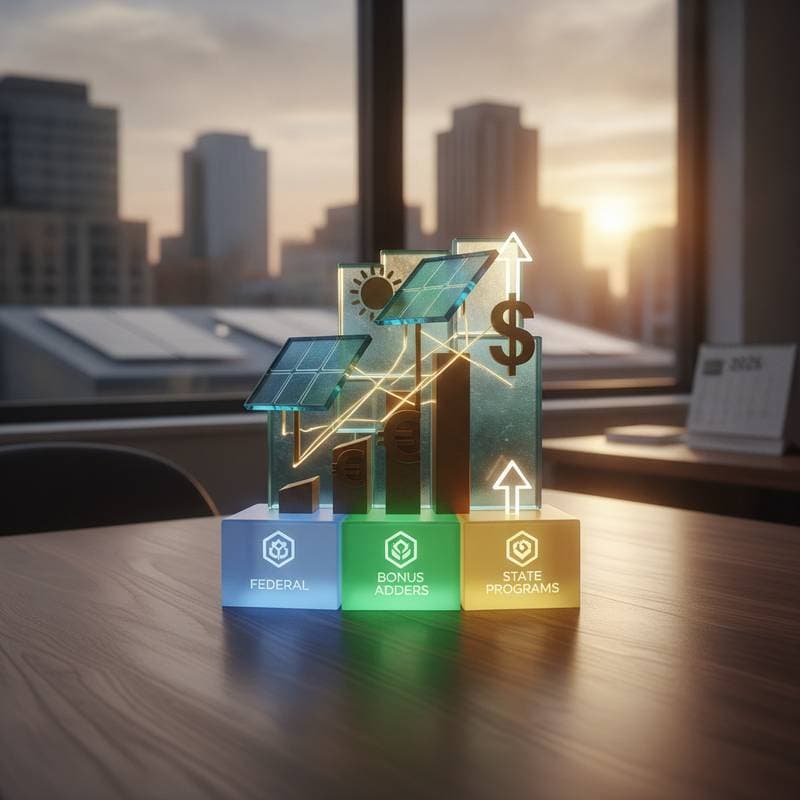
Double Your Solar Savings by Stacking IRA Incentives
Federal clean energy policy has created new opportunities for homeowners and businesses to save more on solar installations. The Inflation Reduction Act introduced several layers of incentives that can be combined to reduce project costs and improve return on investment. Understanding how these credits interact allows solar adopters to maximize benefits while supporting renewable energy growth.
Understanding the Core Solar Investment Tax Credit
The foundation of federal solar savings remains the Investment Tax Credit. This credit allows taxpayers to deduct a percentage of the total system cost from their federal taxes. Eligible expenses include equipment, installation labor, and energy storage systems paired with solar arrays. The credit applies to both residential and commercial projects.
This incentive alone can lower upfront costs significantly. The IRA expanded the program with additional bonus credits linked to specific project characteristics. Careful planning allows these bonuses to combine for substantial savings beyond the base credit.
How Bonus Credits Multiply Project Value
The IRA introduced several adders that reward projects meeting certain labor, location, or manufacturing requirements. Each bonus can increase the overall credit value when conditions are met. Multiple incentives may apply to the same project.
Key bonus categories include:
- Domestic Content Bonus: Projects using solar panels, inverters, or structural components produced in the United States can qualify for an additional percentage boost. This incentive encourages local manufacturing while rewarding buyers who prioritize American-made equipment.
- Energy Community Bonus: Projects located in designated areas such as former fossil fuel regions or communities with high unemployment linked to the energy sector can earn an extra credit. This supports economic development where traditional energy jobs have declined.
- Low-Income and Affordable Housing Bonus: Community solar projects serving low-income customers or installed on affordable housing developments can qualify for higher credits. This bonus promotes equitable access to clean energy.
When combined, these adders can significantly increase the total incentive value. A project meeting both domestic content and energy community criteria could qualify for extra percentages that add up quickly.
Pairing Federal Credits with State and Local Programs
Federal incentives set a strong foundation. Many states and municipalities offer additional rebates or performance-based programs. Combining federal and local benefits often results in the highest possible return. State renewable energy funds, utility rebates, and property tax exemptions can all layer on top of IRA credits.
Some states provide direct cash rebates for residential solar systems. Others support production-based incentives that pay for each kilowatt-hour generated. Businesses may also benefit from accelerated depreciation schedules that further reduce taxable income. When these programs are stacked strategically, total savings can exceed half the installed cost in many markets.
Energy Storage and the New Standalone Credit
Before the IRA, energy storage systems had to be paired with solar to qualify for tax credits. The new provisions now allow standalone batteries to receive the same base credit. This expands flexibility for homeowners and commercial users. Batteries installed alongside solar arrays remain fully eligible.
For those installing solar and storage together, the credit applies to both portions of the system. This creates an opportunity to design integrated solutions that enhance resilience while benefiting from multiple incentive layers. When combined with state storage rebates or utility demand-response programs, total cost reductions become even more compelling.
Meeting Labor and Wage Requirements
To access the full value of certain IRA credits, projects must comply with labor standards covering wages and apprenticeship participation. These rules apply to larger projects and commercial systems. Smaller residential installations are often exempt. Commercial developers should confirm compliance before claiming credits.
Meeting these requirements can unlock higher percentage credits. Documentation and verification remain essential. Contractors and developers who maintain strong recordkeeping practices will find it easier to secure full eligibility across multiple incentive categories.
Financing Strategies That Maximize Savings
Stacking incentives is only part of the equation. How a project is financed also influences long-term returns. Cash purchases make it easier to claim tax credits directly. Loans or leases may affect who receives the credit. Businesses can often transfer credits under specific conditions.
Power purchase agreements may also incorporate incentive stacking by transferring benefits to system owners who pass savings to customers through lower rates. Understanding how ownership and financing interact with federal and state programs helps ensure that each available dollar of incentive translates into real financial value.
Practical Steps for Claiming and Combining Credits
Homeowners and developers should follow a structured approach when planning to stack IRA incentives:
- Confirm eligibility early by reviewing federal, state, and local program requirements before finalizing system design or equipment procurement.
- Coordinate with certified installers who are familiar with IRA compliance and proper documentation of labor standards, equipment origin, and project location.
- Track all expenses and records including invoices, proof of payment, and certification documents required for filing credits.
- Consult tax professionals who specialize in renewable energy projects to determine how to apply credits across multiple tax years.
- Leverage state and utility databases to ensure that no eligible benefit is overlooked.
Building Long-Term Value Through Smart Incentive Planning
Stacking IRA incentives delivers more than immediate project savings. Each credit and bonus contributes to a longer-term financial advantage through lower energy costs, improved property value, and potential revenue from grid participation. Businesses that plan strategically can integrate solar and storage into broader sustainability goals while maintaining strong financial performance.
For residential customers, combining federal credits with local rebates often shortens the payback period dramatically. Consulting qualified professionals and aligning project design with available programs allows homeowners to capture the full range of economic and environmental benefits.
Capturing Every Eligible Incentive
The Inflation Reduction Act created a layered incentive framework that rewards thoughtful planning. By stacking credits from multiple sources, both individuals and organizations can double their solar savings while supporting domestic manufacturing, job creation, and cleaner energy production. Careful coordination among installers, suppliers, and financial professionals ensures that every eligible dollar is captured.