IRS Solar Credit Requires System Running Before Filing
The IRS now requires solar systems to be fully operational before filing taxes to claim the Investment Tax Credit. This affects project timing for homeowners and commercial developers alike.
Loading...
Articles tagged with credit
The IRS now requires solar systems to be fully operational before filing taxes to claim the Investment Tax Credit. This affects project timing for homeowners and commercial developers alike.
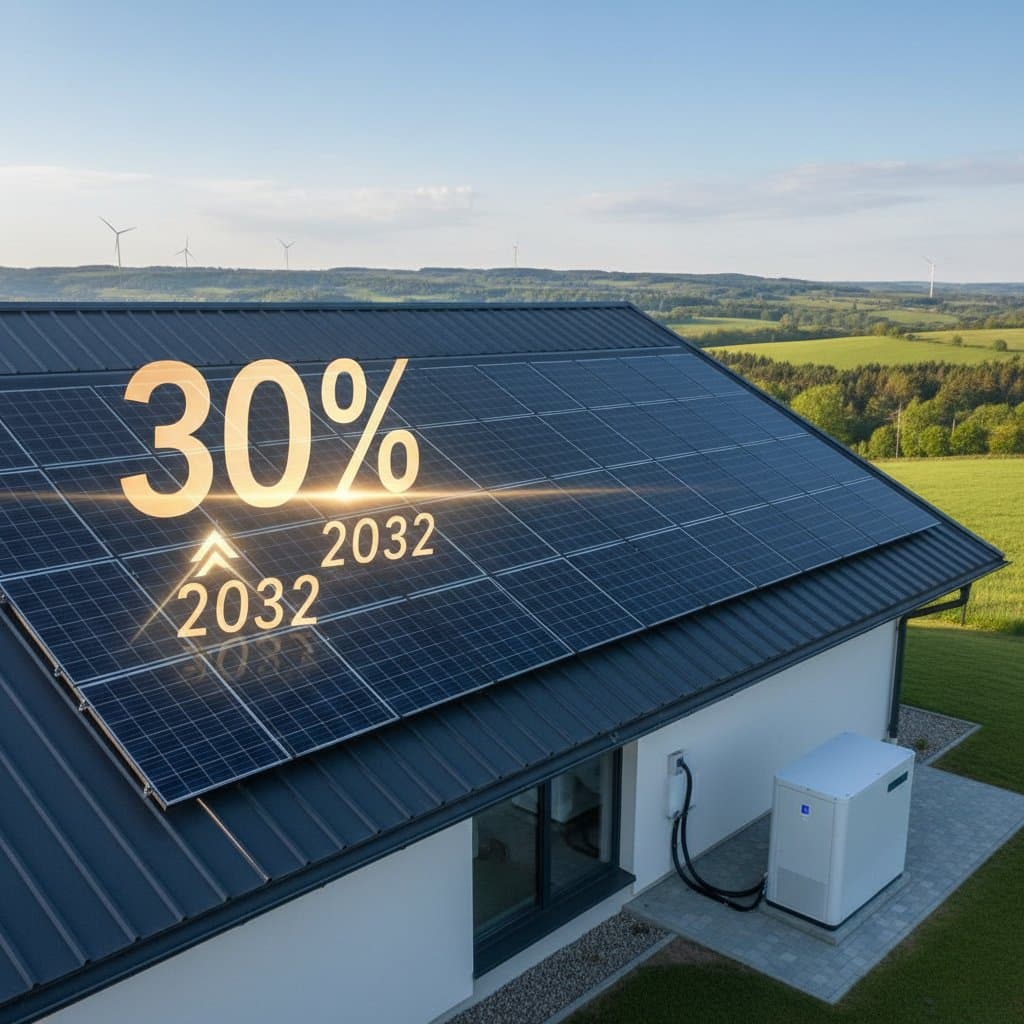
The federal 30% solar investment tax credit, extended through 2032, reduces upfront costs for homeowners and businesses. It covers equipment, labor, and storage while pairing with local incentives for maximum savings.
The IRS now requires solar systems to reach full operational status before homeowners or businesses can claim the federal tax credit. This update tightens project timelines, increases documentation needs, and rewards early planning to capture maximum savings.
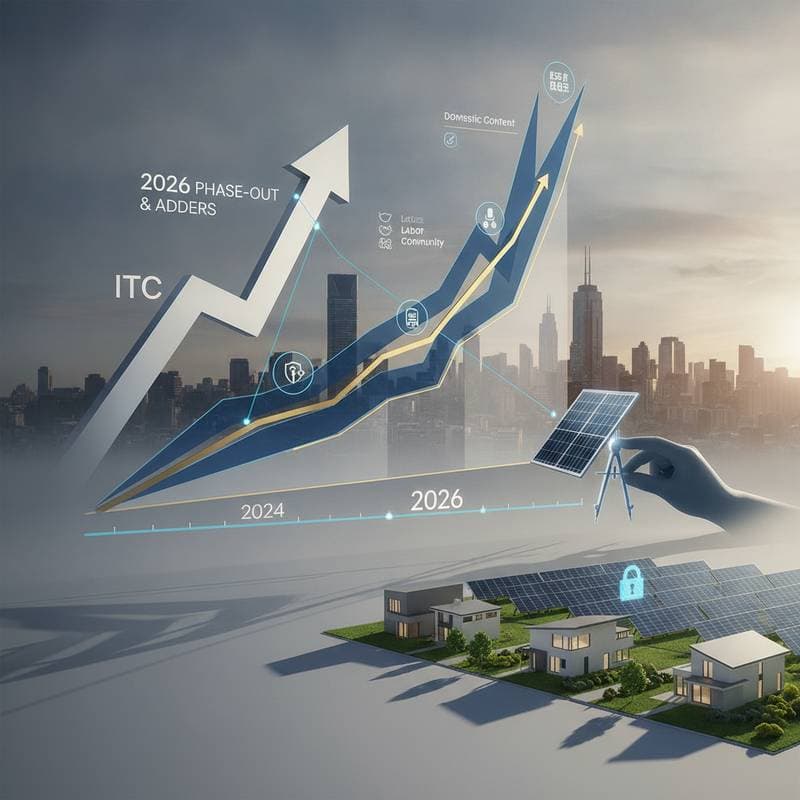
The Inflation Reduction Act allows stacking of the 30 percent Investment Tax Credit with domestic content, energy community, and low income adders plus state incentives. Homeowners and businesses can cut solar costs by half or greater through coordinated planning.
Strategic stacking of Inflation Reduction Act credits enables homeowners and businesses to slash costs by 50% or more on solar, storage, and efficiency projects. This approach enhances returns, promotes sustainability, and simplifies access to comprehensive clean energy solutions through integrated incentives.
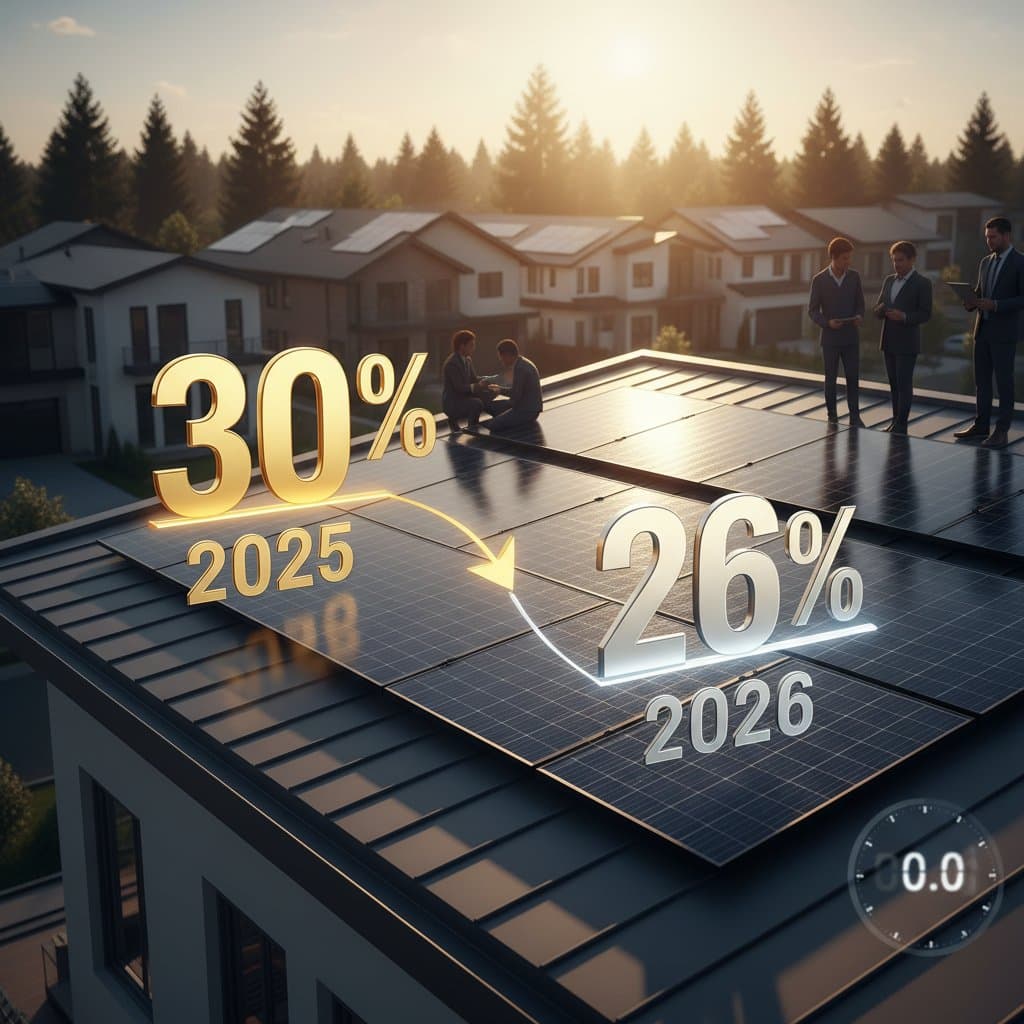
The federal solar investment tax credit steps down from 30% to 26% by 2033, urging homeowners, installers, and developers to prioritize projects soon. Secure higher incentives, explore bonus credits from the Inflation Reduction Act, and optimize financing to capture maximum value before rates decline.
The 30% solar Investment Tax Credit from the Inflation Reduction Act fuels U.S. solar expansion, but its phase-down looms. Secure the full incentive by starting construction soon, affecting homeowners, businesses, and renewable planning.
Set to launch in 2026, No Credit PACE Loans eliminate credit barriers in solar financing by basing eligibility on property value and tax history. This approach promises to include millions more in clean energy benefits, ease installer processes, and promote fair access in underserved areas across the United States.
The federal solar investment tax credit phases out after 2032, altering project economics and financing in the U.S. solar sector. Developers, manufacturers, and installers must act now to capture existing benefits, innovate for efficiency, and navigate a future reliant on cost reductions, local production, and policy evolution.
From 2026, IRS rules allow solar developers to sell federal Investment Tax Credits, fostering a clean energy finance market. This innovation may release billions in funding, cut costs by up to 30 percent, and empower smaller entities, revolutionizing U.S. solar funding, construction, and expansion.
The federal solar Investment Tax Credit faces a 4% reduction in 2026 as part of the Inflation Reduction Act's phase-down. This adjustment influences residential and commercial solar projects, prompting accelerated installations to lock in current incentives before changes alter financing and economics.
IRA updates effective 2026 lift solar rebates to 42 percent, emphasizing domestic production and energy communities. These incentives shorten paybacks, fortify supply chains, and spur investments in residential and large-scale solar, with simplified processes for broader access.
With the federal solar tax credit set to decrease to 26% in 2033, homeowners and businesses must prioritize timing to secure higher incentives. Learn eligibility essentials, construction rules, and planning tips to optimize financial returns amid policy changes.
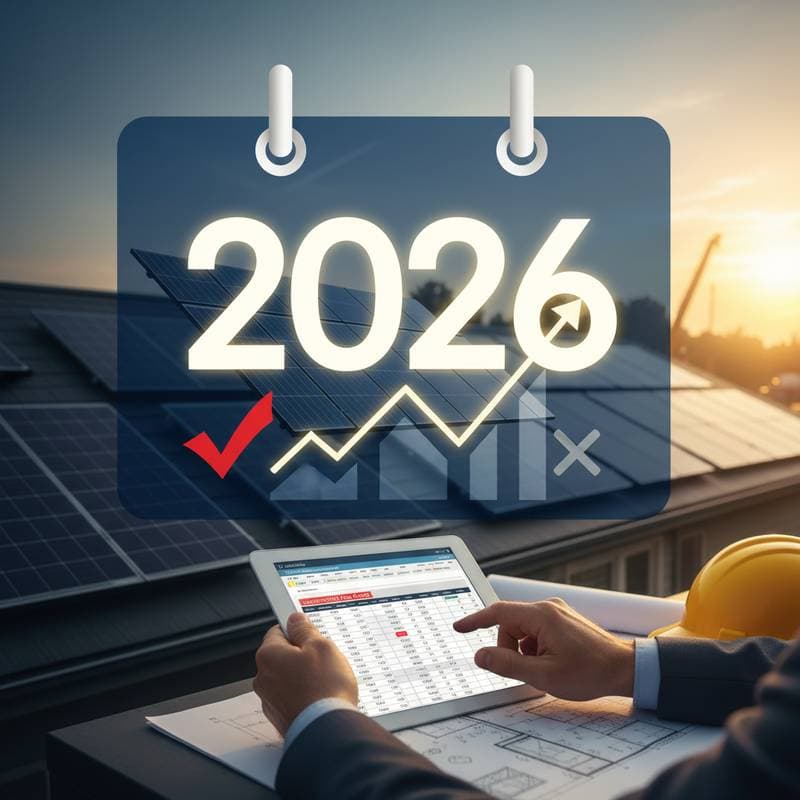
The IRS solar tax credit approaches a critical phase-out in 2026. Homeowners and developers who initiate projects now secure higher incentives, sidestep installation delays, and capture substantial savings. Early planning aligns with IRS construction-start requirements, stabilizes costs, and positions projects for optimal financial outcomes before reductions apply.
Beginning in 2026, the IRS will render the federal solar tax credit refundable, permitting eligible entities to receive direct cash payments for unused credits. This pivotal update aims to hasten solar project adoption, ease financing challenges, and support nonprofits and municipalities, alongside stricter compliance for domestic content and labor standards.
A key provision in the Inflation Reduction Act enables homeowners to combine federal tax credits with state and utility rebates, potentially halving solar installation costs. This legal stacking shortens payback periods and drives broader solar access, prompting experts to advise quick action amid possible policy shifts.
To claim the 2026 solar investment tax credit, projects must operate fully by June under IRS 'placed in service' rules. Delays in interconnection, supplies, or permits threaten millions in incentives. Strategic scheduling, early utility coordination, and meticulous records ensure compliance and maximize returns.
Homeowners can achieve up to $20,000 in savings on solar projects by combining three Inflation Reduction Act incentives: the Residential Clean Energy Credit, Energy Efficient Home Improvement Rebate, and High-Efficiency Electric Home Rebate. This approach reduces costs, supports home electrification, and amplifies renewable energy advantages.
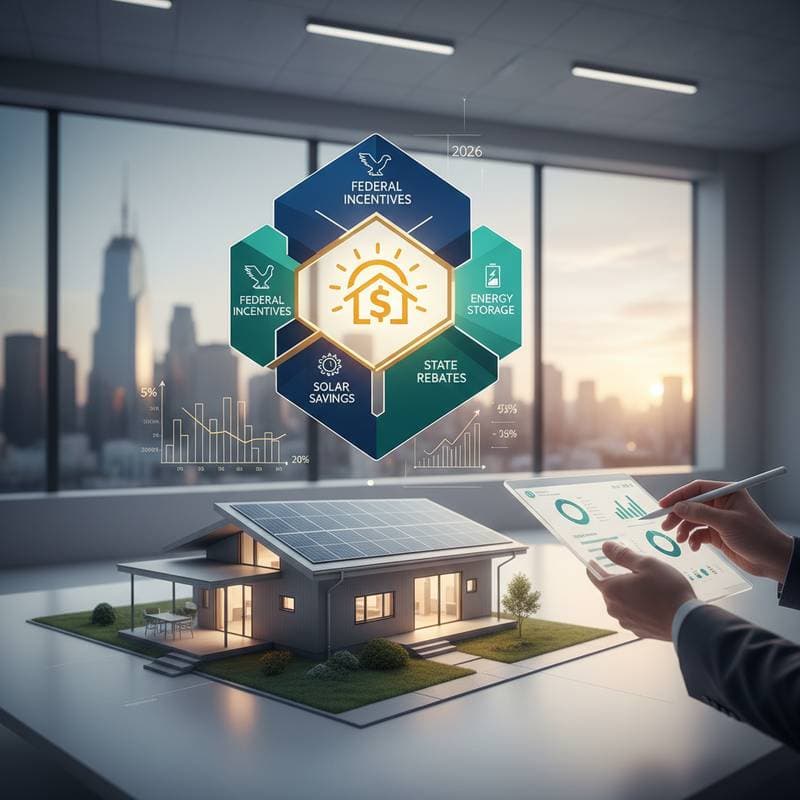
Combining federal and state solar incentives offers substantial cost reductions and faster returns on investment. This comprehensive guide details how to layer tax credits, rebates, and exemptions under current regulations, including Inflation Reduction Act enhancements, to optimize savings while maintaining full compliance for clean energy adopters.
Tax stacking revolutionizes solar economics by layering federal, state, and local incentives to secure up to 56% savings by 2026. Developers and installers optimize these benefits to minimize costs, improve profitability, and broaden solar adoption through precise incentive planning.