
Which Utilities Charge Most for Peak Power Use?
U.S. utilities vary widely in peak power pricing, with West Coast providers leading at over 70 percent surcharges during high-demand periods.
By Sheldon Stevens
5 min read
Loading...

Articles tagged with utility
U.S. utilities vary widely in peak power pricing, with West Coast providers leading at over 70 percent surcharges during high-demand periods.

As U.S. states phase out traditional net metering policies, the solar industry confronts major shifts in energy compensation, project financing, and customer adoption rates. California's move to net billing exemplifies broader trends, while Midwest fixed charges and Southeast time-of-use reforms signal a new era for distributed solar economics. Installers and investors must navigate these changes to capitalize on emerging opportunities in storage and dynamic pricing.

Rising U.S. solar tariffs over 30% are transforming project economics, compressing installer margins, and prompting a rush toward domestic components. This analysis covers mounting system pressures, policy interactions, and essential steps for maintaining transparency and competitiveness in the evolving solar market.
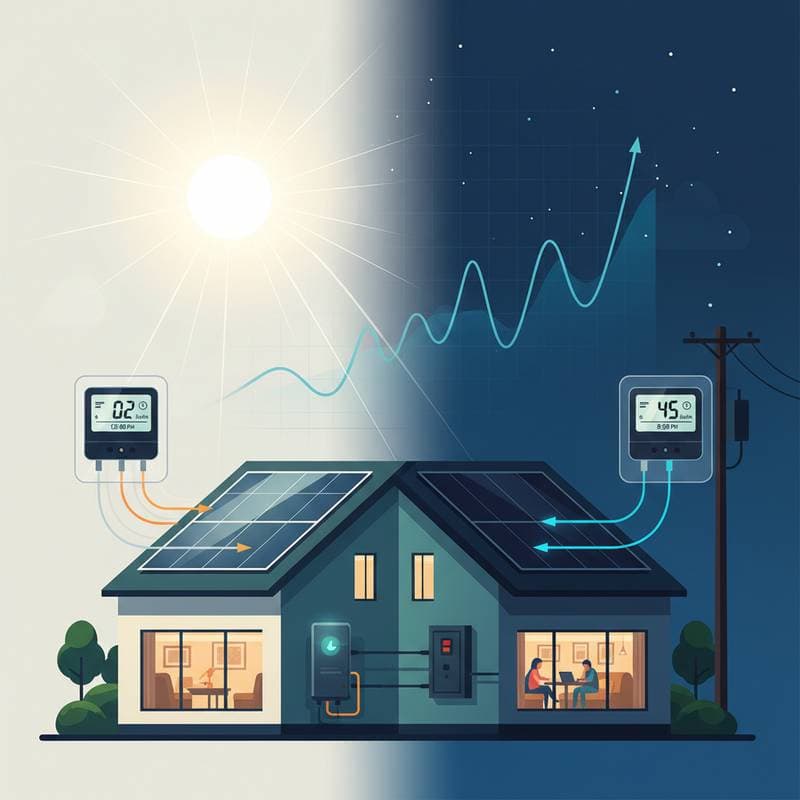
Time-of-use rates alter solar economics by valuing midday power less and evening usage more, diminishing export credits. Homeowners can counter this through targeted energy shifts, battery integration, and system tweaks to sustain strong returns on solar setups.
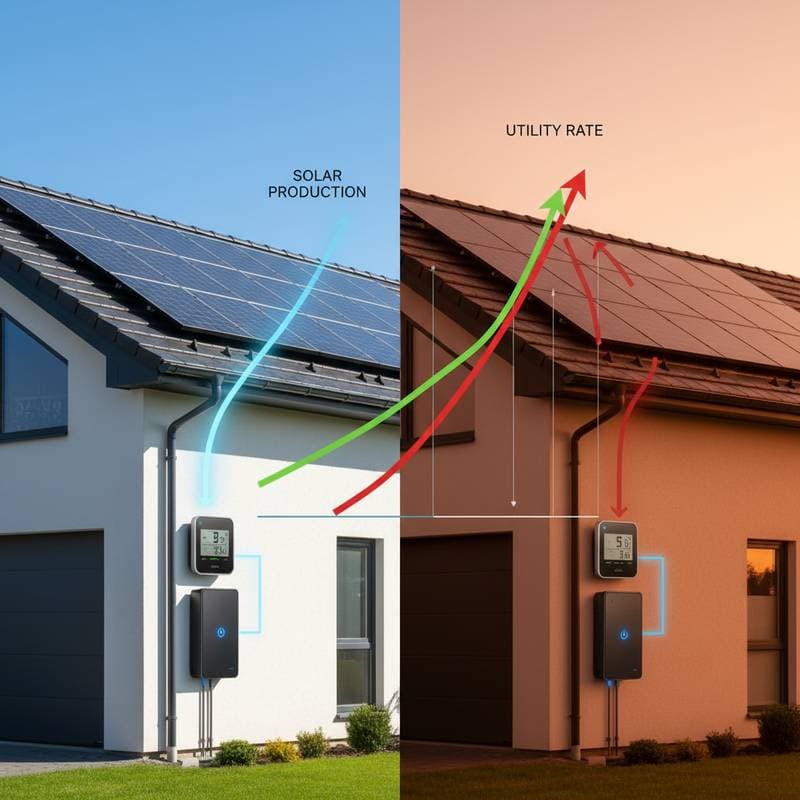
Utilities implement stricter time-of-use (TOU) rates, which increase evening electricity costs and diminish daytime credits for solar users. These adjustments challenge traditional savings models and emphasize the need for advanced energy management and battery integration. Key approaches include mastering TOU dynamics, refining consumption habits, and leveraging storage to sustain solar benefits and profitability.
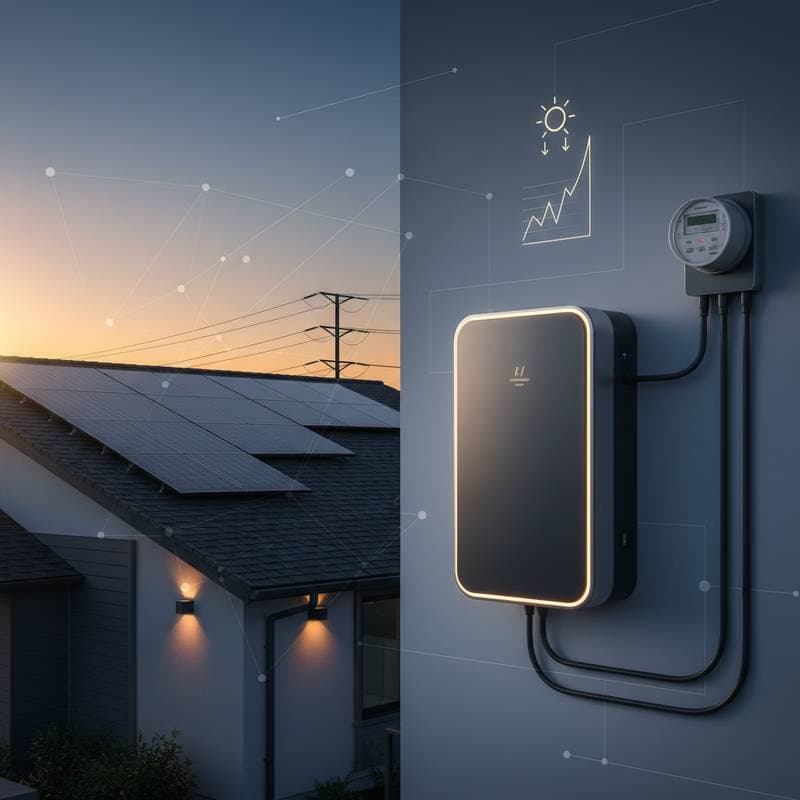
Time-of-use rates are transforming the financial landscape for rooftop solar in the United States. From California's high evening peaks to Arizona's demand charges and the Southeast's intricate tariffs, these evolving structures chip away at solar economics. Home battery systems stand out as a vital strategy, allowing owners to restore value against utility pricing pressures.

Utilities reshape time-of-use rates to diminish rooftop solar advantages, shifting costs to solar owners and safeguarding profits. This tactic, disguised as grid modernization, threatens clean energy adoption. Solar supporters must advocate for policy changes and greater regulatory oversight.
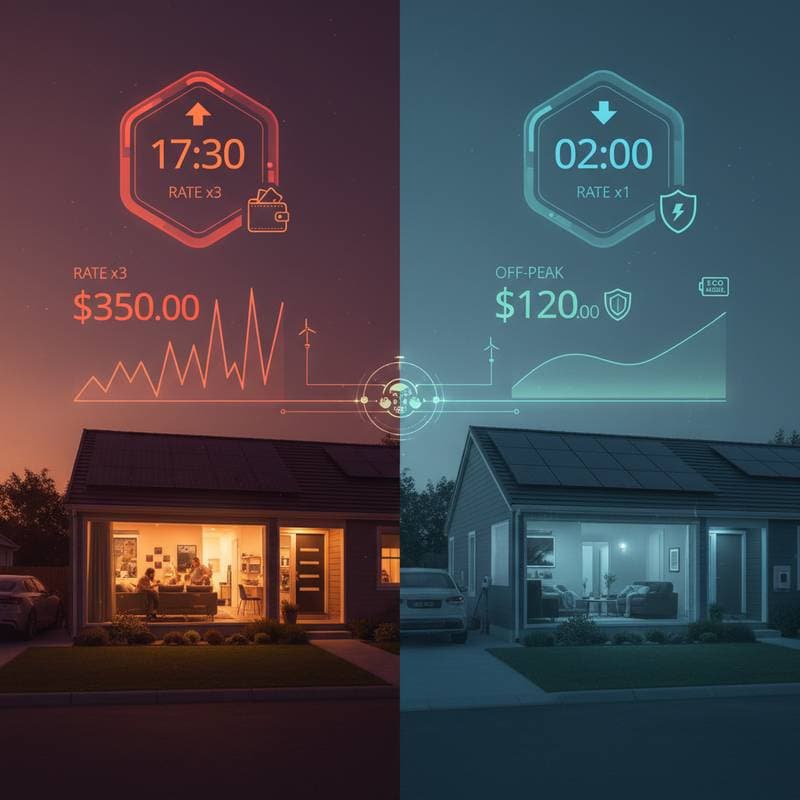
Time-of-use rates are transforming U.S. energy bills, tripling costs for some as utilities charge premiums during peaks to manage renewables. Yet solar, storage, and usage shifts offer ways to adapt, safeguard budgets, and leverage TOU for savings.

Utilities across the United States are revising net metering policies, which reduces credits for excess solar energy from homeowners. These adjustments challenge the financial benefits of rooftop solar installations and alter industry dynamics. Review your current rates promptly, as policy changes accelerate and awareness of export credits helps safeguard investments and preserve savings.
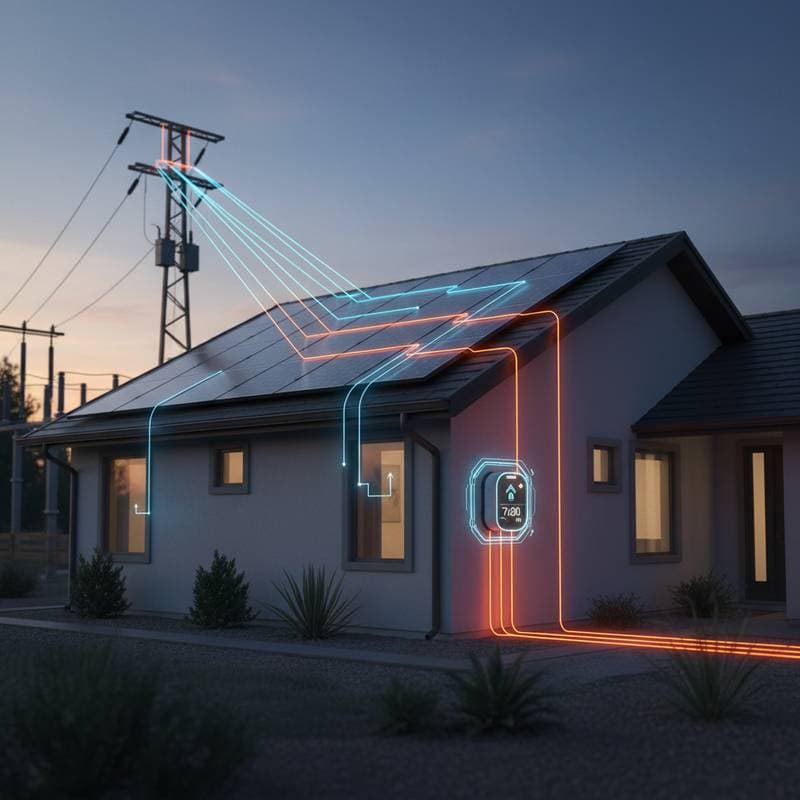
Time-of-use rates are altering the financial benefits of rooftop solar by aligning peak prices with low-production hours. Utilities employ this approach to manage grid demands, yet it often undermines solar economics and hampers widespread adoption.

As time-of-use rates evolve in 2025, a clear divide emerges between utilities that deliver value through transparent TOU designs and those that alienate customers with complexity. Leaders like PG&E, SRP, and Austin Energy foster engagement and solar integration, while SCE, FPL, and Dominion face backlash. Success depends on aligning pricing with grid realities, clear communication, and tools that build trust for efficient, renewable-powered energy systems.

Twelve states have reduced solar credits, altering the financial benefits for rooftop solar owners. These policy shifts extend payback timelines, introduce new fees, and prompt a move toward batteries and self-use. Homeowners now face higher grid reliance costs, but targeted adjustments can preserve energy independence.
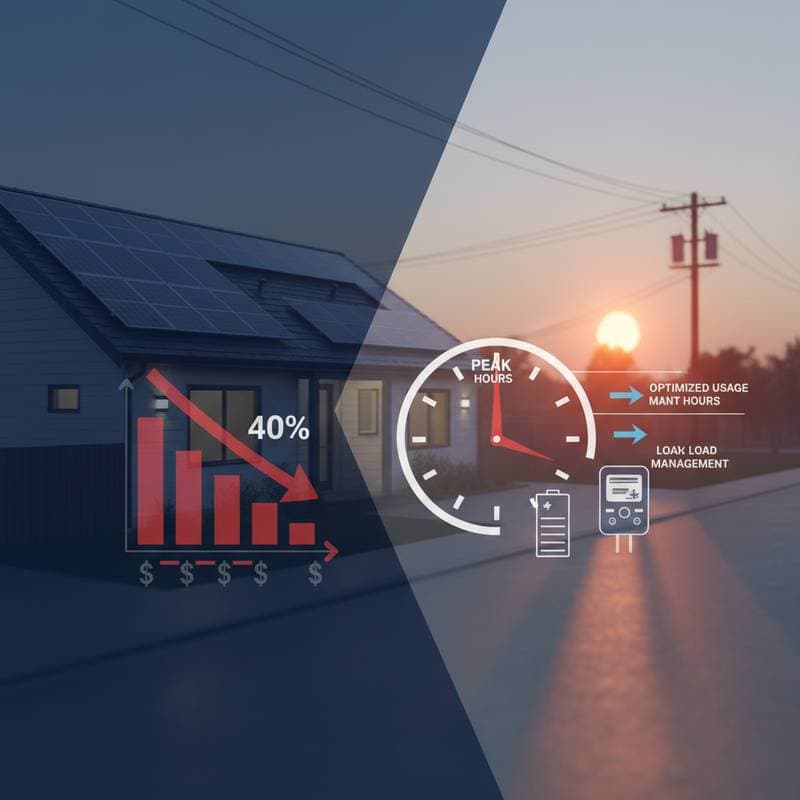
Time-of-use electricity rates are transforming solar economics by reducing savings up to 40 percent as utilities adopt time-based pricing. Peak demand charges clash with solar's midday output, squeezing returns for homeowners and businesses. Essential tactics, including battery storage, west-facing panels, and smart load shifting, help restore value in this shifting landscape.
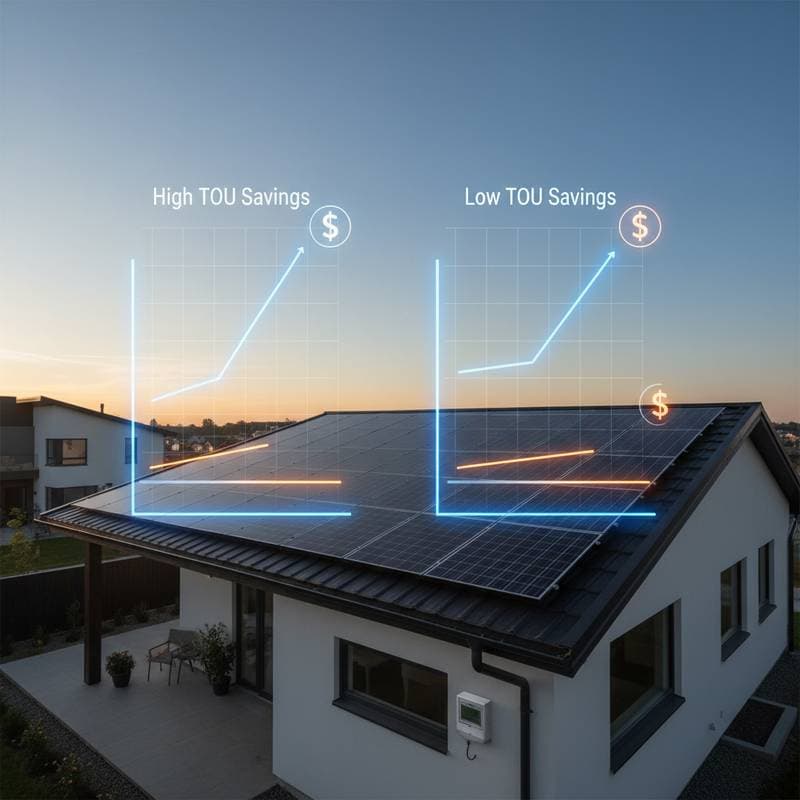
Time-of-use rates significantly influence solar investment returns, with some utility designs enhancing savings and others posing challenges.
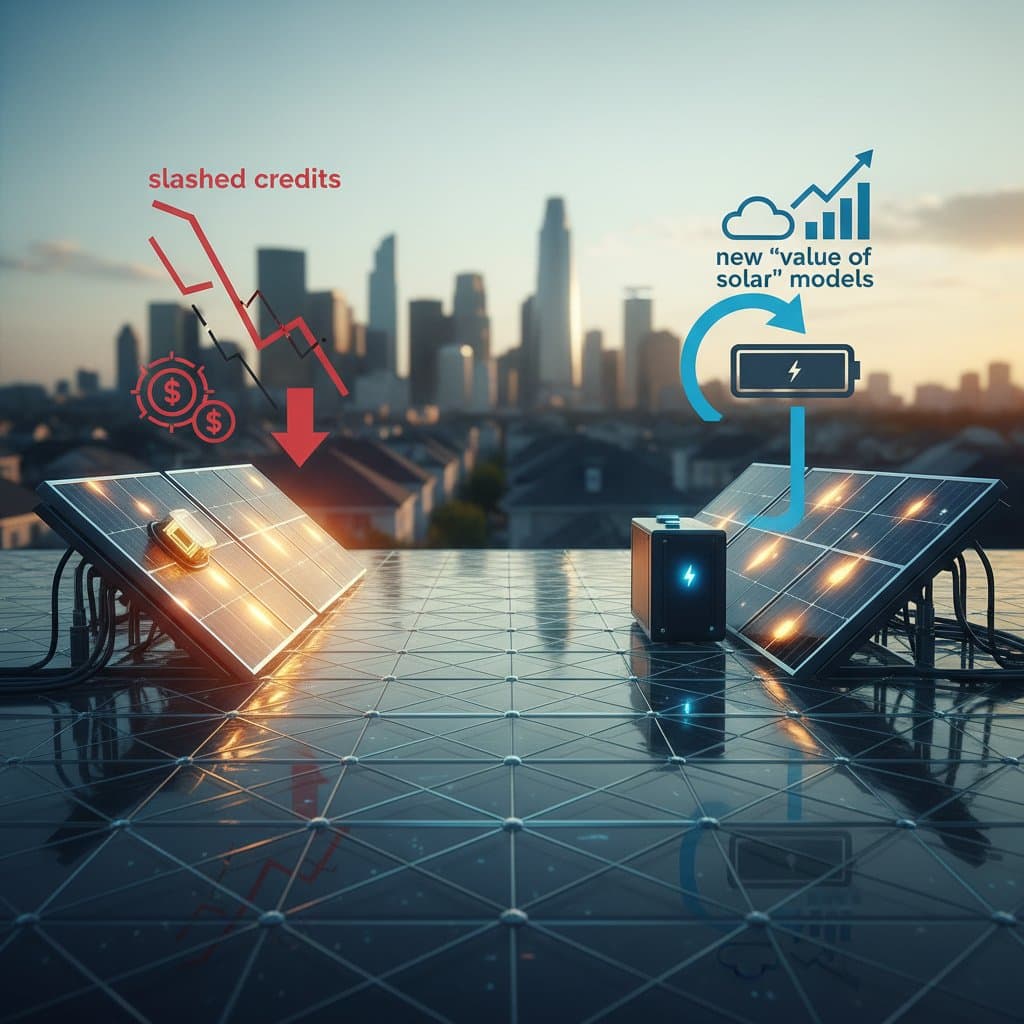
Net metering policies face significant changes as states reduce solar export credits and utilities introduce value-of-solar models. California's reforms have accelerated solar-plus-storage trends across the nation. These evolving regulations signal a transformation in the rooftop solar sector, influencing equity, revenue models, and the distributed energy grid.

Time-of-use electricity pricing transforms energy consumption patterns across the United States. California's high peak rates, Arizona's significant differentials, and Texas's market fluctuations highlight how utilities address demand through pricing. This evolution boosts adoption of solar-plus-storage solutions, enhances energy management practices, and opens pathways for consumers and businesses to mitigate escalating peak costs.
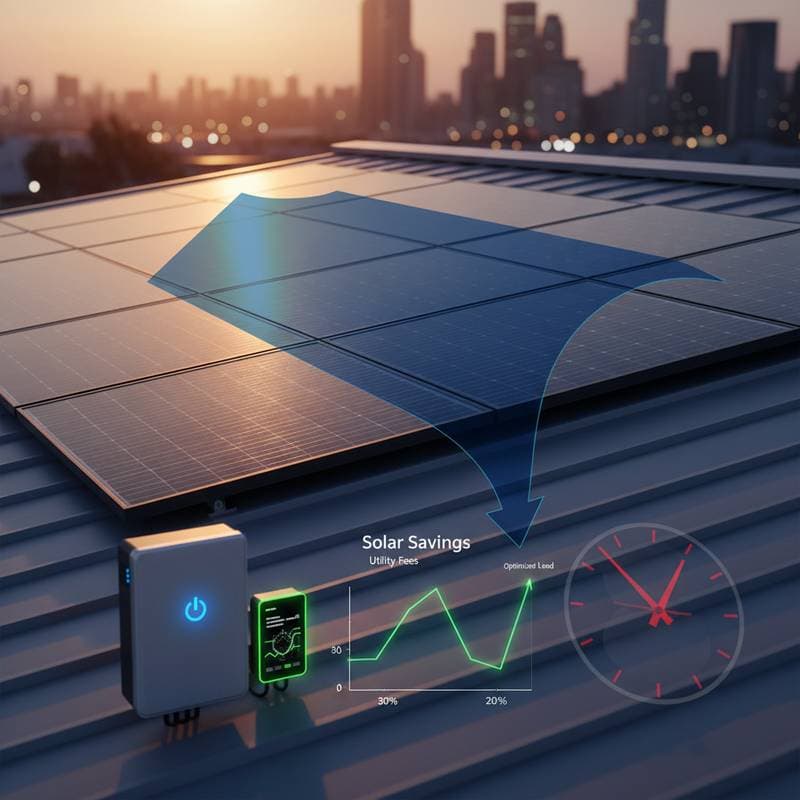
Utilities across the United States adjust time-of-use (TOU) rates to diminish solar energy savings by aligning peak pricing with low solar production periods. This practice raises concerns about clean energy viability, yet solutions such as battery storage and intelligent load management offer effective countermeasures as state policies evolve.

Major U.S. utilities are altering solar economics via time-of-use (TOU) rates, which diminish midday export credits and elevate evening prices. Spanning California to Florida, these changes prolong payback times, drive demand for expensive batteries, and fuel discussions on equity, grid health, and rooftop solar growth.
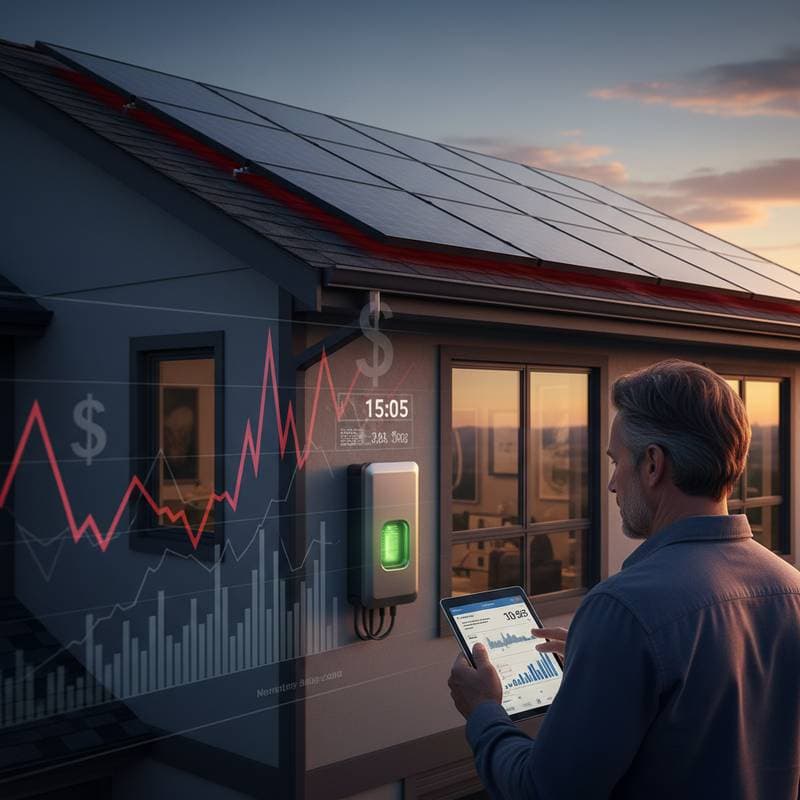
Utilities are implementing time-of-use (TOU) rates that elevate bills for solar homeowners, even as they produce renewable energy. Peak pricing strikes when solar output drops, diminishing expected savings. Advocates demand equitable compensation, and solutions like battery storage and intelligent energy controls offer ways to sustain solar benefits and returns on investment.
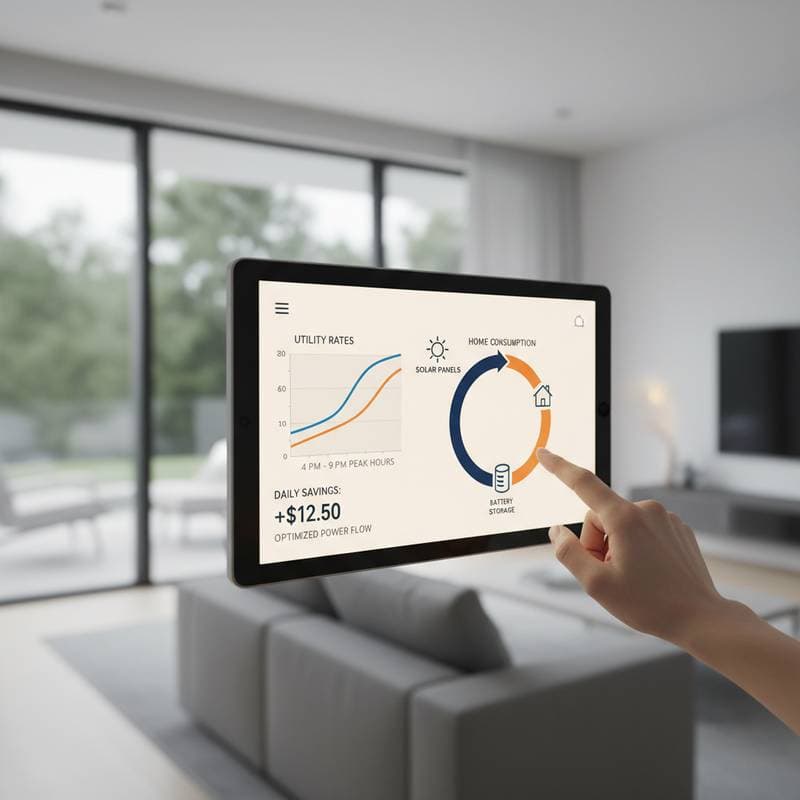
With 2025 time-of-use rates on the rise, solar owners can counter higher costs by integrating battery storage. This setup captures daytime solar power for use during expensive evening peaks, delivering substantial savings, better energy control, and support for grid reliability.