
Utilities Penalize Solar Through Time-of-Use Rate Changes
Solar energy offers a straightforward promise: generate your own electricity, reduce expenses, and support a cleaner power grid. However, numerous U.S. utilities now modify rate structures to disadvantage customers who adopt this approach. Time-of-use (TOU) rates, intended to promote efficiency, serve as tools to lower the worth of rooftop solar output.
Years of analysis on public utility commission documents reveal a clear trend. Utilities describe these adjustments as updates to match grid conditions, yet evidence shows they transfer expenses from non-solar users to solar adopters. This strategy erodes the financial appeal of home solar systems and preserves utility income.
Understanding Time-of-Use Rates
TOU rates operate on a logical principle. Electricity costs increase during periods of high grid demand, typically late afternoon and evening, and decrease during low-demand times. Users who move their energy use to off-peak periods lower their bills and aid grid stability.
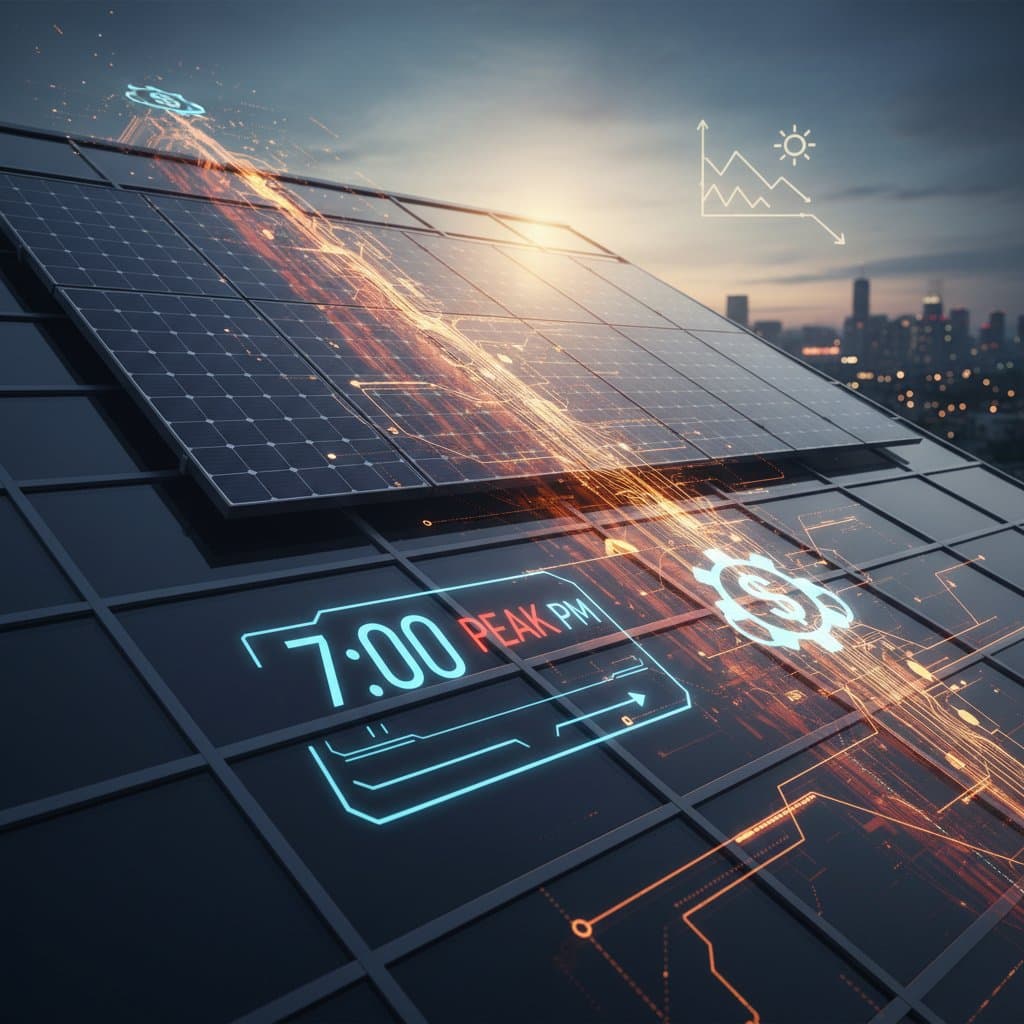
Challenges emerge when utilities alter peak and off-peak periods to reduce solar value. Several companies now set peak times for late afternoon or early evening, precisely when solar production declines. Solar owners produce power during daylight but earn reduced credits, then face elevated rates after sunset when they rely on the grid.
This adjustment imposes a quiet penalty. A kilowatt-hour that once balanced evening usage now covers only a portion of it. Households without batteries experience a significant decline in solar returns.
Evidence of the Solar Penalty
Analysis of California investor-owned utilities highlights this change. Previous TOU plans allowed solar users to offset over 60 percent of evening needs with afternoon credits. Current plans reduce that to under 40 percent, resulting in increased bills and extended investment recovery times.
Similar patterns appear in Arizona and Nevada, where TOU rates combine with demand charges. These fees charge based on the maximum brief surge in home power draw per billing period. Solar output rarely reduces these surges, which happen when people arrive home and activate lights, devices, and cooling systems.
Utilities assert that such rates reflect actual service costs during peak demand. Regulatory submissions, however, indicate another goal: recover fixed expenses and offset income loss from distributed energy. Simply stated, these changes protect utility finances.
The Conflict Over Distributed Energy
Rate proceedings involve a deeper debate. Utilities maintain that solar users depend on the grid for support and should contribute more to its upkeep. Proponents of solar argue that local generation cuts the need for expensive upgrades and enhances community reliability. Each side presents valid points, but utilities hold the advantage in shaping rates, forcing customers to contest decisions individually.
An examination of a Midwestern utility proposal uncovered biased cost calculations. The company based its service cost models on data that ignored behind-the-meter solar contributions. This approach inflates grid expenses, which then justify rate hikes, and regulators seldom question it.
Batteries as a Countermeasure
Adding energy storage provides a viable response. Solar paired with batteries stores daytime surplus for peak-time use, avoiding high TOU costs. Pioneering users demonstrate how timed battery release smooths grid interactions and limits exposure to premium rates.
Storage systems carry high upfront costs, however, and suit only those prepared for further spending. Low-income households, who stand to gain most from reliable energy costs, often cannot afford extras. Utilities include minor battery rebates in proposals to appear supportive, yet core rates continue to weaken standalone solar viability.
Gaps in Regulation and Communication
Commissions aim to approve fair rates, but TOU complexity allows utilities leeway. Proceedings depend on utility data that outsiders struggle to validate. Advocates for consumers frequently lack funds for rival studies, permitting utility claims to go undisputed.
Public communications worsen the issue. Utilities present TOU as progress benefiting all, highlighting smart grid tools and options while hiding solar impacts in fine print. When bills rise, companies blame habits and recommend adjustments, overlooking the inherent rate biases.
Pathways Forward for the Sector
Unchecked trends will pressure the home solar industry. Installations planned under past rates may underperform, causing user frustration and challenges for providers. Lenders must revise models to account for shifting rate landscapes.
Certain states test equitable alternatives. Initiatives blending TOU with solar value payments or real-time pricing hold potential. These approaches recognize distributed energy as an asset, rewarding owners for grid support. Progress requires regulators to escape utility-led paradigms.
Steps to Influence Change
Solar enthusiasts, providers, and users should participate actively in rate processes. Attend public comments, hearings, and workshops, which often see few solar perspectives. Utilities view low turnout as agreement. Collective input, supported by data and stories, can alter discussions.
The industry has shown technical strength. Regulatory advocacy now demands equal focus. Contests over TOU rates determine control of distributed energy economics.