#rates

Articles tagged with rates

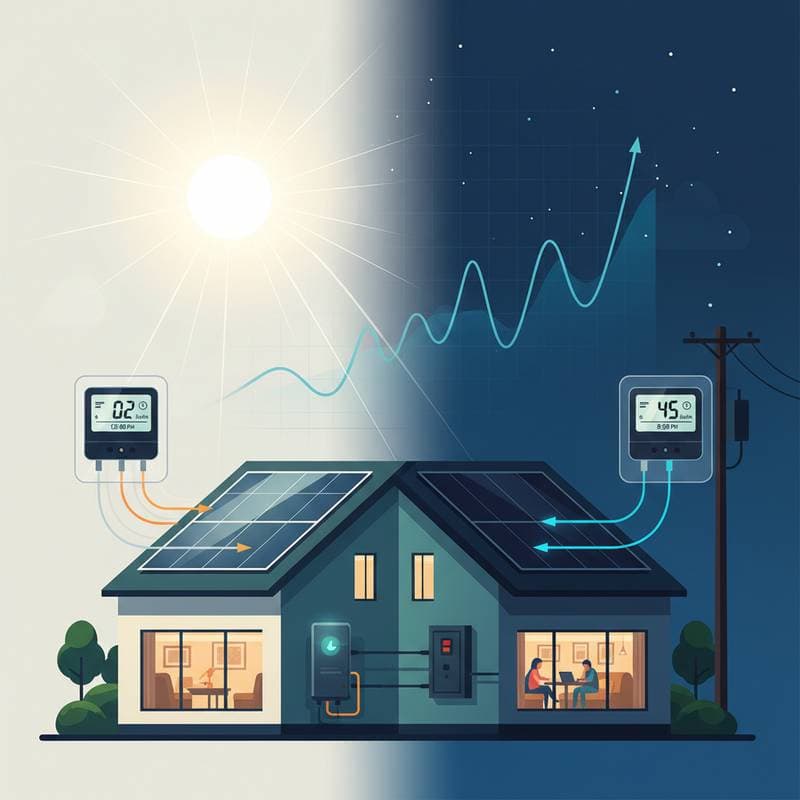
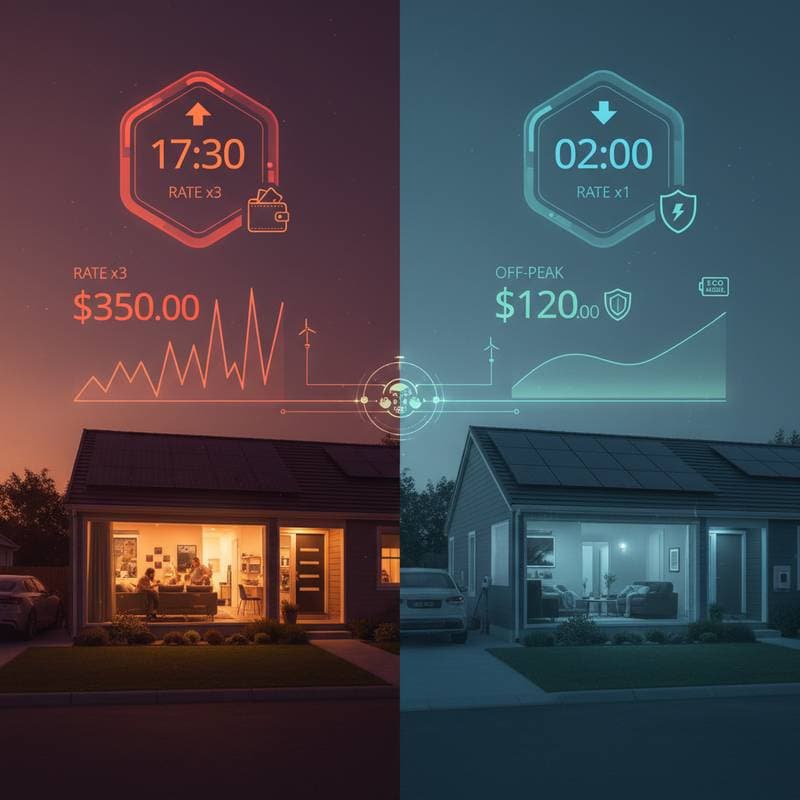
Featured image for Why TOU Rates Tripled Your Bill Overnight

Why TOU Rates Tripled Your Bill Overnight

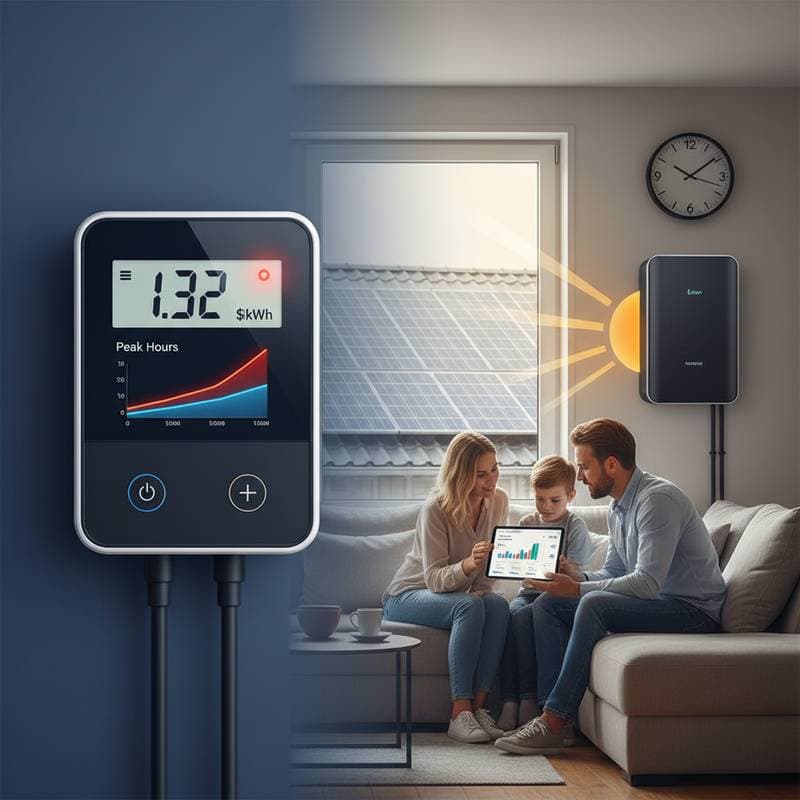
Utilities' switch to time-of-use pricing has tripled electricity bills for many, even without increased usage, by charging premium rates during peak hours. Learn how TOU works, identify costly patterns in your habits, and apply targeted shifts or solar storage to reclaim control and achieve lasting reductions.

6 min read
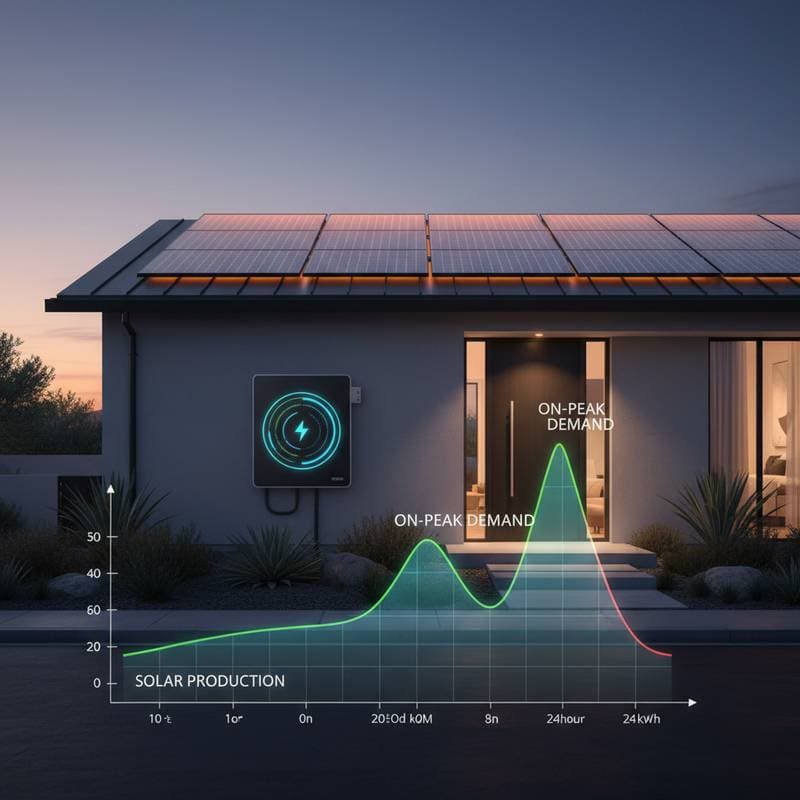
Featured image for Time-of-Use Billing Cuts Solar Returns by 40%

Time-of-Use Billing Cuts Solar Returns by 40%

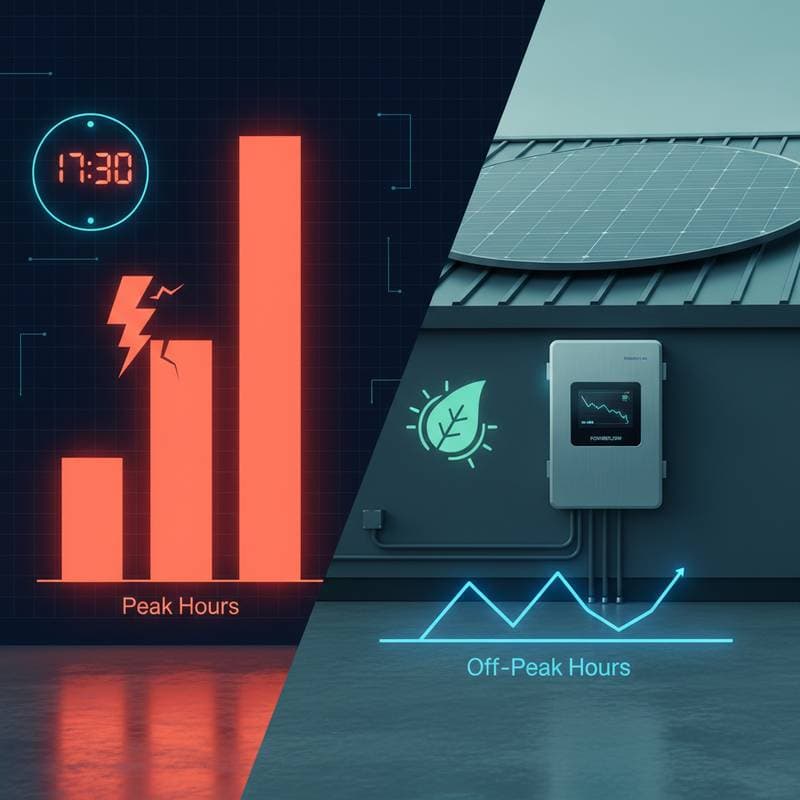
Time-of-use electricity rates are transforming solar economics by reducing savings up to 40 percent as utilities adopt time-based pricing. Peak demand charges clash with solar's midday output, squeezing returns for homeowners and businesses. Essential tactics, including battery storage, west-facing panels, and smart load shifting, help restore value in this shifting landscape.

4 min read
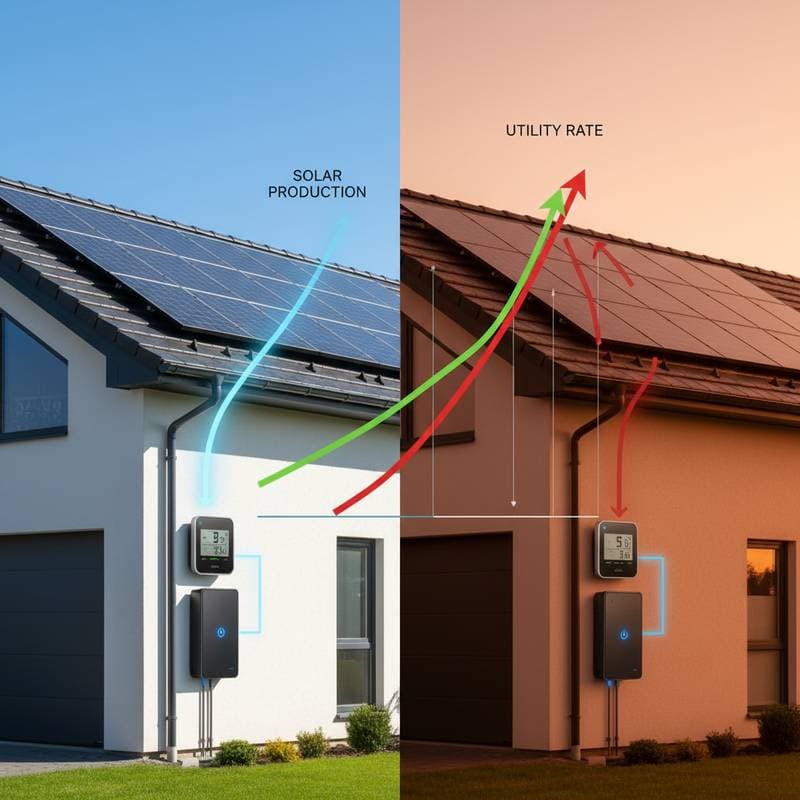
Featured image for Run Appliances Off-Peak and Cut Bills by 15 Percent

Run Appliances Off-Peak and Cut Bills by 15 Percent

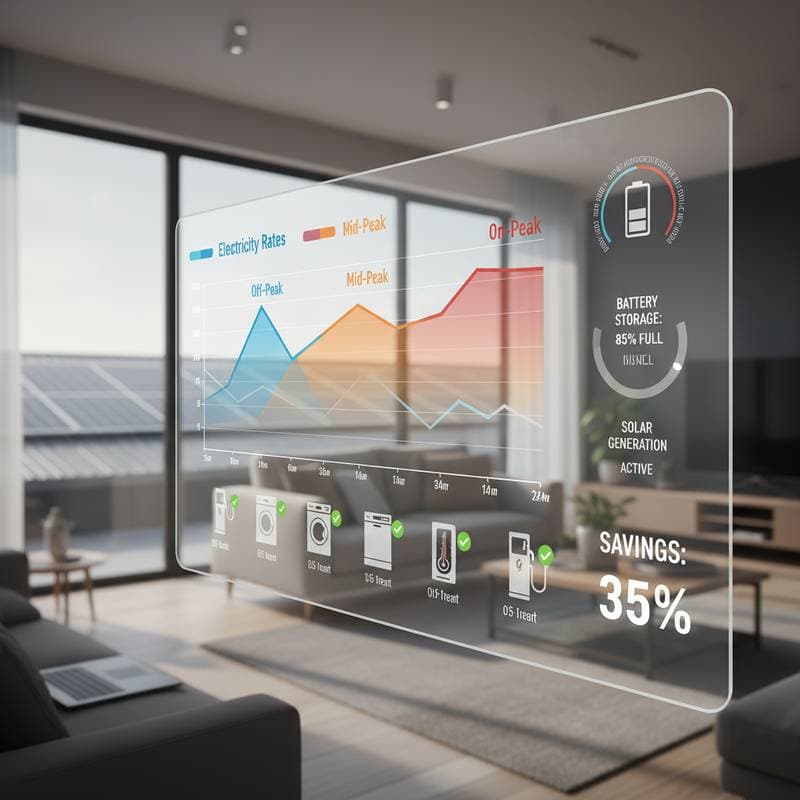
Electricity prices fluctuate throughout the day under time-of-use rates, which incentivize shifting energy-intensive tasks to off-peak periods. This approach applies to laundry, EV charging, smart thermostats, and solar storage systems, yielding lower costs, reduced grid pressure, and enhanced sustainability in energy consumption.

4 min read
Featured image for California Utilities Lead Peak Rates Above 45¢/kWh

California Utilities Lead Peak Rates Above 45¢/kWh

Time-of-use electricity pricing transforms energy consumption patterns across the United States. California's high peak rates, Arizona's significant differentials, and Texas's market fluctuations highlight how utilities address demand through pricing. This evolution boosts adoption of solar-plus-storage solutions, enhances energy management practices, and opens pathways for consumers and businesses to mitigate escalating peak costs.

7 min read
Featured image for Why Time-of-Use Rates Cut Solar Savings by 30%

Why Time-of-Use Rates Cut Solar Savings by 30%

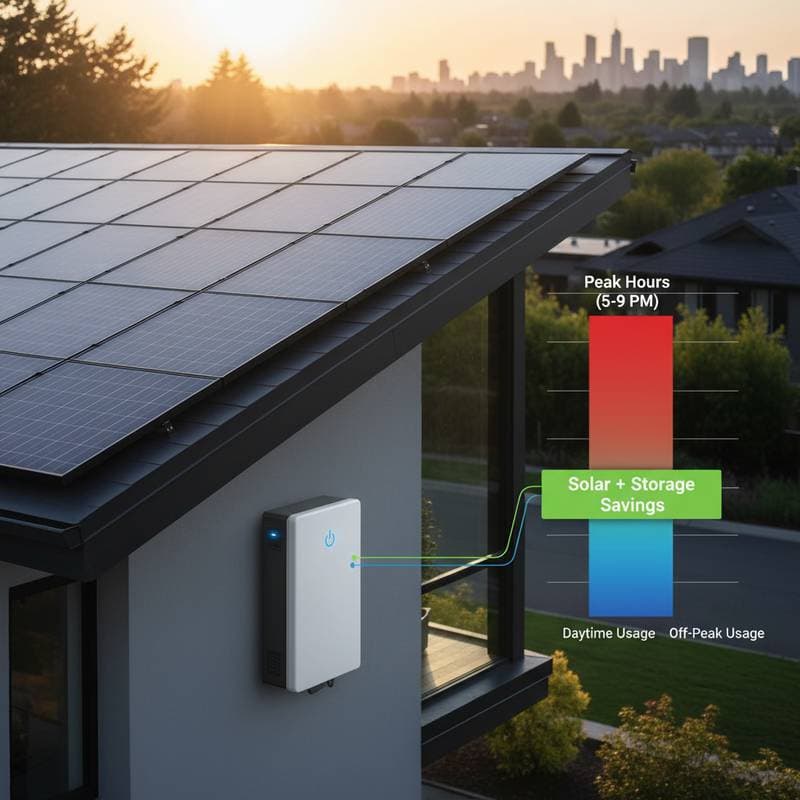
Time-of-use electricity rates diminish solar homeowners' savings by up to 30 percent. Midday solar production earns lower credits while evening consumption incurs higher costs, disrupting expected returns. Homeowners can counter this through energy storage, targeted usage adjustments, and vigilance on rate policies to restore value and leverage dynamic tariffs for enhanced solar benefits.

4 min read
Featured image for HELOCs Beat Solar Loans on Rates and Flexibility

HELOCs Beat Solar Loans on Rates and Flexibility

In today's rising rate environment, HELOCs emerge as the superior choice for solar financing. They deliver lower interest costs, adaptable draw options, and possible tax deductions, enabling homeowners with strong credit to save significantly and prepare for future enhancements.

4 min read
Featured image for States Where Time-of-Use Rates Punish Customers Most

States Where Time-of-Use Rates Punish Customers Most

Time-of-use electricity rates are transforming energy consumption patterns in the U.S., with states such as California, Arizona, and Nevada enforcing severe peak-hour surcharges. Utilities promote these plans for grid stability, yet many consumers face adaptation challenges. Solar panels and battery systems offer key protections, underscoring the push for fairer pricing frameworks.

5 min read
Featured image for Top 5 Utilities Slashing Solar Credits with TOU Rates

Top 5 Utilities Slashing Solar Credits with TOU Rates

Major U.S. utilities are altering solar economics via time-of-use (TOU) rates, which diminish midday export credits and elevate evening prices. Spanning California to Florida, these changes prolong payback times, drive demand for expensive batteries, and fuel discussions on equity, grid health, and rooftop solar growth.

6 min read
Featured image for Solar Savings Double With Smart Time-of-Use Rates

Solar Savings Double With Smart Time-of-Use Rates

Time-of-use pricing transforms solar energy into a powerful savings tool by incentivizing consumption during low-cost periods. Homeowners and businesses can align production, storage, and usage to maximize value, often doubling financial benefits. This approach enhances grid efficiency while delivering practical, cost-effective energy management.

4 min read
Featured image for Time-of-Use Rates Double Solar System Returns

Time-of-Use Rates Double Solar System Returns

Time-of-use electricity rates revolutionize solar investments by doubling savings through strategic alignment of production and pricing peaks. Combined with battery storage, these systems enhance profitability for homeowners, businesses, and installers, positioning solar as a high-return, resilient energy solution.

4 min read
Featured image for TOU Rates Forcing Solar Owners to Pay Peak Prices

TOU Rates Forcing Solar Owners to Pay Peak Prices

Utilities are implementing time-of-use (TOU) rates that elevate bills for solar homeowners, even as they produce renewable energy. Peak pricing strikes when solar output drops, diminishing expected savings. Advocates demand equitable compensation, and solutions like battery storage and intelligent energy controls offer ways to sustain solar benefits and returns on investment.

5 min read
Featured image for Utility Fees Reach $50 Monthly Before Any Power Use

Utility Fees Reach $50 Monthly Before Any Power Use

Fixed utility fees approaching $50 per month, charged before any electricity use, fuel discussions among utilities, regulators, and solar supporters. Proponents emphasize grid upkeep requirements, whereas opponents highlight diminished motivations for conservation and solar installations. These developments may reshape cost-sharing among consumers, utilities, and policymakers in an evolving energy sector.

4 min read
Featured image for Virtual Power Plants Turn Your Battery Into Grid Income

Virtual Power Plants Turn Your Battery Into Grid Income

Virtual power plants aggregate rooftop solar and battery systems to create valuable grid resources. Homeowners earn additional revenue through grid services, surpassing traditional net metering benefits. This approach improves financial returns on solar investments and contributes to a more reliable, sustainable power system.

5 min read