Industry News & Policy

Featured image for IRS Cuts Solar Depreciation to 5 Years for Faster ROI

IRS Cuts Solar Depreciation to 5 Years for Faster ROI

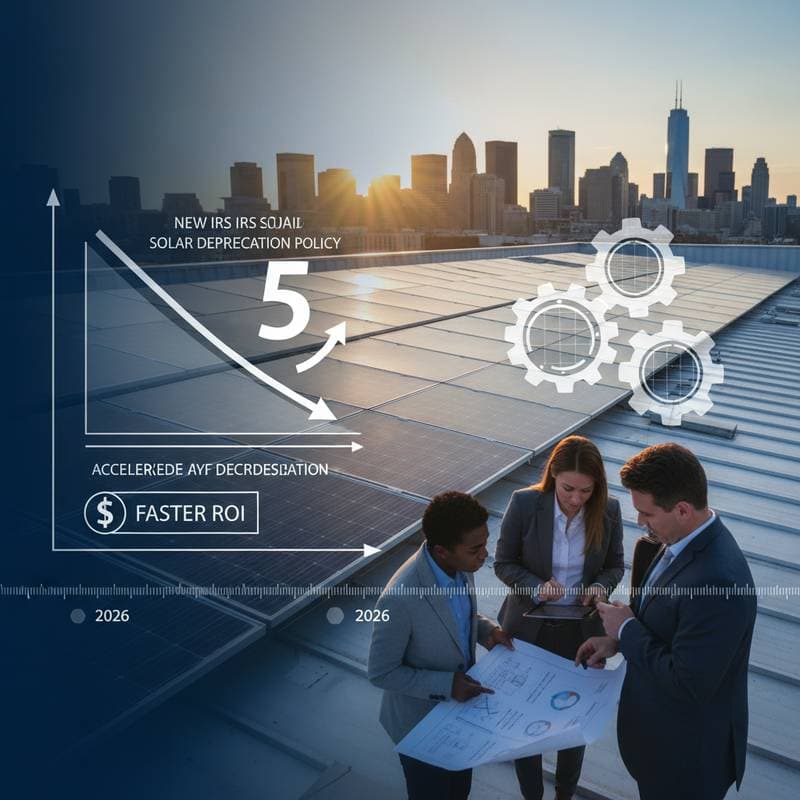
The IRS has reduced the depreciation period for solar energy systems to five years, enabling faster cost recovery and higher project returns. This standardized approach simplifies asset classifications, improves financing options, and could drive growth in domestic manufacturing. Developers, investors, and tax professionals need to adjust strategies promptly to leverage these changes in solar economics and planning.

4 min read
Featured image for Solar Tariffs to Push Panel Prices Up 18% in 2026

Solar Tariffs to Push Panel Prices Up 18% in 2026

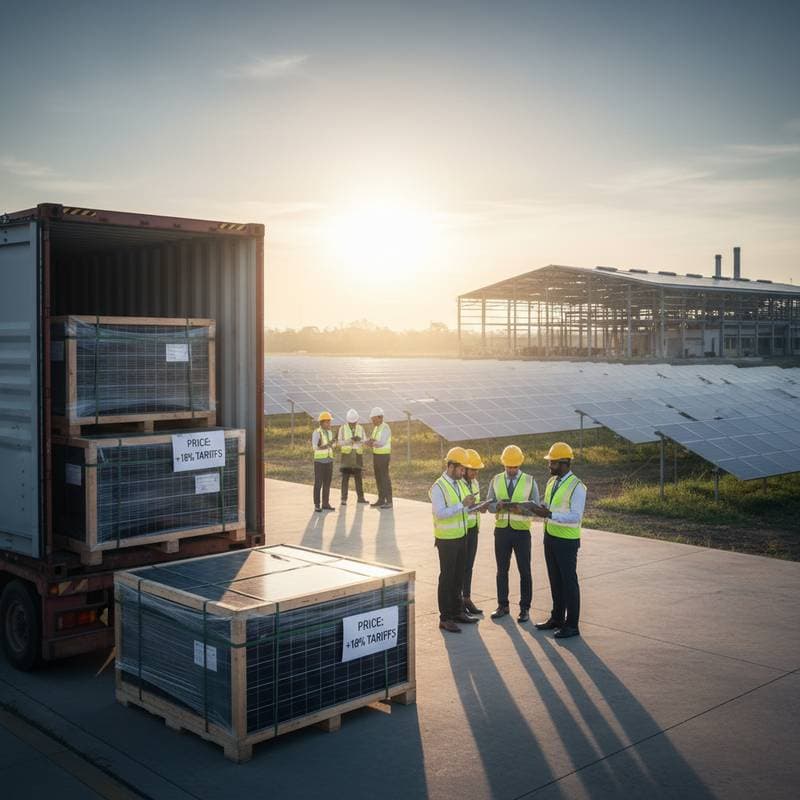
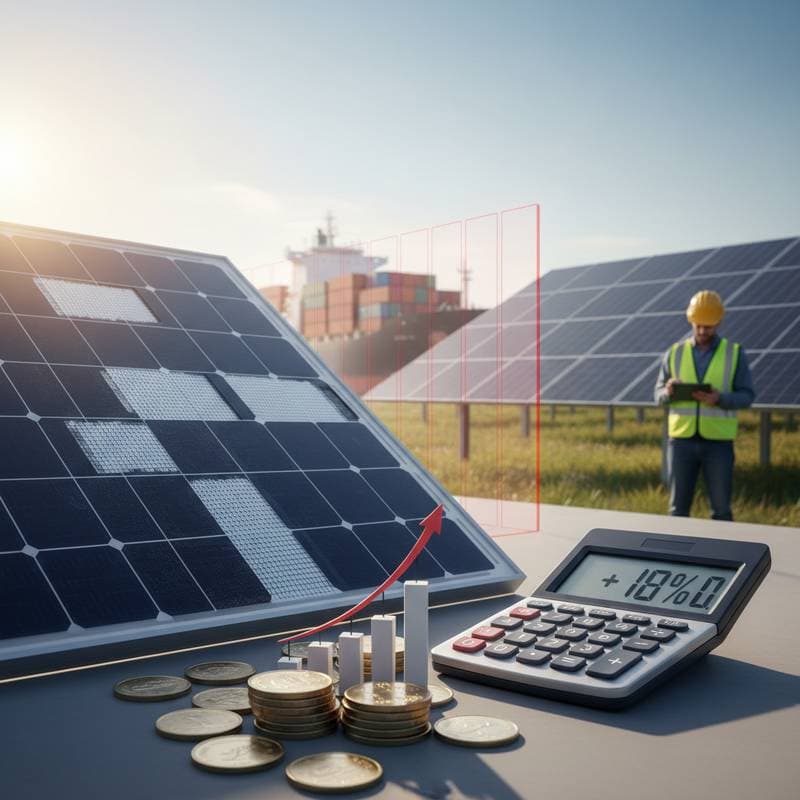
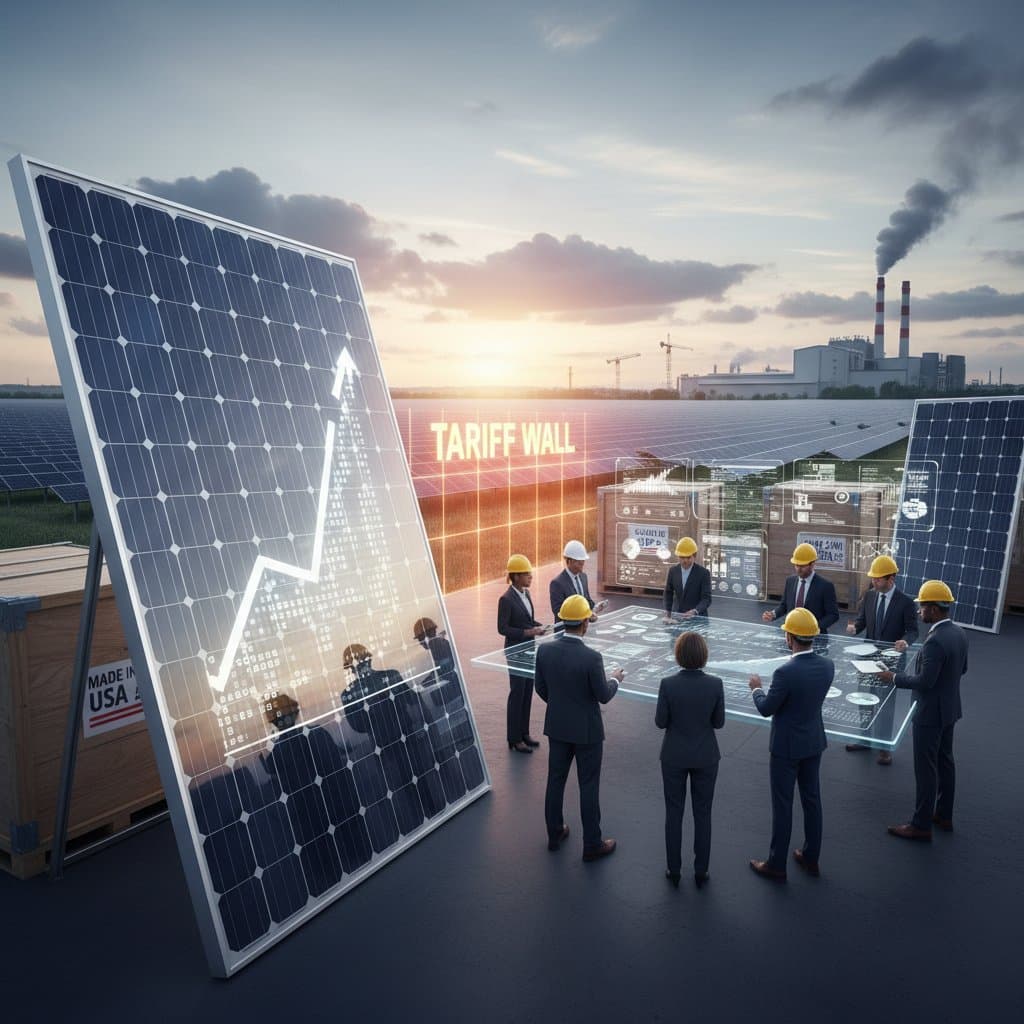
Starting in 2026, new U.S. tariffs are projected to raise solar prices by 18%, reshaping supply chains and project economics. Developers, manufacturers, and investors face both challenges and opportunities as domestic production scales up. The policy could redefine America’s solar landscape—if the industry adapts swiftly enough to rising costs.

9 min read
Featured image for 18% Solar Panel Price Jump Hits 2026 Projects

18% Solar Panel Price Jump Hits 2026 Projects

Effective 2026, an 18% tariff on imported solar panels will elevate U.S. solar project costs, compelling developers to front-load purchases. This policy seeks to bolster domestic production but risks installation slowdowns, financing disruptions, and broader industry adjustments to sustain expansion.

5 min read
Featured image for Solar Tariffs Drive 18% Panel Price Surge in 2026

Solar Tariffs Drive 18% Panel Price Surge in 2026

New tariffs in 2026 are driving an 18% surge in solar panel prices, impacting U.S. developers' budgets, supply choices, and timelines. Utility-scale initiatives face the greatest risks, as local producers hurry to boost output. In this uncertain policy landscape, the sector works to manage escalating expenses, evolving supply networks, and commitments to clean energy expansion.

5 min read
Featured image for How 2026 Solar Tariffs Will Hit Your Panel Costs

How 2026 Solar Tariffs Will Hit Your Panel Costs

Upcoming 2026 solar tariffs will elevate project costs, alter equipment sourcing, and raise installation prices. As U.S. module rates increase and domestic production scales, developers, installers, and homeowners encounter volatility. Grasping price effects and strategic purchasing will prove essential during market shifts.

5 min read
Featured image for Solar Panel Costs Jump 30% as 2026 Tariffs Loom

Solar Panel Costs Jump 30% as 2026 Tariffs Loom

New U.S. tariffs set for 2026 will push solar panel prices up 30%, disrupting supply chains and increasing costs for developers. While companies like First Solar and Qcells expand U.S. production, installers grapple with tighter budgets and delayed timelines. This policy aims to bolster local manufacturing but may hinder overall renewable energy progress.

5 min read
Featured image for Solar Tariffs Will Push Panel Prices Up 18% in 2026

Solar Tariffs Will Push Panel Prices Up 18% in 2026

New U.S. tariffs effective in 2026 will likely increase solar panel prices by 18%, creating challenges for developers and investors. Aimed at supporting domestic manufacturing, these measures may elevate project costs, disrupt supply chains, and hinder renewable energy expansion. The sector must navigate this policy with strategic planning to maintain momentum toward affordable clean energy.

4 min read
Featured image for Solar Tariffs to Push Panel Prices Up 40% by 2026

Solar Tariffs to Push Panel Prices Up 40% by 2026

U.S. solar panel prices face a potential 40% rise by 2026 due to new tariffs on imports. Developers encounter elevated expenses, contract strains, and financing issues, as U.S. production expands. Key tactics like diversified sourcing, tech enhancements, and policy monitoring will support continued solar expansion in a changing trade landscape.

5 min read
Featured image for Solar Tariffs Force 18% Price Jump This Spring

Solar Tariffs Force 18% Price Jump This Spring

New U.S. tariffs on imported solar modules will elevate prices by 18% this spring, altering supply chains and project finances. Developers confront constrained budgets, manufacturers gain advantages, and policymakers balance energy security with elevated expenses in this critical phase for the nation's solar sector and sustainable energy prospects.

4 min read