Industry News & Policy

Featured image for New Solar Tariffs Add 6 Cents Per Watt in 2026

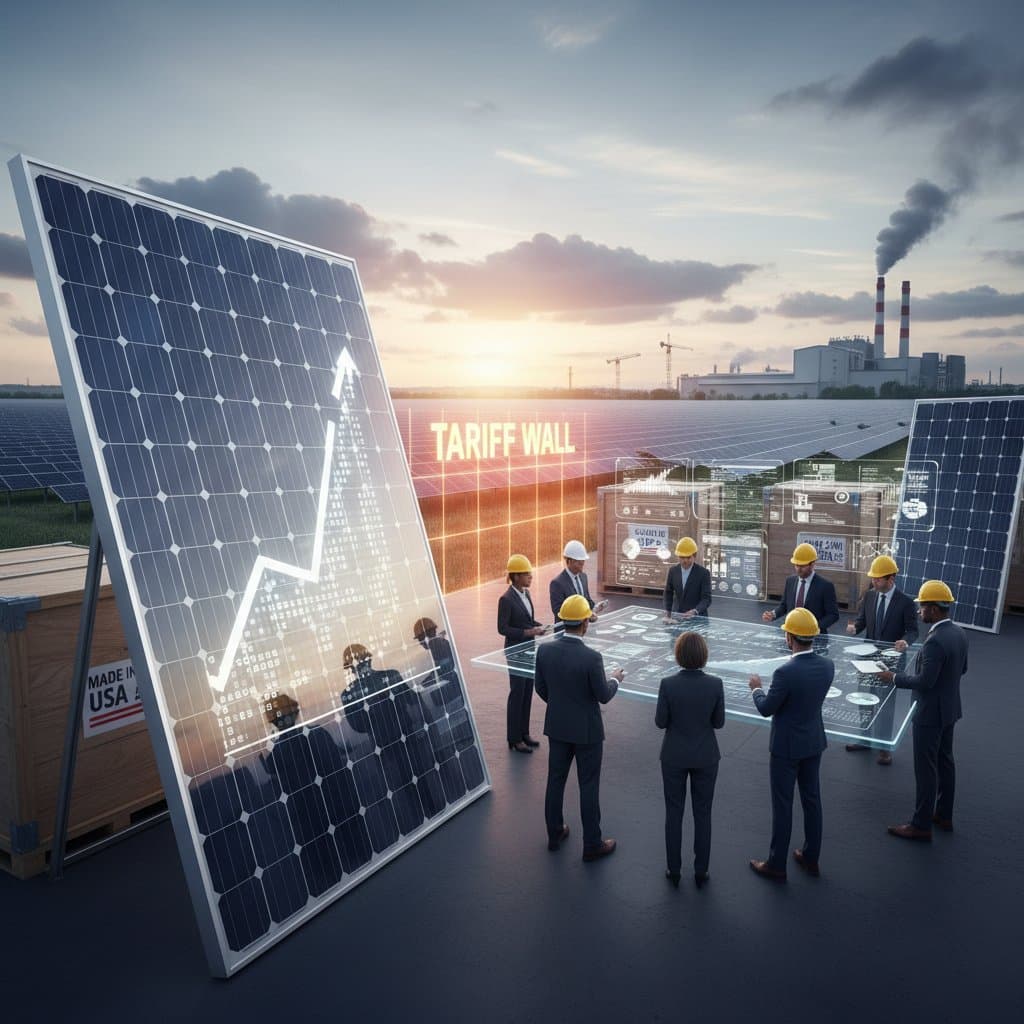
New Solar Tariffs Add 6 Cents Per Watt in 2026

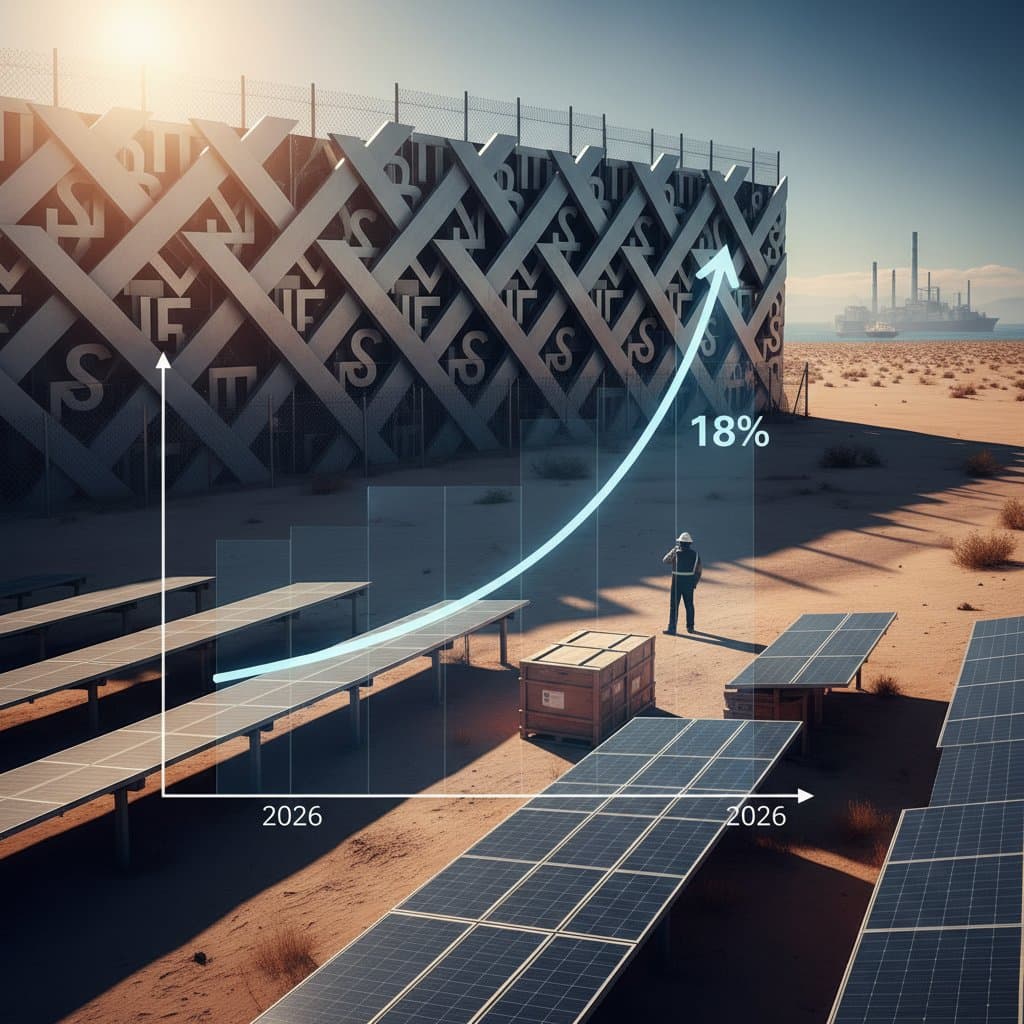
The 2026 U.S. solar tariffs will cause an 18 percent rise in panel prices, altering supply chains and project finances. Developers encounter elevated expenses and compressed schedules, as manufacturers hasten U.S. production. This development sparks discussions on energy security, clean energy objectives, and the expansion of American solar manufacturing.

6 min read
Featured image for Solar Module Prices Jump 18% on 2026 Tariff News

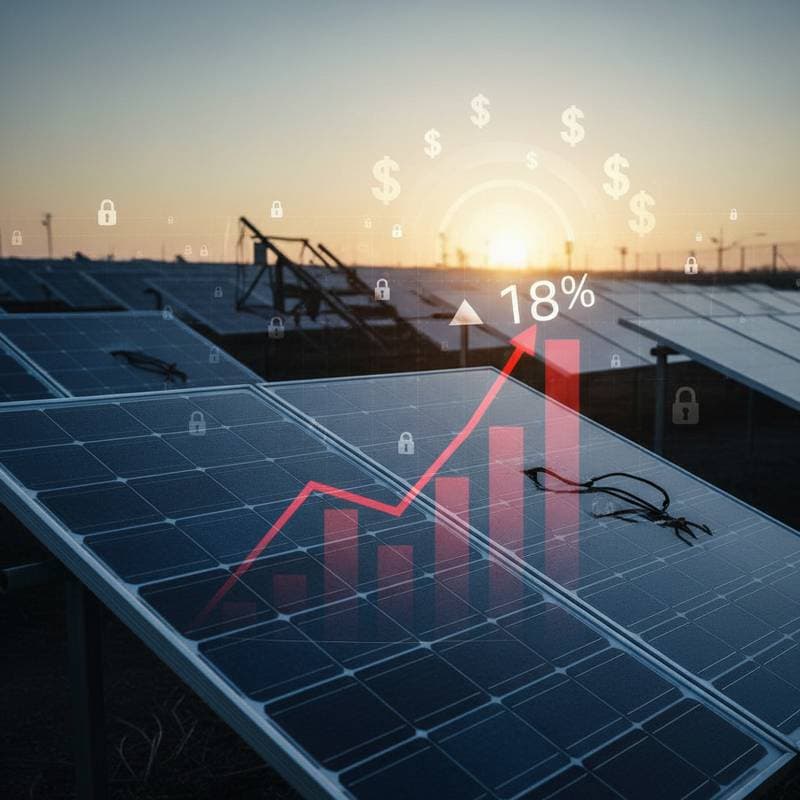
Solar Module Prices Jump 18% on 2026 Tariff News

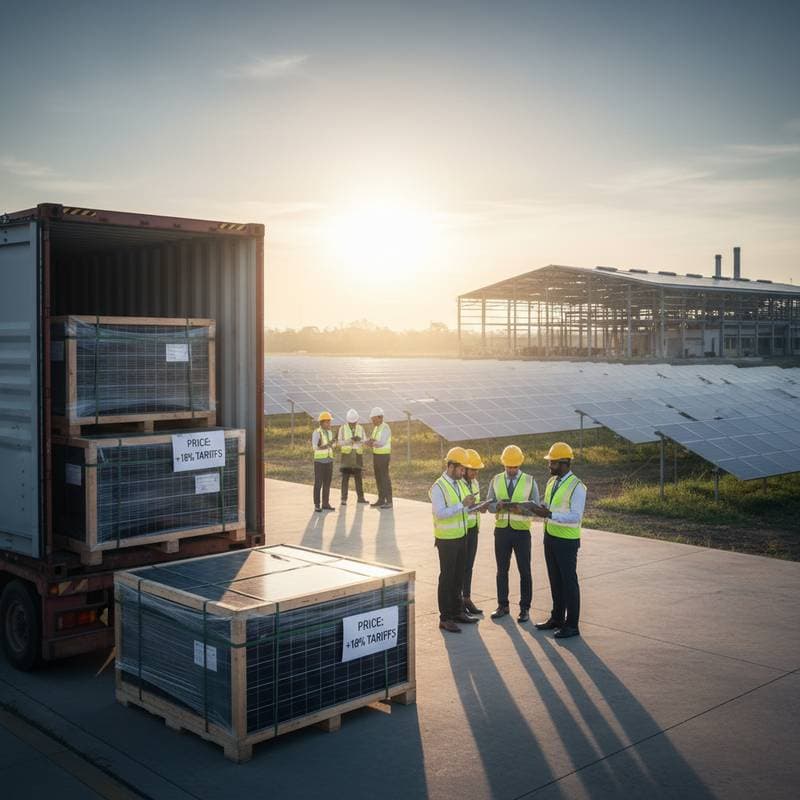
U.S. solar module prices have risen 18% in response to impending 2026 import tariffs, altering project costs, procurement approaches, and financing options. Developers confront narrower margins, evolving supply chains, and heightened focus on domestic production. Although short-term market turbulence persists, these tariffs could hasten the growth of American solar manufacturing and foster energy self-reliance.

5 min read
Featured image for New 2026 Solar Tariffs Add 30% to Panel Costs

New 2026 Solar Tariffs Add 30% to Panel Costs

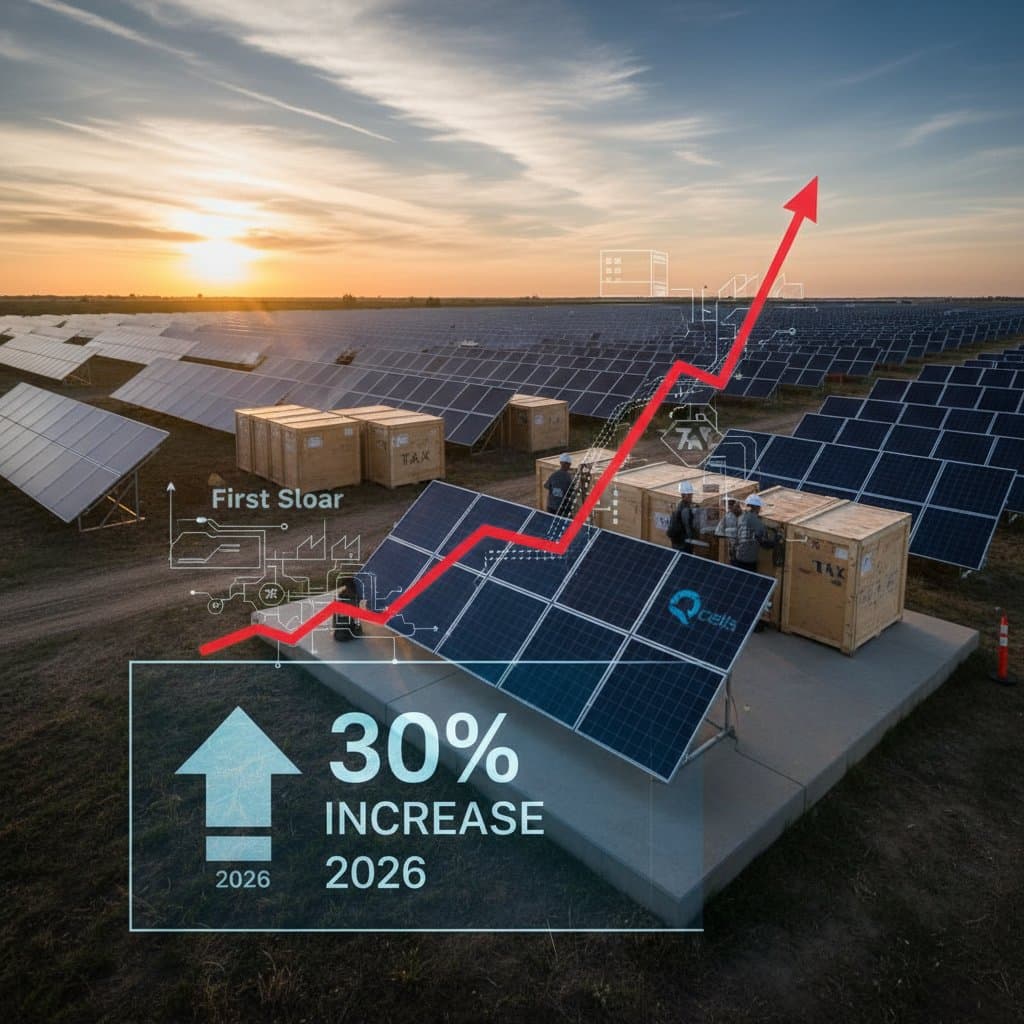
The 2026 tariffs elevate solar panel costs by 30 percent, altering project economics and postponing gigawatts of planned installations. Developers encounter reduced margins, financing hurdles, and supply limitations as domestic production works to expand. Leaders in the industry adjust sourcing approaches, integrate advanced technologies, and revise strategies to maintain progress in United States clean energy initiatives.

6 min read
Featured image for Solar Panels to Cost 18% More Starting 2026

Solar Panels to Cost 18% More Starting 2026

New U.S. tariffs effective in 2026 will increase solar panel prices by 18%, impacting procurement, financing, and project economics. As policymakers promote domestic manufacturing, industry leaders accelerate purchases, diversify suppliers, and adapt to supply chain shifts in the evolving American solar sector.

6 min read
Featured image for Solar Tariffs Drive 18% Panel Price Spike in 2026

Solar Tariffs Drive 18% Panel Price Spike in 2026

Solar equipment prices rose 18% this spring due to new import tariffs, forcing developers, installers, and financiers to adjust budgets, diversify suppliers, and refine designs. These changes support domestic manufacturing goals while challenging short-term project viability and energy independence efforts.

4 min read
Featured image for Solar Tariffs to Push Panel Prices Up 40% by 2026

Solar Tariffs to Push Panel Prices Up 40% by 2026

Solar panel prices in the United States may rise by as much as 40 percent by 2026 due to tariffs on imports from Southeast Asia. These measures will alter supply chains and project finances. Developers confront rising costs, regulatory ambiguity, and production constraints, as officials promote local manufacturing. Such developments could strengthen or challenge the nation's goals for renewable energy.

4 min read
Featured image for 2026 Solar Tariffs Will Push Panel Prices Higher

2026 Solar Tariffs Will Push Panel Prices Higher

As 2026 U.S. solar tariffs approach, panel prices are poised for significant increases that will transform supply chains and challenge market stability. Developers accelerate inventory acquisitions, manufacturers prepare for elevated costs, and policymakers grapple with safeguarding local production while preserving clean energy progress.

5 min read
Featured image for Perovskite Tandems Hit 30% Efficiency in Production

Perovskite Tandems Hit 30% Efficiency in Production

Perovskite-silicon tandem solar panels have surpassed the 30% efficiency mark, marking a pivotal advancement in solar technology. Enhanced stability, scalable manufacturing, and cost reductions enable lighter, higher-output modules. As production ramps up, perovskites stand to transform solar economics, production methods, and sustainable energy deployment.

4 min read
Featured image for NEM 3.0 Cuts Solar Credits 75% in California

NEM 3.0 Cuts Solar Credits 75% in California

California's NEM 3.0 policy reduces solar export credits by up to 75 percent, influencing other states to evaluate comparable reforms. Installers adapt by integrating storage solutions and advanced energy management, while policymakers navigate the tension between grid expenses and solar expansion to shape the future of distributed energy across the United States.

4 min read
Featured image for 500K Households Wait as Solar Projects Stall Nationwide

500K Households Wait as Solar Projects Stall Nationwide

More than 500,000 U.S. households face waitlists for community solar subscriptions due to grid bottlenecks, permitting delays, and financing issues that hinder clean energy rollout. As demand surpasses available capacity, states confront urgent needs to expedite interconnections, secure incentives, and upgrade infrastructure, transforming this backlog into a key challenge for fair solar adoption.

7 min read
Featured image for Solar Tariffs Drive 18% Price Spike Across U.S. Market

Solar Tariffs Drive 18% Price Spike Across U.S. Market

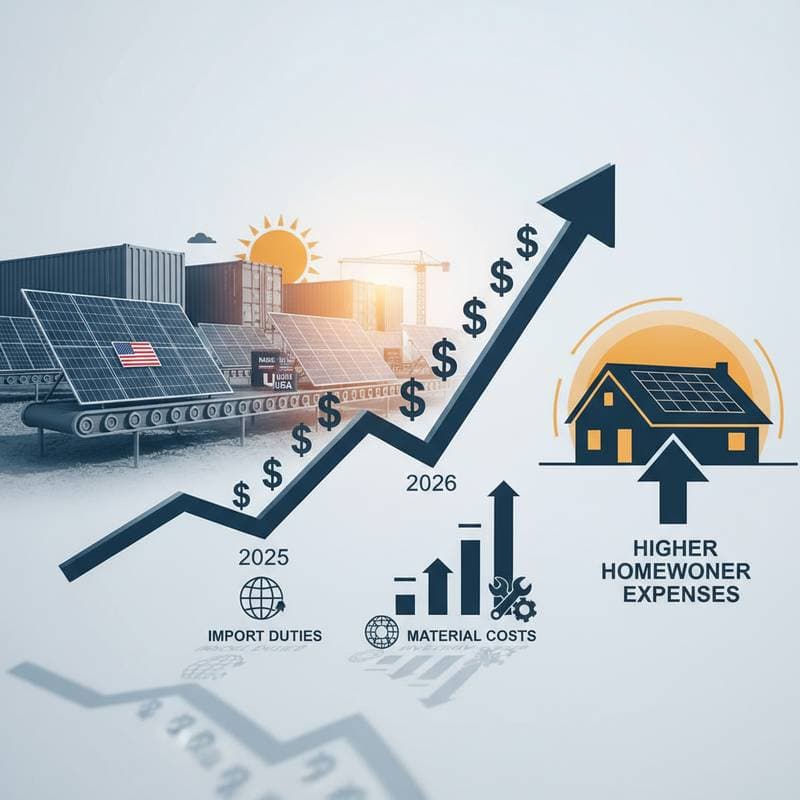
The 2025 solar tariffs have increased U.S. system prices by 18%, altering project finances and challenging developers, installers, and investors. Intended to support domestic production, these measures face hurdles from supply constraints and global dependencies, leading to immediate disruptions and questions about clean energy progress.

4 min read
Featured image for Hidden Supply Chain Costs Behind 2025 Solar Tariffs

Hidden Supply Chain Costs Behind 2025 Solar Tariffs

The 2025 solar tariffs reach beyond basic percentage increases, altering costs via supply chain disruptions, financing challenges, and regulatory requirements. Overlooked costs in logistics, paperwork, and sourcing threaten installer profits. Grasping these multifaceted effects allows solar experts to predict expenses accurately, mitigate risks, and sustain profitability in changing trade landscapes.

5 min read
Featured image for Solar Tariffs Drive 18% Panel Price Jump in Q1

Solar Tariffs Drive 18% Panel Price Jump in Q1

Fresh U.S. tariffs on imported solar panels caused an 18% price increase in Q1 2025, altering project finances and supply networks. Developers confront elevated expenses, reduced margins, and evolving procurement methods, as domestic producers expand operations. The sector weighs immediate challenges against prospects for American solar advancement.

5 min read