
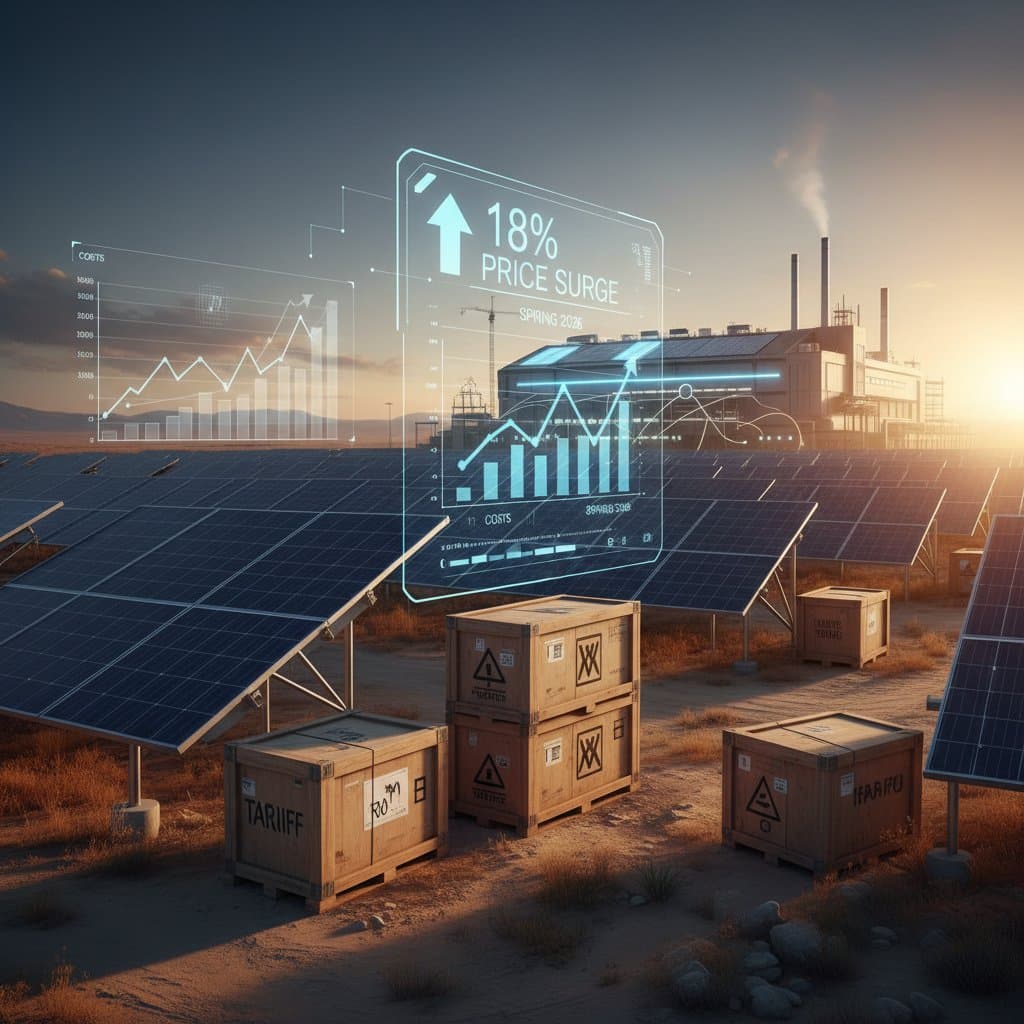
Solar Tariffs in 2026: An 18% Rise in Panel Prices Arrives This Spring
Solar developers across the United States encounter a sharp cost increase this spring. New tariff measures elevate prices for imported panels by almost 18 percent. These adjustments stem from the end of temporary import exemptions and stricter application of trade regulations. The shifts already affect purchasing plans, agreement discussions, and setup schedules in various sectors.
Experts in the field indicate that this tariff landscape may alter the financial aspects of utility-scale projects by up to 10 cents per watt. Factors such as panel variety and origin country play key roles. For those handling residential and commercial setups, elevated panel expenses start to appear in supplier rates. This development squeezes profit margins and clouds short-term projections.
Changes in Supply Chains and Procurement Approaches
Most panels imported into the U.S. come from Southeast Asia. Producers there have expanded operations to meet American needs while dodging earlier probes into trade evasion. Now, with tariffs fully active, developers reevaluate their procurement methods and eye options produced locally.
Buyers perform fresh calculations on total delivery costs, noted Laura Jensen, procurement director at Solar Ridge EPC in Arizona. The 18 percent uptick alters project viability, particularly for contracts with set prices established prior to the tariff reveal.
Certain purchasers shift to American suppliers eligible for federal incentives tied to local content. These benefits help counter the added tariff expense. However, scarce availability and extended delivery periods hinder complete replacement. Major developers now plan to divide orders between local and foreign sources. This strategy aims to equalize expenses, stock levels, and regulatory adherence.
Effects on Large-Scale Utility Projects
Developers of utility-scale systems stand most vulnerable to the tariff escalation. They depend heavily on bulk imports of panels. Data from the Clean Energy Research Group shows that foreign panels made up about 70 percent of U.S. utility-scale setups last year. The updated pricing may postpone or scale back several initiatives in progress.
The tariff rise might render some projects financially unviable, according to John Patel, senior vice president of project delivery at BrightPath Renewables. Material expenses climb 8 to 10 percent on overall installation totals. Such changes influence debt repayment calculations and investor returns.
Teams explore engineering solutions to safeguard financial outcomes. Options include refining tracker arrangements, modifying panel angles for better energy production, and swapping in bifacial panels with superior performance. These tactics reclaim portions of diminished value. Yet they introduce design challenges and prolong planning phases.
Growth in Domestic Production
The tariff escalation should aid U.S. producers in the immediate future. It reduces the cost difference with foreign panels. Multiple American plants declare intentions to enlarge output and modernize machinery. This response meets growing interest in products free from tariffs.
A study by Energy Markets Intelligence projects a 25 percent growth in local panel capacity over the coming period, assuming planned efforts proceed. Facilities in Ohio, Georgia, and Texas spearhead these advances. They focus on complete in-house processes, covering cells, wafers, and framing components.
Challenges persist in ramping up to satisfy nationwide requirements. Shortages in materials like glass, protective layers, and connection boxes restrict production speeds. The move to local manufacturing receives support, but fulfilling demands for large projects requires time, stated Kevin Moore, chief operating officer at SunForm Manufacturing in Georgia.
Navigating Policy and Market Instability
This tariff update reveals conflicts between safeguarding trade and hastening solar rollout in the U.S. Officials aim to support local output while ensuring cost-effective capacity for renewable objectives. The present changes illustrate the hurdles in pursuing these aims together.
Observers anticipate that developers will hasten purchases before additional trade steps occur. Prices for future panel contracts climb amid expectations of tighter import limits. This points to ongoing market swings. States with strong renewable requirements might pursue short-term waivers or incentive tweaks to sustain setup rates.
The Solar Energy Industries Association voices worries that these tariffs may hinder countrywide progress. Higher panel costs endanger advances in clean energy infrastructure. They also risk thousands of jobs in building and setup roles without policy fixes. The group seeks clearer guidance from government bodies on exemptions and verification steps.
Adaptations in Setup and Support Systems
EPCs and contractors adjust at the fieldwork stage. They enforce stricter expense oversight on support frameworks, mounting hardware, and workforce efforts. Ground-based installations face intense strain, given panels' larger portion of system budgets. Teams reassess foundation placements, tracker designs, and power converter choices to cut ancillary expenses.
Cost control proves essential now, remarked Maria Lopez, operations manager at Peak Solar Installations in Nevada. Redesigns aim to lessen steel needs and simplify transport to counter panel price growth.
For commercial and industrial setups, installers consider power purchase agreements. These arrangements transfer portions of the cost rise to users while keeping rates appealing. Such methods sustain project flows but may deter budget-conscious clients.
Strategies for Resilience in a Constrained Market
Upcoming months will challenge the strength of the U.S. solar network and developers' flexibility. Price shifts from tariffs tend to echo through the sector for extended periods. They shape material selection, staff distribution, and funding arrangements.
The 18 percent increase brings immediate hurdles. At the same time, it propels development of a stronger domestic solar production system. Success for installers, EPCs, and providers hinges on quick decisions and precise expense handling in this evolving setting.