Solar Tariffs Will Add $6-8M to 100 MW Projects
New U.S. solar tariffs effective in 2026 will push module prices up 18 percent, increasing 100 MW project costs by $6-8 million and prompting shifts in procurement and domestic production efforts.
Loading...
Articles tagged with duties
New U.S. solar tariffs effective in 2026 will push module prices up 18 percent, increasing 100 MW project costs by $6-8 million and prompting shifts in procurement and domestic production efforts.
New U.S. tariffs propel solar panel prices up 40%, disrupting installers, developers, and affordability. This volatility challenges clean energy progress, yet domestic manufacturing and adaptive tactics offer pathways forward.
2026 solar tariffs threaten to elevate U.S. project costs, with modules facing 10-15% hikes and 100MW builds adding $8M. Industry players adapt sourcing and contracts to counter uncertainty and bolster domestic production.
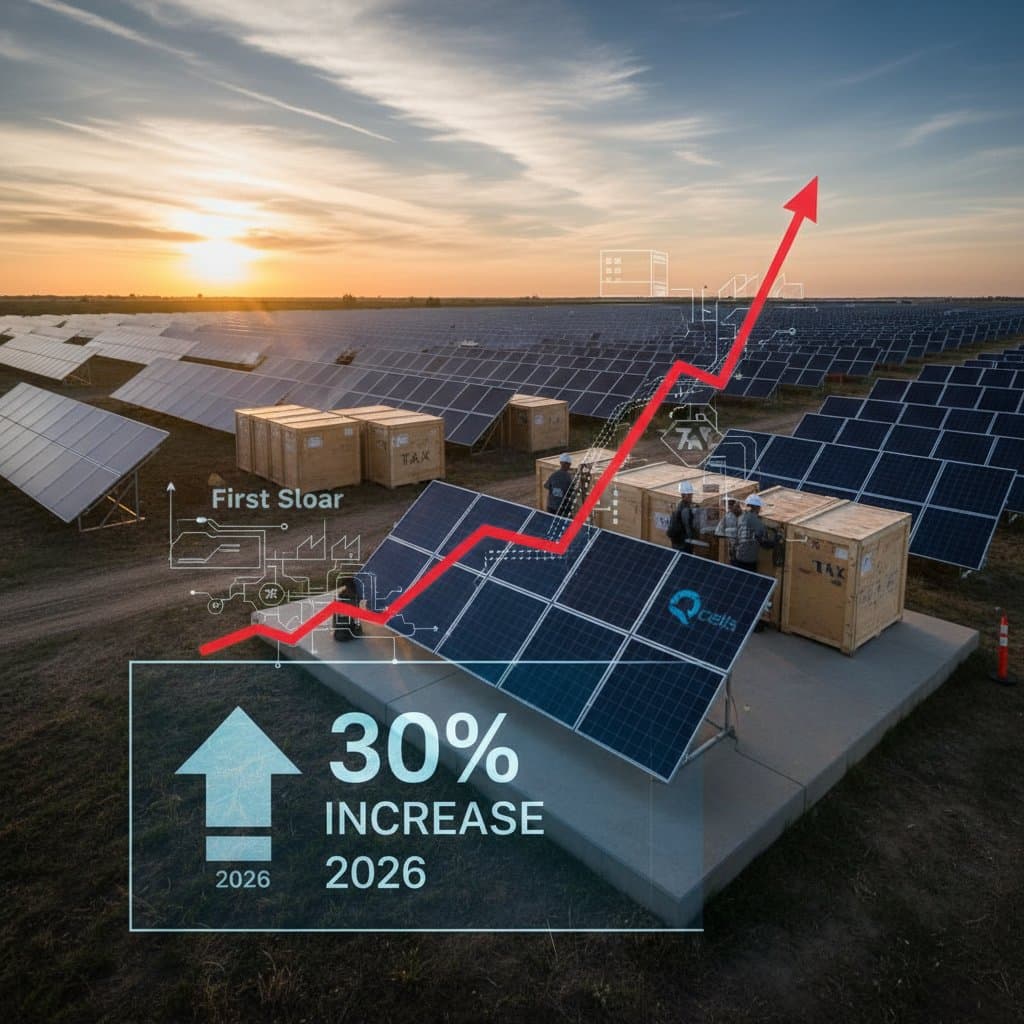
New U.S. tariffs set for 2026 will push solar panel prices up 30%, disrupting supply chains and increasing costs for developers. While companies like First Solar and Qcells expand U.S. production, installers grapple with tighter budgets and delayed timelines. This policy aims to bolster local manufacturing but may hinder overall renewable energy progress.
New tariffs on solar panel imports from Asia will cause an 18% price surge this spring, disrupting the supply chain for developers and installers. This shift introduces tighter margins, potential project delays, and sourcing hurdles, yet it holds promise for boosting U.S. manufacturing in the long run.
New U.S. tariffs forecast a 40% rise in solar module prices by 2026, disrupting supply chains and project economics. As domestic production lags demand, experts highlight risks to timelines, margins, and the push for energy security.
The 2026 tariffs elevate solar panel costs by 30 percent, altering project economics and postponing gigawatts of planned installations. Developers encounter reduced margins, financing hurdles, and supply limitations as domestic production works to expand. Leaders in the industry adjust sourcing approaches, integrate advanced technologies, and revise strategies to maintain progress in United States clean energy initiatives.
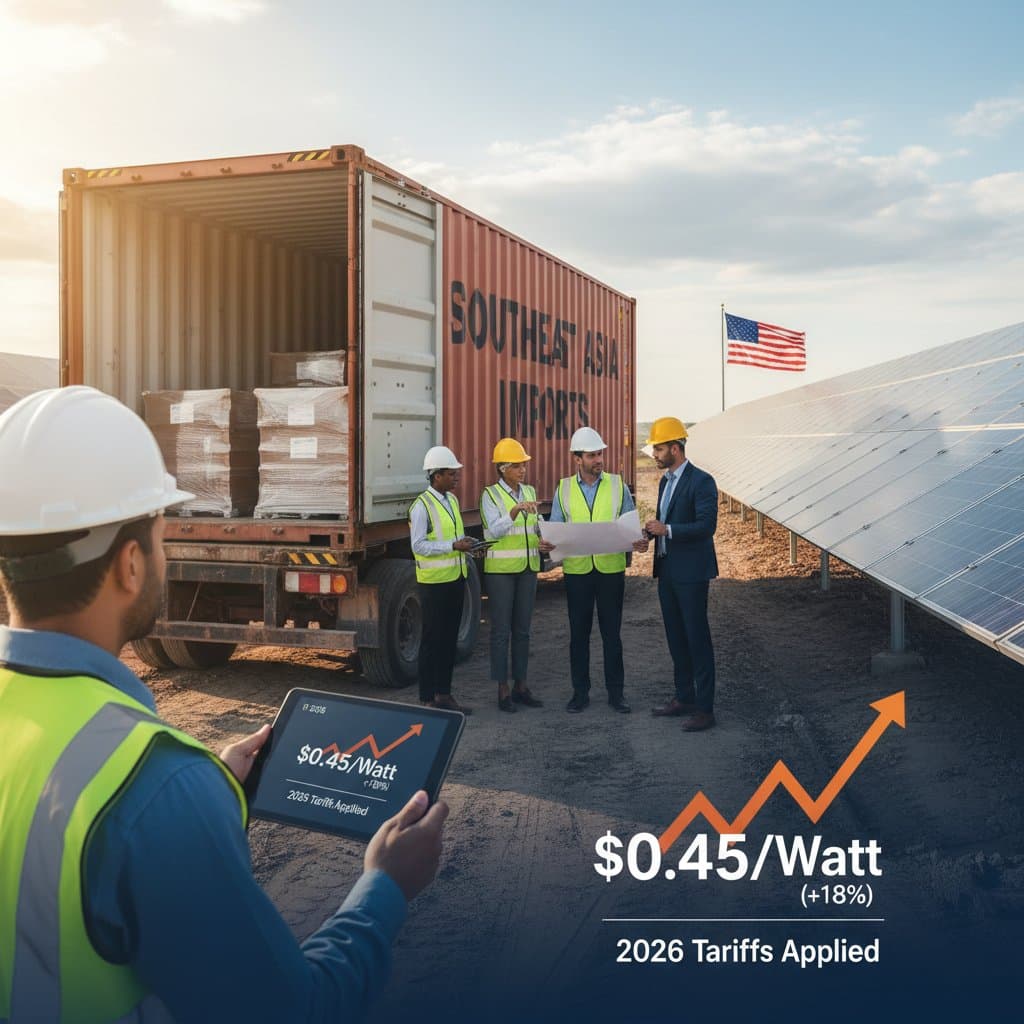
New U.S. tariffs effective in 2026 will increase solar panel prices by 18%, impacting procurement, financing, and project economics. As policymakers promote domestic manufacturing, industry leaders accelerate purchases, diversify suppliers, and adapt to supply chain shifts in the evolving American solar sector.