
Expect 40% Higher Solar Panel Costs From 2026 Tariffs
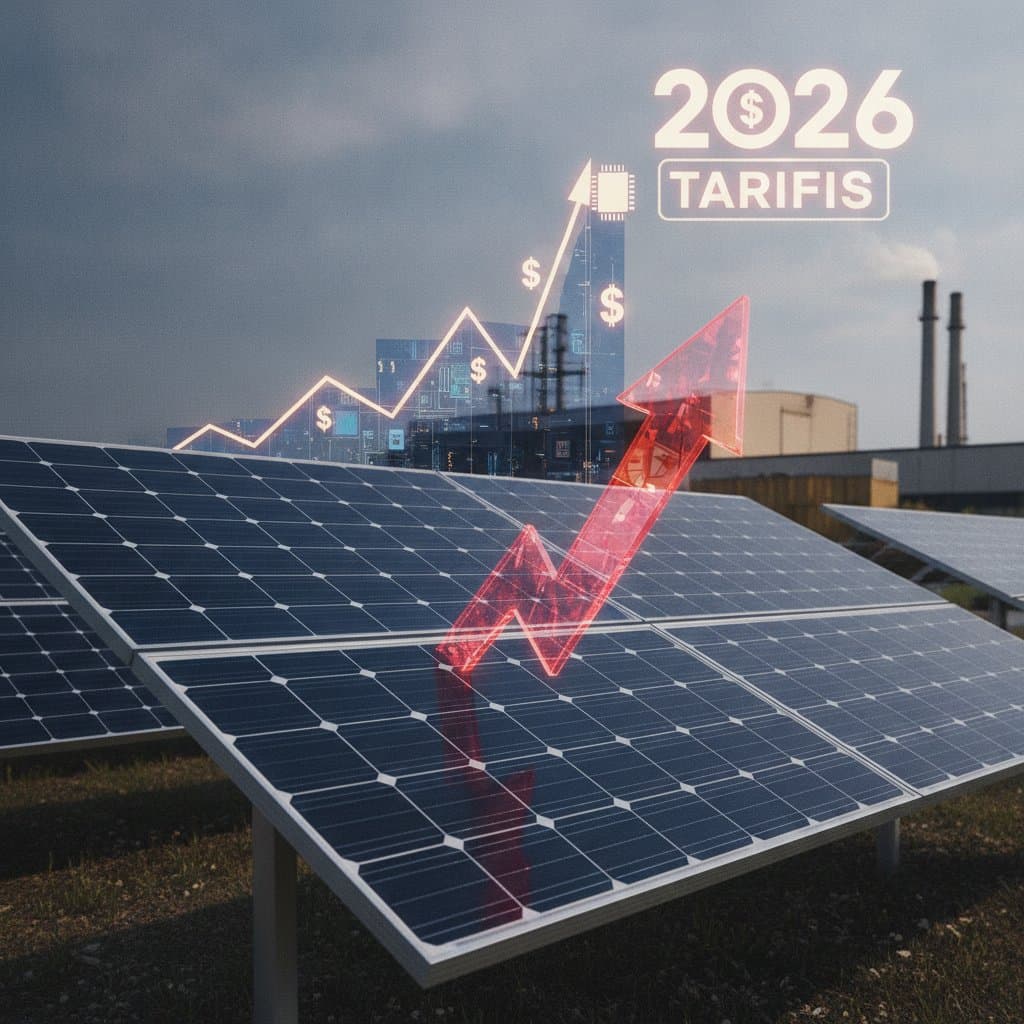
The U.S. solar market faces a significant price increase as new tariffs on imported photovoltaic modules take effect in 2026. These measures could raise panel costs by up to 40 percent and alter project economics in utility-scale, commercial, and residential sectors. Several years of steady cost reductions may reverse as a result.
Tariff Details and Market Impact
New duties will target crystalline silicon photovoltaic modules and cells from key Asian manufacturing regions. Rates are expected to fall between 25 and 40 percent based on origin and supply chain specifics. The policy aims to strengthen domestic production and lessen reliance on imports.
Developers and engineering, procurement, and construction firms anticipate higher equipment expenses and extended timelines. Module prices may rise from roughly 25 cents per watt to more than 35 cents per watt, adding substantial costs to large installations, according to Michael Harrington of EnergyTrends Research.
Pressures on Project Economics
Fixed-price contracts will expose EPC contractors to cost overruns on projects already underway. Developers will struggle to keep power purchase agreements competitive because elevated equipment expenses lower expected returns. Sara Kim of SunEdge Renewables notes that even a 10 percent price rise can threaten project viability, and a 40 percent jump will prompt widespread cancellations or revisions.
Corporate buyers in the commercial and industrial segment may delay commitments when payback periods lengthen. Many had planned around continued price declines that will no longer materialize.
Domestic Manufacturing Expansion
Tariffs form part of a larger effort to grow U.S. module production in states including Ohio, Georgia, and Texas. Current domestic output covers only a small share of the more than 30 GW installed annually. Officials expect new investment in cells and wafers, areas that still lag.
Policy experts stress that tariffs alone will not create a complete supply chain. Additional tax incentives, workforce programs, and long-term utility commitments remain necessary.
Supply Chain Adjustments
Developers are evaluating alternative sources in countries outside the tariff scope, though Western Hemisphere capacity stays limited. Joint ventures with U.S. manufacturers offer another route to satisfy domestic content rules while controlling expenses. Mixed sourcing strategies that combine domestic modules with partially tariffed imports are under active review to preserve certifications and delivery schedules.
Technology Shifts
Higher costs for imported crystalline silicon modules may increase interest in domestically produced thin-film options. First Solar cadmium telluride modules fall outside the tariff scope and could gain share in ground-mounted projects. Limited thin-film capacity, however, means prices are likely to remain elevated until additional production comes online.
Financing Implications
Lenders will apply stricter terms when equipment costs fluctuate. Higher equity requirements or added guarantees may delay financial closings. Some institutional investors could redirect capital toward wind or storage assets until solar project returns stabilize.
Regional Variations
High-penetration states such as California, Texas, and Florida may experience slower installation growth. In the Midwest and Southeast, procurement will likely favor domestic modules to meet corporate and municipal targets. Residential installers will need to explain higher system prices to customers while highlighting long-term savings and available incentives.
Industry Response
Trade groups advocate a balanced approach that supports manufacturing growth without disrupting installation activity. Domestic producers welcome the leveling effect on subsidized imports yet caution against potential retaliation that could affect raw material supplies.
Long-Term Adaptation
Domestic output is projected to increase over several years and ease price pressure. Success depends on rapid capacity growth in wafers and cells, coordinated federal and state incentives, and flexible procurement by developers.
Actions for Solar Stakeholders
Developers should update procurement forecasts and include tariff adjustment clauses in supplier agreements. EPC firms can model multiple sourcing scenarios to protect margins. Installers benefit from refined customer communications that stress lifetime value. Manufacturers may pursue vertical integration into cell and wafer production to capture additional margin. These coordinated steps can convert short-term cost pressure into lasting supply chain strength.