
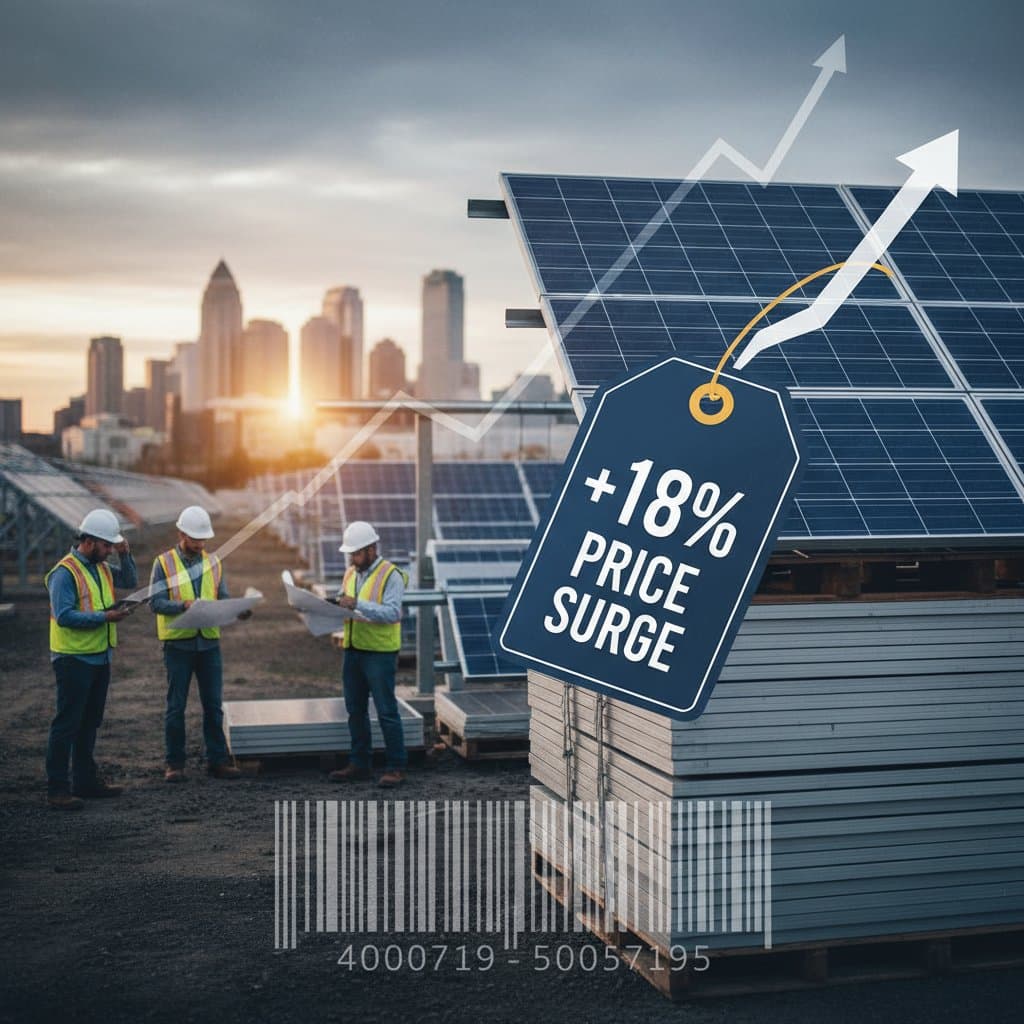
U.S. Tariffs Ignite 18% Surge in Solar Panel Prices This Month
The United States solar market faces fresh challenges from import tariffs. Installers nationwide report an average 18 percent increase in panel prices during the current month. Experts link this rise directly to duties on imported modules and cells, which disrupt supply chains and prompt developers to reassess tight financial plans.
These changes affect procurement processes immediately. Projects experience delays as costs escalate unexpectedly. Developers must now evaluate options to maintain viability amid heightened expenses.
Patterns in Solar Trade Policy
This scenario repeats a well-known cycle in the solar industry. Previous tariff implementations followed investigations under Section 201, each aiming to bolster local production yet sparking initial disorder. Prices climb rapidly, imports decline, and installers rush to stockpile materials before further quote revisions occur.
Current tariffs focus on crystalline silicon modules from key Asian suppliers. These nations emerged as primary sources after prior restrictions altered global trade routes. United States Customs data indicates that Southeast Asian hubs dominate imports, often incorporating components from China, drawing renewed regulatory attention.
To navigate this, industry participants review historical data. They analyze past tariff effects on supply volumes and pricing trends. Such preparation helps anticipate shifts and inform procurement decisions.
Factors Behind the Rapid Price Increases
Distributors highlight the unprecedented pace of these adjustments. Tariff announcements typically require weeks to affect quotes, but this instance brought changes within days. A purchasing manager at a national engineering, procurement, and construction firm shared that suppliers applied a 15 percent surcharge initially, escalating to 18 percent shortly after. He stated, "They are protecting their margins, and we are stuck recalculating every bid."
The timing compounds difficulties for commercial and community-scale projects. Developers relied on consistent module costs for upcoming purchases. Locked power purchase agreements now face scrutiny, with some initiatives at risk of becoming unfeasible.
Buyers can mitigate by monitoring tariff announcements closely. They diversify suppliers early and build buffers into budgets. These steps preserve project timelines despite volatility.
Evaluating Domestic Manufacturing Prospects
Tariff advocates claim these measures will enhance United States solar production. Capacity has expanded recently, with new facilities in development. However, local output meets only a small portion of demand, maintaining reliance on foreign cells and wafers.
Rebuilding a complete supply chain demands more than tariffs. Comprehensive industrial policies, including incentives and infrastructure investments, prove essential. Optimism persists, but realism tempers expectations based on prior outcomes.
Visits to United States panel facilities reveal mixed results from earlier actions. Initial enthusiasm faded as global prices normalized and competition intensified. Domestic operations face hurdles in cell processing and assembly efficiencies compared to international standards.
Tariffs provide temporary relief, yet sustained competitiveness requires innovation. Producers invest in automation and workforce training to close gaps. Policymakers collaborate with industry to align support mechanisms effectively.
Strategies Employed by Installers
Installers adapt swiftly to these pressures. Many adopt inventory accumulation approaches, securing large volumes preemptively. This tactic shields against additional hikes and ensures project continuity.
Others explore domestic alternatives, accepting higher initial costs for tariff stability. Utility-scale developers overhaul sourcing plans, incorporating hedging tools like futures contracts. These methods balance risk and maintain long-term commitments.
Residential providers encounter direct customer impacts. Standard homeowner estimates rise by thousands of dollars in mere weeks. Sales slow as clients hesitate, prompting installers to emphasize long-term savings and financing options.
Practical responses include transparent communication with clients. Installers provide cost breakdowns and explore module efficiencies to offset price rises. Partnerships with local manufacturers foster reliability in uncertain times.
Charting the Course for Solar Market Stability
Historical trends suggest prices may stabilize after initial disruptions. Developers endure several months of uncertainty before equilibrium returns. The pivotal issue remains whether these tariffs spur enduring domestic investments or perpetuate familiar patterns of upheaval.
Coverage of the sector underscores the need for consistent policies beyond tariffs. Sustained support through subsidies and research funding holds greater promise for growth. Without such measures, cycles of adjustment dominate.
Installers, developers, and suppliers recalibrate operations daily. The solar market flourishes with reliable conditions, which tariffs undermine. Forward-thinking strategies position stakeholders to capitalize on eventual recoveries and policy evolutions.