
Tariffs Could Push Solar Panel Prices Up 40% by 2026
Proposed tariffs may lift solar module prices 40 percent by 2026. Developers face margin pressure and supply shifts while domestic production scales slowly.
By Christina De La Cruz
5 min read
Loading...

Articles tagged with 2026
Proposed tariffs may lift solar module prices 40 percent by 2026. Developers face margin pressure and supply shifts while domestic production scales slowly.
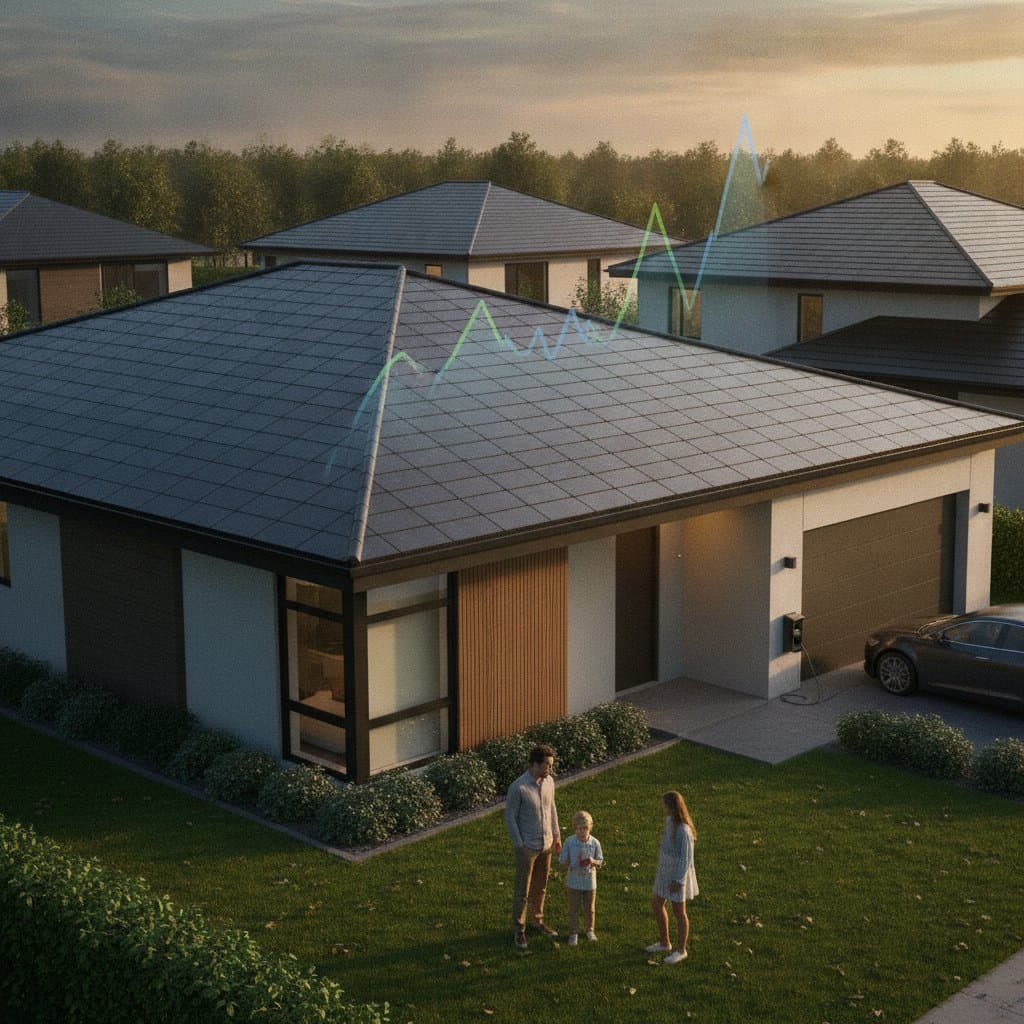
By 2026 solar shingles are expected to reach cost parity with traditional panels. Advances in manufacturing, streamlined installation, and supportive incentives are driving rapid price declines.

New United States tariffs on imported solar panels will raise prices by 18 percent this spring. The duties target Chinese linked supply chains and increase pressure on developers to secure inventory and renegotiate contracts.

Homeowners can earn around $400 annually by joining virtual power plant programs that link home batteries into grid-supporting networks. These systems stabilize energy demand, reduce costs, and reward participants. With minimal setup, compatible batteries generate income, enhance grid reliability, and accelerate renewable integration.

U.S. solar developers will face an 18 percent module price increase starting in 2026 when new import tariffs take effect. The policy will reshape procurement, pressure margins, and shift project timelines while supporting domestic manufacturing growth.
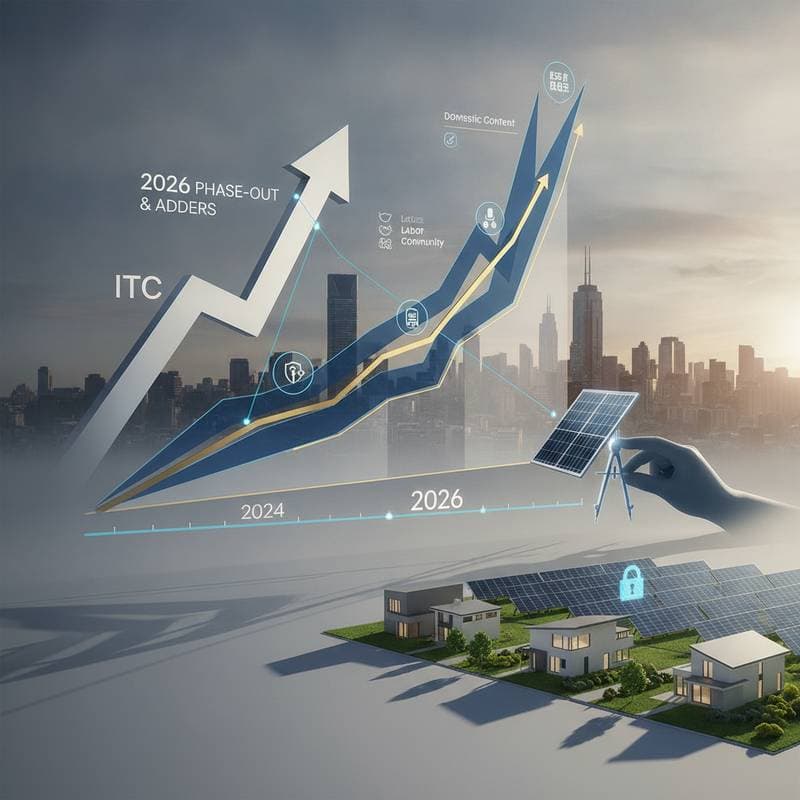
Major shifts to the Solar Investment Tax Credit in 2026 will reshape project timing, financing, and supply chains. Homeowners and developers should plan early to secure higher incentives and navigate evolving qualification rules.

The 2026 IRA updates reshape solar project economics by phasing down bonus depreciation and altering tax credit interactions with depreciable basis. Developers and investors must adapt financing models, ownership structures, and timelines to sustain returns and maintain compliance.
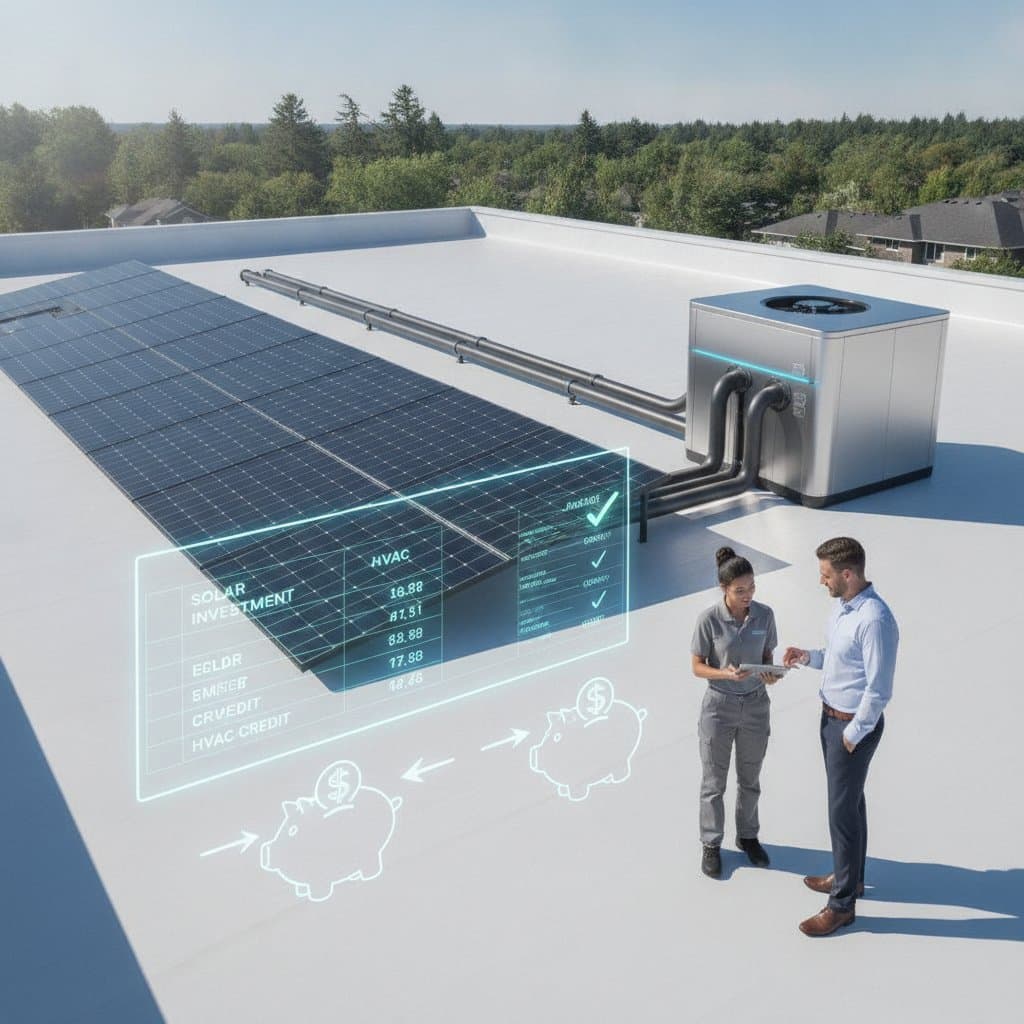
Federal tax rules allow solar and HVAC upgrades to earn separate credits when costs are allocated correctly. Proper documentation and installer transparency help homeowners and businesses capture full incentives while staying compliant.

Starting in 2026, revised IRA rules accelerate solar asset depreciation by 60 percent. Faster cost recovery improves early cash flow while requiring updated financial models, financing structures, and tax strategies across commercial and utility markets.

New tariffs set for spring 2026 will raise solar panel prices by 18 percent. Developers face higher costs, potential delays, and contract adjustments while domestic manufacturers expand production.

The Inflation Reduction Act enables full first-year depreciation for solar assets. Combined with the Investment Tax Credit, this incentive converts project costs into rapid tax recovery and supports faster reinvestment decisions.

U.S. solar panel prices could rise 40 percent by 2026 if tariffs on Southeast Asian modules return. Developers and installers face higher costs and supply gaps that require updated procurement, contract, and design approaches.

Solar panel prices surged 18% this spring as developers rushed to buy before 2026 import tariffs take effect. The spike reflects tightening supply chains, shifting procurement strategies, and renewed focus on United States manufacturing.

Beginning in 2026, solar shingles qualify for a 60 percent federal tax credit that covers both roofing and energy components, lowering costs for homeowners and accelerating adoption of integrated photovoltaic systems.
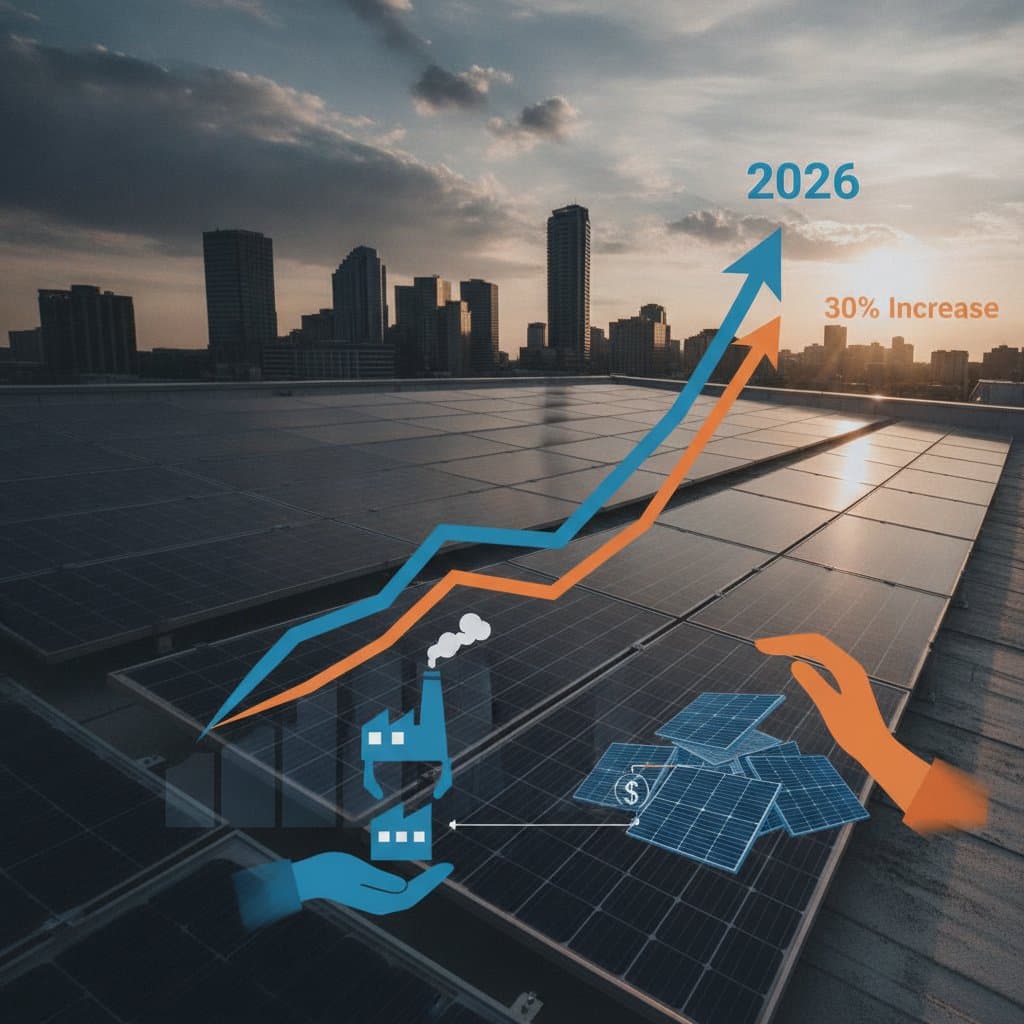
Federal tariffs on imported solar modules will lift prices by nearly 30 percent by 2026. This shift prompts revised procurement plans, new domestic manufacturing investments, and updated project financing models across the industry.
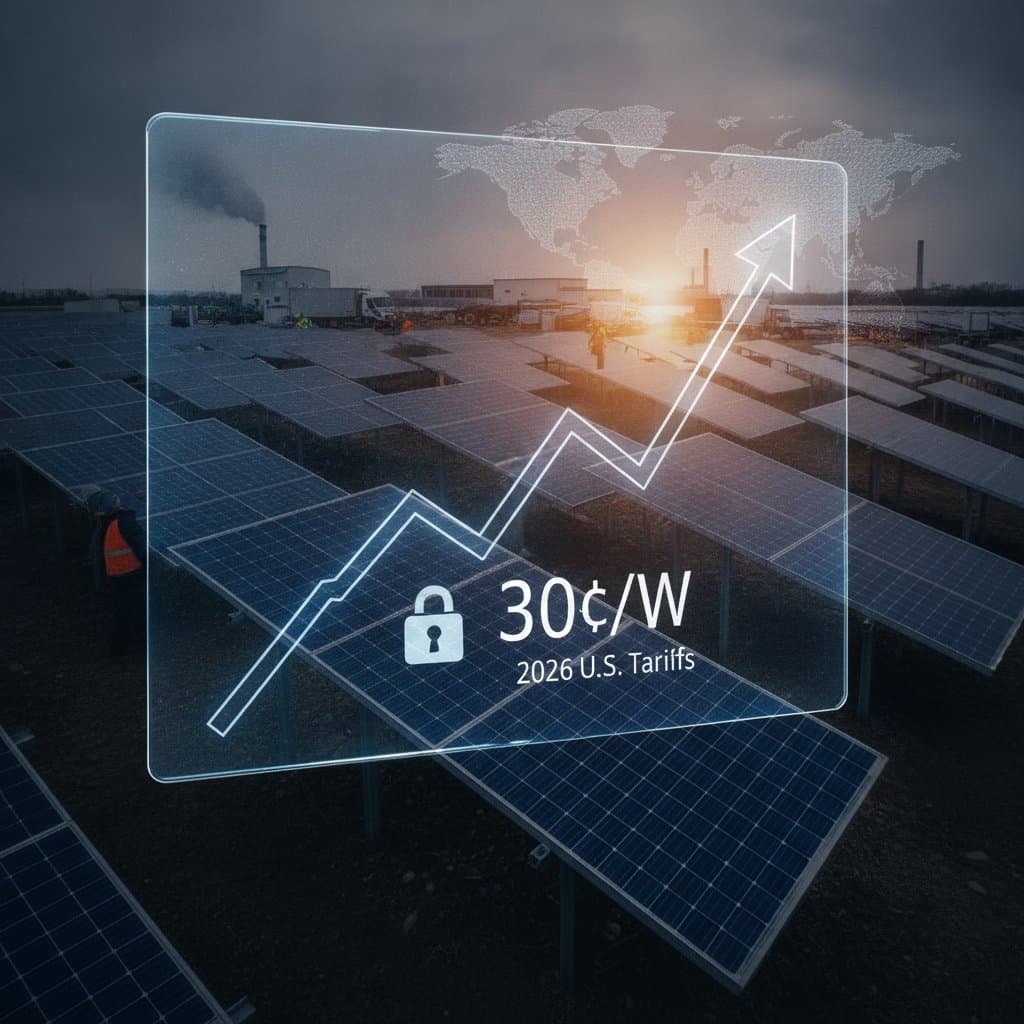
New U.S. solar tariffs set for spring 2026 will raise panel prices about 18 percent. This change will reshape procurement strategies across the industry.

The Inflation Reduction Act tax credits and state level solar incentives combine to deliver record savings. Strategic stacking of federal adders with local rebates, loans, and performance programs shortens payback periods and boosts project returns.
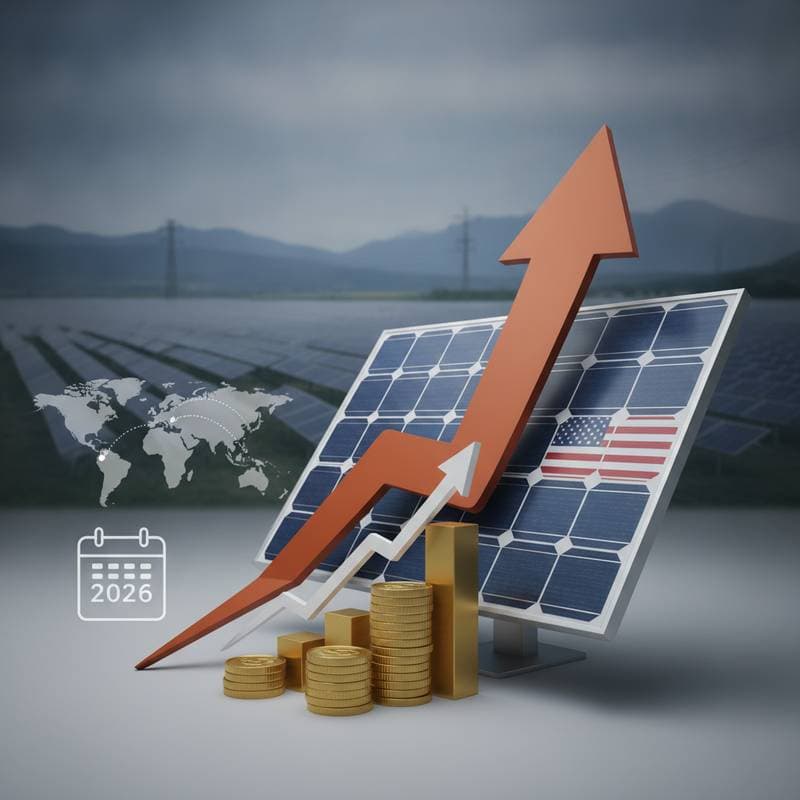
Starting in 2026, new U.S. solar tariffs will lift panel prices by about 18 percent, reshaping procurement, financing, and project timelines. While short-term costs rise, policymakers expect the move to boost domestic manufacturing and supply resilience. Developers are already accelerating purchases, diversifying suppliers, and recalibrating strategies to stay competitive.

New U.S. solar tariffs will raise panel costs by about 18 percent this spring. Developers face tighter margins and shifting procurement needs. Strategic planning helps maintain project momentum amid higher prices.

A new federal tariff will raise imported solar costs by 18 percent next month, reshaping U.S. project economics. Developers face delayed timelines, tighter margins, and sourcing challenges, while domestic manufacturers gain an edge.