Virtual Net Metering Unlocks Solar for Renters and Businesses
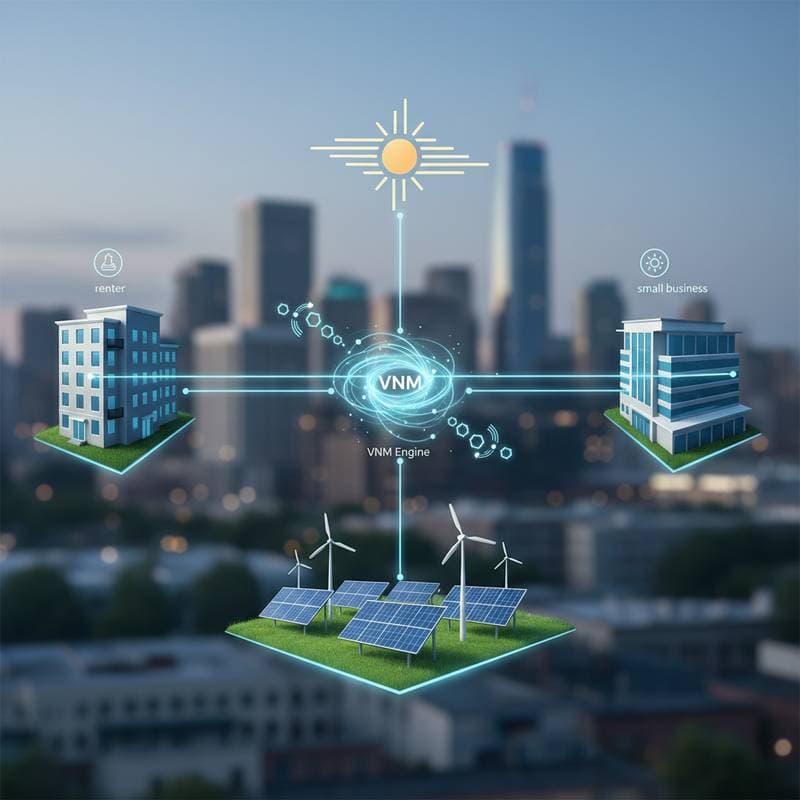
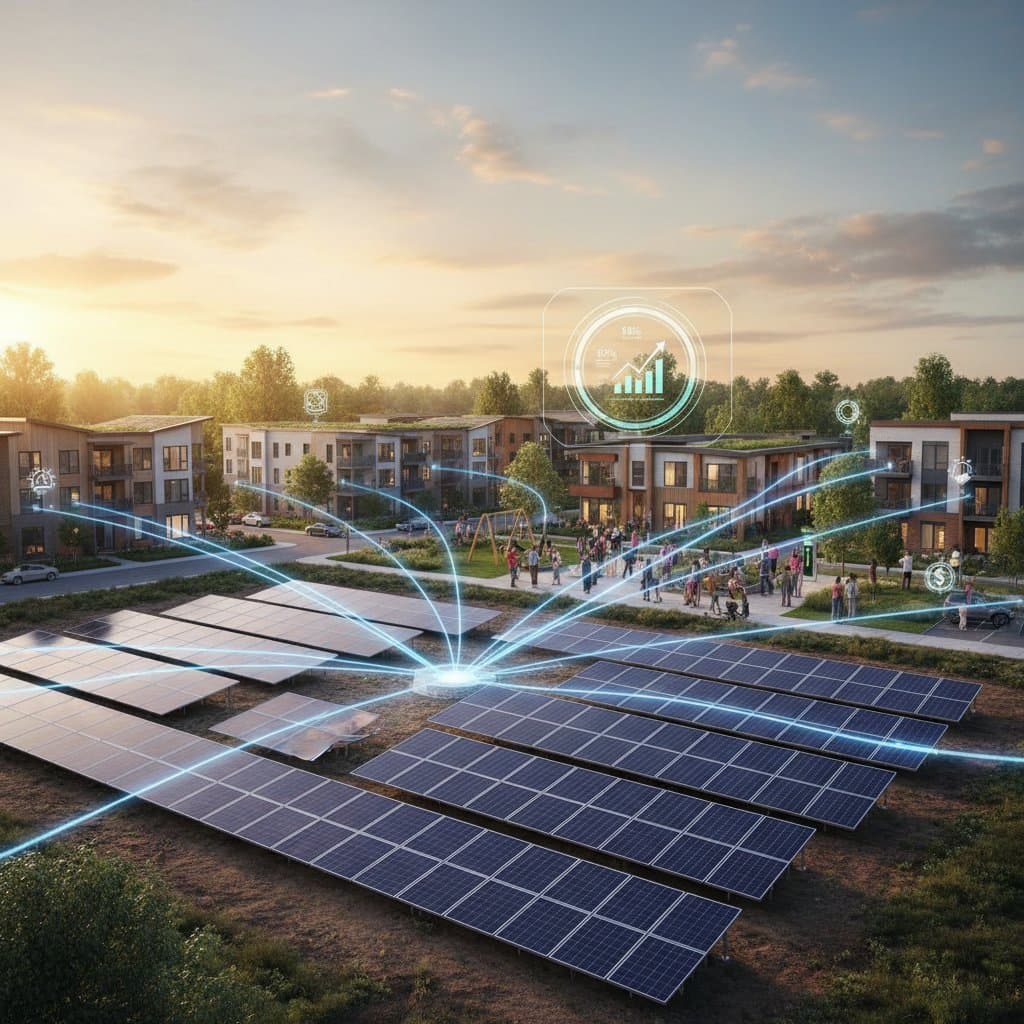
Virtual net metering distributes credits from shared solar arrays to multiple subscribers, giving renters and businesses access to clean energy savings through standard utility bills.
Loading...
Articles tagged with community
Virtual net metering distributes credits from shared solar arrays to multiple subscribers, giving renters and businesses access to clean energy savings through standard utility bills.
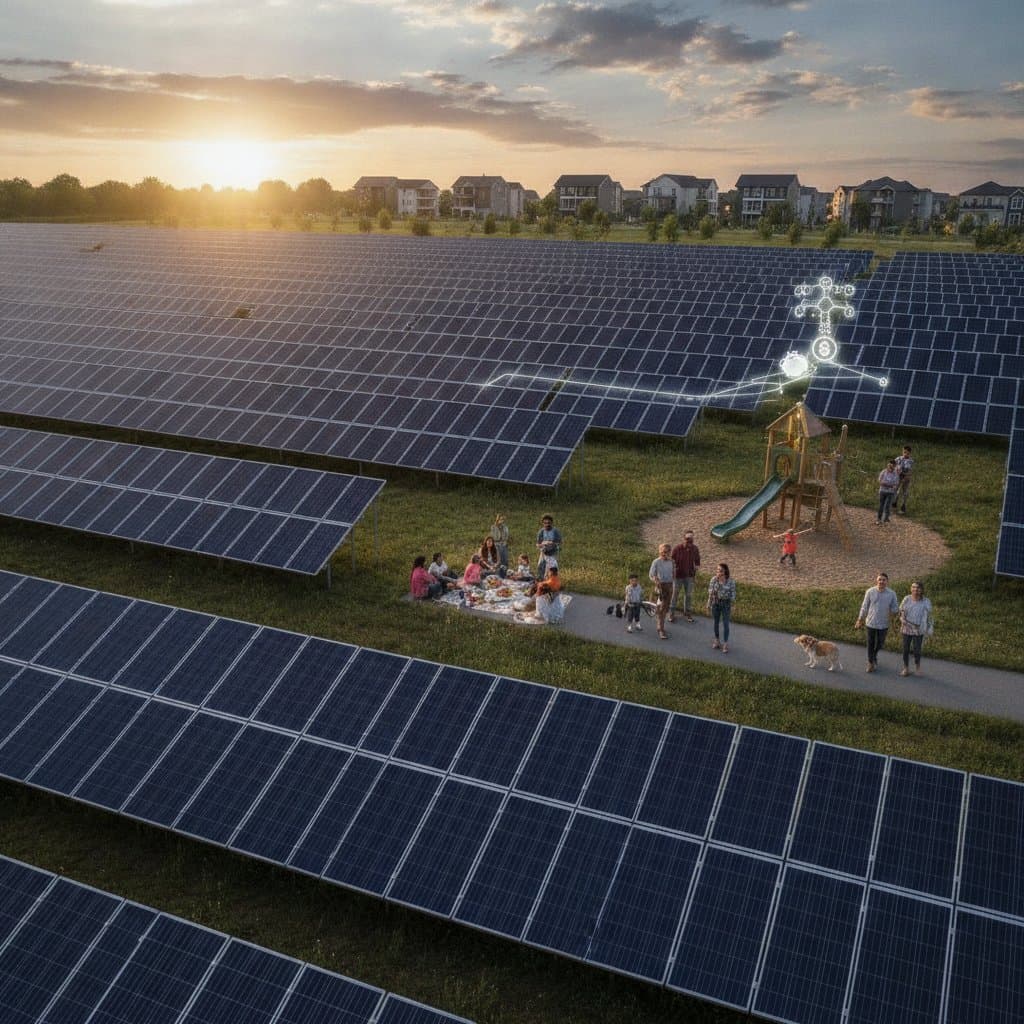
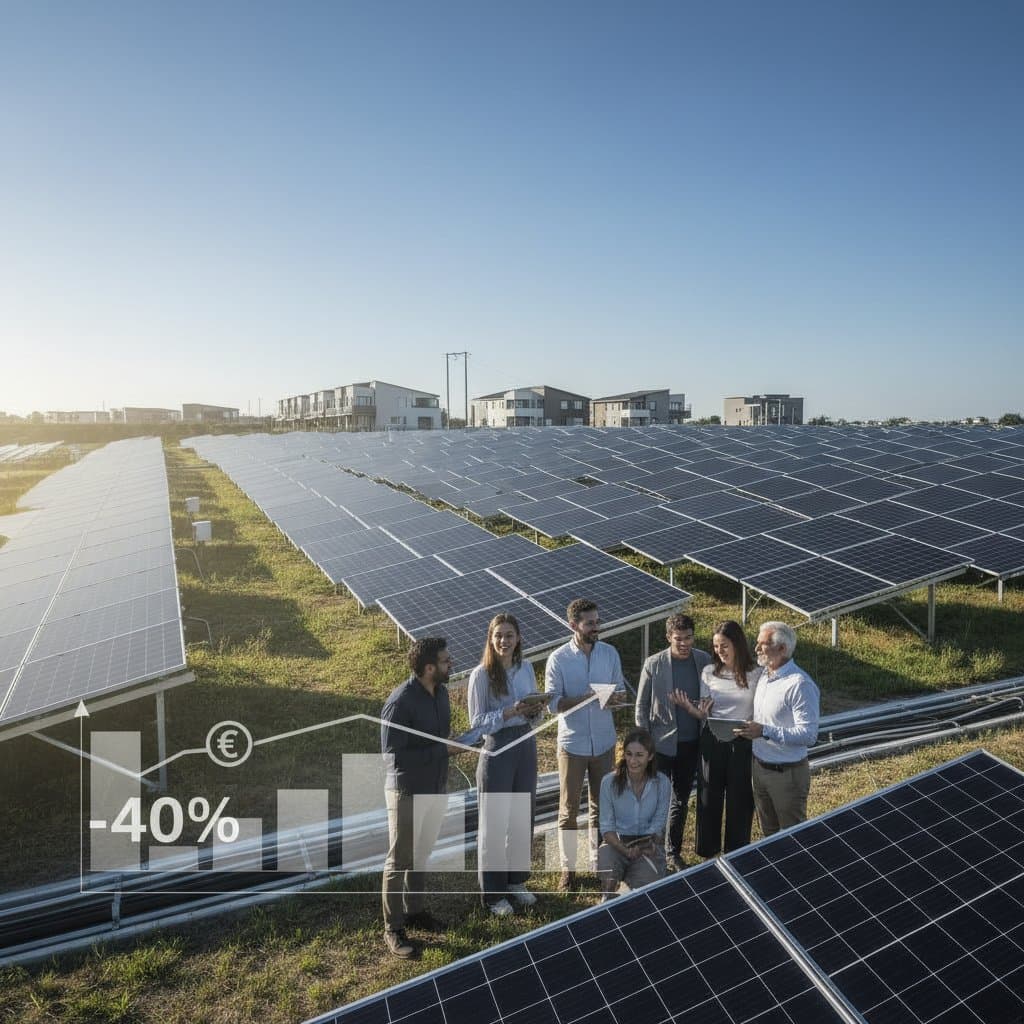
Community solar farms allow households and businesses to save up to 40% on electricity bills without installing rooftop panels. Subscribers receive bill credits via virtual net metering from offsite solar projects, fostering clean energy adoption and economic growth in local areas. This accessible model is expanding rapidly across the United States, reshaping energy access for all.
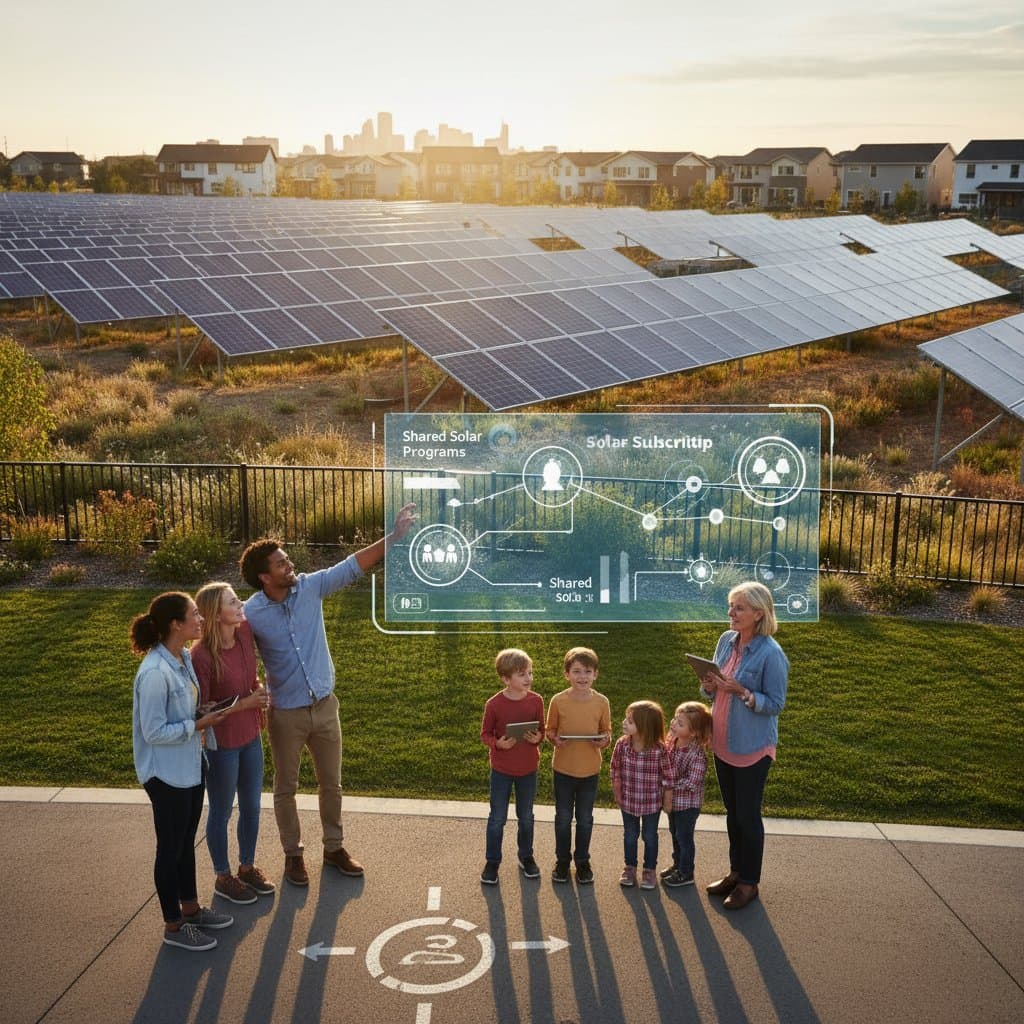
In 2026, community solar opens solar benefits to renters, businesses, and shaded-property owners via subscriptions to off-site arrays. Gain utility credits, cut costs, and advance clean energy without installations, promoting equity and growth.
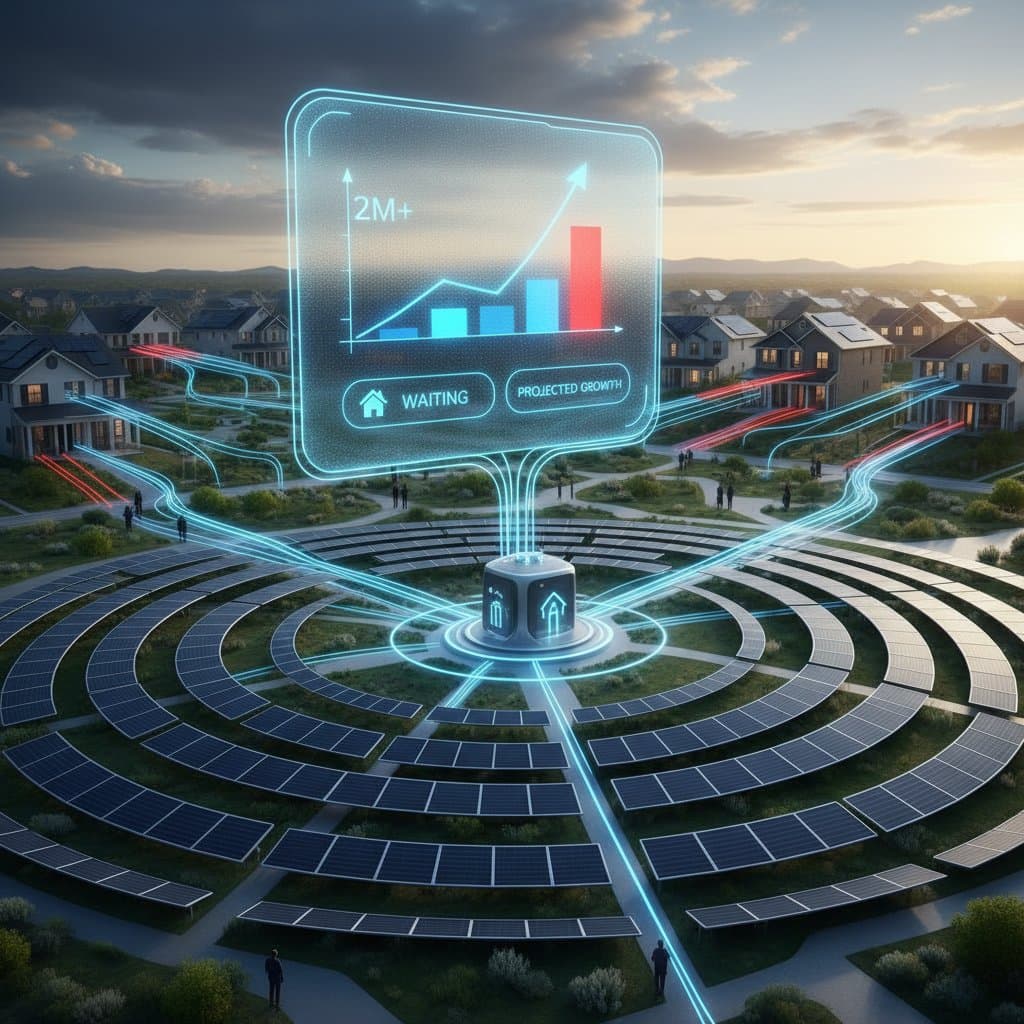
More than two million U.S. households queue for community solar amid booming demand that exceeds supply. Grid delays, varying state policies, and funding obstacles hinder projects, but rising interest points to significant future growth as systems improve.
Virtual net metering enables multiple customers to share benefits from a single solar array, broadening access for renters and small businesses. This approach distributes energy credits virtually, fostering community solar expansion, promoting fair clean energy involvement, and inspiring innovative business strategies. Robust policies and sophisticated metering systems drive wider implementation.
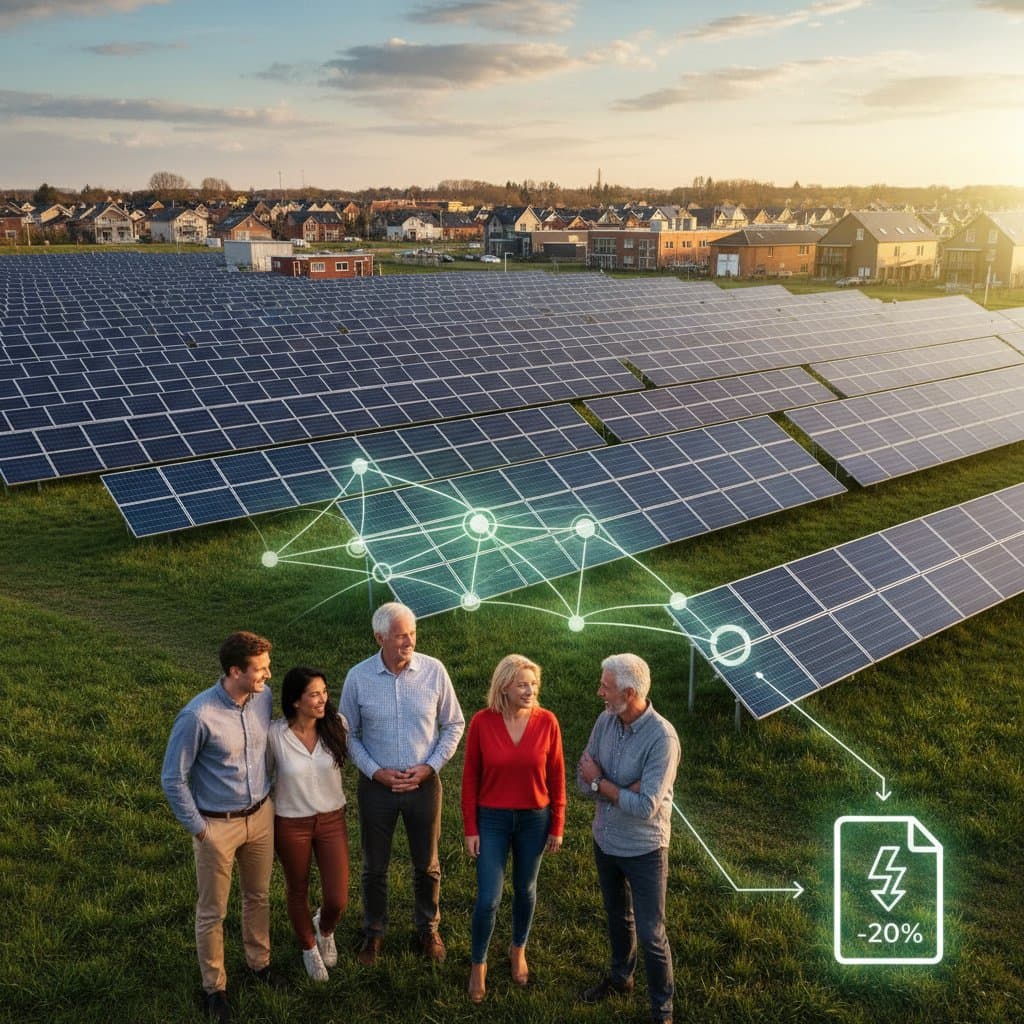
Community solar provides access to clean, affordable energy for all without the need for rooftop panels. Subscribers to shared solar farms receive bill credits that can save up to 20% on electricity costs. These programs offer flexibility for renters, homeowners, and businesses to lower expenses, decrease emissions, and promote local renewable energy initiatives.
More than two million U.S. households sit on waiting lists for community solar, as surging demand collides with grid limitations and regulatory hurdles. Projects grapple with interconnection delays, complex permitting, and financing obstacles. Strong backing exists, yet uneven policies and utility challenges hinder growth. Better alignment among stakeholders could release gigawatts of clean energy and broaden access to solar benefits across the country.
Virtual net metering opens solar energy benefits to entire communities by enabling shared access to renewable systems. Renters, homeowners, and others without suitable roofs can subscribe to off-site solar projects, receive bill credits, and contribute to a sustainable grid. This approach fosters collaboration, lowers costs, and promotes equitable clean energy adoption.
Community solar expands clean energy access by allowing renters, homeowners, and businesses to subscribe to nearby solar arrays, bypassing the need for personal rooftop systems. This approach delivers cost savings, ease of participation, and utility-backed support, positioning it for widespread adoption by 2026 across diverse communities.
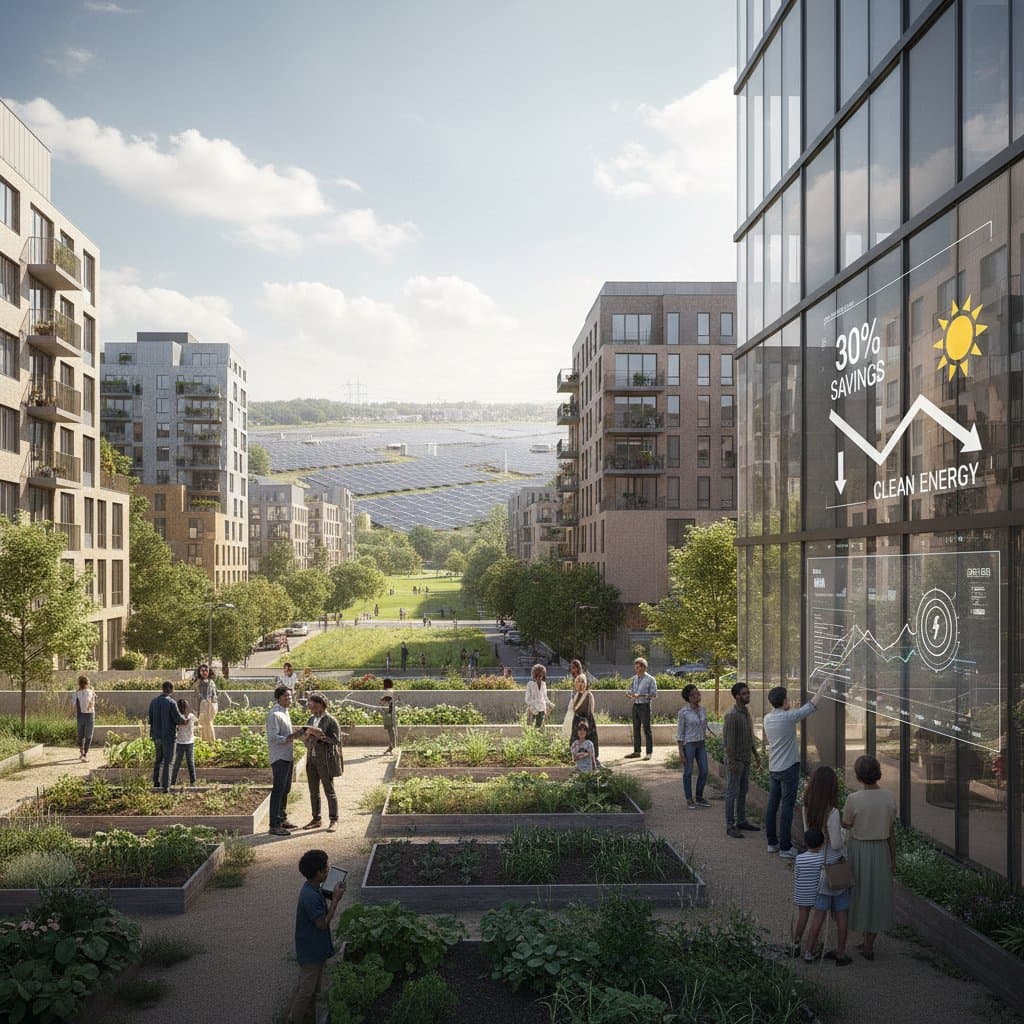
Community solar programs enable renters, homeowners, and businesses to cut electricity bills by up to 30 percent without installing rooftop panels. Subscribers gain credits from local solar farms, promoting clean energy adoption and emissions reductions. This maintenance-free option makes sustainable power accessible to all.
Shared solar is entering a new era, offering households and small businesses up to 40% savings on electricity. Improved technology, smarter policies, and transparent billing are turning community solar into a mainstream, equitable energy solution that empowers local participation, supports clean power, and finally delivers on its long-promised economic potential.
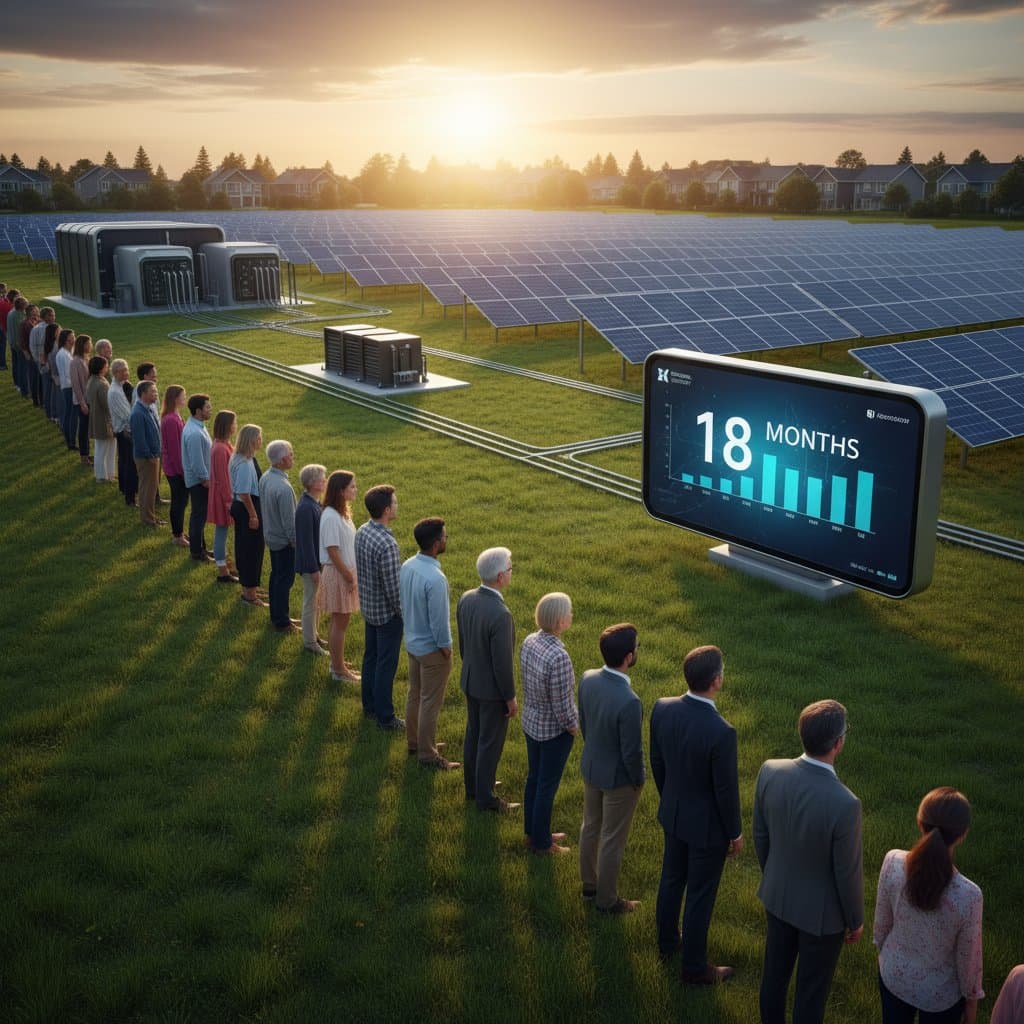
Community solar initiatives offer accessible renewable energy, yet surging interest combined with grid limitations result in waits exceeding one year for many participants.
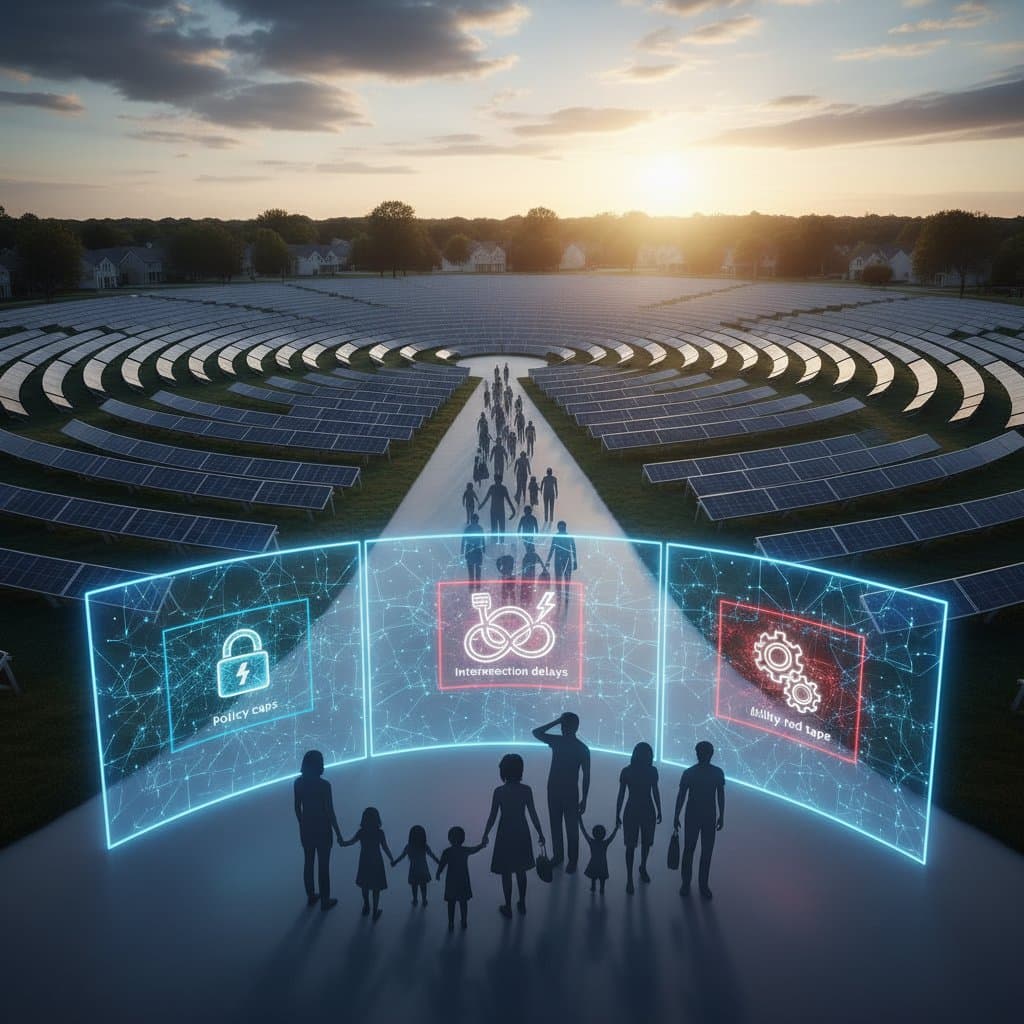
Fifty thousand families await community solar access, not from disinterest, but because policy limitations, interconnection delays, and utility procedures create significant barriers to this clean energy option.
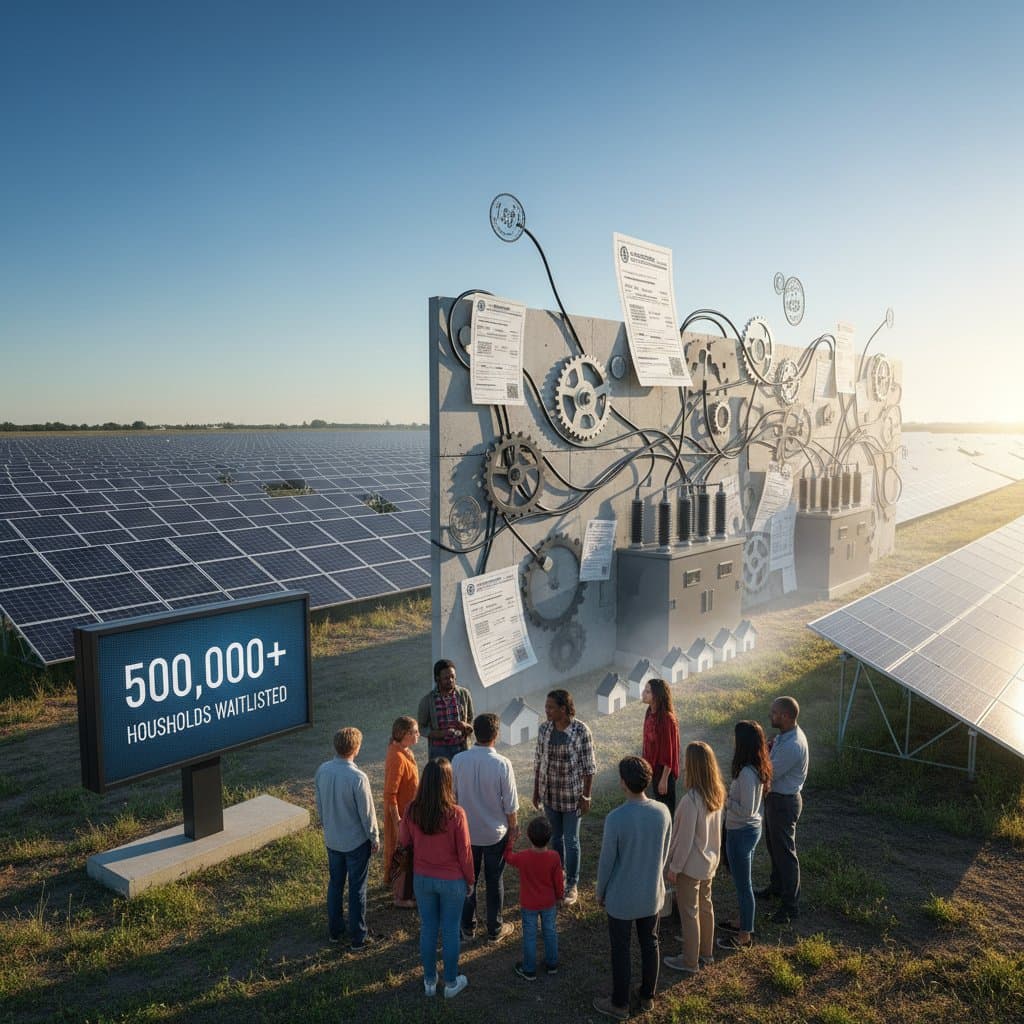
More than 500,000 U.S. households face waitlists for community solar subscriptions due to grid bottlenecks, permitting delays, and financing issues that hinder clean energy rollout. As demand surpasses available capacity, states confront urgent needs to expedite interconnections, secure incentives, and upgrade infrastructure, transforming this backlog into a key challenge for fair solar adoption.
In 2025, community solar revolutionizes clean energy access without the need for personal installations. Participants subscribe to off-site solar arrays, receive bill credits, and contribute to equity and affordability. Backed by policy advancements, technological innovations, and utility partnerships, this approach includes renters and shaded properties in a sustainable energy landscape.
Community solar expands clean energy access for renters, businesses, and homeowners through shared off-site projects. Backed by policies, innovative billing, and inclusive designs, it promotes affordability and equity. By 2025, this model fosters community connections to renewables, enhancing local investment, grid strength, and sustainable growth.
Community solar programs in 2025 open doors for renters to solar energy benefits. Simplified enrollment, clear billing, and policy advancements facilitate easy participation. Collaborations among developers, utilities, and housing organizations promote equitable access to clean energy, empowering renters as key players in the renewable transition.
Community solar programs enable renters to access renewable energy savings, reducing electricity bills by up to 15%. Subscribers receive bill credits from offsite solar arrays, offering flexibility and sustainability without the need for personal installations.
Community solar programs enable households and businesses to lower electricity costs by up to 15% without rooftop solar setups. Participants subscribe to off-site arrays for bill credits, promoting clean energy access, job creation, and emissions reductions through flexible, transparent options for all.
In 12 U.S. states, community solar subscribers endure average two-year waits as demand surges beyond grid and policy limits. Interconnection delays, capacity caps, and funding challenges hinder progress, frustrating users and straining developers. Updated regulations, clear utility reporting, and infrastructure investments offer keys to faster clean energy expansion and fairer solar participation.