#inverters

Articles tagged with inverters

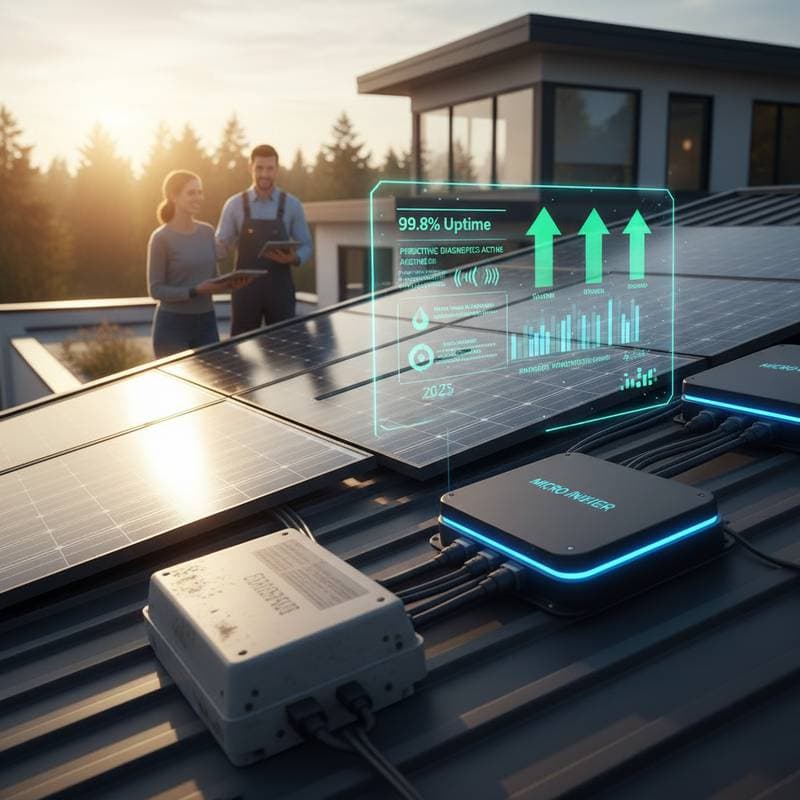
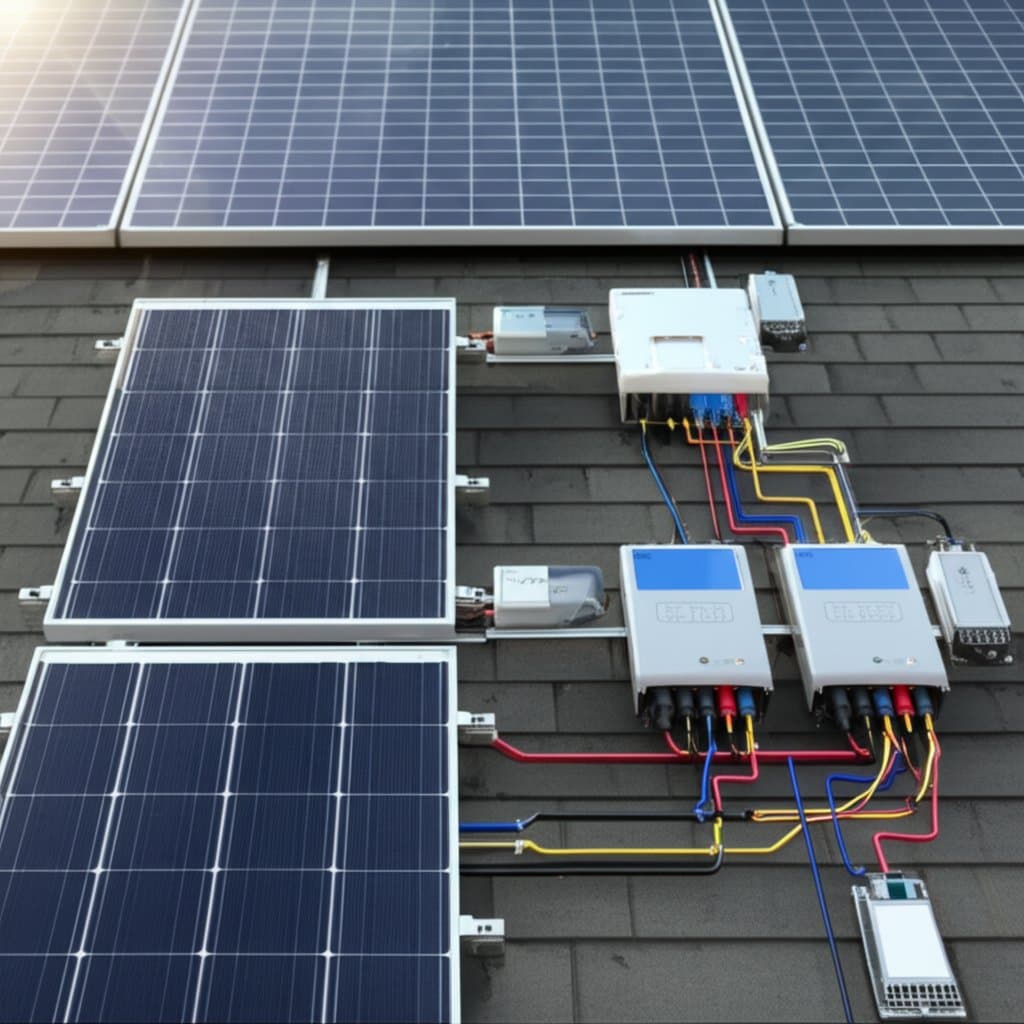
Featured image for Why Microinverters Beat String Inverters in Shade

Why Microinverters Beat String Inverters in Shade

Microinverters optimize solar panel performance in partial shade by managing each module independently, preventing shade from affecting the entire system. In contrast to string inverters, they ensure consistent output, superior reliability, flexible designs, and precise monitoring to maximize energy production and long-term value in challenging rooftop setups.

4 min read
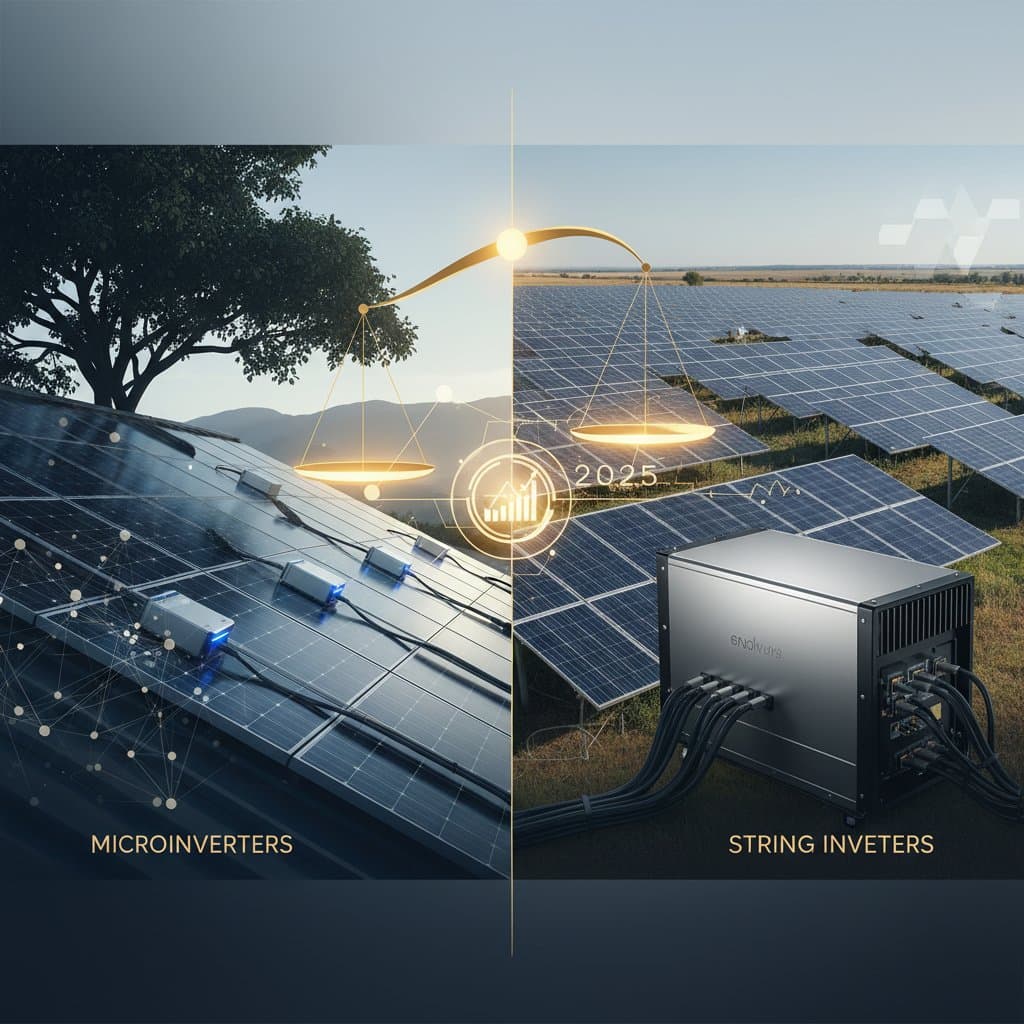
Featured image for Microinverter Prices Drop 12% as Cost Gap Narrows

Microinverter Prices Drop 12% as Cost Gap Narrows

Declining hardware prices and changing tariffs fuel a 2025 competition between microinverters and string inverters. As cost differences shrink, labor factors and U.S. manufacturing advances prompt installers to reassess strategies. Microinverters excel in residential reliability, while string inverters lead in commercial scale, yet cost balance nears sooner than anticipated.

6 min read
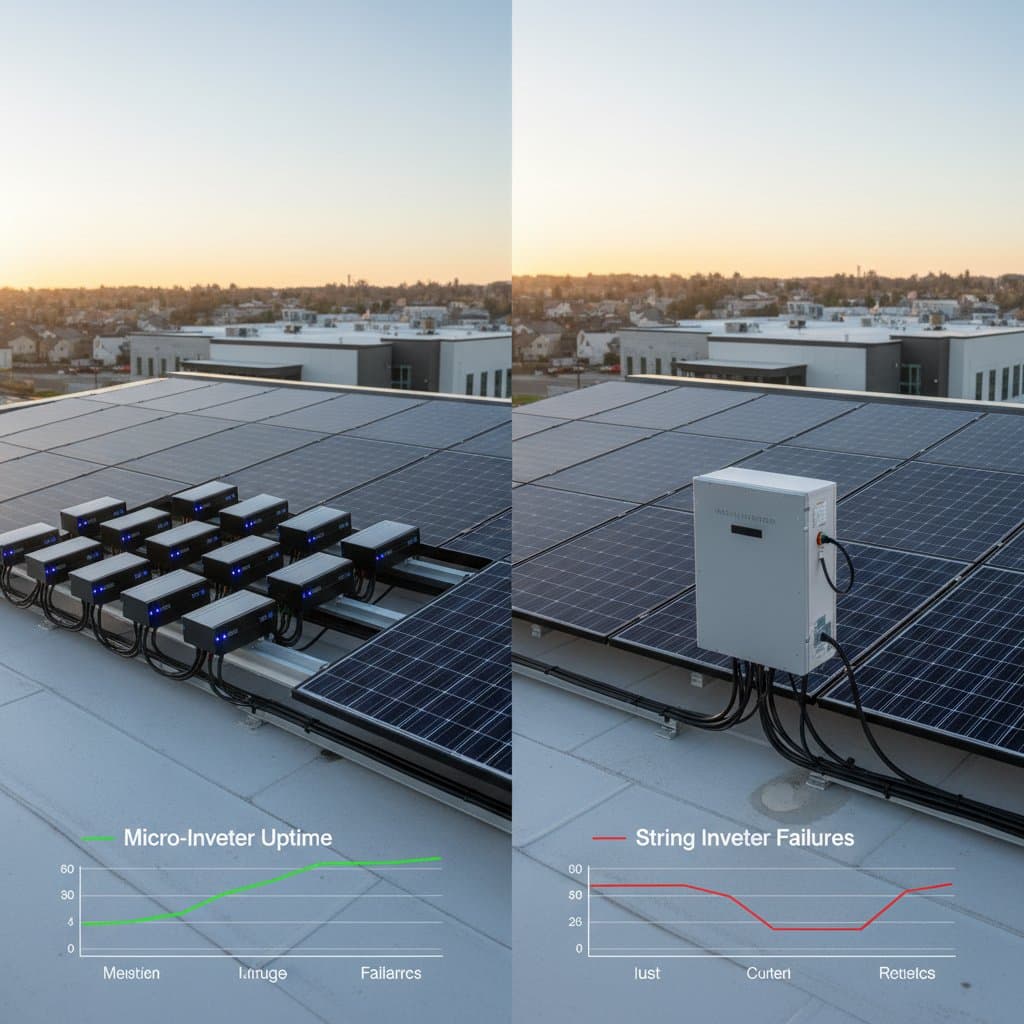
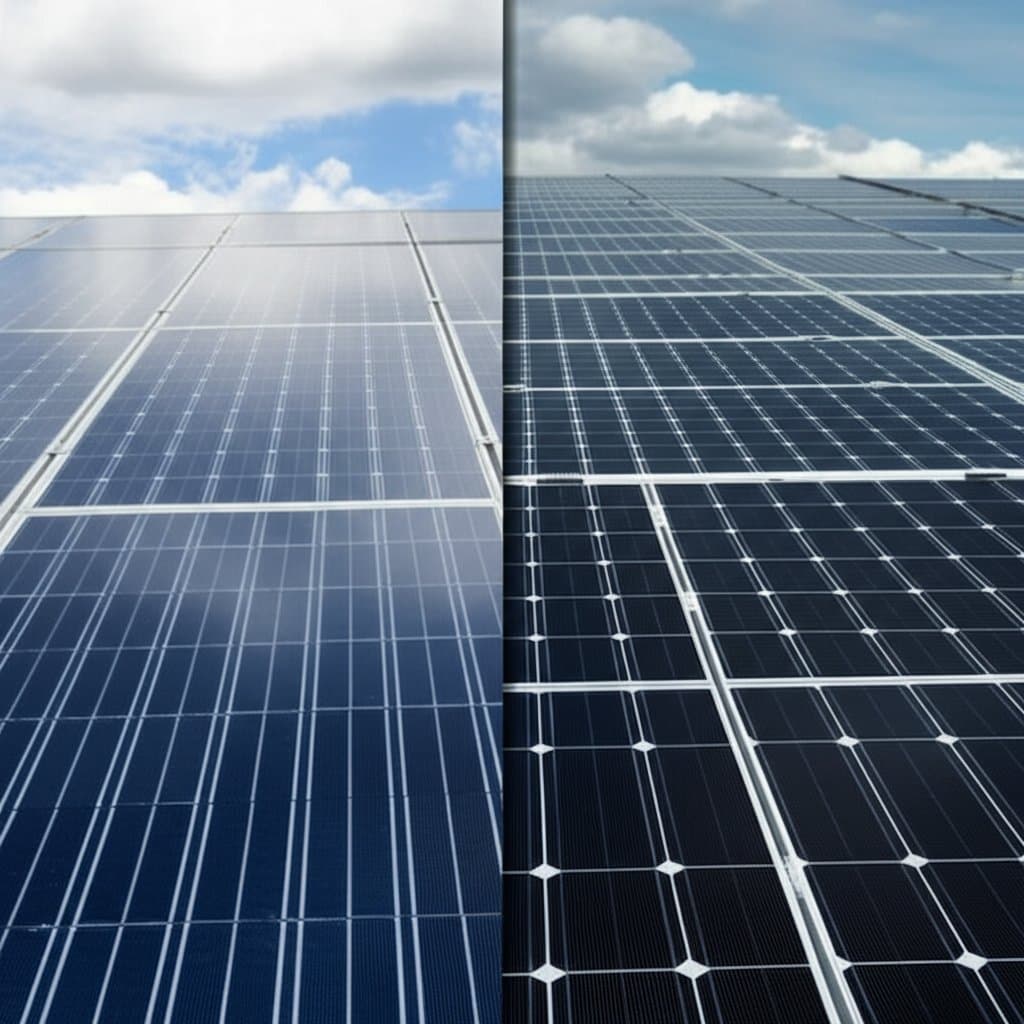
Featured image for Microinverters Hit 63% Market Share in 2025 Data

Microinverters Hit 63% Market Share in 2025 Data

2025 figures indicate microinverters have overtaken string inverters in U.S. residential solar setups, capturing 63% of the market. Advances in efficiency, monitoring, and reliability propel this change, despite higher initial prices. Installers benefit from energy boosts and long-term savings, fostering adaptable solutions for diverse roof types and environments.

5 min read
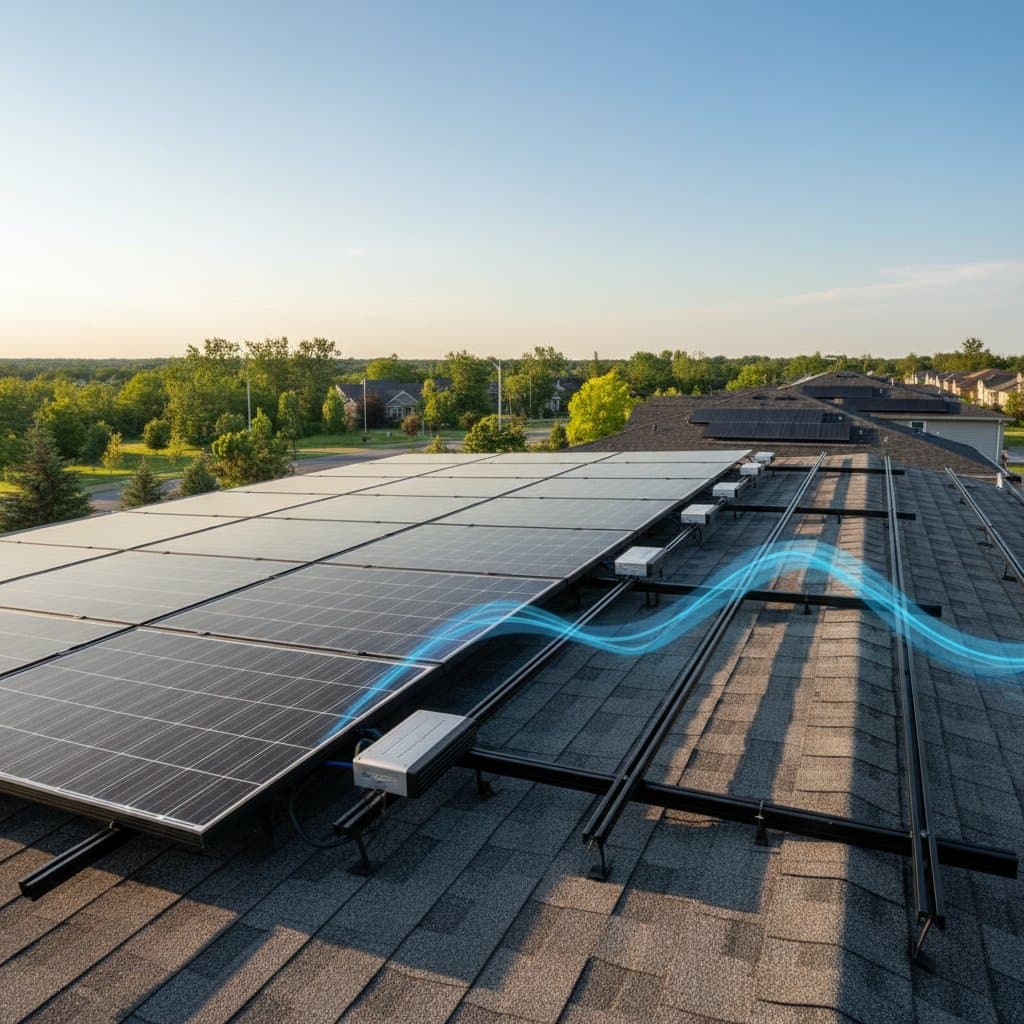
Featured image for Microinverters vs String Inverters: Lifespan Truth

Microinverters vs String Inverters: Lifespan Truth

Microinverters and string inverters both power solar systems, but their lifespans differ. Micros increasingly match panel longevity, while strings often need mid-life replacement. Costs, warranties, and installation quality all shape outcomes. Choosing wisely means balancing durability, upfront investment, and maintenance realities—ensuring decades of reliable solar energy production with minimal disruption.

6 min read