#string

Articles tagged with string

Featured image for Inverter Reliability Gap Closes as Field Data Shifts

Inverter Reliability Gap Closes as Field Data Shifts

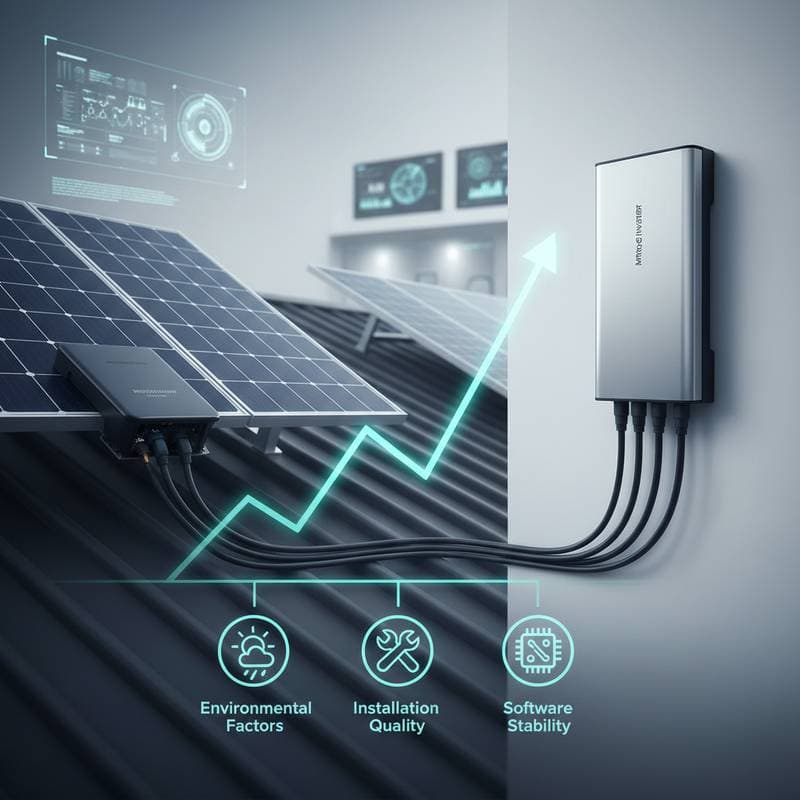
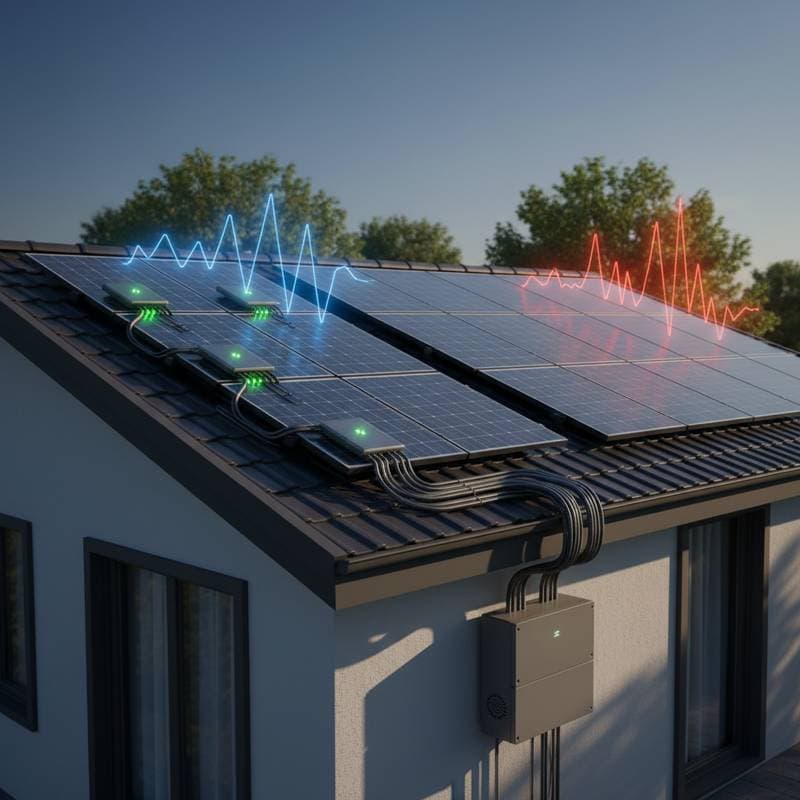
By 2026, field data indicates that the reliability gap between microinverters and string inverters has significantly narrowed. Both technologies now offer robust performance, with reliability influenced by environmental conditions, installation practices, and software stability. Thoughtful system design and ongoing maintenance emerge as essential for achieving long-term solar dependability.

4 min read
Featured image for Microinverters Claim 40% of Residential Solar Market

Microinverters Claim 40% of Residential Solar Market

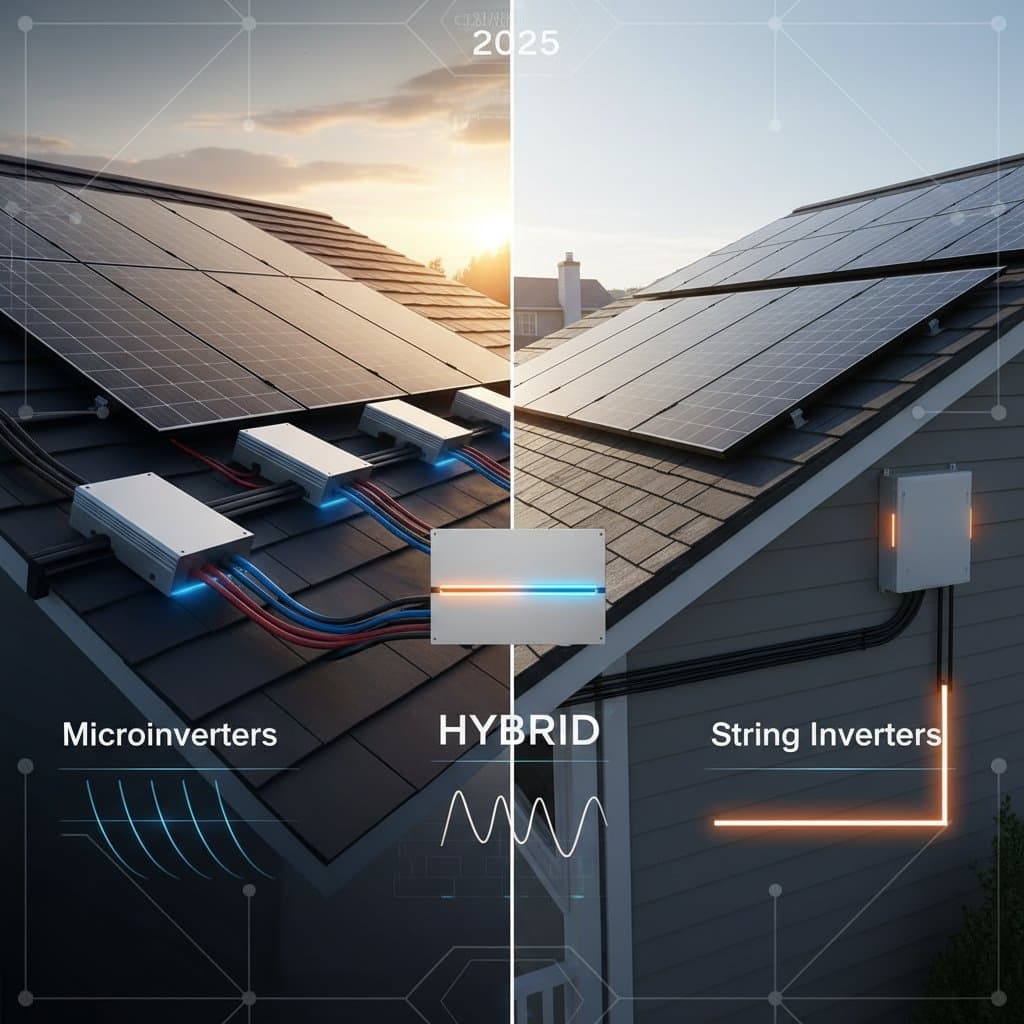
U.S. solar evolves with microinverters and string inverters vying for leads. Microinverters bring module-level optimization, adaptability, and extended warranties; string inverters ensure cost savings and easy servicing. Price drops, workforce shifts, and hybrid tech influence choices for residential, commercial, and utility solar in 2025.

5 min read
Featured image for Microinverters Show 80% Lower Failure Rate Than String

Microinverters Show 80% Lower Failure Rate Than String

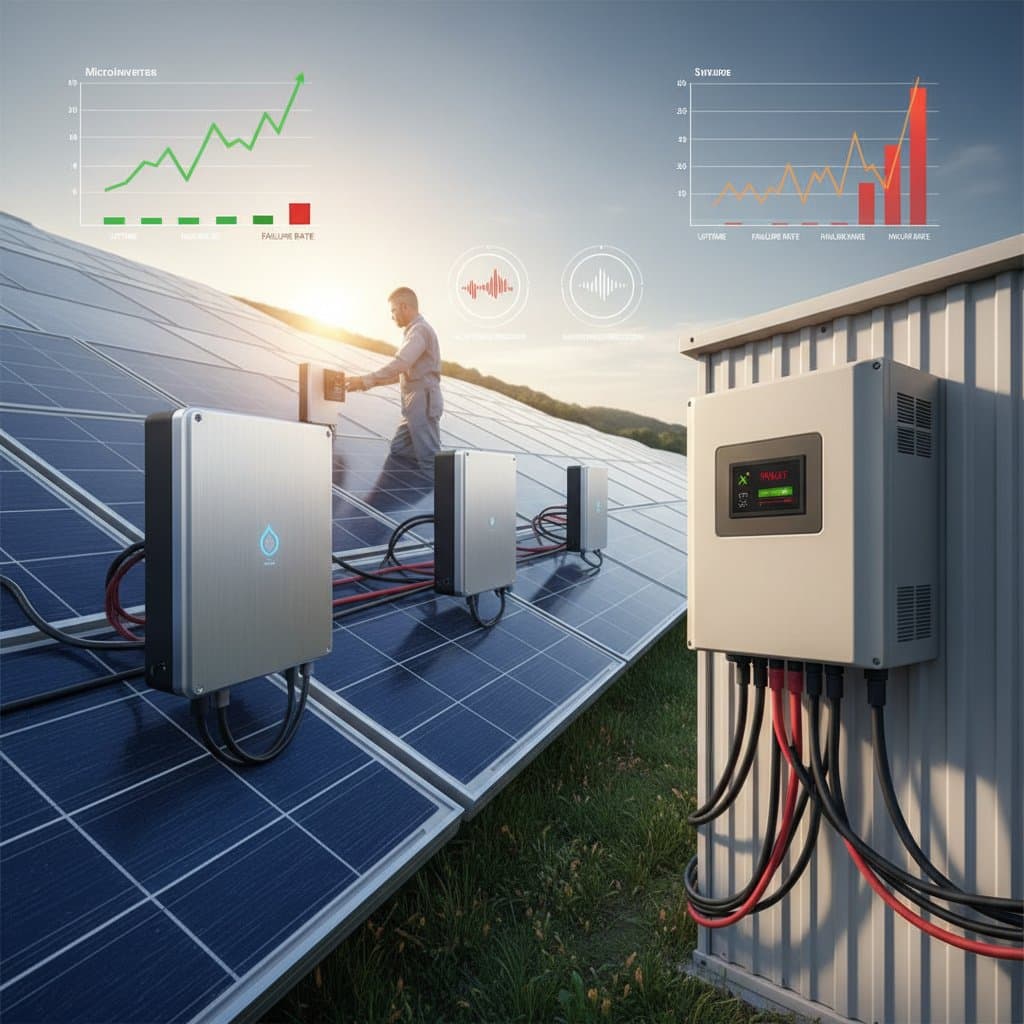
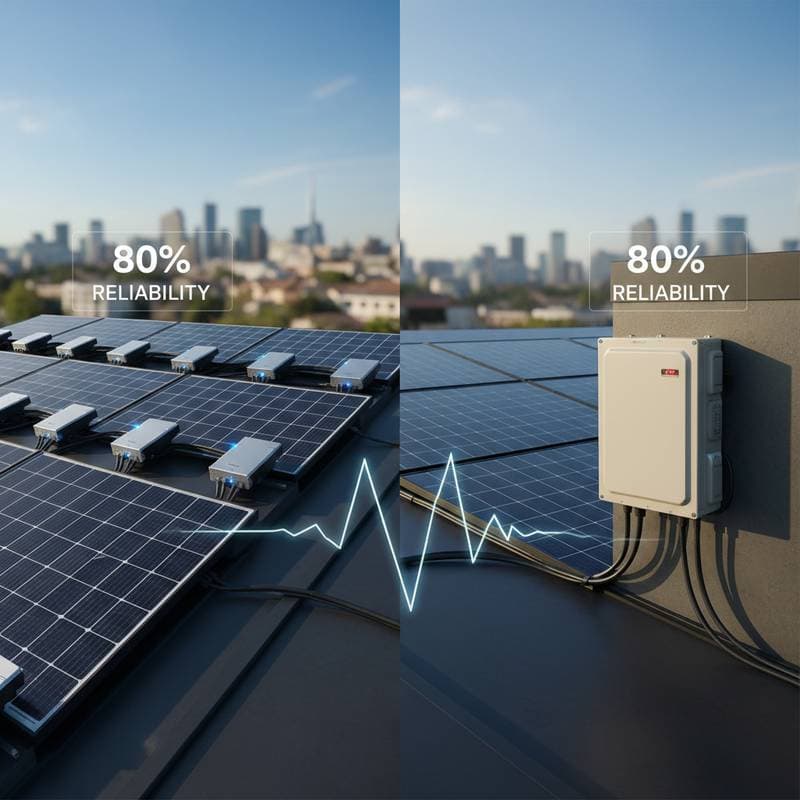
Recent 2025 data highlights microinverters' superior reliability over string inverters, with 80% lower failure rates and reduced downtime. Enhanced thermal management and predictive analytics position microinverters as leaders in residential solar, though advancing string designs and cost benefits sustain competitive dynamics for installers, investors, and manufacturers.

5 min read
Featured image for Why Microinverters Beat String Inverters in Shade

Why Microinverters Beat String Inverters in Shade

Microinverters optimize solar panel performance in partial shade by managing each module independently, preventing shade from affecting the entire system. In contrast to string inverters, they ensure consistent output, superior reliability, flexible designs, and precise monitoring to maximize energy production and long-term value in challenging rooftop setups.

4 min read
Featured image for Microinverter Prices Drop 12% as Cost Gap Narrows

Microinverter Prices Drop 12% as Cost Gap Narrows

Declining hardware prices and changing tariffs fuel a 2025 competition between microinverters and string inverters. As cost differences shrink, labor factors and U.S. manufacturing advances prompt installers to reassess strategies. Microinverters excel in residential reliability, while string inverters lead in commercial scale, yet cost balance nears sooner than anticipated.

6 min read
Featured image for Why Microinverters Are Safer for DIY Solar Installs

Why Microinverters Are Safer for DIY Solar Installs

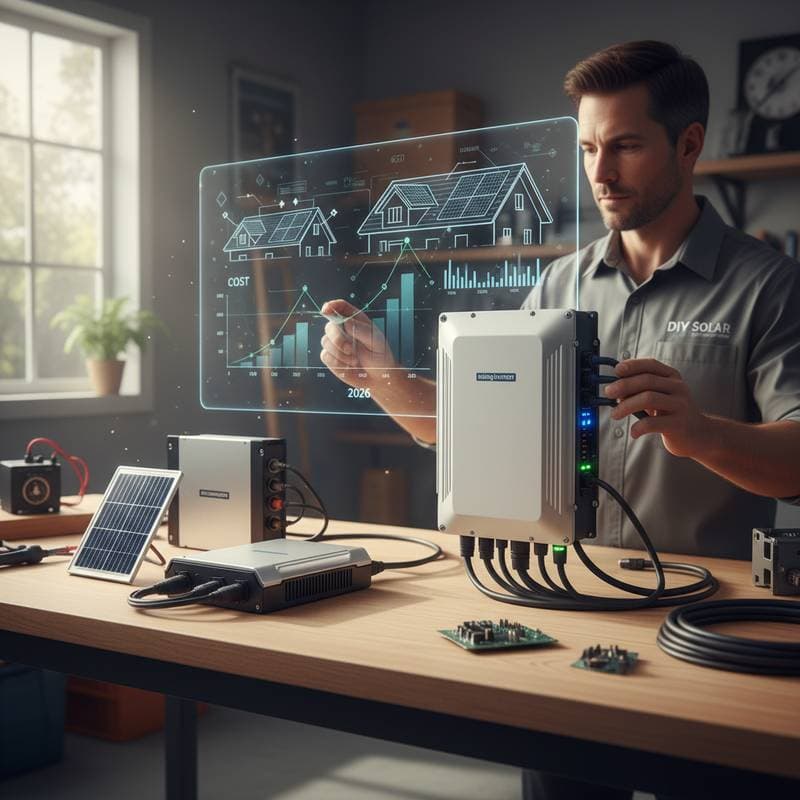
Selecting between microinverters and string inverters shapes the safety, efficiency, and straightforward nature of a DIY solar project. Microinverters provide reduced voltage exposure, simplified wiring, and individual panel oversight, whereas string inverters offer initial savings. Discover the choice that best integrates safety, output, and enduring benefits for self-installed rooftop solar systems.

5 min read
Featured image for Microinverters Hit 63% Market Share in 2025 Data

Microinverters Hit 63% Market Share in 2025 Data

2025 figures indicate microinverters have overtaken string inverters in U.S. residential solar setups, capturing 63% of the market. Advances in efficiency, monitoring, and reliability propel this change, despite higher initial prices. Installers benefit from energy boosts and long-term savings, fostering adaptable solutions for diverse roof types and environments.

5 min read
Featured image for Microinverters vs String Inverters: Lifespan Truth

Microinverters vs String Inverters: Lifespan Truth

Microinverters and string inverters both power solar systems, but their lifespans differ. Micros increasingly match panel longevity, while strings often need mid-life replacement. Costs, warranties, and installation quality all shape outcomes. Choosing wisely means balancing durability, upfront investment, and maintenance realities—ensuring decades of reliable solar energy production with minimal disruption.

6 min read