Virtual Net Metering Unlocks Solar for Renters and Businesses
Virtual net metering distributes credits from shared solar arrays to multiple subscribers, giving renters and businesses access to clean energy savings through standard utility bills.
Loading...
Articles tagged with net
Virtual net metering distributes credits from shared solar arrays to multiple subscribers, giving renters and businesses access to clean energy savings through standard utility bills.
Virtual net metering enables multiple customers to share benefits from a single solar array, broadening access for renters and small businesses. This approach distributes energy credits virtually, fostering community solar expansion, promoting fair clean energy involvement, and inspiring innovative business strategies. Robust policies and sophisticated metering systems drive wider implementation.
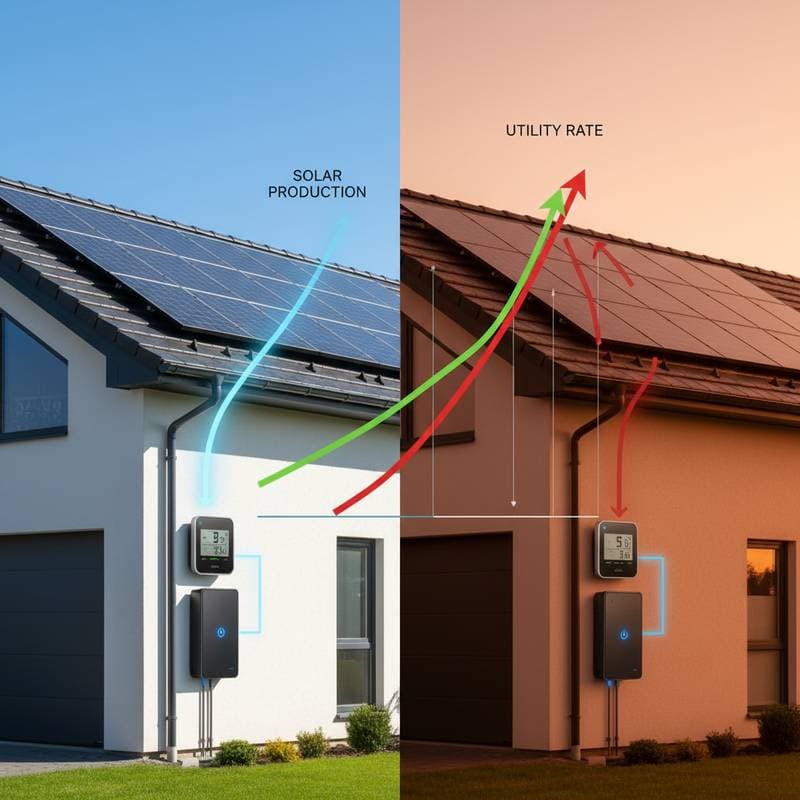
Utilities reshape time-of-use (TOU) rates to sideline solar customers, moving peak hours beyond daylight to slash export credits and lengthen payback times.
Virtual net metering opens solar energy benefits to entire communities by enabling shared access to renewable systems. Renters, homeowners, and others without suitable roofs can subscribe to off-site solar projects, receive bill credits, and contribute to a sustainable grid. This approach fosters collaboration, lowers costs, and promotes equitable clean energy adoption.
As U.S. states phase out traditional net metering policies, the solar industry confronts major shifts in energy compensation, project financing, and customer adoption rates. California's move to net billing exemplifies broader trends, while Midwest fixed charges and Southeast time-of-use reforms signal a new era for distributed solar economics. Installers and investors must navigate these changes to capitalize on emerging opportunities in storage and dynamic pricing.
Rising U.S. solar tariffs over 30% are transforming project economics, compressing installer margins, and prompting a rush toward domestic components. This analysis covers mounting system pressures, policy interactions, and essential steps for maintaining transparency and competitiveness in the evolving solar market.
Time-of-use rates alter solar economics by valuing midday power less and evening usage more, diminishing export credits. Homeowners can counter this through targeted energy shifts, battery integration, and system tweaks to sustain strong returns on solar setups.
Utilities implement stricter time-of-use (TOU) rates, which increase evening electricity costs and diminish daytime credits for solar users. These adjustments challenge traditional savings models and emphasize the need for advanced energy management and battery integration. Key approaches include mastering TOU dynamics, refining consumption habits, and leveraging storage to sustain solar benefits and profitability.
Time-of-use rates are transforming the financial landscape for rooftop solar in the United States. From California's high evening peaks to Arizona's demand charges and the Southeast's intricate tariffs, these evolving structures chip away at solar economics. Home battery systems stand out as a vital strategy, allowing owners to restore value against utility pricing pressures.
Utilities across the United States are revising net metering policies, which reduces credits for excess solar energy from homeowners. These adjustments challenge the financial benefits of rooftop solar installations and alter industry dynamics. Review your current rates promptly, as policy changes accelerate and awareness of export credits helps safeguard investments and preserve savings.
Time-of-use rates are altering the financial benefits of rooftop solar by aligning peak prices with low-production hours. Utilities employ this approach to manage grid demands, yet it often undermines solar economics and hampers widespread adoption.
Utilities increasingly implement time-of-use rates, which diminish solar savings due to a mismatch between peak generation and high-cost periods. Transitioning from net metering to time-based credits lowers export values, spurring adoption of batteries, intelligent controls, and optimized panel orientations. Aligning solar output with demand patterns remains essential for preserving financial benefits.
California's NEM 3.0 policy reduces solar export credits by up to 75 percent, influencing other states to evaluate comparable reforms. Installers adapt by integrating storage solutions and advanced energy management, while policymakers navigate the tension between grid expenses and solar expansion to shape the future of distributed energy across the United States.
Twelve states have reduced solar credits, altering the financial benefits for rooftop solar owners. These policy shifts extend payback timelines, introduce new fees, and prompt a move toward batteries and self-use. Homeowners now face higher grid reliance costs, but targeted adjustments can preserve energy independence.
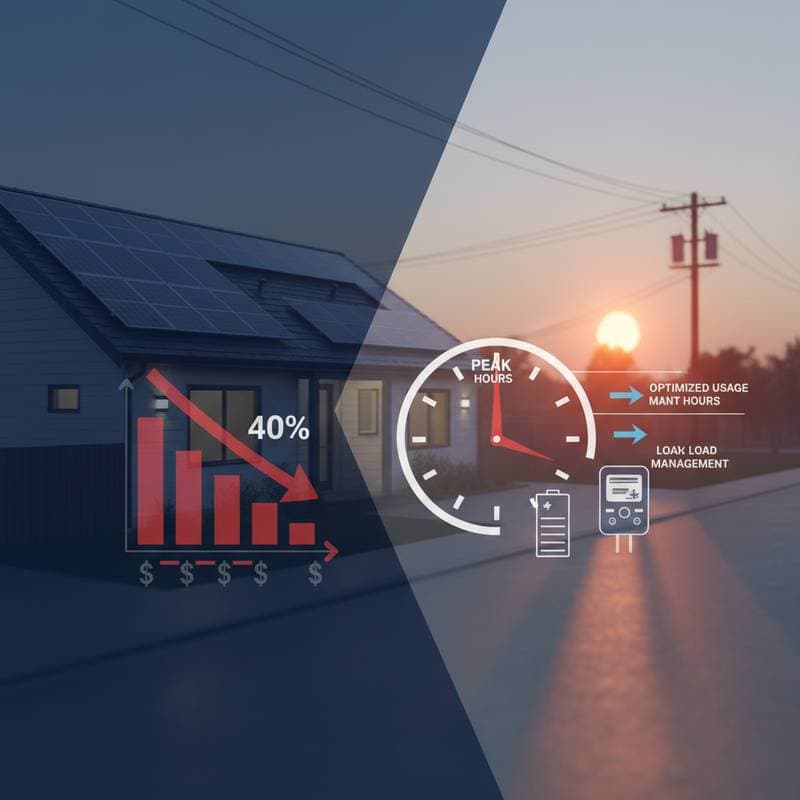
Time-of-use electricity rates are transforming solar economics by reducing savings up to 40 percent as utilities adopt time-based pricing. Peak demand charges clash with solar's midday output, squeezing returns for homeowners and businesses. Essential tactics, including battery storage, west-facing panels, and smart load shifting, help restore value in this shifting landscape.
Net metering policies face significant changes as states reduce solar export credits and utilities introduce value-of-solar models. California's reforms have accelerated solar-plus-storage trends across the nation. These evolving regulations signal a transformation in the rooftop solar sector, influencing equity, revenue models, and the distributed energy grid.
Utilities across the United States adjust time-of-use (TOU) rates to diminish solar energy savings by aligning peak pricing with low solar production periods. This practice raises concerns about clean energy viability, yet solutions such as battery storage and intelligent load management offer effective countermeasures as state policies evolve.
Major U.S. utilities are altering solar economics via time-of-use (TOU) rates, which diminish midday export credits and elevate evening prices. Spanning California to Florida, these changes prolong payback times, drive demand for expensive batteries, and fuel discussions on equity, grid health, and rooftop solar growth.
Solar returns depend on more than panels; rate designs drive success. Explore how time-of-use pricing and net metering impact payback, with Salt River Electric leading through balanced peaks, fair credits, and rollover options for quicker recovery.
Twelve U.S. states will reduce solar export credits in 2025, altering the economics of rooftop solar systems. These net metering adjustments extend payback periods and boost battery storage demand, marking a transition to more efficient energy practices and innovative solar solutions.