
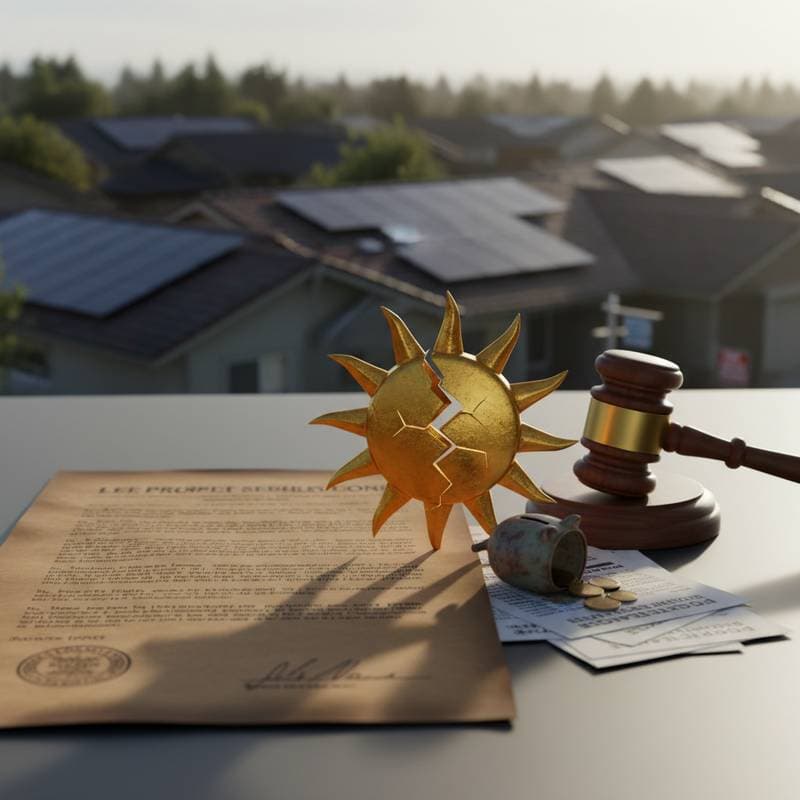
Unraveling the PACE Solar Financing Dilemma
Property Assessed Clean Energy (PACE) programs emerged as a beacon for widespread solar adoption. These initiatives allowed homeowners to fund installations without initial outlays, spreading costs via property tax additions. Yet, this mechanism has ensnared participants in prolonged legal disputes and financial strain.
Experts tracking PACE since its inception note a recurring cycle. Municipalities establish financing districts, often with input from lenders and environmental groups. Installers promote upgrades as seamless, yet the debt's attachment to the property rather than the owner sows widespread misunderstanding and litigation.
Core Mechanics of PACE Financing
PACE operates by adding the solar system's cost as a special assessment to property taxes. Local authorities collect these payments and forward them to lenders, securing the debt against the home itself. Proponents argued this setup ensured energy upgrades could offset costs through reduced bills and elevated property values, with the obligation passing to future buyers.
In practice, discrepancies abound. Homeowners frequently encounter elevated interest rates surpassing standard loans. Utility savings often fall short of the increased tax load, and prospective buyers hesitate over inherited assessments that inflate annual taxes by hundreds or thousands of dollars.
Escalating Legal Challenges
Lawsuits proliferate in states like California and Florida, where class actions target PACE providers for misleading promotions. Homeowners allege omissions regarding repayment details or the lien's precedence over primary mortgages. Court records reveal contracts with ambiguous phrasing, where installers downplayed risks to secure agreements.
Judicial reviews intensify scrutiny on marketing tactics. Regulatory bodies contend that PACE resembles unregulated private loans more than public programs, bypassing key borrower safeguards. This gap exposes individuals to rigid municipal enforcement and aggressive recovery efforts without typical recourse options.
Solar Installers' Precarious Position
The solar sector views PACE with ambivalence. It spurred rapid market expansion initially, boosting installations nationwide. However, flawed implementations—hasty projects, opaque explanations, and inflated pricing—damaged reputations for ethical providers.
Numerous installers now decline PACE involvement, citing enduring backlash over transient gains. Forward-thinking firms pivot to collaborations with credit unions or green banks, emphasizing fixed-rate unsecured loans with explicit terms and robust disclosures. This evolution favors models akin to conventional home equity financing, prioritizing clarity over complexity.
Real-Life Impacts on Homeowners
Families bear the brunt of these systemic flaws. Delinquent tax payments from PACE burdens have precipitated foreclosures, stripping homes from owners who sought sustainability. Persistent liens hinder refinancing, locking individuals into unfavorable terms amid rising rates.
Personal accounts underscore the betrayal. One homeowner described signing for modest monthly increases, only to face assessments doubling their tax bill. Such experiences erode faith in green initiatives, highlighting the need for ethical evolution in energy finance.
Charting Sustainable Financing Paths Forward
Restoring confidence demands straightforward solar funding options. Lenders must integrate plain-language contracts and mandatory education sessions to demystify obligations. Policymakers can enforce uniform standards, ensuring assessments align with verifiable savings projections.
By focusing on equitable structures, the industry can align environmental progress with homeowner security. Evaluate financing proposals against long-term affordability before committing. This balanced approach sustains solar's momentum while protecting those driving the transition.