
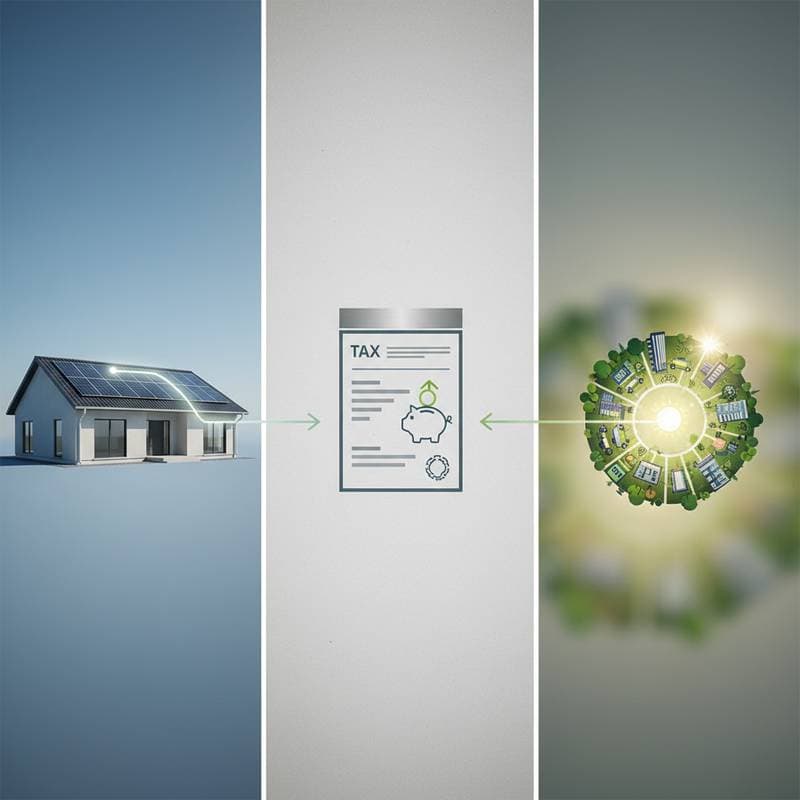
Get Zero-Down Solar Paid Through Property Taxes
Homeowners seek practical methods to install solar panels without large initial outlays. Property Assessed Clean Energy financing, known as PACE, enables repayment through the property tax bill. This approach removes upfront barriers and ties obligations to the property itself.
PACE programs expand renewable energy access in residential and small commercial settings. They support stable cash flow while advancing local sustainability targets.
How the Financing Structure Operates
A government-approved program supplies funds for solar installations. Owners repay the amount as an added assessment on their tax bill. The lien stays with the property, so subsequent owners inherit the remaining balance upon sale.
This model bypasses traditional credit checks for personal loans. Many participants start saving on utility bills right after installation. Local governments partner with private lenders to administer the programs and maintain oversight.
Advantages for Property Owners
Several features distinguish PACE financing:
- Zero initial payment covers the full project cost at installation.
- Fixed assessments spread over 15 to 25 years match system lifespan.
- Transferable terms reduce risk when selling the home.
- No personal debt appears on credit reports.
- Energy cost reductions often offset the added tax amount.
- Local contractors gain work from increased project volume.
Integration With Property Taxes
After verification, the project cost becomes a permanent line on the tax record. Payments occur with regular tax installments, eliminating separate billing. Lenders accept the senior lien position, which supports favorable rates.
Owners manage one consolidated obligation rather than multiple accounts. Collection through established tax channels provides reliable repayment security.
Participation Requirements
Programs operate only in authorized jurisdictions. Owners must meet basic criteria such as current tax status, sufficient equity, and compliance with technical standards. Contractors must register with the program to handle installations.
Process to Begin Installation
- Check local government resources for program status and rules.
- Engage a registered contractor for site evaluation.
- Review the proposed system design and financing terms.
- Complete documentation and schedule work.
- Pass final inspection to activate the tax assessment.
- Receive energy production while repaying through taxes.
Regulatory Safeguards
States impose disclosure rules, contractor standards, and cost limits. Homeowners receive written details on total repayment and transfer implications. These measures reduce the chance of misunderstandings or inflated pricing.
Alternative Financing Paths
Solar loans require credit approval and produce monthly bills separate from taxes. Leases shift ownership to a third party in exchange for electricity payments. Cash purchases avoid interest yet demand available capital upfront. PACE suits owners who value tax-integrated repayment and ownership retention.
Key Factors to Review
Confirm mortgage lender acceptance of the assessment before proceeding. Compare total interest and fees across available programs. Discuss sale implications with real estate advisors to set buyer expectations.
Market Effects and Next Actions
PACE drives demand for installation services and supports higher property values in participating areas. Communities experience steadier grid loads as adoption grows.
Property owners ready to proceed should verify program availability in their county and consult registered contractors for tailored proposals.