
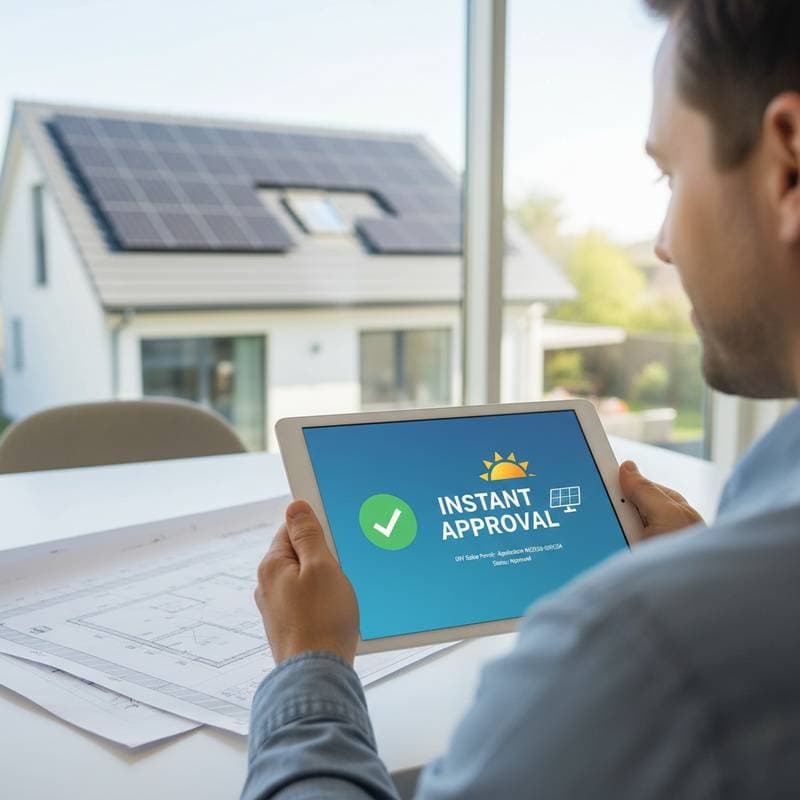
Instant Online Approvals Transform DIY Solar Permitting
Residential solar adoption surges as homeowners pursue energy autonomy and enduring cost reductions. For do-it-yourself enthusiasts, local permitting often poses the primary barrier. Inconsistent rules, prolonged waits, and hands-on reviews have hindered countless modest solar initiatives across the country. Emerging digital platforms alter this landscape through automated evaluations and rapid approvals, compressing project schedules significantly.
United States municipalities and tech innovators collaborate to update rooftop solar permitting. Policy mandates and consumer needs fuel this evolution, fostering reliable conditions for homeowners and independent installers.
Evolution in Residential Permitting Processes
Prior to digital advancements, applicants endured weeks-long waits for solar permit decisions. Building offices demanded repeated adjustments, physical documents, and site appearances. Varying local standards complicated electrical schematics and load assessments.
Current digital solutions unify these procedures. Users submit designs, undergo automated code validations, and secure prompt approvals. Initial trials, backed by federal labs and trade groups, sparked this change. Municipalities now embrace it for substantial time and budget efficiencies.
A Solar Energy Industries Association study reveals that almost 20 percent of recent home solar setups utilize online permitting. Projections indicate rapid expansion as additional urban areas implement these streamlined methods.
Mechanics of Automated Solar Permitting
These platforms employ predefined templates and embedded regulations aligned with regional codes. Upon data entry, software assesses elements like array arrangements, inverter capacities, cabling setups, and roof integrity. Compliant submissions yield official approval files recognized by authorities.
SolarAPP+ exemplifies this approach, arising from joint efforts by research entities and sector leaders. It embeds into local portals for seamless checks on wiring standards, load-bearing capacities, and fire protocols. Passing reviews enable immediate progression to setup.
"Automated permitting delivers predictability and clarity," notes Kelly Thomas, permitting manager at SunBright Solar in Arizona. "For systems below 15 kilowatts, approvals arrive in hours rather than weeks."
Advantages for Independent Solar Installers
Self-guided solar buyers form an expanding niche. They select prefabricated packages featuring panels, microinverters, and mounts suited to common roofs. These assemblies prioritize safety and adherence when executed properly, though documentation has deterred solo efforts.
Automation closes this divide. Participants handle submissions digitally by inputting gear details, attaching roof visuals or photos, and following structured prompts for accuracy. Algorithms mimic expert scrutiny at accelerated speeds.
Benefits extend past velocity. Real-time alerts permit pre-submission fixes, minimizing denials. Electronic archives aid on-site verifications, as examiners review digital blueprints effortlessly. For officials, it lightens administrative loads while upholding uniform safety measures.
"Bureaucracy, not innovation, constrained DIY solar," observes Maria Evans, product director at PowerReview Systems. "Municipalities saw they could preserve oversight and slash durations, spurring widespread use."
Standardization in Equipment and Mounting
Automated success hinges on uniform components and reliable methods. Contemporary kits incorporate validated mounts and inverter pairings certified nationally. Grounded, preconfigured rails ease structural and on-site evaluations.
Producers craft self-installer attachments with comprehensive engineering records, which software cross-references. Options like screw-in anchors or leak-proof bases bypass bespoke designs, permitting algorithmic load confirmations.
UL listings or parallels guarantee integration with digital repositories. Recognized items pull verified data, avoiding manual inspections. This uniformity accelerates endorsements.
Municipal Adoption for Greater Efficiency
Cities implementing automation document sharp declines in handling durations. Certain areas process minor home solar requests within hours. Officials highlight enhanced precision and diminished rework.
Early implementation data shows review periods shortened by up to 90 percent. Personnel redirect efforts to inspections and regulation refinements. Backlogs shrink, benefiting diverse applicants beyond solar pursuits.
"Initial reservations faded with outcomes," shares Thomas Nguyen, chief building official in a California city. "Automation excels at routine validations. Installations arrive neater, and residents report higher satisfaction."
Streamlining Utility Interconnections
Permitting forms just one stage; utility linkages present another hurdle. Select platforms now connect with utility records to expedite this phase.
Post-approval, systems alert providers to validated configurations, prompting timely meter adjustments or checks sans paper trails. Pilot programs in various states synchronize departmental and utility assessments.
Such synergies aid compact setups under 10 kilowatts, prevalent in DIY scenarios. Combining approvals and connections trims overall timelines from weeks to days.
Impacts on Financing and Market Dynamics
Accelerated processes yield tangible commercial gains. Kit vendors experience swifter collections and elevated client approval. Lenders advance funds promptly upon clearance.
Enterprises construct operations around these tools. E-commerce sites provide pre-approved bundles with embedded reviews. Buyers select, transact, and obtain permits swiftly, democratizing access for novices.
Market watchers anticipate pricing shifts. Lower overheads enable competitive bids from independents. Over time, administrative expenses, a key cost driver, may decline industry-wide.
Addressing Hurdles in Implementation
Automation lacks full reach; some areas cling to outdated protocols mandating human oversight. System merges prove intricate in locales with bespoke codes or antiquated tech.
Proper usage demands vigilance. Approvals do not substitute skilled execution; field checks confirm quality and adherence. Education and resources prove vital.
Data protection arises as a priority. Platforms housing property specifics require robust security. Providers stress secure storage and access controls to mitigate risks.
Accelerating Home Solar Through Digital Innovation
Solar permitting upgrades mark a tangible advance in broadening home adoption. Independent installers shed major process ambiguities. Rapid responses and uniform evaluations propel projects forward efficiently.
Experts foresee nationwide standardization as uptake rises, drawing in suppliers, builders, and funders previously sidelined by complexity. For aspiring rooftop solar owners, barriers dissolve. Digital platforms convert protracted routines into afternoon tasks, with ongoing municipal integrations promising even broader access.