
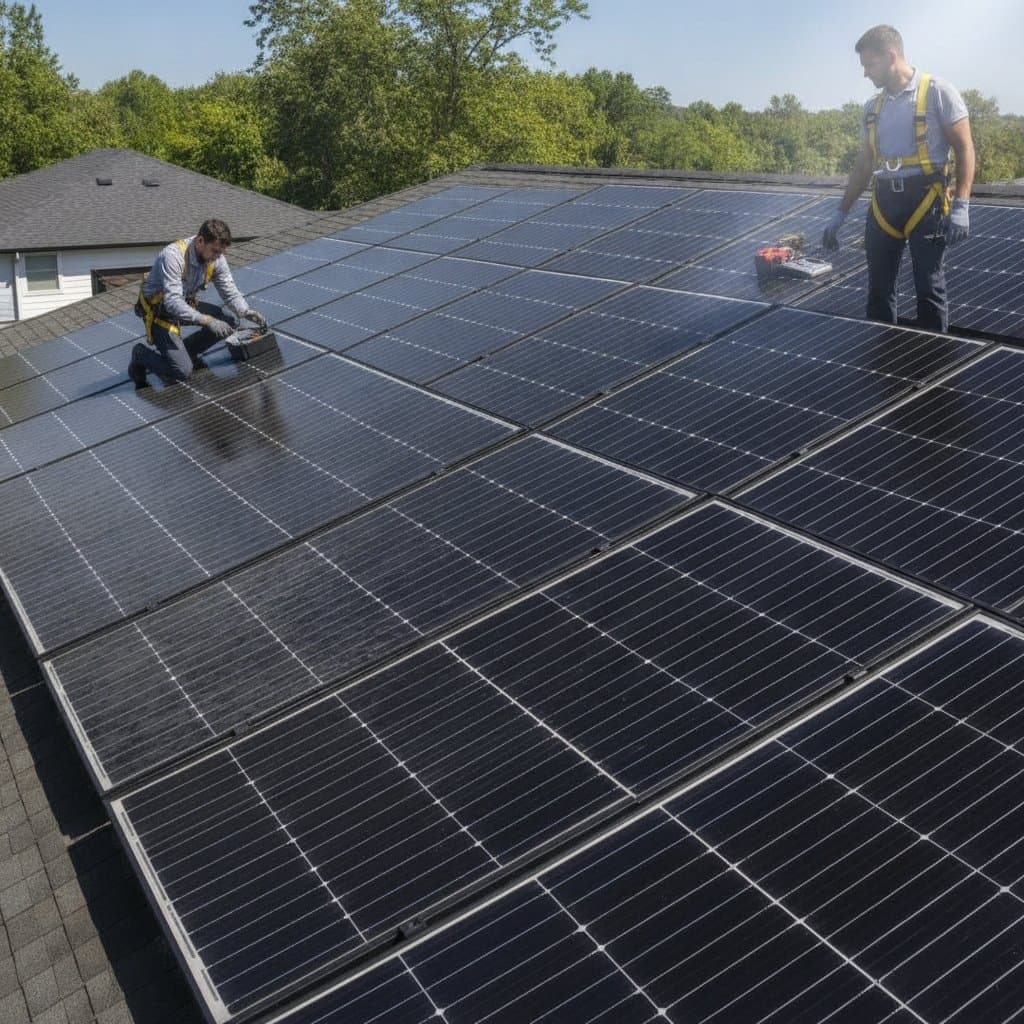
When Solar Degradation Signals Replacement
Solar panels are built for durability, but every system eventually faces performance decline. Understanding when degradation crosses the line from manageable wear to a replacement decision is essential for installers, asset managers, and system owners. Knowing the difference between temporary output loss and irreversible damage helps maintain energy production and safeguard long-term returns.
Understanding Normal Degradation
All solar panels degrade over time. This gradual performance drop is typically due to natural material aging, ultraviolet exposure, and temperature fluctuations. In most systems, output loss remains within acceptable limits for many years, allowing panels to operate efficiently with minimal maintenance.
Routine cleaning and inspection can slow this decline. Dust buildup, shading, and loose wiring often create apparent performance loss that can be corrected with basic maintenance. When degradation follows an expected curve, repair and upkeep remain the logical approach.
Recognizing Irreversible Performance Loss
Replacement becomes necessary when degradation exceeds normal expectations or when physical deterioration cannot be reversed. Cracked glass, delamination, corrosion, and water ingress are key indicators that a panel structural integrity has failed. Such damage often leads to hot spots, electrical resistance, and safety hazards.
Energy output tests can confirm when a panel performance falls far below manufacturer ratings. If multiple modules in a string show losses beyond acceptable tolerance, replacing the affected units is often more cost effective than repeated repairs. In large scale systems, degraded panels can reduce total array efficiency, affecting project revenue and energy delivery commitments.
Cost Considerations and Timing
Deciding between repair and replacement involves balancing cost, performance, and warranty coverage. Technicians should evaluate whether labor and component expenses justify keeping older panels in service. While replacing a single module may seem minor, doing so across an aging array can impact system design and inverter compatibility.
When panels reach the end of their productive lifespan, system owners may benefit from upgrading to newer technology with higher efficiency and improved durability. Modern modules often feature better power density and enhanced degradation rates, making full replacement a strategic investment rather than a reactive fix.
Assessing System Level Implications
Panel degradation rarely occurs in isolation. Monitoring data can reveal patterns that signal broader system issues such as inverter mismatch or wiring degradation. Before replacing panels, technicians should confirm that underperformance is not caused by balance of system faults.
If degradation is consistent across many modules, full array replacement may restore output more effectively than piecemeal repairs. This approach can also simplify future maintenance and improve warranty consistency. For commercial and utility scale systems, replacement projects are often coordinated with inverter updates or mounting structure upgrades to maximize efficiency gains.
Making Informed Replacement Decisions
When degradation becomes visible in production data and verified through on site inspection, delaying replacement can increase energy losses and maintenance costs. Establishing a clear threshold for acceptable performance decline helps asset managers make proactive decisions.
Many operators use degradation rate tracking to determine when system output no longer meets financial expectations. By integrating performance data with maintenance records, system owners can schedule replacements strategically to minimize downtime and preserve contractual obligations.
Optimizing Your Solar Investment
Solar technology continues to evolve, offering longer lifespans and improved degradation resistance. Yet even the best systems eventually face the choice between repair and replacement. Recognizing when degradation signals the end of a panel useful life ensures continued reliability, safety, and profitability.
Regular performance monitoring, detailed inspection protocols, and clear replacement planning keep solar assets productive and predictable throughout their service life. Making timely replacement decisions protects both system performance and investment value.