
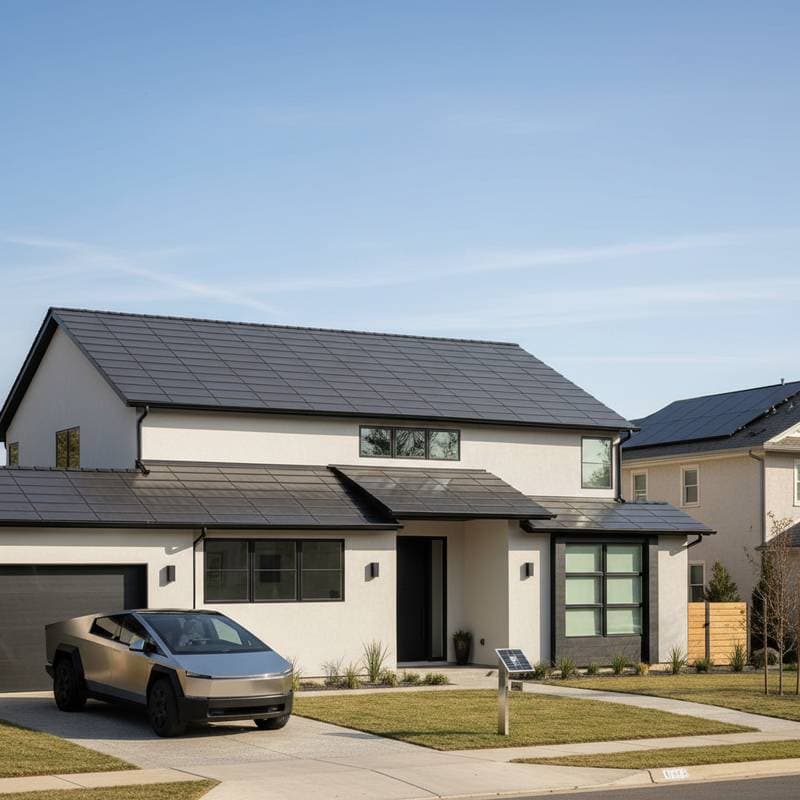
2026 Tesla Solar Roof versus Traditional Solar Cost Breakdown
Tesla Solar Roof functions as a premium roofing and energy solution. It merges solar generation with a uniform appearance through tempered glass tiles that contain photovoltaic cells. Traditional solar systems mount panels above an existing roof. The choice between these options hinges on installation complexity, material expenses, roof condition, and long-term energy output.
Market estimates place a Tesla Solar Roof between 60000 dollars and 75000 dollars for a typical 2000 square foot single family home. This price covers both solar generation tiles and non solar tiles needed for the full roof. A comparable traditional solar panel system ranges from 20000 dollars to 30000 dollars for similar capacity, though it excludes any roof replacement that may become necessary.
System Design and Installation Approach
Tesla Solar Roof requires a complete roof replacement. Each tile forms part of a watertight array that maintains a consistent look. Certified Tesla installers or approved partners handle both roofing and electrical tasks. The process starts with removal of existing materials, inspection of the decking, and application of underlayment before tile placement.
Traditional rooftop solar uses framed photovoltaic panels mounted on racking systems such as aluminum rails. This approach avoids full roof replacement yet depends on the current roof age and condition. Homeowners with roofs near the end of service life often incur replacement costs before or soon after panel installation.
Christopher Hsu, senior analyst at Clean Energy Research Group, notes that the integrated design attracts customers who want both energy production and premium aesthetics. The installation requires more steps than standard panel mounting and therefore increases labor expenses.
Cost Components and Breakdown
Tesla Solar Roof pricing covers three primary elements. Active solar tiles generate electricity. Inactive tiles match the appearance of solar tiles while serving as standard roofing material. Power electronics and battery storage options such as the Tesla Powerwall complete the package.
In a 10 kilowatt system, active tiles occupy 40 to 50 percent of the roof surface. The remaining area uses non solar tiles to preserve uniformity. Labor accounts for up to 30 percent of total project costs because of the detailed installation and electrical integration.
A conventional solar system includes solar modules, mounting hardware, inverters, and electrical components. Mounting equipment represents about 10 percent of total cost. Labor averages 20 to 25 percent. Combined with inverter and permitting fees, the cost per watt for traditional systems falls between 2.50 dollars and 3.50 dollars. The Tesla Solar Roof effective cost per watt exceeds 5 dollars when roofing materials and labor are included.
Maintenance and Performance Considerations
Tesla tempered glass tiles provide longer service life than conventional shingles. The company lists high wind and hail resistance ratings. Integrated wiring channels reduce visible external conduit. Maintenance focuses on inverter monitoring and removal of surface debris.
Traditional solar panels need periodic cleaning, inverter servicing, and checks of mounts and flashing. Roof penetrations from mounting hardware can cause leaks if seals fail. The modular design allows individual panel replacement without disturbing the roof structure.
Performance varies with roof orientation and shading. Tesla tiles may show slightly lower efficiency than premium modules because of smaller active surface area. Seamless integration can compensate through uniform exposure and improved appearance.
Incentives and Payback Analysis
Both systems qualify for federal and state incentives that lower upfront costs. Tax credits reduce installation expenses. Return on investment depends on local electricity rates, sun exposure, and system size. Analysts project a Tesla Solar Roof payback period of 12 to 18 years compared with 8 to 10 years for a traditional solar system.
Dana Ruiz, project manager at SunPoint Energy, observes that roof condition often determines total cost. Installing panels on an aged asphalt roof may appear less expensive at first, yet later replacement plus removal and reinstallation can eliminate those initial savings.
Market Outlook and Consumer Trends
Homeowner interest in integrated solar roofing continues to rise as longer lasting and visually consistent energy solutions gain attention. Tesla brand recognition supports its position as a premium offering. Supply limits and specialized installation training have slowed broader adoption.
Competing manufacturers now offer composite shingles with embedded cells and simpler installation. These products address the mid tier market with lower cost per watt while improving appearance over standard panels.
Industry analysts expect integrated solar roofing to gain residential market share as material costs stabilize and installer networks expand. Success depends on streamlined logistics and reduced labor hours per project.
Choosing Between Options
Homeowners evaluating Tesla Solar Roof against traditional solar should examine roof condition and design priorities first. When a roof already needs replacement, the Tesla system premium decreases because roofing and solar generation occur in one project. Newer roofs favor conventional panels for lower cost and faster installation.
Next Steps for Homeowners
Obtain multiple quotes that itemize roofing work, solar capacity, and incentive eligibility. Compare total project timelines and maintenance responsibilities before committing to either approach.