
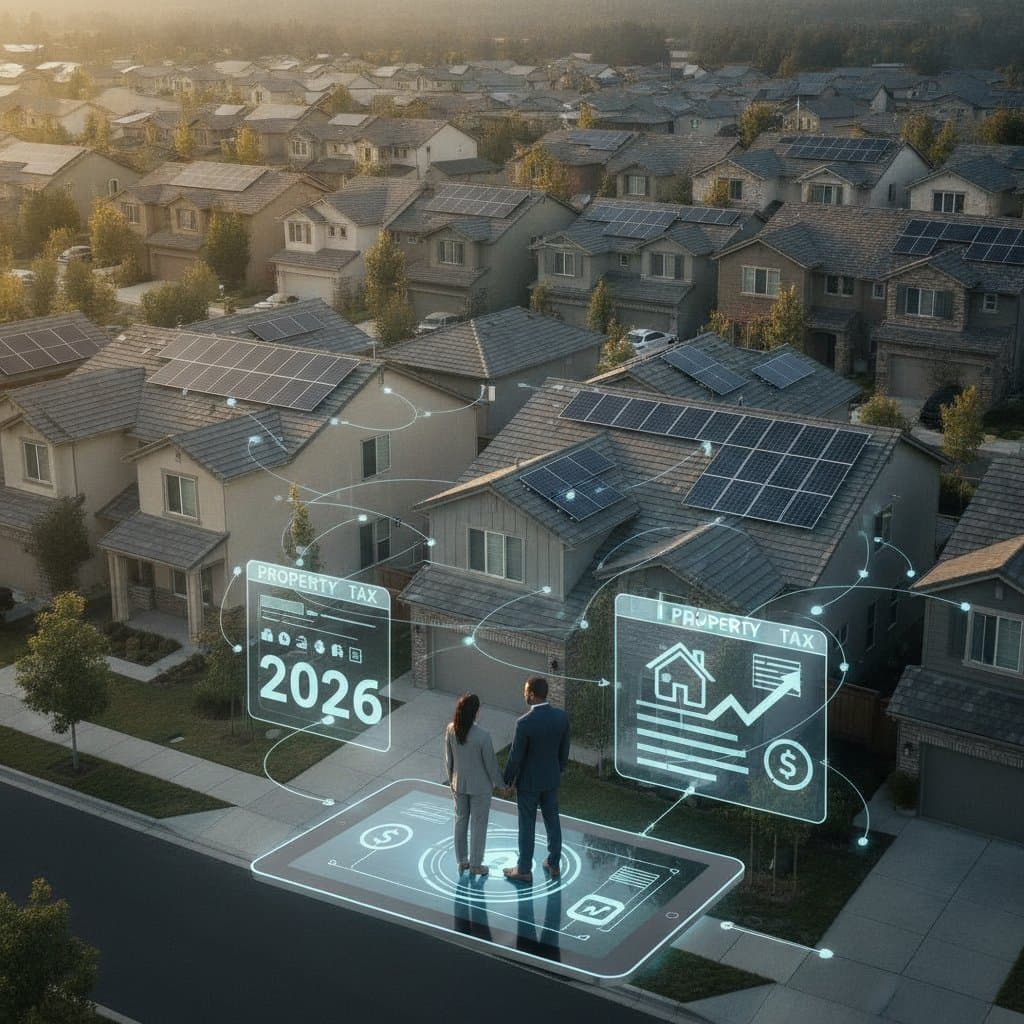
Why Homeowners Are Choosing PACE Loans for Solar in 2026
Property Assessed Clean Energy financing, known as PACE, has become a leading option for residential solar projects. After periods of regulatory change, the programs now operate with clearer rules and stronger consumer safeguards. Homeowners use this approach to fund installations without large initial outlays or conventional personal loans.
How PACE Financing Works
Homeowners add the cost of solar equipment to their property tax bill through a special assessment. Payments occur over periods that often span 15 to 25 years at fixed rates alongside regular tax obligations. The assessment remains attached to the property, so buyers typically assume remaining payments upon sale.
This structure removes credit barriers that block many households from traditional financing. It also aligns repayment timing with the decades-long output of solar panels. Residents in participating counties report simpler budgeting because the charge appears on an existing annual statement.
Recent Program Improvements Driving Adoption
Local administrators have introduced mandatory disclosures and contractor licensing requirements. These steps address earlier concerns about sales practices and repayment clarity. Interest rates and total costs now appear in standardized formats that borrowers can compare directly.
Homeowners can layer PACE assessments with federal tax credits and state rebates. The combination frequently covers a substantial share of system expenses while preserving full ownership rights. Installers note faster contract completion when financing decisions do not hinge on personal credit reviews.
How PACE Compares With Common Alternatives
Standard solar loans require qualification based on individual credit scores and remain with the original borrower after a move. Leases and power purchase agreements shift ownership benefits away from the homeowner. PACE keeps title with the property owner while spreading costs through the tax system.
Contractors in active PACE regions report fewer project delays caused by financing contingencies. Customers focus discussions on equipment performance and energy production instead of loan qualification steps.
Community and Property Benefits
PACE assessments support local resilience goals by funding distributed generation. Municipalities record gains in housing quality and reduced emissions without direct public expenditure. Property values often reflect the presence of owned solar arrays financed this way.
The approach treats solar as a standard upgrade similar to roofing or insulation. Financing integrated into property taxes normalizes clean energy investments within routine home maintenance planning.
Steps to Review PACE Eligibility
Contact the county tax office or approved program administrator to confirm current terms. Compare the assessment rate against projected utility savings and available incentives. Obtain multiple contractor bids that itemize equipment and labor costs covered by the financing.
Review the disclosure documents for prepayment options and transfer procedures. Verify that the selected installer maintains proper licensing for PACE projects in the jurisdiction.
Selecting the Right Financing Path
PACE suits homeowners who plan to remain in the property for several years and prefer payments tied to taxes rather than monthly loan statements. Those expecting frequent moves may prefer options that travel with the individual borrower. Each situation requires direct comparison of total costs, ownership rights, and repayment flexibility.