
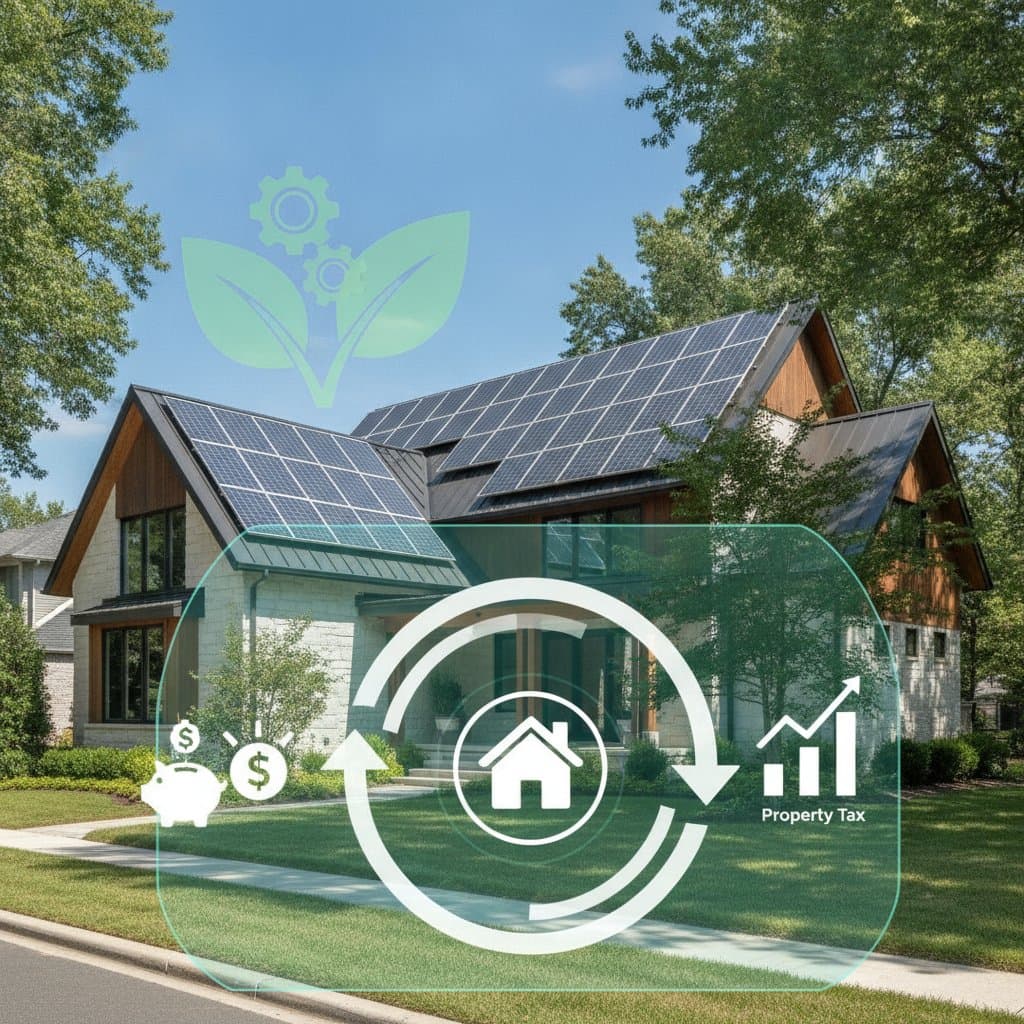
PACE Loans: Why Homeowners Skip Banks for Solar Energy
Property Assessed Clean Energy financing, known as PACE, has grown into one of the most distinctive funding tools in the U.S. solar sector. Designed to remove upfront cost barriers for homeowners, PACE loans are repaid through property tax assessments rather than traditional bank loans. This model has reshaped how residential solar projects are financed in several states, especially in California, Florida, and Missouri.
Industry data from PACENation shows that more than a billion dollars in residential PACE financing has been issued across the country. While that total remains modest compared to conventional solar loans, it reflects steady momentum among property owners who prefer predictable, long-term payments tied to their property.
How PACE Financing Works
PACE programs operate through partnerships between local governments and private lenders. The local authority authorizes the program, and participating financiers provide the capital to pay for eligible improvements such as rooftop solar, battery storage, or energy-efficient HVAC systems. The property owner repays the cost over a set period through an additional line item on the property tax bill.
Unlike unsecured personal loans or home equity lines of credit, PACE loans are secured by a lien on the property. This means repayment attaches to the property itself, not the individual borrower. If the home is sold, the new owner typically assumes the remaining payments.
PACE allows homeowners to invest in clean energy without tapping into their savings or qualifying for a bank loan, said Colin Bish, policy director at PACENation. It creates a stable financing channel that is tied to the property tax system, which most people already understand and manage.
Why Homeowners Choose PACE Over Banks
For many homeowners, the attraction of PACE financing lies in simplicity and accessibility. Traditional banks often require strong credit scores, income verification, and debt-to-income evaluations that can disqualify households with otherwise solid repayment histories. PACE programs base eligibility primarily on property equity and tax payment history.
The repayment method also provides predictable costs. Since the loan is paid through property taxes, homeowners avoid juggling multiple monthly bills. The fixed payment structure can extend up to two decades, depending on program rules and project scope.
Solar installers often prefer PACE-funded projects because they can receive payment directly from the financing provider once the system is installed. This reduces the risk of delayed payments and allows contractors to maintain steady project pipelines.
PACE financing helps close deals faster, said Maria Lopez, regional sales manager at a California-based EPC company. Customers are more likely to move forward when they realize they can get solar panels installed without a credit check or upfront deposit.
Benefits for Local Governments and the Industry
Local governments benefit from PACE programs because they promote environmental goals and stimulate economic activity without requiring public funds. The programs are generally revenue-neutral for municipalities, as they are administered through third-party lenders who handle underwriting and collections.
Counties with active PACE programs have reported measurable increases in local clean energy employment. Solar installers, roofing contractors, and electrical professionals all gain from the steady demand for backed projects.
From an industry perspective, PACE has become a useful complement to federal tax credits. Homeowners can still claim the solar investment tax credit on top of their PACE financing, which further lowers the effective cost of installation.
Limitations and Controversy
Despite its advantages, PACE financing faces criticism. Consumer advocates have raised concerns about transparency and disclosure, arguing that some homeowners do not fully understand the lien structure or the potential impact on property transfers. Several states have strengthened consumer protection requirements in response.
Mortgage lenders have also expressed reservations. Because PACE liens take priority over existing mortgages in repayment order, some banks view them as a risk factor. This has led to conflicts in cases where homeowners seek to refinance or sell a property with an outstanding PACE assessment.
PACE programs need strong regulatory frameworks to succeed long term, said Jeff Carver, senior analyst at Rystad Energy. The model works best when local governments, lenders, and contractors operate with consistent standards that protect both homeowners and investors.
Market Expansion and Technological Integration
The market for PACE financing continues to evolve as more states explore enabling legislation. While residential programs remain concentrated in a few regions, commercial PACE has expanded rapidly nationwide. New digital platforms now allow contractors to prequalify customers, generate instant quotes, and submit documentation electronically.
The Business Case for Installers
For solar companies, understanding PACE financing represents an increasingly important competitive advantage. Installers that guide customers through PACE enrollment often secure higher close rates and larger average system sizes. PACE-funded projects tend to have fewer cancellations because financing is already approved before installation begins.
How to Pursue PACE Financing
Homeowners interested in PACE should first confirm program availability through their local government or county website. They can then connect with approved contractors who specialize in PACE projects to receive assessments and quotes. This approach supports long-term energy savings while aligning payments with existing property tax routines.