
2026 Solar Tariffs: What Homeowners Will Actually Pay
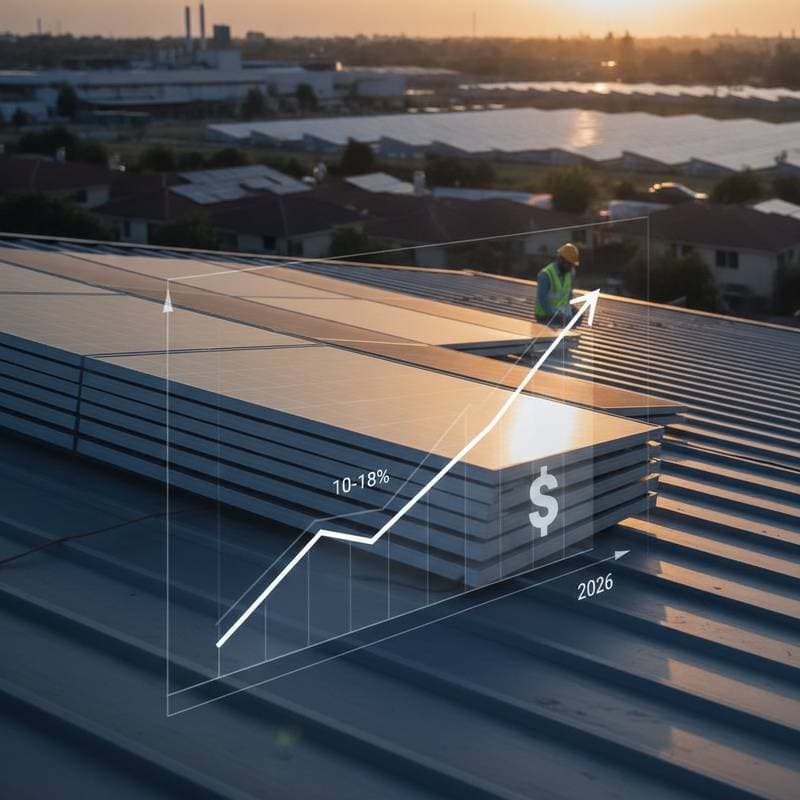
Tariffs on imported solar panels are set to reshape U.S. residential solar pricing. Industry analysts estimate that new rates could raise module prices by 10 to 18 percent. For homeowners evaluating rooftop systems, that translates to an average increase of several thousand dollars for a typical 6 kW to 8 kW array.
Shifting Cost Structures in Residential Solar
The current tariff schedule targets crystalline silicon photovoltaic modules imported from major Asian manufacturing hubs. Trade officials have expanded coverage to include several Southeast Asian regions. This move aims to strengthen domestic manufacturing while introducing short term pricing volatility.
Imported panels still represent more than 70 percent of U.S. residential installations. Installers in California, Texas, and Florida report that wholesale panel costs have already risen by 6 to 8 cents per watt in anticipation of the new policy.
How Tariffs Filter Down to Homeowners
The price impact depends on system size, installer sourcing, and financing terms. A 15 percent rise in module prices could move a system from 2.80 dollars per watt to about 3.20 dollars per watt. That difference adds roughly 2,400 dollars to the total cost of a 6 kW installation.
Some installers offset increases through volume purchasing or long term supply contracts with domestic manufacturers. Domestic production capacity remains below national demand, so imported panels will continue to fill a large portion of the market.
Ryan McAllister, chief executive of SunGrid Installers based in Arizona, said the industry is adapting quickly. "We are sourcing more U.S. made modules than ever before, but the supply is tight. Customers should expect modest price increases until domestic factories ramp fully," he said.
The Role of Domestic Manufacturing
Federal incentives for domestic production credits have encouraged companies to build new factories in Georgia, Ohio, and New York. These facilities are expected to supply both residential and commercial markets once operational.
U.S. module assembly capacity could exceed 40 GW within several years if announced projects proceed on schedule. Many plants still rely on imported wafers and cells that remain subject to tariffs, which complicates cost forecasting for end users.
Market Responses and Installer Strategies
Installers are diversifying procurement channels, stocking inventory ahead of tariff enforcement, and prioritizing higher efficiency modules that reduce total system size. Some shift toward integrated systems that combine mounting hardware, microinverters, and panels from a single supplier.
EPC contractors evaluate domestic tracker and racking suppliers to qualify for federal tax credits tied to domestic content. These supply chain considerations now influence residential system design as well.
Lena Ortiz, policy director at Clean Energy Consultants in Washington, said the transition period will be challenging but necessary. "Tariffs add short term cost pressure, but they also create space for U.S. manufacturing growth. The key is whether installer networks can manage the interim cost curve," she said.
Practical Steps for Homeowners Considering Solar
Request updated quotes from multiple certified installers before signing contracts. Pricing varies based on stock availability and sourcing strategy. Systems installed with domestically manufactured or assembled panels may qualify for additional tax credits that offset tariff related increases.
Lock in financing terms early and confirm equipment specifications to avoid mid project price shifts. Evaluate total lifecycle savings rather than upfront costs alone. Most rooftop systems continue to deliver strong long term returns through reduced utility bills and available incentives even with higher module prices.